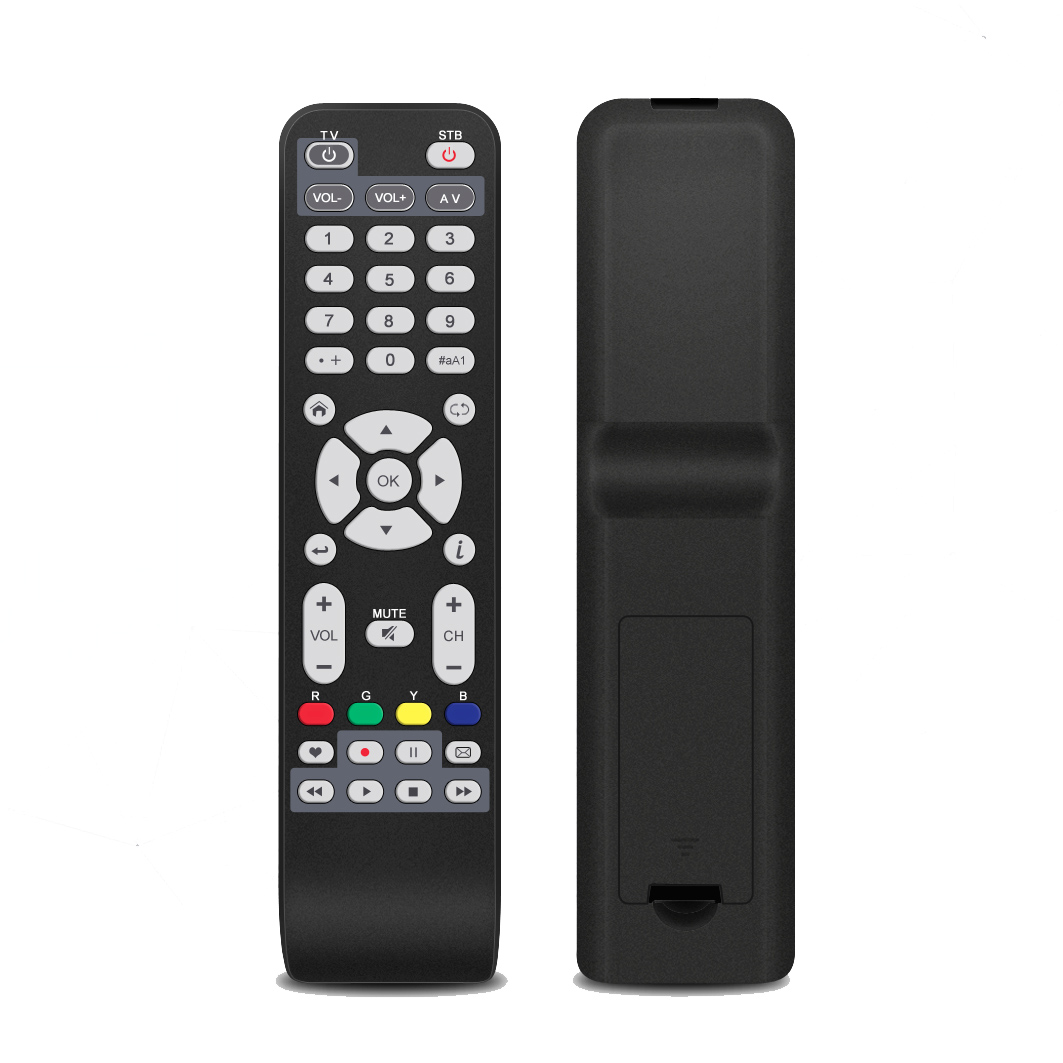
OEM 43 Key IR Telemetry Hub Controller
Custom peripheral hub designed for localized smart facility environments and elder-care center display terminals.
Inspect SpecificationsDirect OEM/ODM production hardware designed for clinical research, lone-worker safety compliance, and commercial IoT telemetry integration across Greater Nagoya.
Custom peripheral hub designed for localized smart facility environments and elder-care center display terminals.
Inspect Specifications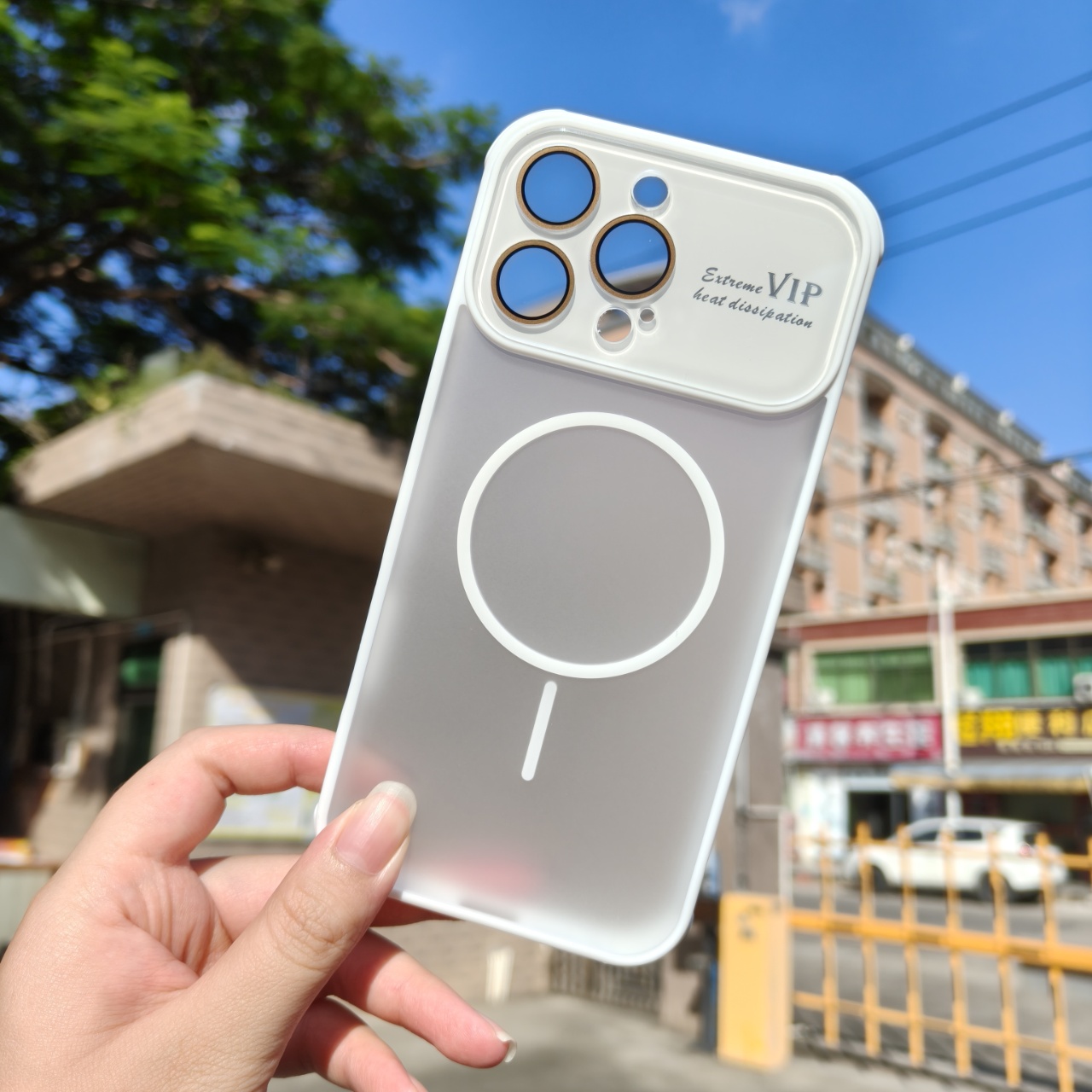
Ultra-ruggedized thermo-conductive protective encasement used for on-site industrial mobile diagnostics and telemetry links.
Inspect Specifications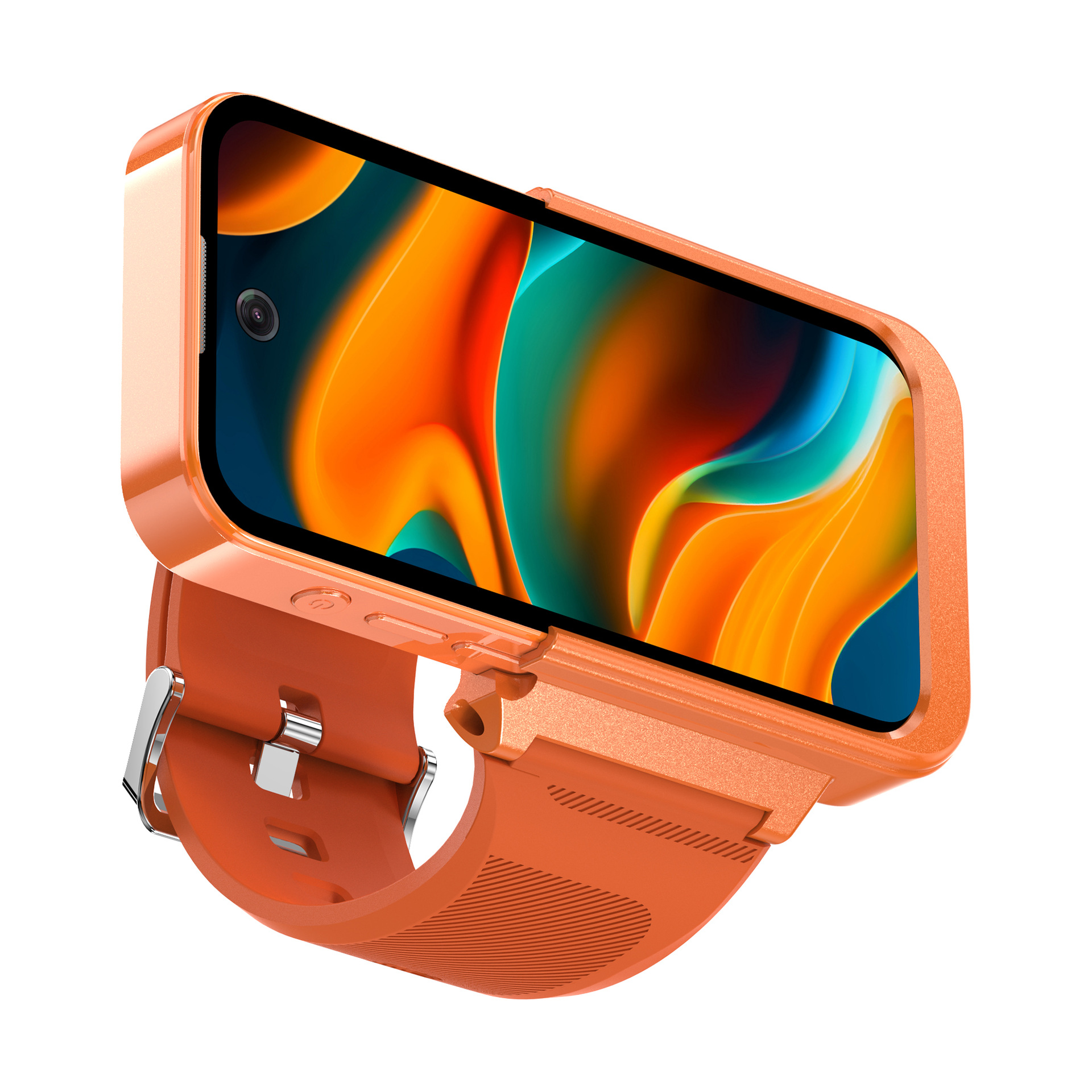
Dual SIM 4G Android 12 standalone wrist communicator with GNSS multi-constellation tracking and 1700mAh heavy-duty battery.
Inspect Specifications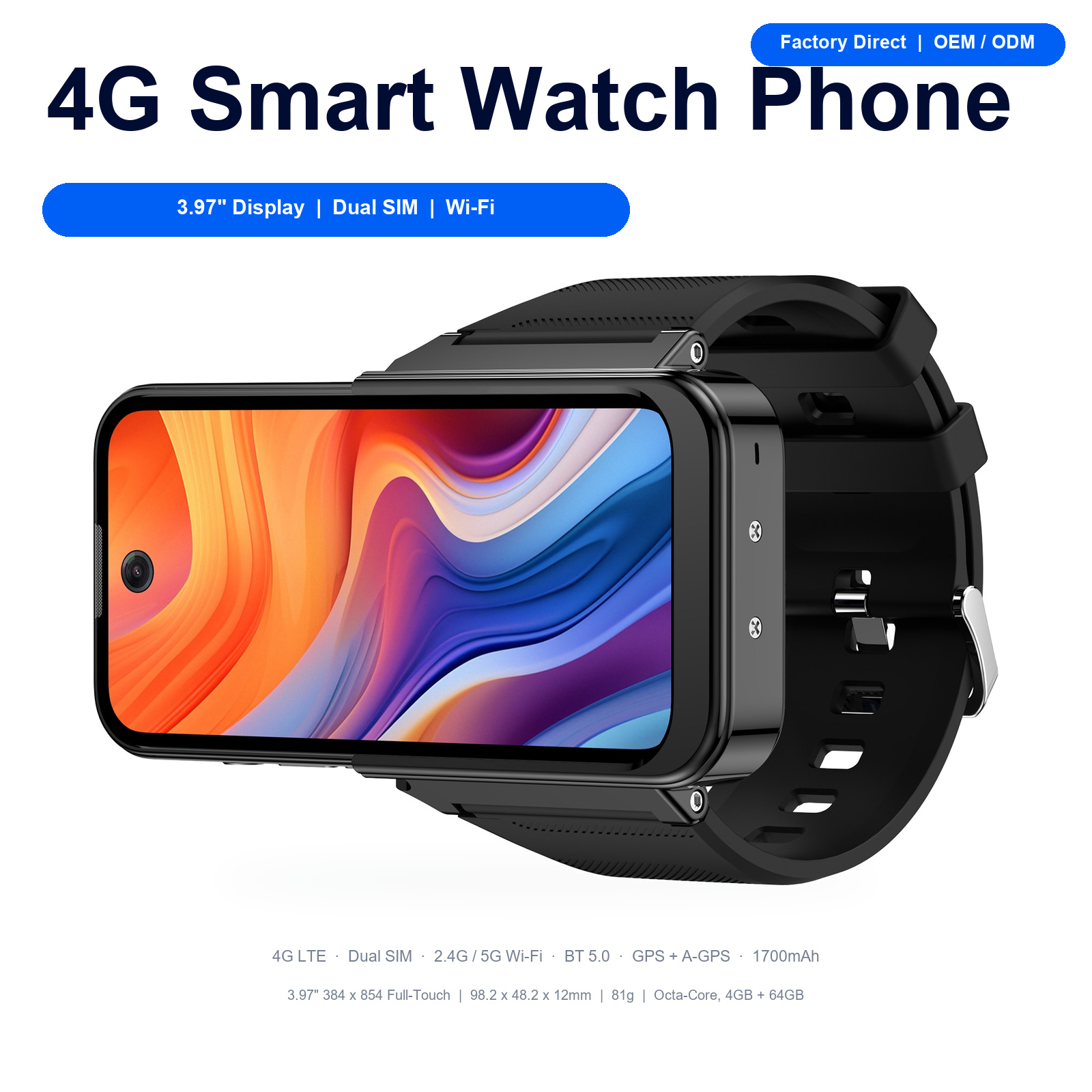
3.97-inch edge terminal featuring LTE broadband connectivity, custom camera, and real-time field-to-cloud telemetry transmission.
Inspect Specifications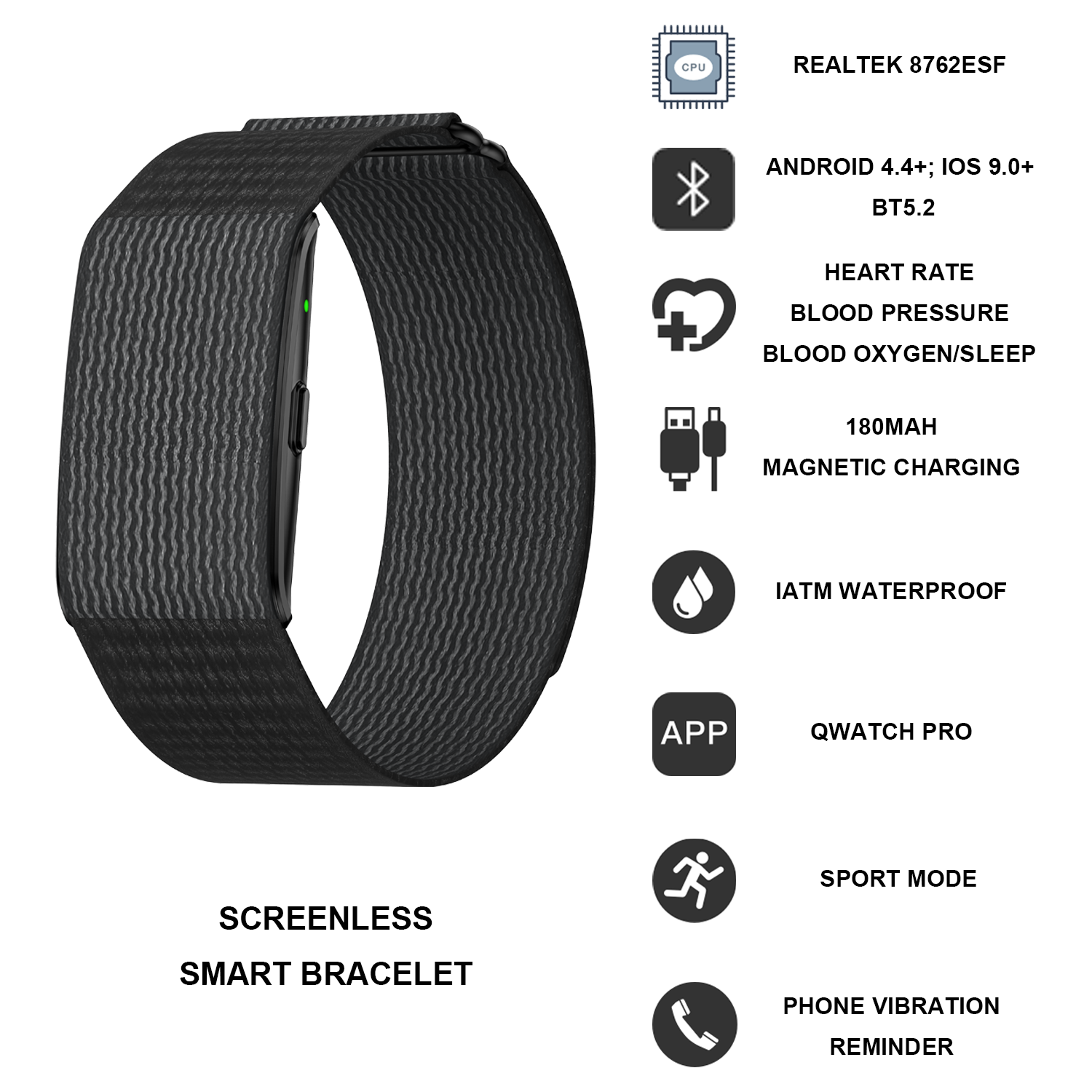
50 days ultra-standby, IP68 rated, real-time arterial photoplethysmography (PPG), and algorithmic AI risk diagnostic reports.
Inspect Specifications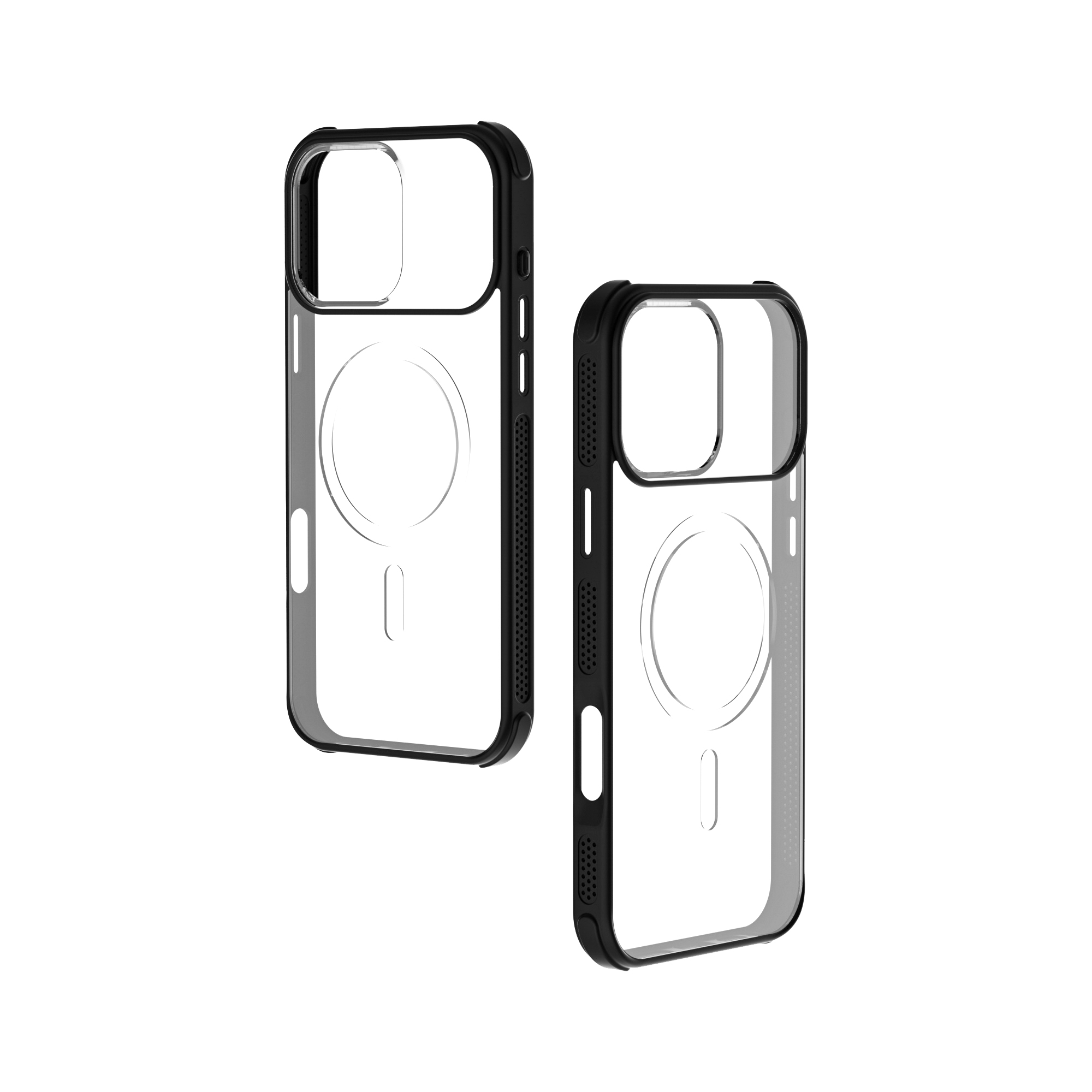
Custom precision structural tooling parts and semi-finished casing architectures engineered for localized Japanese ODM workflows.
Inspect Specifications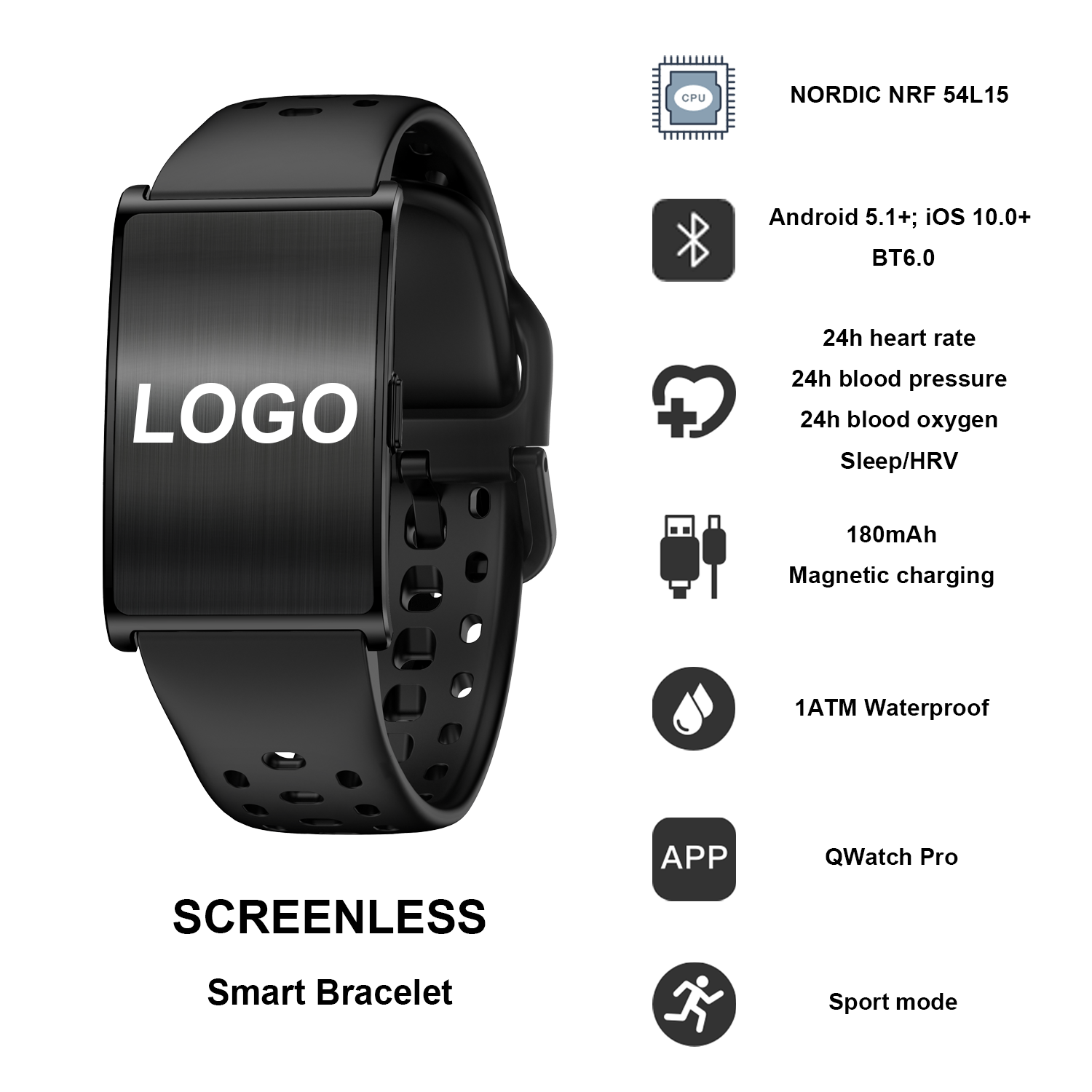
Zero-distraction industrial form-factor with medical HRV telemetry, SpO2 blood oxygen saturation, and automated fatigue indices.
Inspect Specifications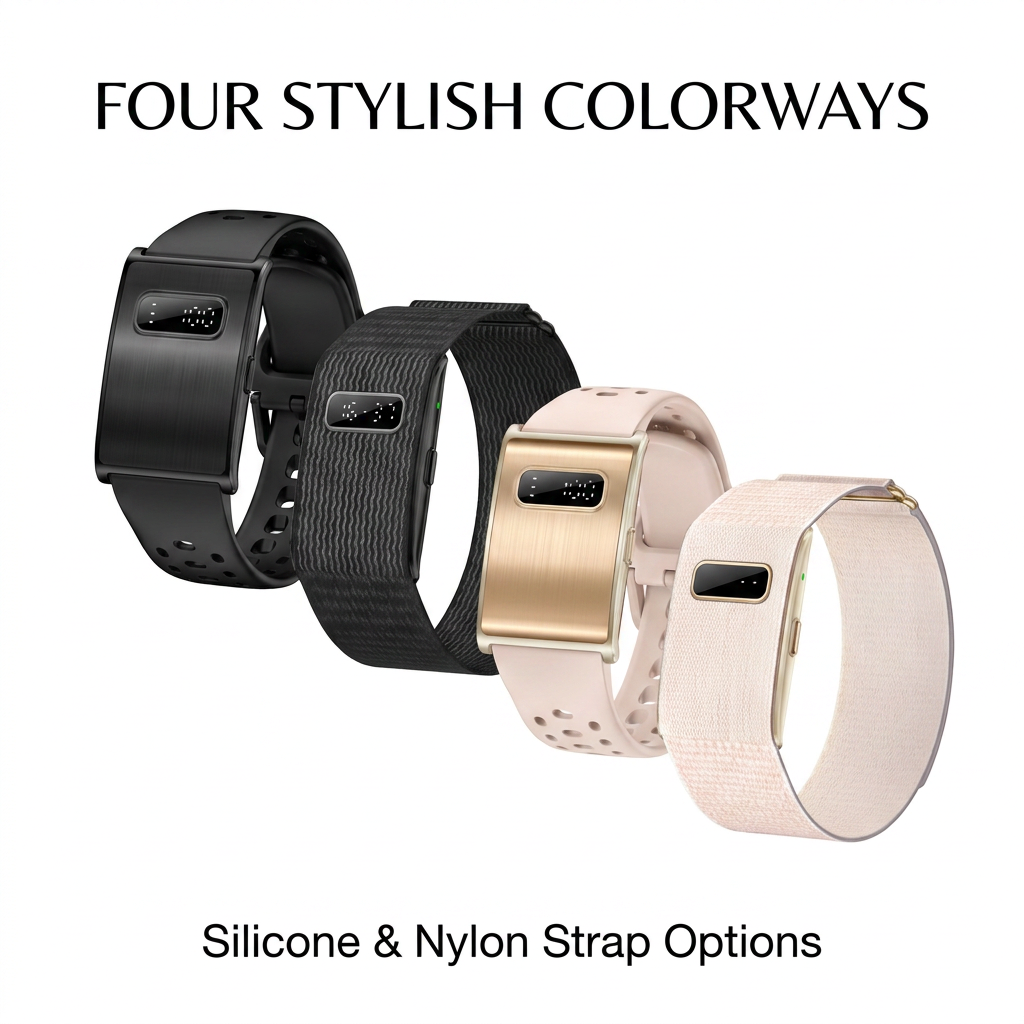
IP68 waterproof rating, real-time optical cardiac rhythm sensor, multi-axis motion tracking, and automated Japanese cloud integration.
Inspect SpecificationsFrom Toyota-affiliated automotive assembly corridors to specialized senior living networks in Meito-ku and Sakae, precision heart rate telemetry is transforming operational safety and healthcare efficacy.
The Greater Nagoya metropolitan area stands as the primary industrial engine of Japan, leading in automotive, aerospace, and precision machining manufacturing. Within intensive automotive stamping, foundry, and body-assembly plants located throughout Aichi, Mie, and Gifu prefectures, ambient summer temperatures within factories frequently exceed safety baselines. Brainox non-invasive continuous heart rate wristbands solve the pervasive occupational health risk of heat stress (熱中症 - Necchūshō).
By pairing high-frequency PPG (Photoplethysmography) continuous optical heart rate sensors with epidermal temperature arrays and multi-axis accelerometers, our devices track biometric anomalies in real-time. Proprietary algorithmic monitoring evaluates sudden heart rate elevation coupled with a decrease in motor velocity, instantly triggering localized vibration alerts to the worker while simultaneously transmitting telemetry alerts via Bluetooth Mesh or Private LTE networks to the facility's Central Safety Office (安全衛生管理室). Our faceless, screenless models like the H59Pro prevent assembly distractions while offering zero snag-points for industrial machinery operators.
Japan leads the globe in super-aging demographics, and the Nagoya municipality is actively implementing Society 5.0 healthcare modernization initiatives. Local nursing homes (特別養護老人ホーム) and senior community networks are transitioning from labor-intensive manual vital checks to automated passive monitoring frameworks. Brainox continuous heart rate bracelets provide an non-intrusive foundation for 24/7 cardiovascular surveillance.
Equipped with micro-precision single-lead ECG and multi-wavelength optical blood oxygen (SpO2) modules, our bands detect cardiac arrhythmia, sudden tachycardia, and nocturnal hypoxia. The extended battery endurance of our H59MAX series—achieving up to 50 days of real-world operational standby—eliminates the daily operational bottleneck of frequent charging cycles, ensuring continuous, uninterrupted diagnostic data logging for municipal and private geriatric practitioners across Nagoya.
Nagoya's municipal transit infrastructure, heavy logistics corridors traversing the Port of Nagoya, and cross-prefecture shipping routes require stringent driver physical condition management. Under the Japanese Ministry of Land, Infrastructure, Transport and Tourism (MLIT) safety frameworks, logistics companies increasingly mandate cardiovascular condition tracking to eliminate sudden vehicular accidents caused by acute coronary events or microsleep episodes. Our devices provide continuous Heart Rate Variability (HRV) metrics to compute autonomous nervous system fatigue levels, notifying fleet dispatchers before critical fatigue compromises public transport operations.
Deploy zero-distraction faceless bands across automotive line workers. Seamlessly integrated with internal SCADA systems to reduce heat illness and physical exhaustion incidents.
Automated circadian cycle evaluation and cardiac rhythm monitoring tailored for private healthcare networks, care providers, and outpatient clinics throughout central Japan.
Real-time autonomic nervous system fatigue evaluation tailored for commercial heavy-transport fleets, ensuring preventative intervention before microsleep occurrences.
Understanding regulatory shifts, edge-AI miniaturization, and data compliance required for Japanese enterprise implementation.
Procurement directors throughout Nagoya's IT system integrators are no longer looking for siloed consumer gadgets. The market demands edge-computing biometric wrist devices capable of direct cloud ingestion via open SDKs and RESTful Bluetooth Gateway APIs. Our Dongguan engineering lab builds direct Bluetooth low energy (BLE 5.0/5.3) firmware pipelines that feed encrypted health telemetry payloads straight into internal factory management networks, AWS IoT Core, or customized on-premises servers compliant with Japanese Act on the Protection of Personal Information (APPI) protocols.
While standard consumer trackers capture heart rate intermittently during resting intervals, industrial environments require uninterrupted second-by-second sampling under high-intensity physical agitation. By integrating multi-channel analog front-ends (AFE) paired with optical green (525nm), infrared (940nm), and red (660nm) LEDs, Brainox bracelets ensure optical noise rejection caused by skin pigment, sweat accumulation, and continuous industrial vibrations. Furthermore, our dual-signal ECG+PPG fusion architectures allow clinical teams to calculate Pulse Transit Time (PTT) for cuffless blood pressure trend estimates without restricting arm motion.
Configurable firmware eliminating unauthorized cloud transfers, enabling localized AES-128 bit data encryption to satisfy Japanese corporate data governance mandates.
High demand for screenless bands that prevent workplace distractions, offering ultra-long standby cycles and robust shock-resistant housings.
Full-stack customization encompassing bilingual packaging, native Japanese companion apps, localized regulatory documentation, and custom firmware UI.
SGS on-site verified manufacturing facilities located within Songshan Lake High-Tech Industrial Park, Dongguan—delivering industrial precision to Nagoya enterprises.
Dongguan Brainox Technology Co., Ltd. enforces an uncompromising quality ecosystem. Every heart rate bracelet batch produced for Nagoya procurement clients undergoes an exhaustive battery of tests across our 15 dedicated laboratory testing instruments, overseen by seasoned engineering personnel with over five years of wearable design experience.
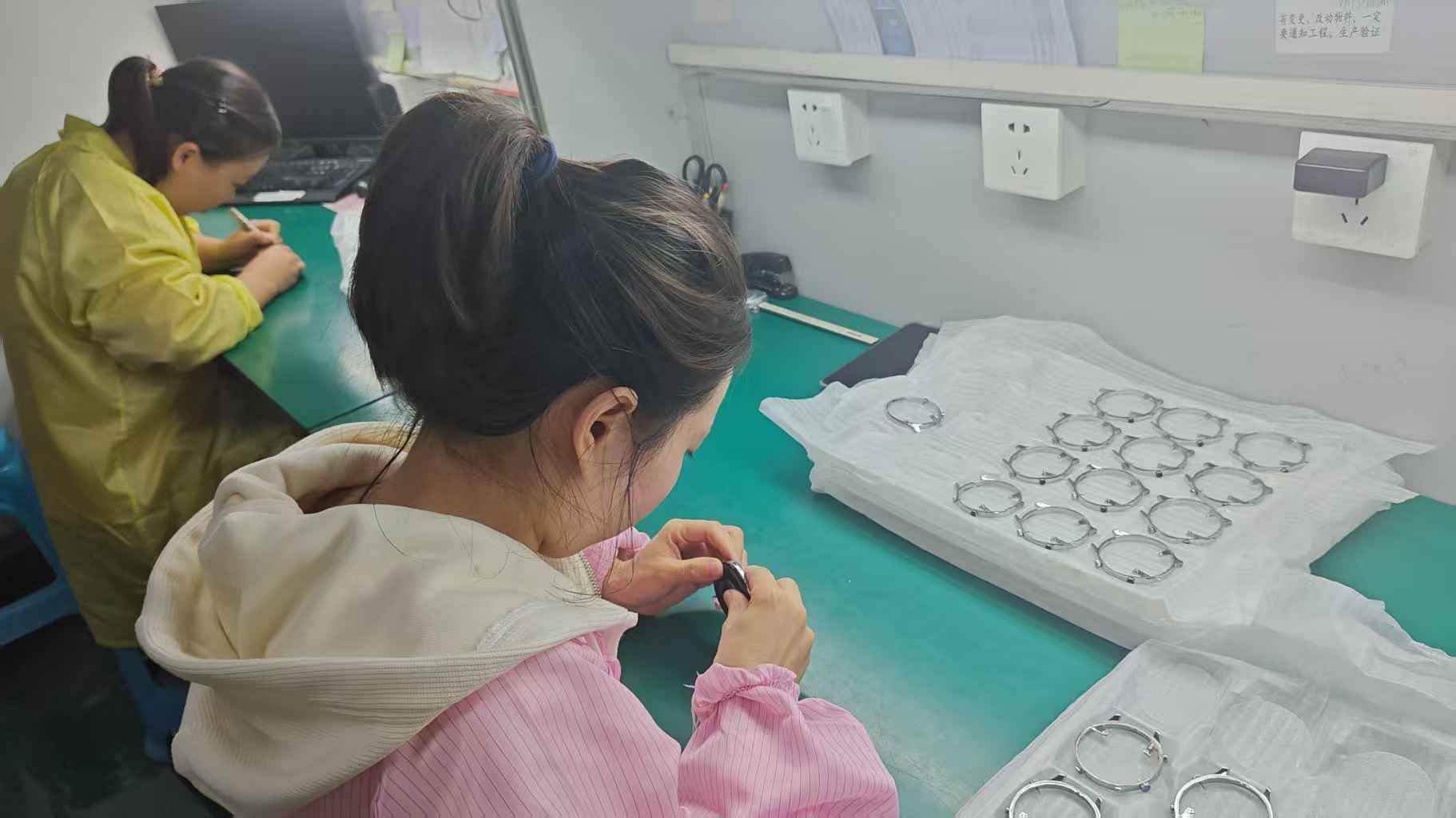 01. Incoming IQC Inspection
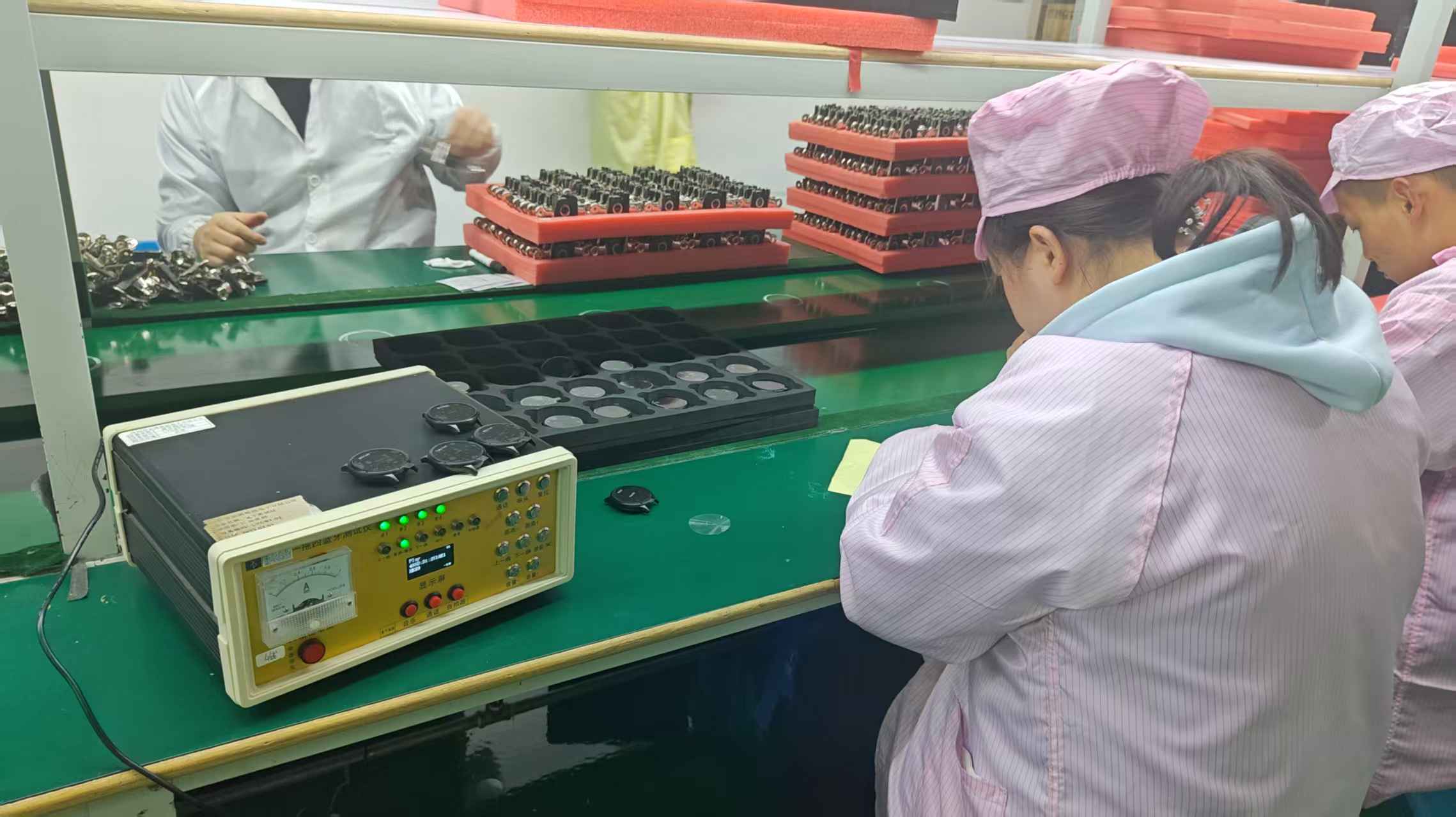 02. Bluetooth RF Validation
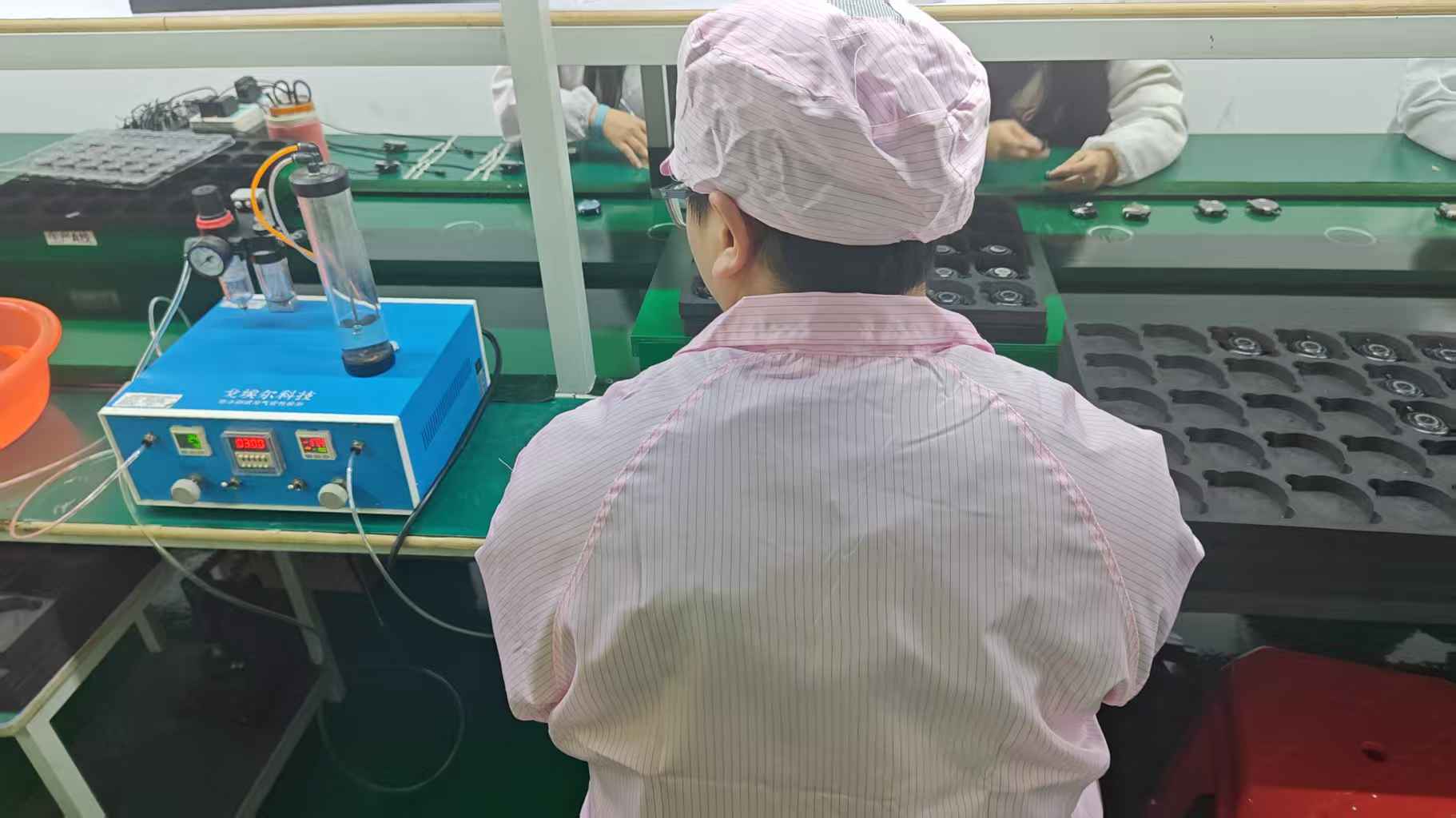 03. IP68 Submersion Testing
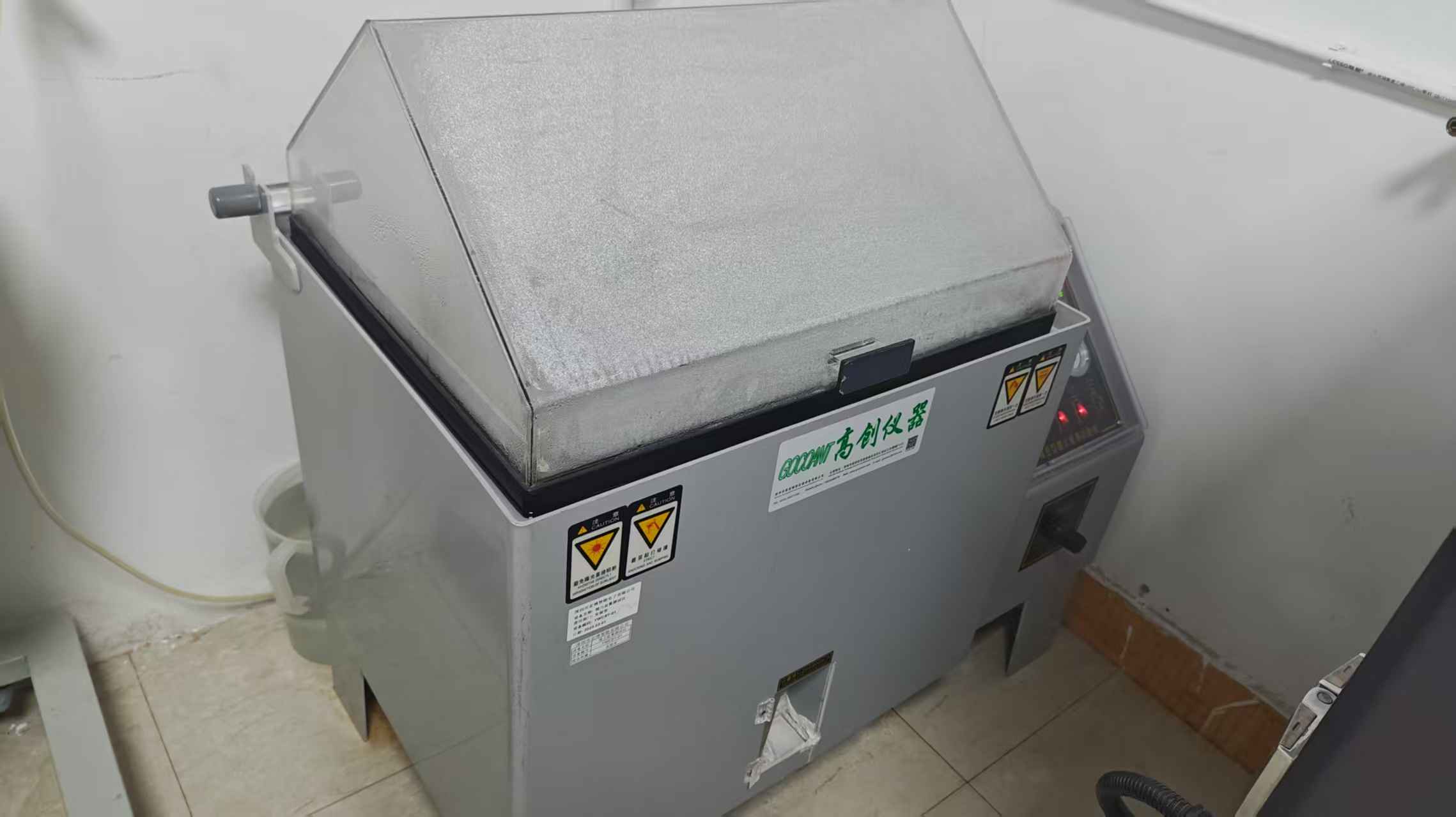 04. Salt Spray Chamber Test
Our testing framework spans: (1) IQC component audits for PPG sensors and high-density cobalt cells; (2) Bluetooth RF network fidelity checks; (3) Hydrostatic pressure testing verifying real-world IP67/IP68 boundaries; (4) High-temperature and high-humidity chambers matching harsh summer plant conditions; (5) Multi-axis transport drop and continuous drum tumbling testers; and (6) Electrostatic discharge (ESD) immunity up to 8kV contact and 15kV air discharge to protect delicate biosensing silicon.
On-site evaluated infrastructure guaranteeing ethical manufacturing practices, documented material traceability, and clear legal standing.
Transparent evaluation between optical PPG estimations and cuff-based air-pump blood pressure architectures to protect buyer marketing claims.
From rapid laser branding on stock devices to comprehensive PCBA re-engineering, localized firmware, and companion mobile apps.
Dedicated English-speaking technical accounts providing precise datasheets, clear sample schedules, and complete UN38.3/MSDS shipping files.
Clear answers addressing TELEC certifications, API integrations, customs clearance at Port of Nagoya, and customization capabilities.
Yes. For procurement deployments entering the Japanese commercial sphere, devices utilizing RF communication (Bluetooth LE, Wi-Fi, or LTE) require Radio Law compliance (TELEC / MIC certification). Brainox provides pre-certified models equipped with Japanese Radio Law ID marks, and provides complete engineering support to pass specific model variant certifications via designated testing laboratories (such as TELEC or DSP Research) prior to commercial distribution across Nagoya.
Yes. Unlike standard consumer devices that limit buyers to consumer-tier aggregate statistics, Brainox supports enterprise-level firmware customization. We provide comprehensive Bluetooth Low Energy GATT communication protocols, API documentation, and mobile SDK libraries (compatible with iOS and Android). This allows your internal development teams to access real-time raw PPG photodiode signals, R-R intervals, and motion accelerometer vectors for custom machine learning model deployments.
Our direct export operations from Dongguan coordinate seamlessly via direct shipping channels from Shenzhen or Hong Kong ports straight to the Port of Nagoya (名古屋港) or Chubu Centrair International Airport (中部国際空港). Every battery-inclusive shipment is accompanied by verified UN38.3 test summaries, Material Safety Data Sheets (MSDS), and drop-pack cargo transport certificates to ensure unhindered customs release under Japanese customs regulations.
Our high-tier wrist telemetry solutions implement multi-wavelength sensor clustering with active background noise suppression algorithms. By utilizing adaptive LED illumination currents and differential signal detection via photodiode arrays, our devices filter out skin contact impedance shifts caused by intense sweat buildup in industrial assembly facilities, sustaining optical heart rate accuracy within ±3 bpm against clinical reference devices.
We provide a four-level progressive customization model. Minor branding—such as laser-engraved logos, Japanese quick-start inserts, and localized master carton barcodes—starts at accessible trial quantities of 500 to 1,000 units. Deep customizations involving fully localized Japanese firmware text, custom boot-screens, bespoke strap colors, and custom mobile applications typically begin at an MOQ of 2,000 to 3,000 units, structured to accelerate initial pilot evaluations.