Featured Health Wearables & Integrated Hardware Solutions
Directly manufactured in our Songshan Lake precision facility. Verified low-temperature battery cells, medical-grade photoplethysmography (PPG) sensor arrays, and customizable Bluetooth SDKs for Canadian enterprise deployment.
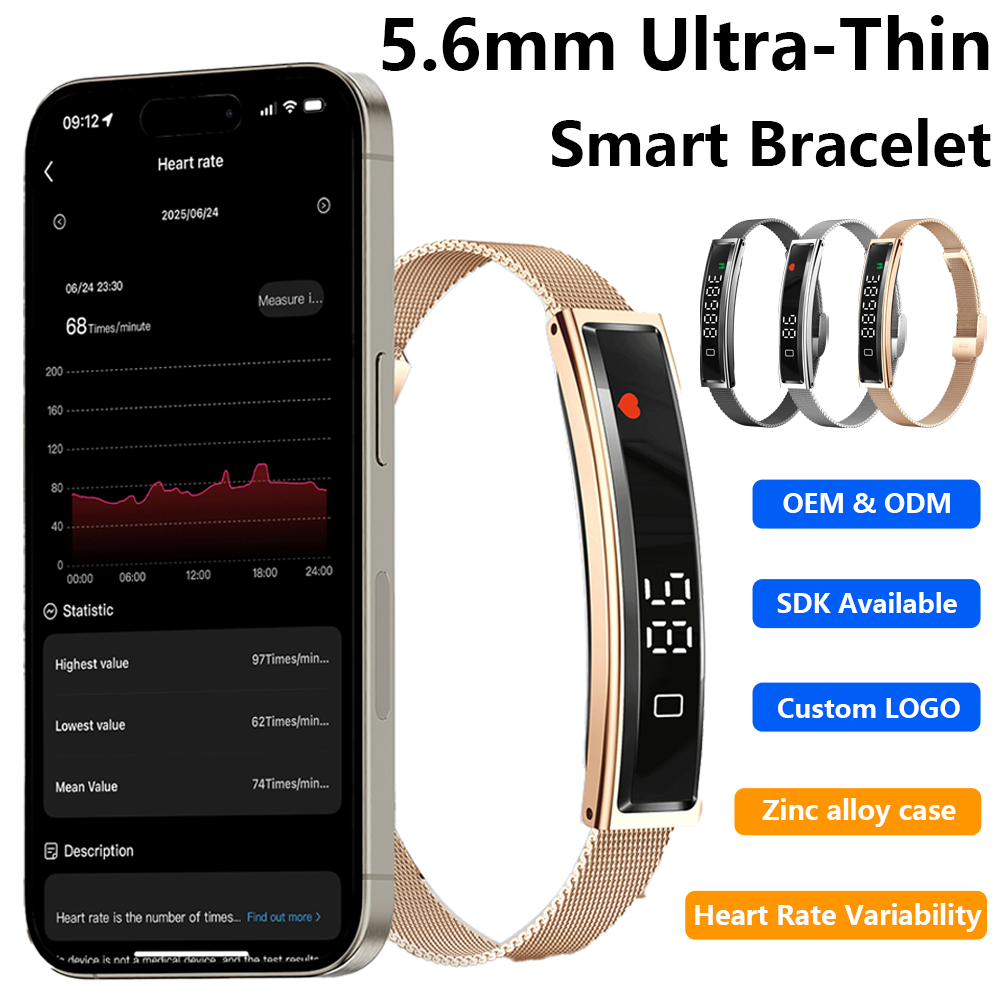
B3 Smart Bracelet 5.6mm Ultra Thin SpO2 & Cycle Monitor
Precision 5.6mm aeronautical alloy profile featuring female physiological cycle tracking, dynamic blood oxygen, continuous heart rate, and sleep architecture diagnostics.
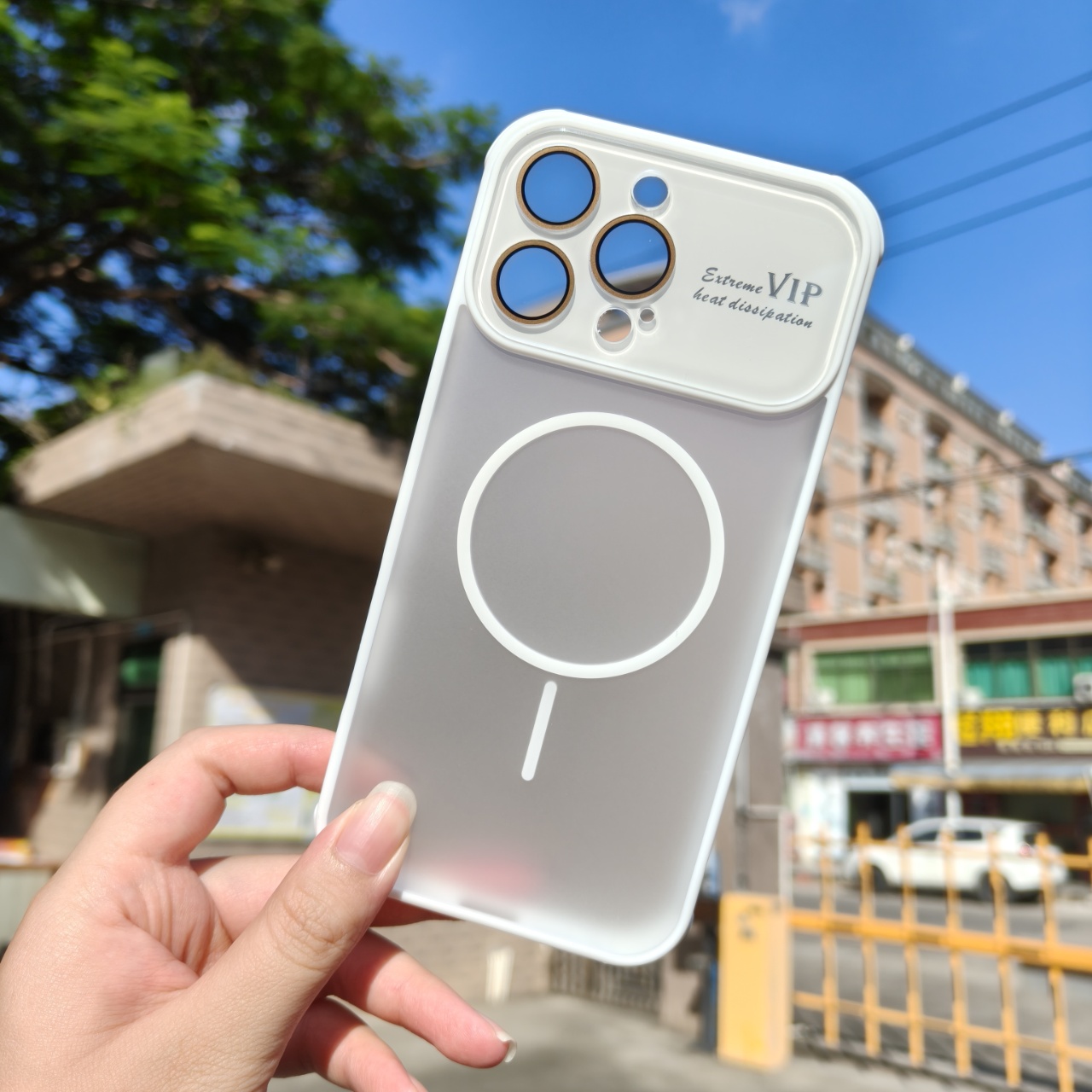
360° Heat Dissipation Magnetic Acrylic Protective Case
Engineered drop-protection acrylic phone housing optimized for active outdoor athletes and field telemetry users in high-impact environments.
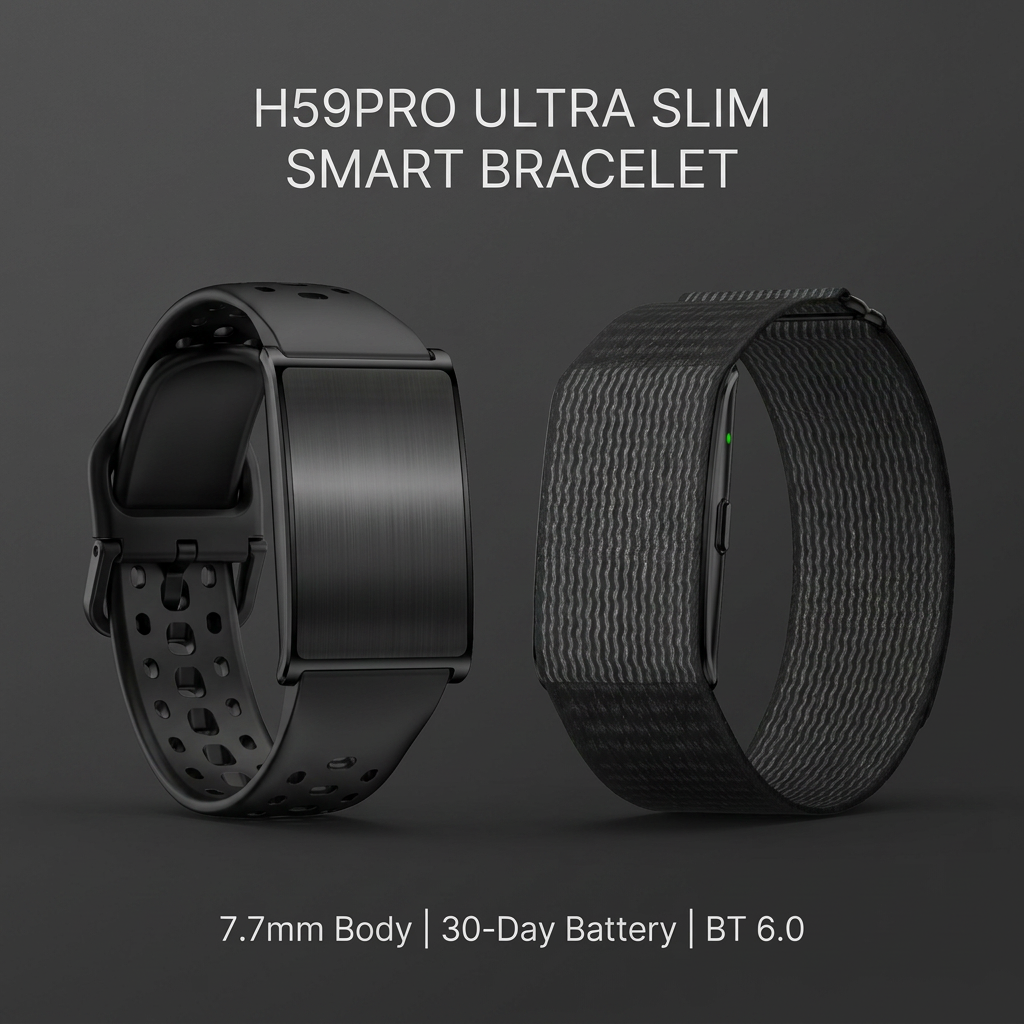
H59 Pro Screenless Smart Bracelet SpO2 & HRV Tracker
Distraction-free biometric tracking band with multi-wavelength optical blood oxygen, heart rate variability (HRV), and all-day autonomic stress scoring.
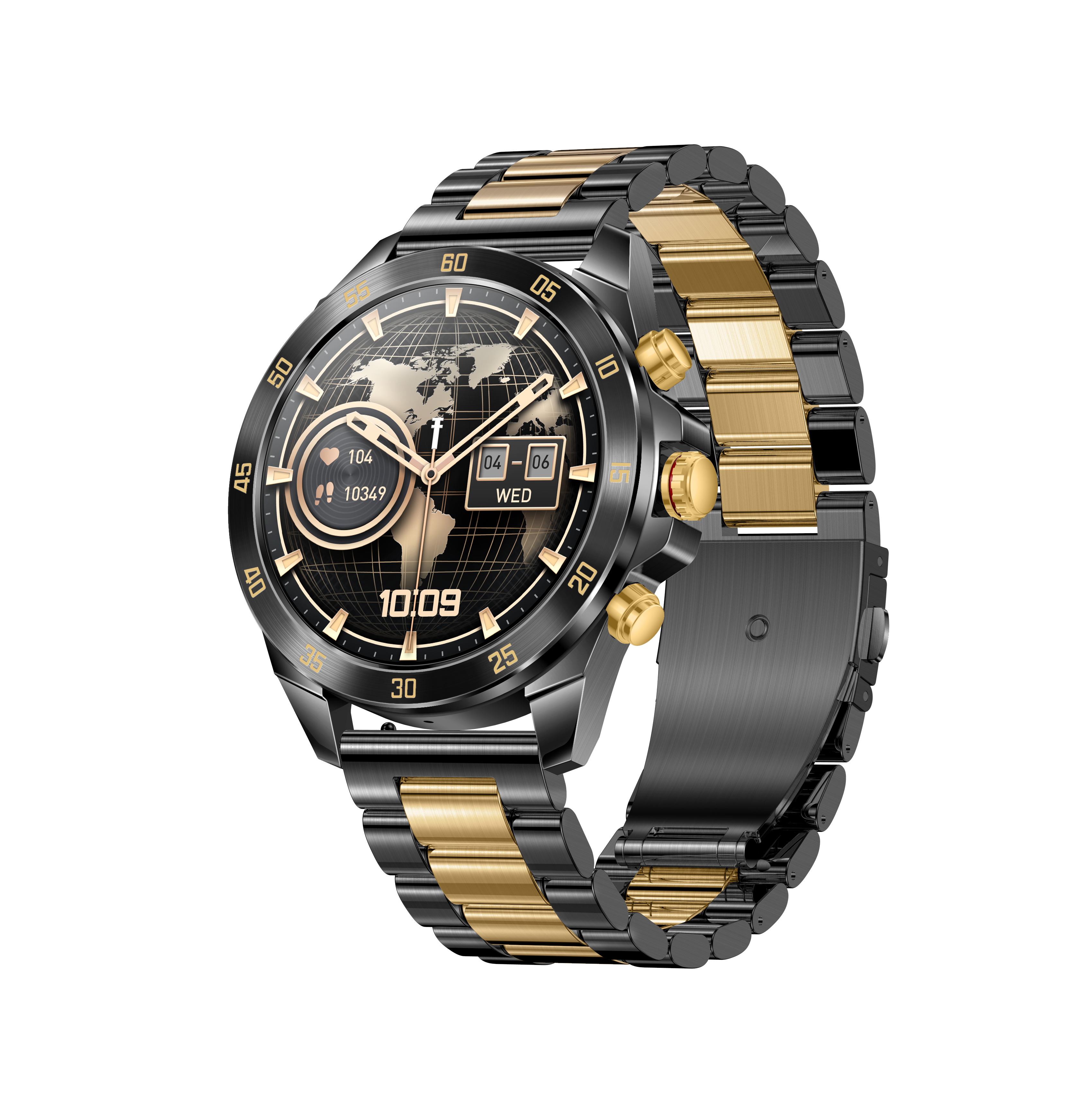
NX16 Fashion AMOLED Smart Watch Stainless Band IP68
Ultra-vivid high-resolution AMOLED display encased in surgical stainless steel. Offers continuous SpO2 logging, pedometer, and Bluetooth calling telephony.
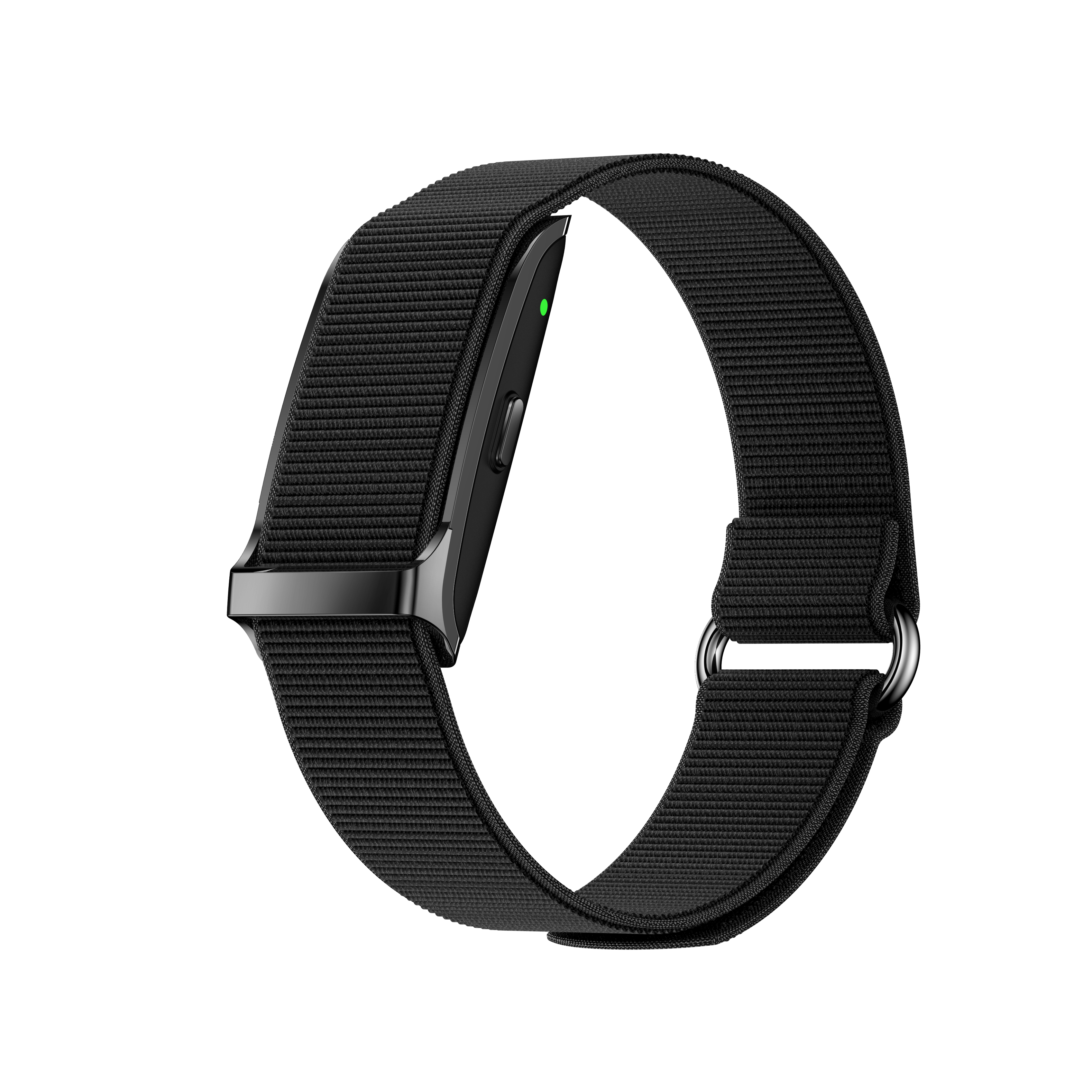
H59 Non-Screen Smart Bracelet SDK Biometric Tracker
Designed for Ontario clinical researchers and system integrators. Features raw PPG data output, open API/SDK, blood pressure trend analysis, and sleep staging.
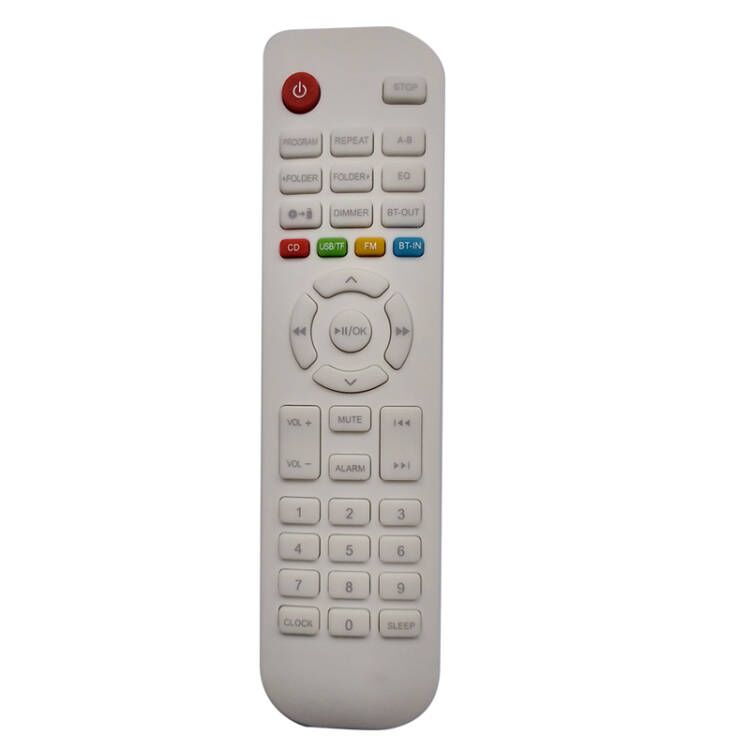
Custom 38-Key Infrared Remote Control for Healthcare
Robust, ergonomic remote terminal suitable for institutional eldercare installations, smart patient rooms, and integrated institutional display interfaces.
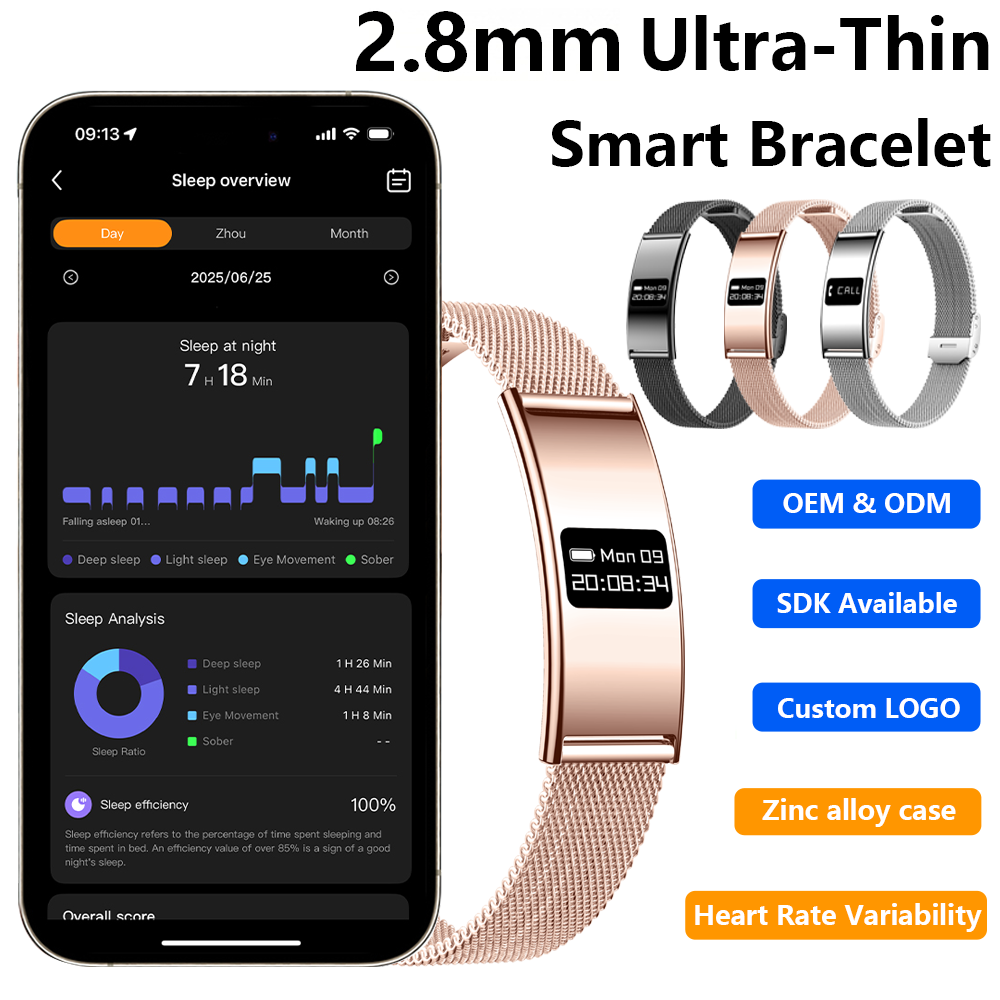
B8 2.8mm Ultra-Thin Smart Watch HRV & Activity Tracker
Pioneering 2.8mm architectural chassis boasting exceptional wrist ergonomics, female cycle tracking, autonomic nervous system recovery metrics, and multi-sport logs.
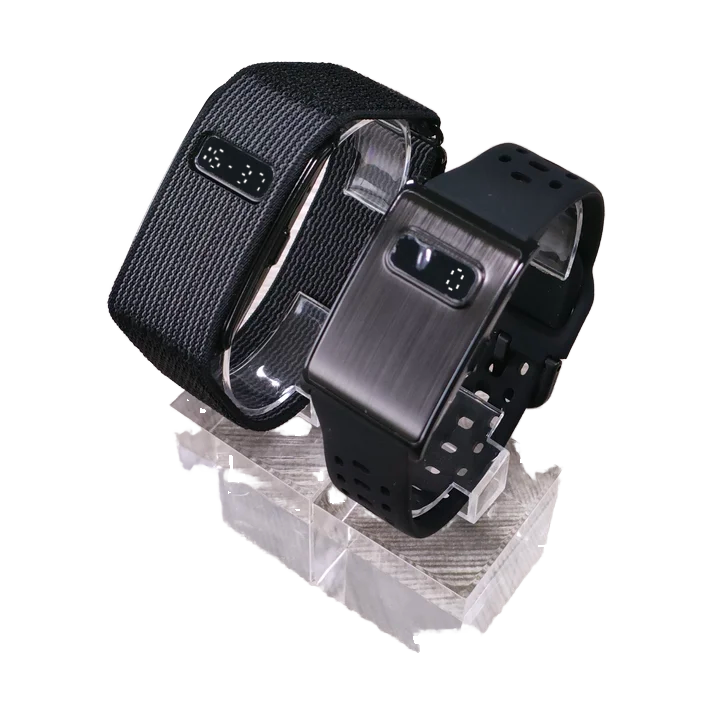
H59MAX+ Android Smart Bracelet LED Display SpO2 IP68
High-luminance LED matrix display backed by an ultra-dense battery providing up to 50 days standby, continuous SpO2 desaturation alerts, and IP68 waterproof sealing.
Precision Optical SpO2 Architecture for the Greater Toronto Area (GTA)
As Ontario's digital healthcare infrastructure accelerates towards decentralized preventative monitoring, Toronto has emerged as North America's fastest-growing hub for health-tech innovation, corporate wellness underwriting, and remote patient monitoring (RPM). However, deploying blood oxygen (SpO2) wearable technology in Southern Ontario presents distinct operational and environmental hurdles that generic consumer gadgets fail to navigate.
B2B buyers, private-label brands, medical distributors, and employee health sponsors operating across Toronto, Mississauga, Markham, and the broader Golden Horseshoe require hardware backed by rigorous biometric sensor physics. The optical measurement of peripheral capillary oxygen saturation (SpO2) relies on transmissive or reflective photoplethysmography (PPG). By emitting alternating pulses of red light (typically ~660 nm) and infrared light (~940 nm) through the epidermal and vascular layers of the wrist, the sensor measures the differing absorption coefficients of oxygenated hemoglobin ($HbO_2$) versus deoxygenated hemoglobin ($Hb$).
During Toronto winters, outdoor ambient temperatures frequently plunge between -10°C and -25°C. In response, human autonomic physiology triggers rapid peripheral vasoconstriction, shunting blood flow from peripheral microcapillaries at the wrist back to core vital organs. Traditional, low-cost optical watches experience severe photoplethysmographic signal decay (SNR drop > 40 dB) in cold environments, resulting in corrupted blood oxygen readings, false desaturation alarms, or complete sensor drop-out. Brainox integrates proprietary dynamic transimpedance amplifier (TIA) gain auto-adjustment and multi-wavelength emitter arrays that automatically amplify infrared LED drive currents up to 200mA when ambient thermistors detect skin temperature drops below 28°C. This ensures uninterrupted, clinically verifiable SpO2 data streams across outdoor winter conditions in Toronto.
Furthermore, Canadian enterprise procurement demands uncompromising alignment with federal regulatory regimes. Wholesale importers and health innovators must navigate the distinct boundary between Health Canada Class II Medical Devices (governed by the Food and Drugs Act and Medical Devices Regulations SOR/98-282) and Class I / General Wellness Monitoring Devices. Brainox provides fully documented hardware schematics, laboratory verification files, and unbundled Bluetooth LE 5.3 SDKs. This transparent framework allows Toronto tech providers to deploy customized proprietary health algorithms without triggering regulatory compliance bottlenecks.
Localized Wearable Application Scenarios Across the GTA
Targeted deployment models optimized for Toronto’s commercial, institutional, and clinical ecosystems.
Bay Street Corporate Wellness
Financial and legal headquarters within Toronto’s downtown core deploy our ultra-thin B3 and screenless H59 Pro wristbands to track real-time autonomic stress, continuous SpO2 desaturation, and sleep architecture, significantly reducing executive burnout and underwriting disability claims.
Ontario Health Team RPM
Integrated regional healthcare networks (including University Health Network and Sunnybrook affiliates) utilize our H59 SDK smart bracelets for post-operative respiratory telemetry, COPD nocturnal desaturation tracking, and outpatient virtual ward initiatives.
Long-Term Care & Seniors Housing
Assisted living facilities across North York, Scarborough, and Mississauga leverage continuous SpO2 drop monitoring paired with fall detection and 4G/BLE telemetry to mitigate hypoxemia risks and expedite emergency nursing intervention.
Cold-Weather Athletic Performance
Toronto running clubs, collegiate ice hockey training regimens, and Nordic ski enthusiasts require rugged IP68 hardware (such as NX16 AMOLED) that maintains microsecond photodiode response times during intensive sub-zero cardiovascular exertion.
Key Wearable Trends Reshaping Ontario’s B2B Health Ecosystem
Strategic dynamics transforming device procurement across Canada from 2026 through 2030.
PIPEDA & PHIPA Data Governance
Canadian enterprises face stringent data sovereignty standards under the federal Personal Information Protection and Electronic Documents Act (PIPEDA) and Ontario's Personal Health Information Protection Act (PHIPA). Hardware with locked, overseas-hosted proprietary clouds is increasingly rejected by Canadian risk officers. Brainox overcomes this barrier by delivering devices with unbundled Bluetooth APIs, facilitating direct data piping into Canadian-hosted AWS/Azure infrastructure without unvetted third-party server hops.
Screenless & Low-Cognitive Hardware
A growing percentage of Toronto corporate health buyers and clinical trial managers are deliberately abandoning consumer smartwatches with interactive screens. Devices like the H59 Pro eliminate distraction, eradicate social notification anxiety, prevent battery drain, and extend field uptime from 36 hours to 45+ days on a single charge—ideal for continuous, passive biometrics.
Bilingual French/English Packaging Mandates
Canadian commercial distribution requires strict compliance with the federal Consumer Packaging and Labelling Act as well as Quebec’s updated Charter requirements for products crossing provincial borders from Ontario. Brainox offers turnkey OEM packaging engineering, providing verified French-Canadian (fr-CA) and English (en-CA) localized retail boxes, legal user manuals, and companion mobile application interfaces.
| Architecture Feature | Standard Consumer Wristbands | Brainox Toronto-Tier Health Hardware | Engineering Benefit |
|---|---|---|---|
| Optical SpO2 Sensor Stack | Single Green/Red low-output LED; fixed photodiode sensitivity | Multi-wavelength (660nm Red / 940nm IR) + multi-point PD array | Maintains signal integrity across all Fitzpatrick skin types I–VI; immune to cold-induced peripheral vasoconstriction. |
| Low-Temp Battery Chemistry | Standard Li-ion (fails below -5°C; internal resistance spikes) | Cold-tolerant high-density Li-Po with freeze-resistant electrolyte | Guarantees steady battery output down to -20°C during Ontario outdoor sub-zero winter usage. |
| Software & SDK Architecture | Closed third-party cloud; consumer ads; locked ecosystem | Open Bluetooth 5.3 Low Energy API; complete developer SDK | Enables Toronto healthcare IT teams to transmit biometrics directly to PIPEDA-compliant private cloud databases. |
| Waterproofing Standard | Casual splash-proof (IP65 / IP67 uncertified) | IP68 certified + 1ATM / 3ATM non-destructive pneumatic test | Resists moisture, chlorinated municipal pool swimming, and rapid temperature shifts (sweat to cold air). |
| Customization Scope | Basic silkscreen logo print; high MOQ restrictions | 4-Tier OEM/ODM (Housing, Straps, PCBA, Firmware UI, App) | Enables Canadian telehealth and private labels to launch enterprise hardware with lower upfront capital outlay. |
The Dongguan Brainox Advantage: Songshan Lake R&D Hub
Combining precision Chinese hardware manufacturing with Western regulatory compliance standards.
As an SGS On-Site Verified Supplier, Brainox does not rely on vague subcontractor promises. We bridge the gap between Chinese factory engineering power and Canadian commercial expectations. Every production batch follows an uncompromising 19-stage Quality Control Protocol within our dedicated testing laboratory.
The 19-Step Biosensor & Hardware QC Matrix
Every blood oxygen watch shipped to Canada has been thoroughly validated through these procedures:
IQC Sensor Screening
Spectrophotometric validation of 660nm/940nm emitter wavelength accuracy.
RF Anechoic Bluetooth Test
Tx/Rx signal calibration ensuring dependable connectivity through heavy winter jackets.
IP68 Static Pressure Chamber
Pneumatic immersion chamber testing under simulated hydraulic pressure.
48-Hour Thermal Aging
Continuous power burn-in to catch early electronic infant mortality.
Vibration Freight Simulator
Simulating trans-Pacific air and multi-day trans-Canada rail/truck transport stresses.
Mechanical Drum Tumbler
Continuous tumbling drops verifying structural bezel and glass bonding strength.
Salt Spray Corrosion Chamber
Testing buckle, frame, and charging pin resistance against winter sidewalk road salts.
Thermal Shock (-30°C to +70°C)
Verifying seal elasticity against Canadian transitions from heated interiors to sub-zero cold.
High-Temp Lithium Stress
Testing battery pouch stability under prolonged elevated thermal loads.
Drop Impact Machine
1.5-meter multi-angle drops onto polished granite surfaces.
Submersion Bucket Verification
Extended wet submersion confirming seal integrity for microphones and speakers.
Dielectric Hi-Pot Tester
High-voltage safety checks preventing electrical feedback during charging.
ESD Air & Contact Discharge
Immunity testing up to ±8kV contact / ±15kV air for dry winter static shocks.
Battery Cell Grading Divider
Single-cell capacity grading ensuring batch uniformity and discharge curves.
Torsional Strap Fatigue Rig
Tensile stress cycling on medical silicone, fluoroelastomer, and steel straps.
Surface Hardness Gauge
Scratch resistance validation on mineral, tempered, and sapphire crystal lenses.
Physical Key Actuation Test
Automated 200,000-cycle depression tests on tactile crowns and side buttons.
Multi-Port Burn-In Rack
Real-time telemetry logging of charge-discharge cycles across bulk production.
Non-Destructive Air Leakage
100% individual casing verification prior to final ultrasonic or adhesive sealing.
AQL 0.40 Export Audit
Comprehensive inspection for packaging, barcodes, manual languages, and accessories.
Frequently Asked Questions for Toronto & Canadian Buyers
Clear answers regarding customs duties, testing protocols, logistics into Pearson International (YYZ), and white-labeling.
What Canadian import tariffs and CBSA classifications apply to blood oxygen watches?
Wearable devices imported through the Canada Border Services Agency (CBSA) into Ontario are typically classified under HS Code 8517.62.00 (Machines for the transmission or reception of voice, images, or other data). Under Canada's Most-Favoured-Nation (MFN) tariff schedule, this classification generally enters duty-free. Importers must account for the federal 5% Goods and Services Tax (GST) upon customs clearance, which eligible Ontario businesses can recover via Input Tax Credits (ITCs).
Do your smartwatches comply with ISED (Innovation, Science and Economic Development Canada)?
Yes. Wearables transmitting via Bluetooth and Wi-Fi fall under ISED standard RSS-247 and RSS-102 (SAR evaluation). Brainox engineers our wireless sub-systems utilizing FCC/CE pre-certified chipsets (e.g., Nordic Semiconductor, Realtek, Goodix). We can facilitate formal Canadian ISED testing reports through accredited partner labs prior to large-scale mass distribution.
How does your factory ensure SpO2 accuracy during cold Toronto winter outdoor sessions?
We employ an adaptive optoelectronic feedback circuit. When the integrated skin-surface NTC thermistor detects ambient wrist temperatures dipping below normal thresholds, the firmware increases the duty cycle and milliamp drive current of the 940nm infrared LED emitters. This penetrates deeper into constricted subcutaneous tissue to capture accurate absorption ratios ($R = (AC_{660}/DC_{660}) / (AC_{940}/DC_{940})$), preventing signal dropouts.
Can we access raw biometric sensor data for our own Canadian telehealth application?
Yes. Unlike closed consumer ecosystems, Brainox provides comprehensive Bluetooth Low Energy (BLE) communication protocols and native Android/iOS SDKs. Models such as the H59 and H59 Pro allow partners to capture raw photoplethysmography (PPG) waveforms, un-filtered pulse transit times (PTT), and heart rate variability (HRV) metrics directly into their own PIPEDA-compliant cloud databases.
What are your Minimum Order Quantities (MOQ) and production turnaround timelines?
For minor customization (custom laser logo engraving on watch back, localized packaging, and custom startup boot-screen logo), our entry MOQ starts at just 200–500 units. Deep OEM/ODM customizations (molded housings, customized sensor configurations, proprietary firmware) typically begin at 1,000–3,000 units. Prototype verification samples take 7–10 days; mass production runs are completed in 22–30 business days.
How are air freight and sea freight logistics routed to Toronto, Ontario?
For rapid shipments, goods depart via direct air freight into Toronto Pearson International Airport (YYZ) with a typical transit time of 5–8 business days via DHL/FedEx/UPS or specialized cargo charters. Sea freight shipments are routed through the Port of Vancouver or Port of Montreal and connected via CN/CP Rail to Toronto intermodal freight yards within 22–28 days. All lithium battery documentation (UN38.3, MSDS, Section II packing) is fully handled by our compliance department.
Accelerate Your Wearable Hardware Pipeline in Toronto
Connect directly with Brainox’s dedicated international sales engineering team. Receive comprehensive technical data sheets, sample evaluation pricing, and verified factory compliance dossiers for the Canadian marketplace.