Strategic Engineering & Sourcing of Activity Tracking Rings for the Scandinavian Ecosystem
As biometric miniaturization redefines micro-wearables, global enterprise procurement teams, Nordic digital health aggregators, and consumer electronic brands in Oslo face a critical dual challenge: maintaining micro-watt power consumption in demanding cold-weather environments while ensuring rigorous clinical-grade photoplethysmography (PPG) accuracy. Dongguan Brainox Technology delivers verifiable engineering solutions from China’s leading hardware valley directly to the Scandinavian market.
Flagship Wearables & Precision Tracking Lineup
Explore our core OEM/ODM portfolio engineered with high-density PCB architecture, titanium/ceramic encasements, and military-grade waterproof standards.
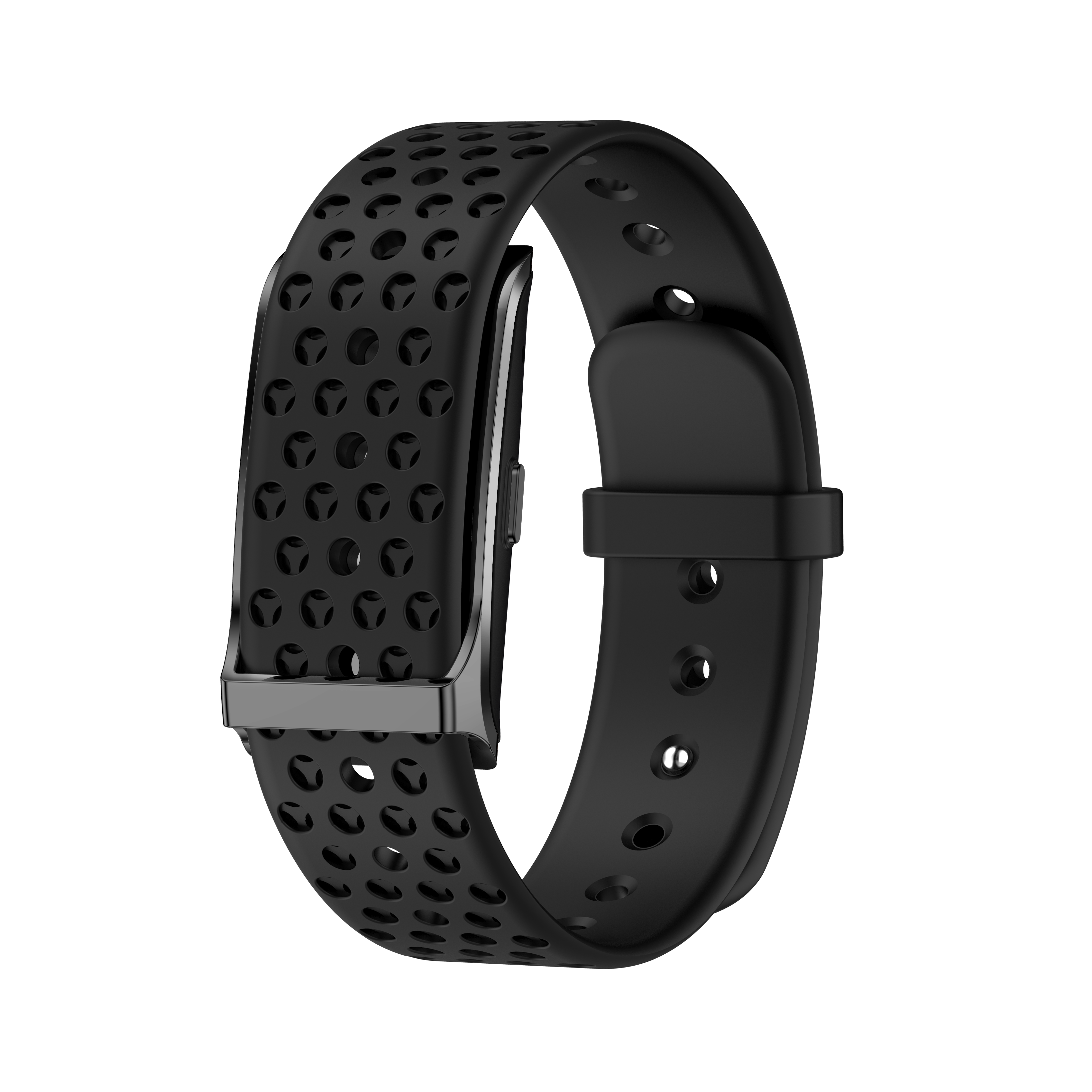
H59 Smart Connected Watch for Ladies & Men Screenless Sleep Monitor
- Screenless Ultra-Low Power Architecture
- Continuous SpO2 & Sleep Phase Analysis
- Waterproof Sport Ergonomics
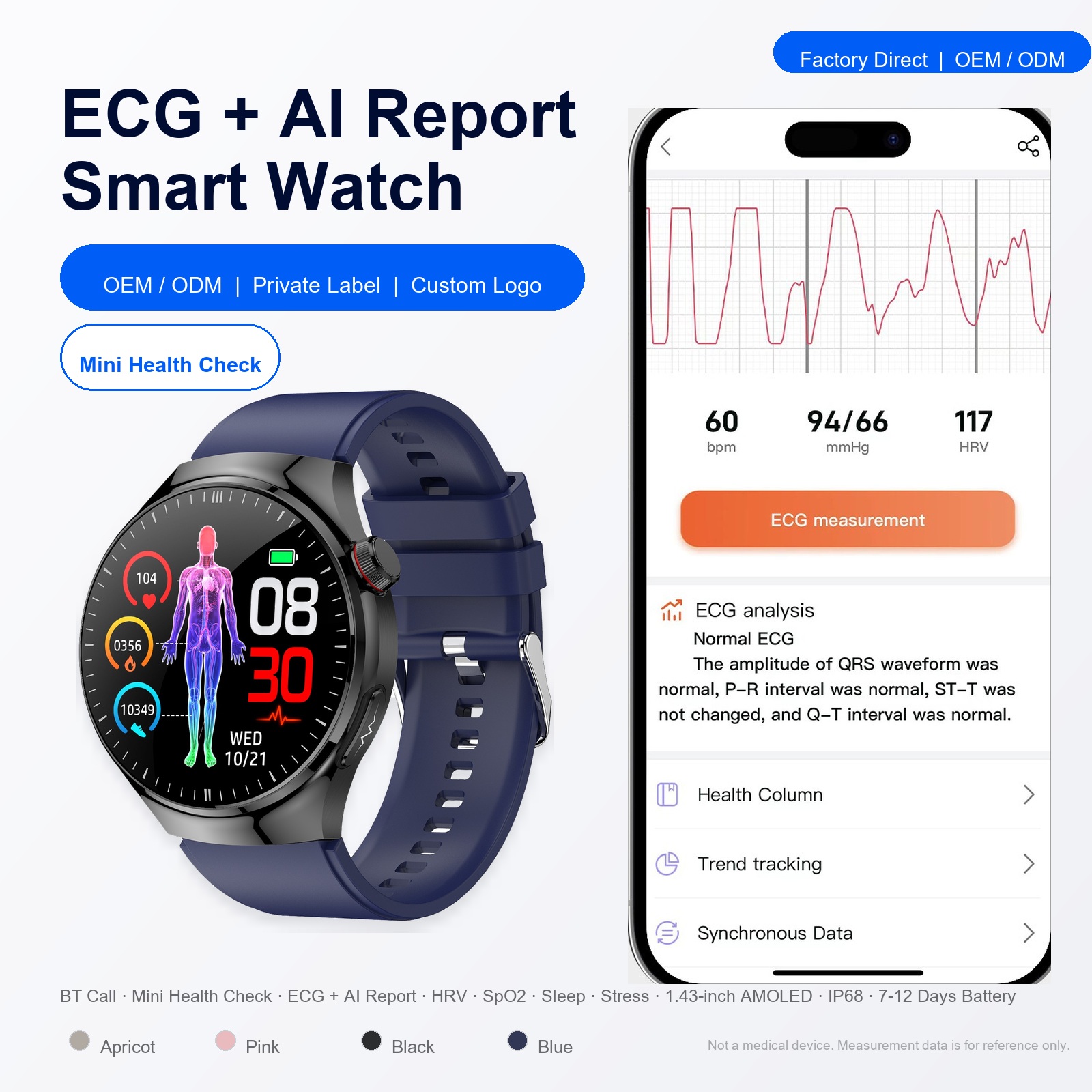
TK26P 1.43 Inch AMOLED Smart Watch ECG HRV Blood Oxygen Monitor
- Clinical-Grade Single-Lead ECG & HRV
- High-Nits Ultra-Vivid AMOLED Display
- IP68 Submersion-Proof Construction
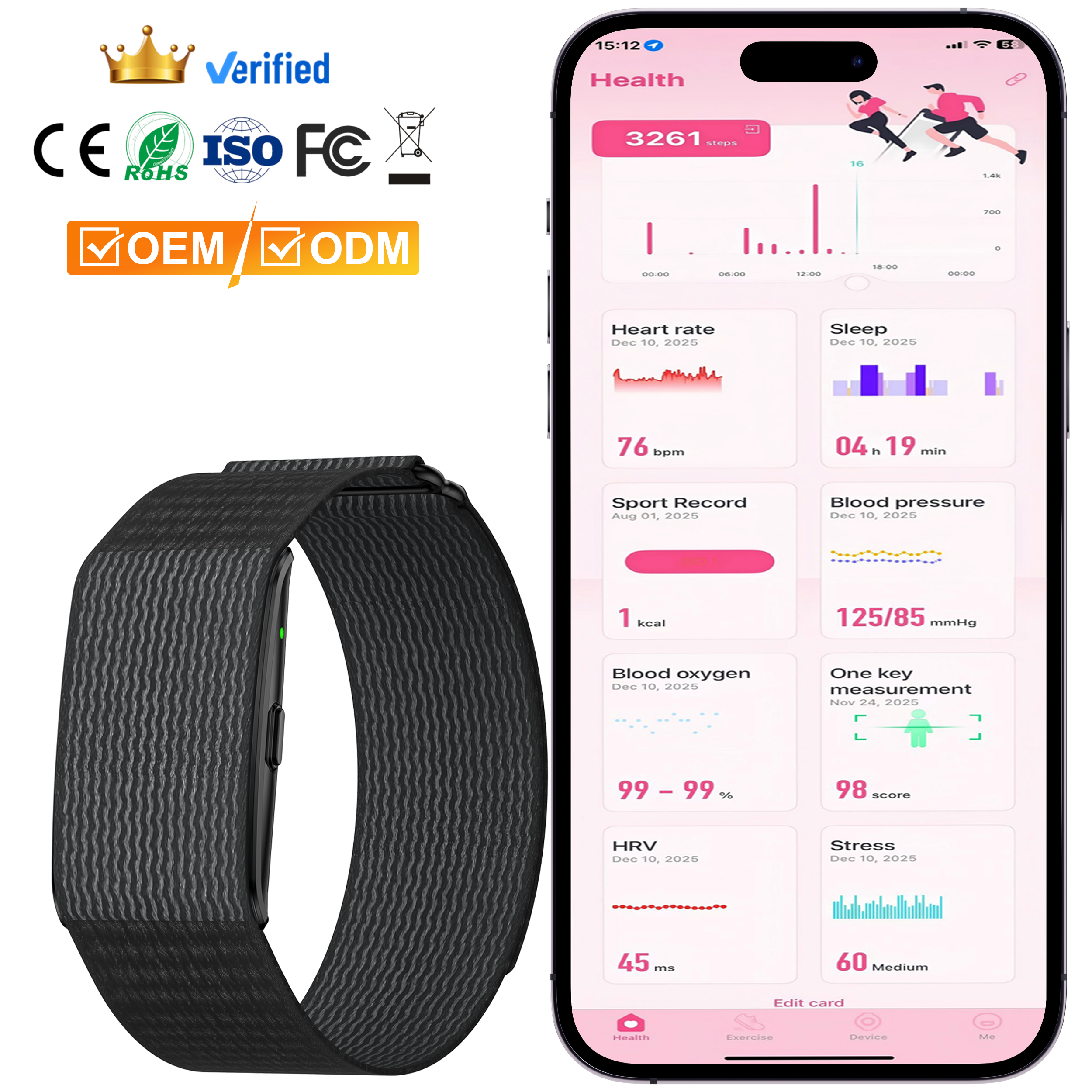
H59Pro Smart Band NRF54L15 BT6.0 24H HR SpO2 Activity Tracker
- Next-Gen Nordic Semi NRF54L15 Chipset
- Bluetooth 6.0 BLE Ultra-Low Power
- 30-Day Heavy Usage Standby Cycle
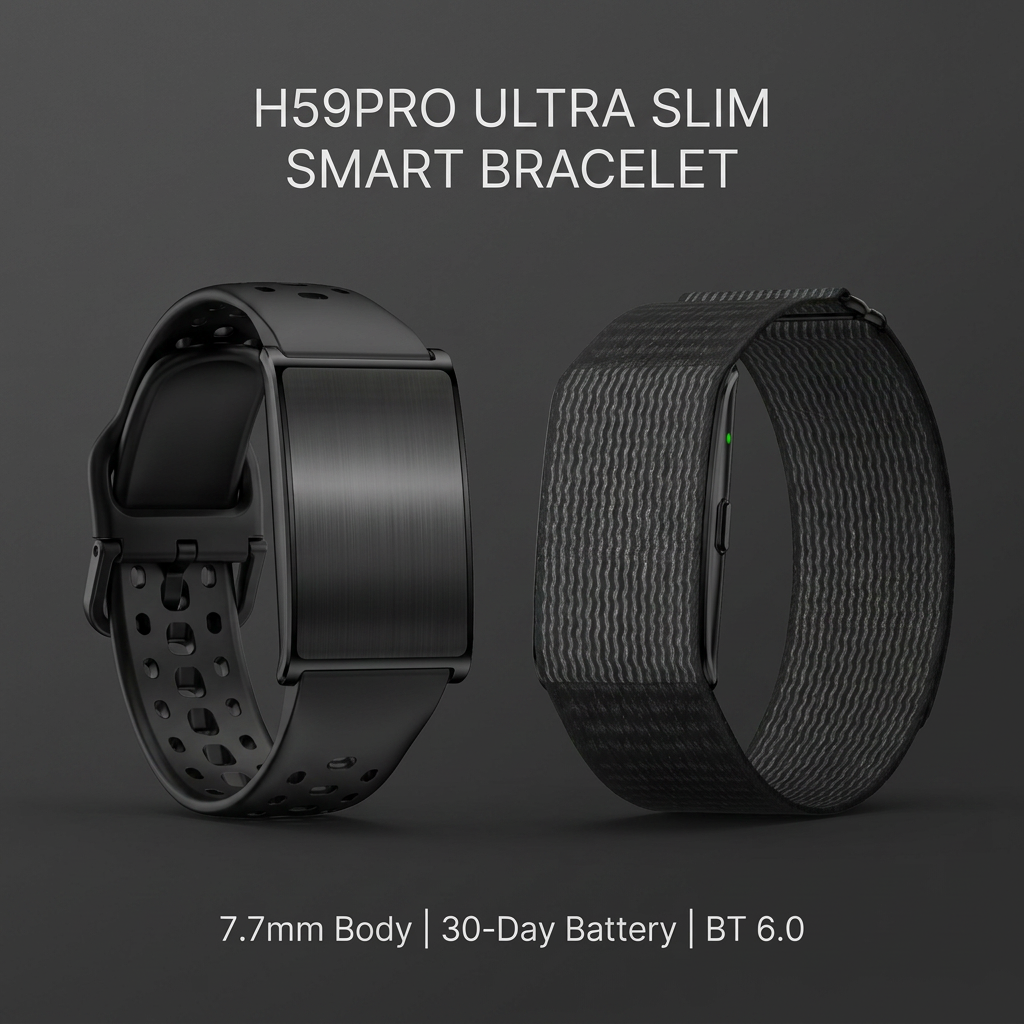
H59 Pro Screenless Smart Wristband HRV Stress Monitoring
- Autonomic Nervous System Stress Tracking
- Lightweight Ergonomic Medical Elastomer
- Complete SDK/API Customization Stack
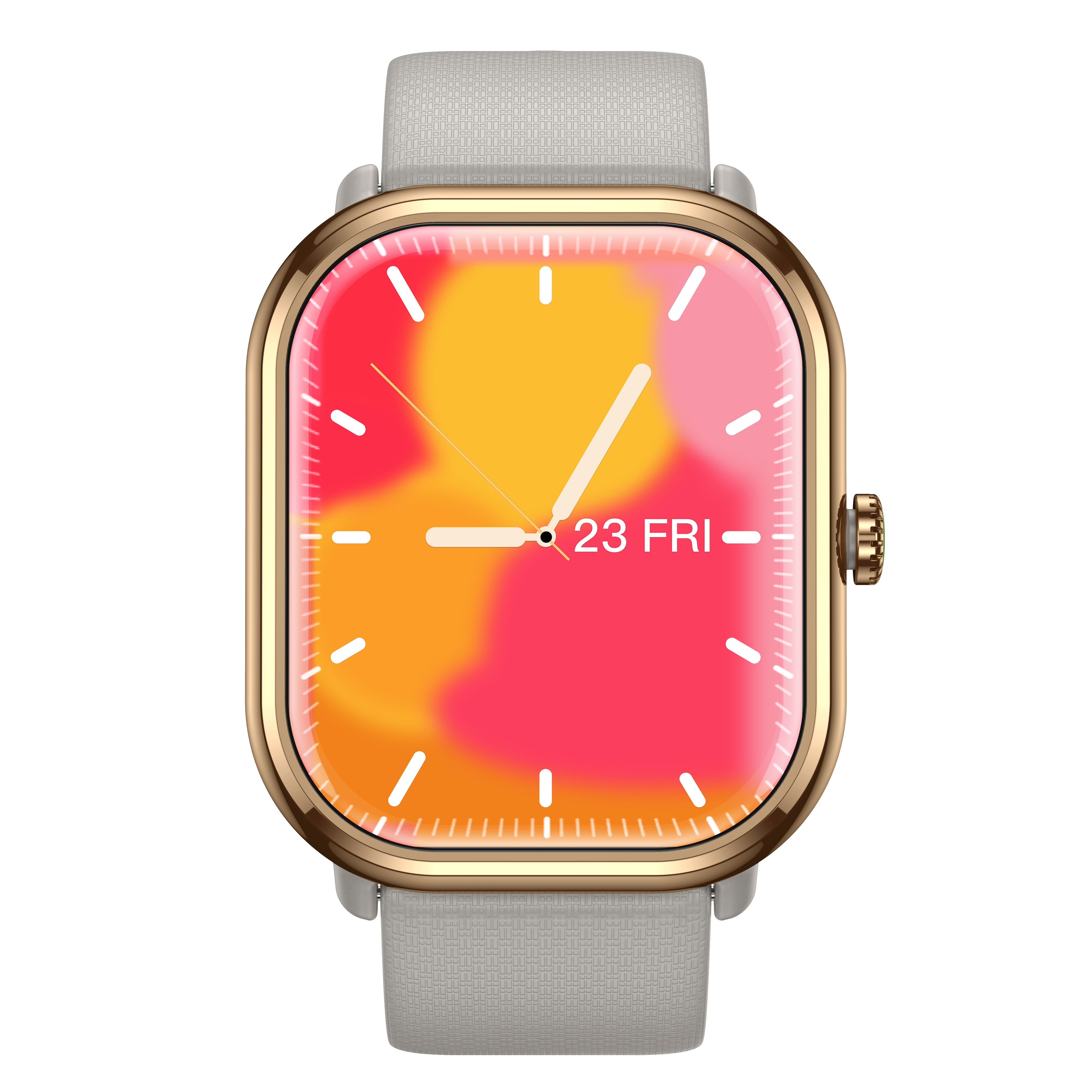
P101S Full Touch Screen Fitness Tracker Heart Rate Monitor
- Multi-Axis Acceleration Dynamic Sensor
- High Sensitivity Dynamic Pulse PPG
- Universal iOS & Android Interoperability
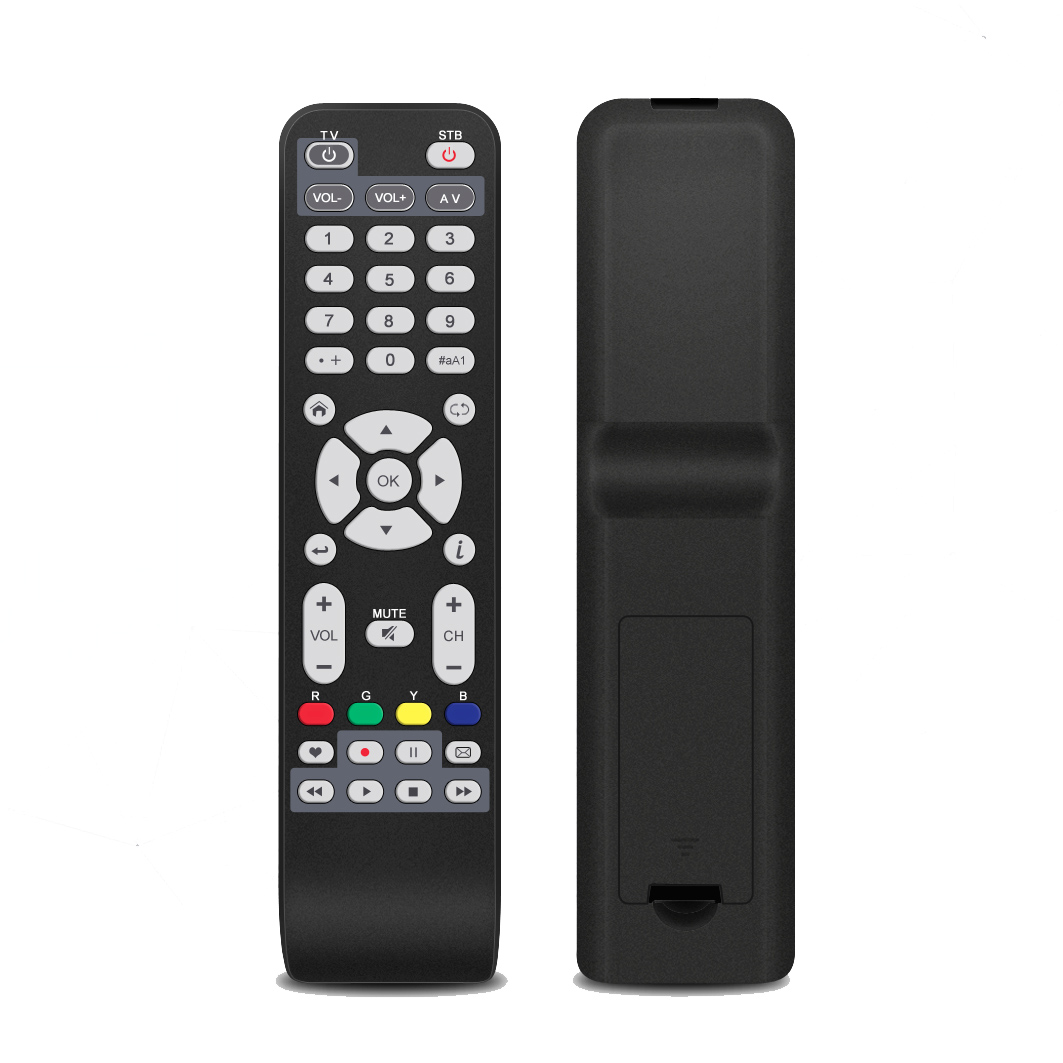
Universal Smart Control Peripheral OEM IR Precision Transceiver
- Smart IoT Home Hub Integration Hardware
- Ultra-Low Quiescent Leakage Current
- Full Tooling & Mold Customization Service
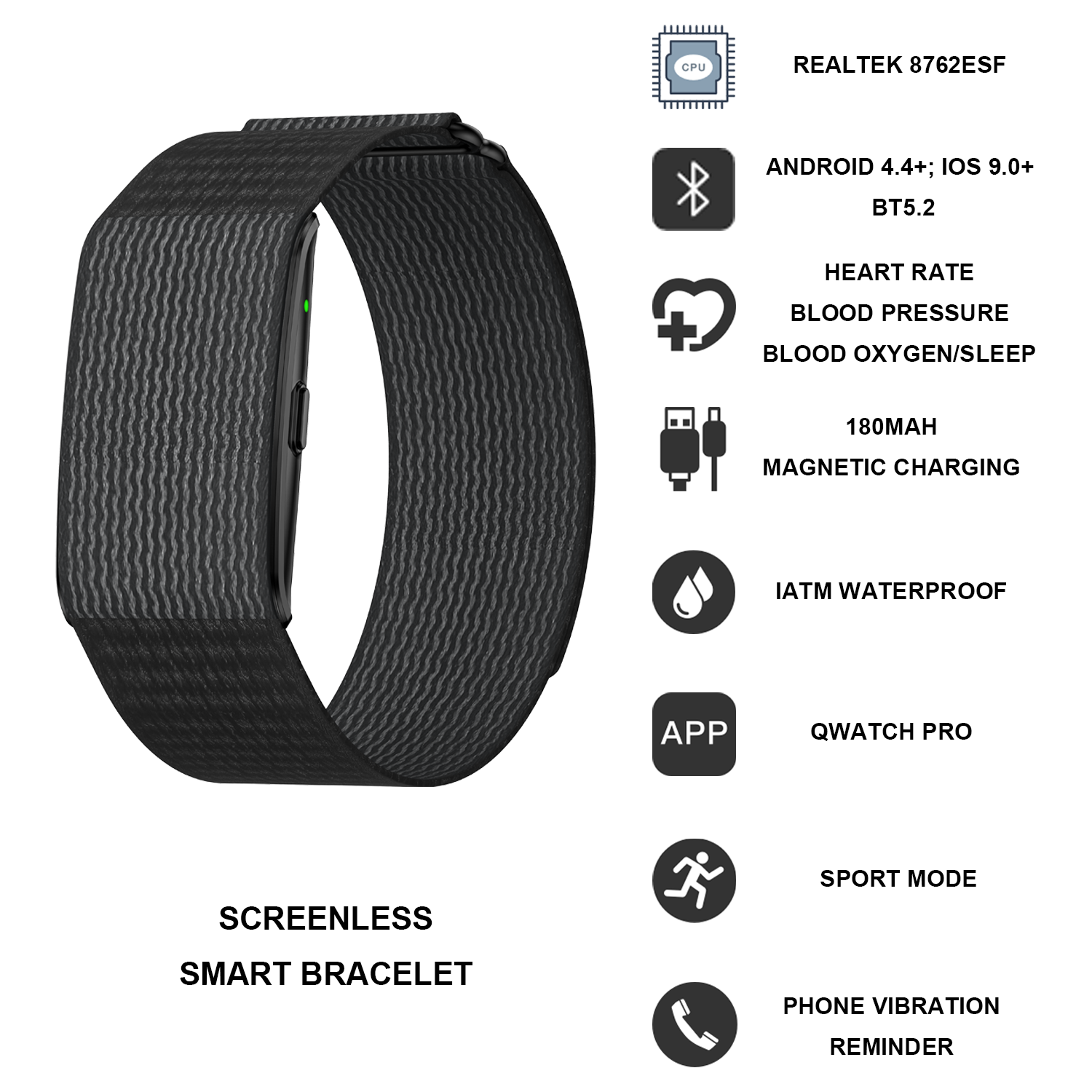
H59MAX AI Health Report Smart Band 50 Days Standby Tracker
- Cloud-Trained AI Biometric Scoring Engine
- 50 Days Extreme Standby Li-Polymer Cell
- IP68 Marine-Grade Atmospheric Enclosure
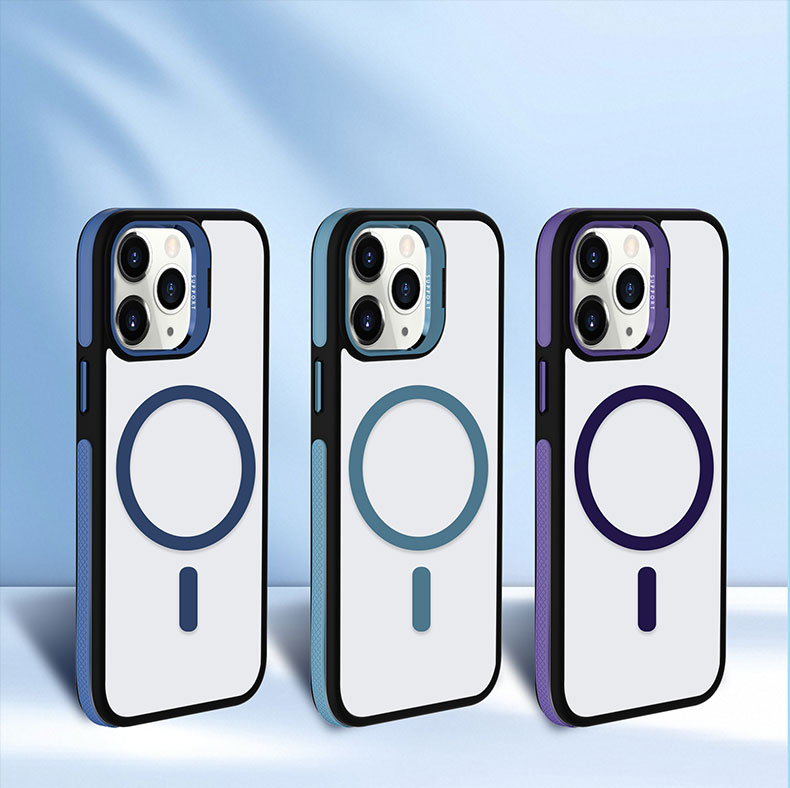
Precision CNC Metal Hybrid Magnetic Device Enclosure Frame
- Aero-Grade CNC Anodized Aluminum Alloy
- Integrated High-Gauss Rare Earth Magnetics
- Shock-Absorbent Thermal Dissipation Mold
The Oslo Landscape: Decoding Biometric Search Intent & Market Dynamics
In recent years, the Norwegian capital of Oslo has emerged as one of Europe’s premier hubs for preventative digital health, biohacking communities, and clean-tech wearable adoption. Unlike broad consumer electronic sectors, the smart ring and screenless micro-wearable market in Norway is dictated by unique cultural, environmental, and technological paradigms. Norwegian consumers demonstrate an exceptionally high purchasing power combined with an outdoor-centric lifestyle centered around "Friluftsliv" (open-air living), cross-country skiing, and mountaineering.
Activity tracking rings engineered for Oslo must endure stringent operating environments: temperatures plunging to -20°C in winter, continuous exposure to moisture and snow, and prolonged seasonal periods where indoor wellness and sleep recovery indices become paramount. Sourcing directly from an established China manufacturer requires moving beyond generic OEM options to choose factory partners who comprehend GDPR compliance, Norwegian Medical Agency standards, and extreme cold-climate lithium battery stability.
Sub-Zero Battery Chemistry
Standard lithium polymer button cells undergo severe voltage drop-offs when exposed to Oslo winters. Brainox implements low-temperature electrolytes ensuring consistent power curves down to -25°C without premature sensor shutdown.
Strict GDPR & Cloud Security
Norwegian health-tech integrators demand isolated BLE payload encryption (AES-128/256). We facilitate direct firmware-to-app telemetry pipelines where data ownership remains exclusively on local Norwegian or EU cloud servers.
Friluftsliv Ergonomics
Sleek, screenless form factors prevent interface distractions while skiing, cycling, or working. Ceramic inner shells and titanium PVD coatings resist glove abrasion, pole grip pressure, and saltwater oxidation in the Oslofjord.
Circadian Recovery Metrics
Due to high latitude daylight swings (polar night in winter to midnight sun in summer), our algorithmic firmware integrates circadian rhythm tracking, body temperature drift, and HRV analysis tuned for Nordic light variations.
Dongguan Brainox Manufacturing Infrastructure: Engineering Superiority
Headquartered in the national Songshan Lake High-Tech Park in Dongguan, Brainox bridges the gap between academic R&D and commercial mass fabrication. Our specialized micro-wearable assembly infrastructure allows global enterprise buyers in Oslo to bypass unverified trading brokers and deal straight with the engineering source.
19-Step Certified Quality Laboratory
Every activity tracking ring and micro-band passes through an in-house laboratory equipped with 15 advanced instruments: high-pressure salt spray testers, thermal cycling chambers (-40°C to +85°C), high-pot testers, automated button-life robots, and multi-axis drop tumblers.
Custom ODM Tooling & Sizing Matrix
Smart ring commercial success depends on ring sizing precision. We provide complete physical sizing kits, custom injection tooling for medical-grade resin inner shells, and precision vacuum deposition (PVD) finishes in titanium grey, matte black, champagne gold, and rose gold.
Next-Gen Micro-Architecture
By leveraging leading Nordic Semiconductor NRF54 and low-power BLE 6.0 chipsets, we compress multi-wavelength PPG arrays (green, red, infrared), 3-axis precision accelerometers, and optical skin temperature sensors into a 2.5mm ring thickness profile.
Whether your procurement strategy involves white-labeling our proven turnkey hardware with minor brand packaging customizations or undertaking custom architectural PCB layouts with proprietary machine-learning wellness algorithms, Brainox operates under an open-architecture OEM/ODM engagement model.
Frequently Asked Questions by Oslo & Nordic Importers
Crucial commercial, regulatory, and logistics answers for enterprise sourcing directors in Norway.
Q1: How does Brainox ensure compliance with CE-RED and RoHS for entry into Norway?
Although Norway is outside the EU, it strictly enforces European single-market directives through the EEA Agreement. Brainox provides full CE (Radio Equipment Directive 2014/53/EU), RoHS 2.0 hazardous substance certification, and REACH chemical reports authenticated by notified laboratories (such as SGS and TÜV) for customs clearance at Gardermoen Cargo Terminal.
Q2: Can the activity tracking rings withstand sauna exposure and cold fjord swimming?
Yes. Our rings are built with vacuum-sealed structural epoxy bonding and rated to 5ATM/IP68 standards. Units undergo real-time pressure cycling and thermal shock testing simulating high-temperature sauna transitions followed by ice-water immersion, safeguarding the optical glass interface and battery from condensation.
Q3: What is the recommended strategy for end-consumer ring sizing in Norway?
Nordic ring demographics tend toward larger median circumference measurements compared to Asian or South American cohorts. Brainox offers custom-branded, low-cost plastic sizing sample kits (US Sizes 6–13) that brands send to Norwegian customers before dispatching the final electronic hardware, reducing e-commerce return rates to under 2.3%.
Q4: How does Brainox protect intellectual property when developing proprietary health algorithms?
We work under strict bilingual non-disclosure agreements (NDAs). Buyers can supply their own pre-compiled firmware hex binaries, or our software engineers can expose clean raw photoplethysmography (PPG) and accelerometer data via well-documented BLE GATT services, ensuring your proprietary biomarkers remain your intellectual asset.
Q5: What are the typical Incoterms, lead times, and shipping routes to Oslo?
We routinely supply goods via DDP (Delivered Duty Paid), DAP, or FOB Shenzhen/Hong Kong. Express air shipments to Oslo Airport (OSL) typically take 4–7 business days via certified lithium battery couriers (UN38.3 & MSDS certified), while standard sea freight to Oslo Port takes approximately 28–35 days for bulk retail rollouts.
Q6: What is the Minimum Order Quantity (MOQ) for custom brand engraving and packaging?
For custom laser logo engraving on the ring interior and customized retail gift box packaging, our standard MOQ starts at just 500–1,000 units. For off-the-shelf samples or pilot trial runs with standard neutral packaging, we can support evaluation batches starting from 50–100 units.