Precision Health Wearables & OEM Product Portfolio
Engineered for high biometric accuracy, seamless companion application pairing, long endurance, and rapid private-label deployment across North American commercial channels.
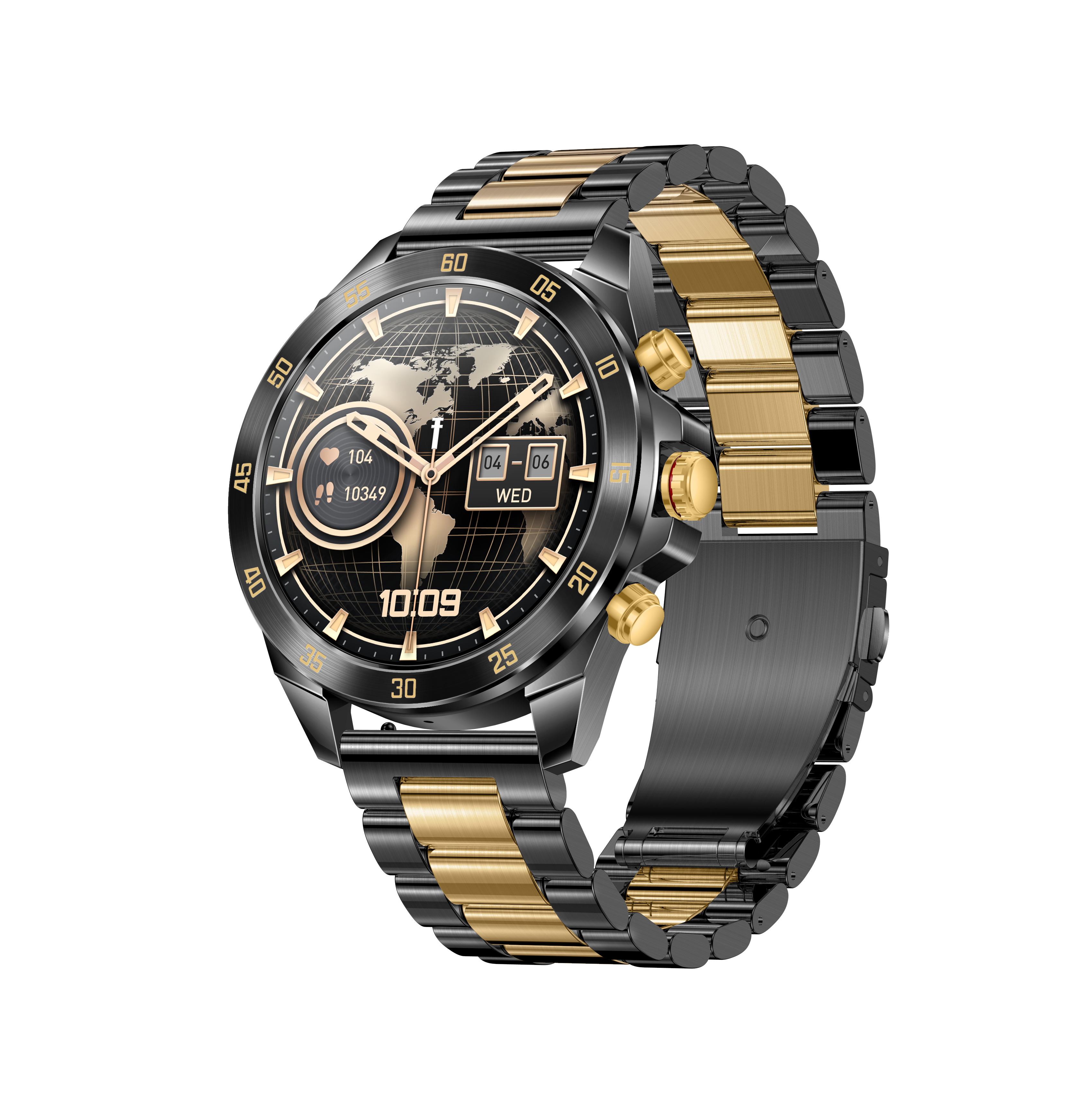
NX16 Fashion Smart Watch New Model Heart Rate Monitor Stainless Steel Band AMOLED Screen IP68
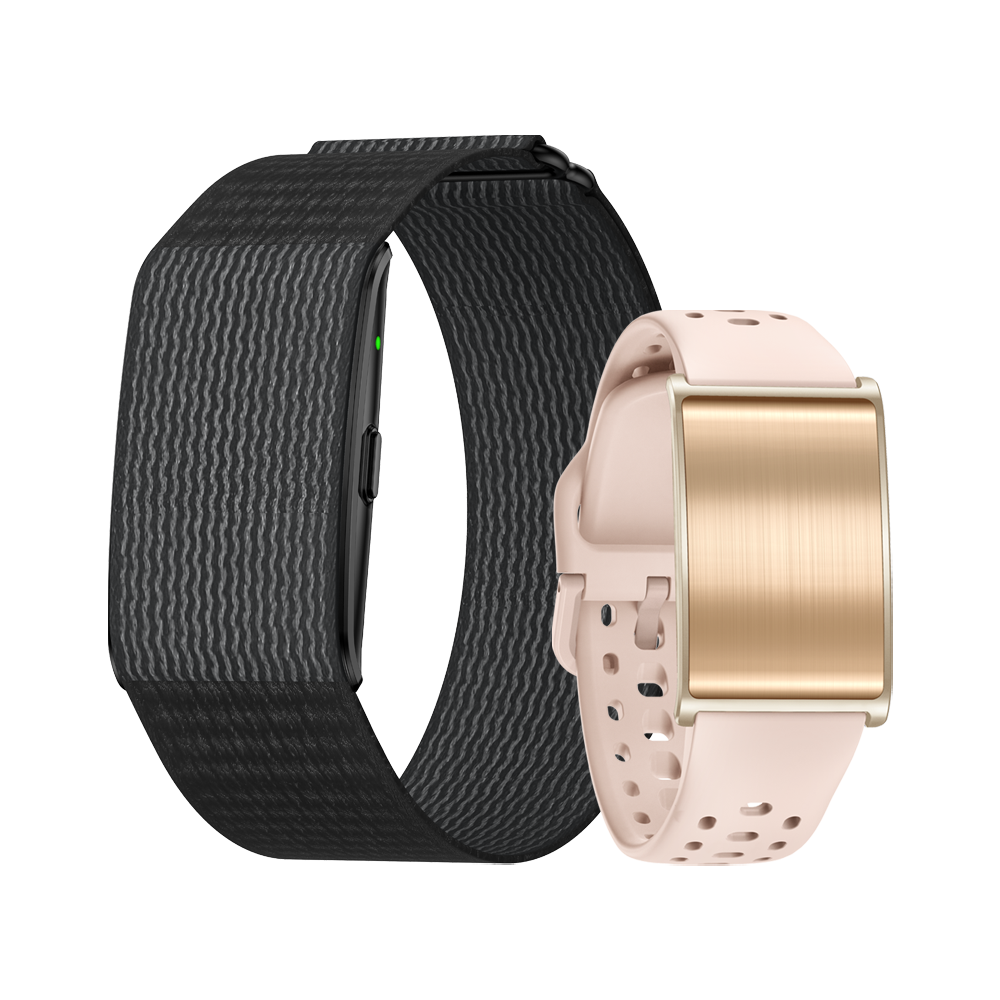
H59 MAX No Screen Smart Band GPS Running Ai Health Report HRV Monitor BT Call Smart Bracelets
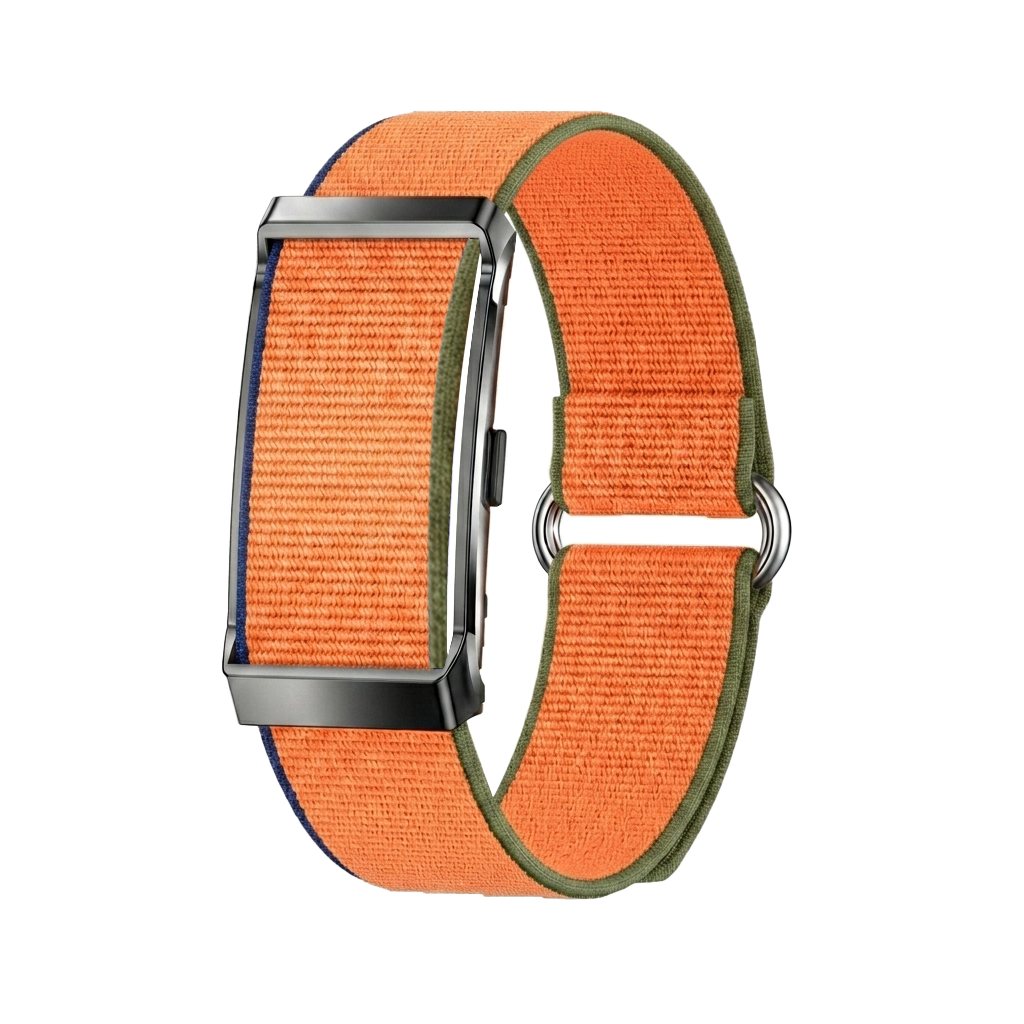
DS07 Screenless Smart Fitness Tracker Band Body Temperature Blood Oxygen BT5.2 170 Sports Modes
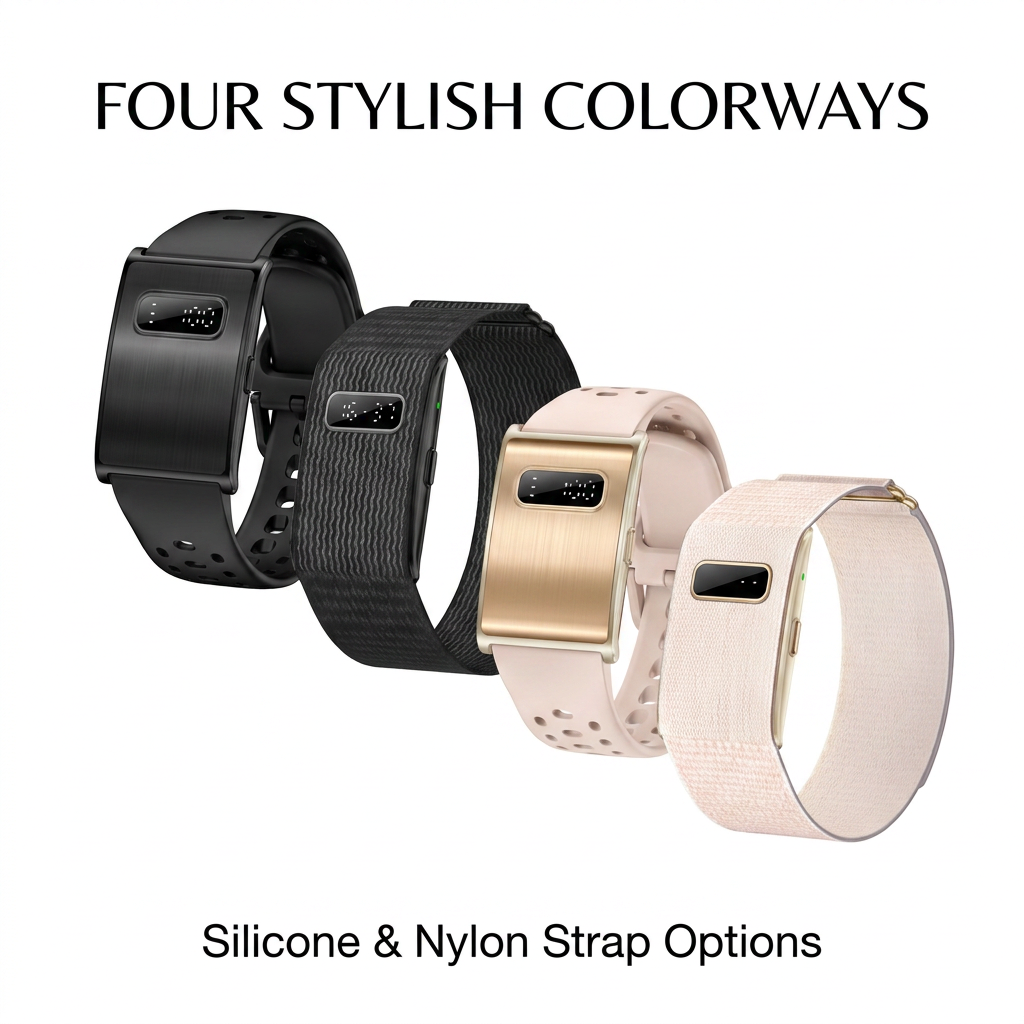
OEM Custom Logo 100 Days Standby AI Health Report IP68 Waterproof Heart Rate Monitor Smart Watch
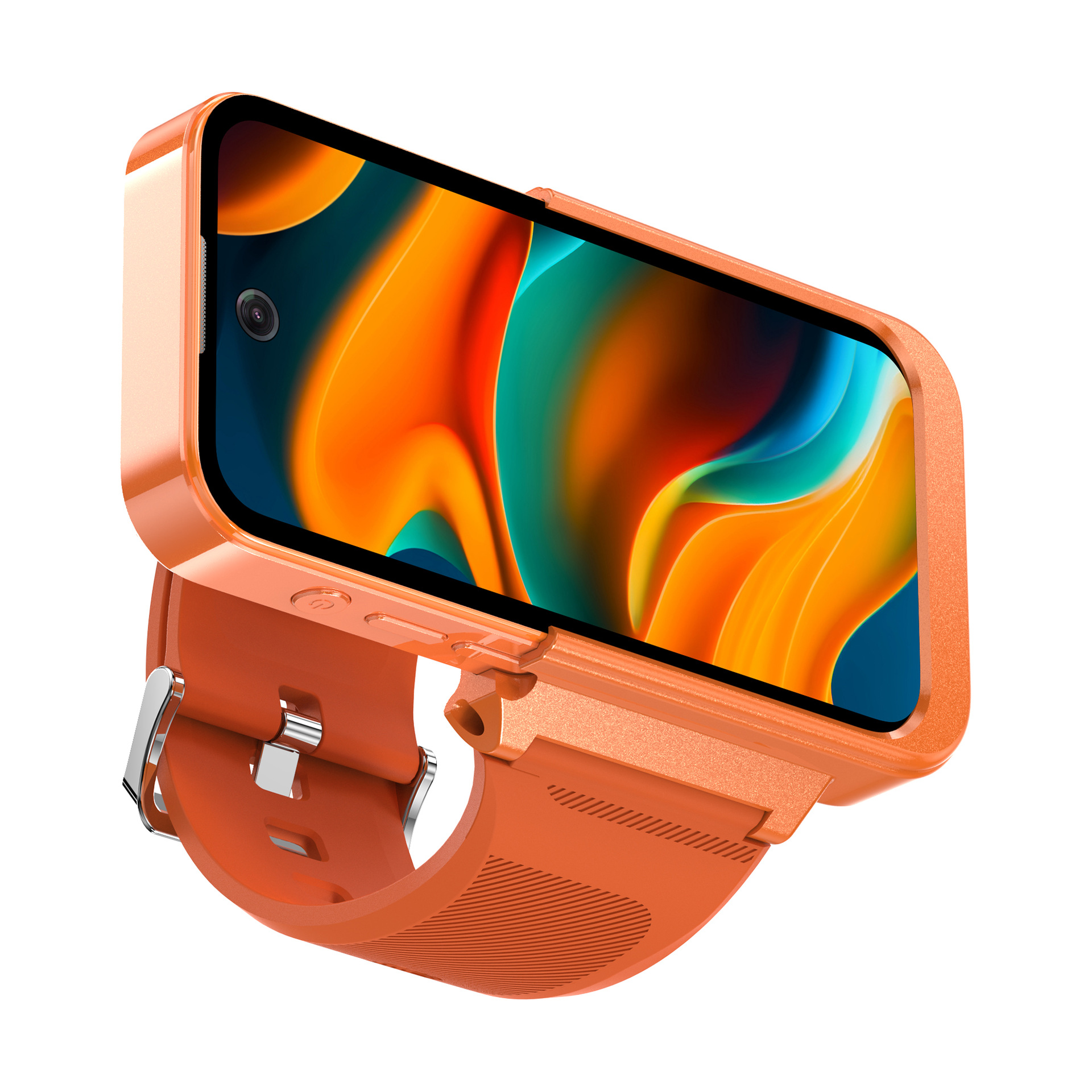
PG999 Mini Smart Watch Phone Android 12 3.97 Inch 4G Dual Nano SIM 64GB Octa Core 1700mAh GPS
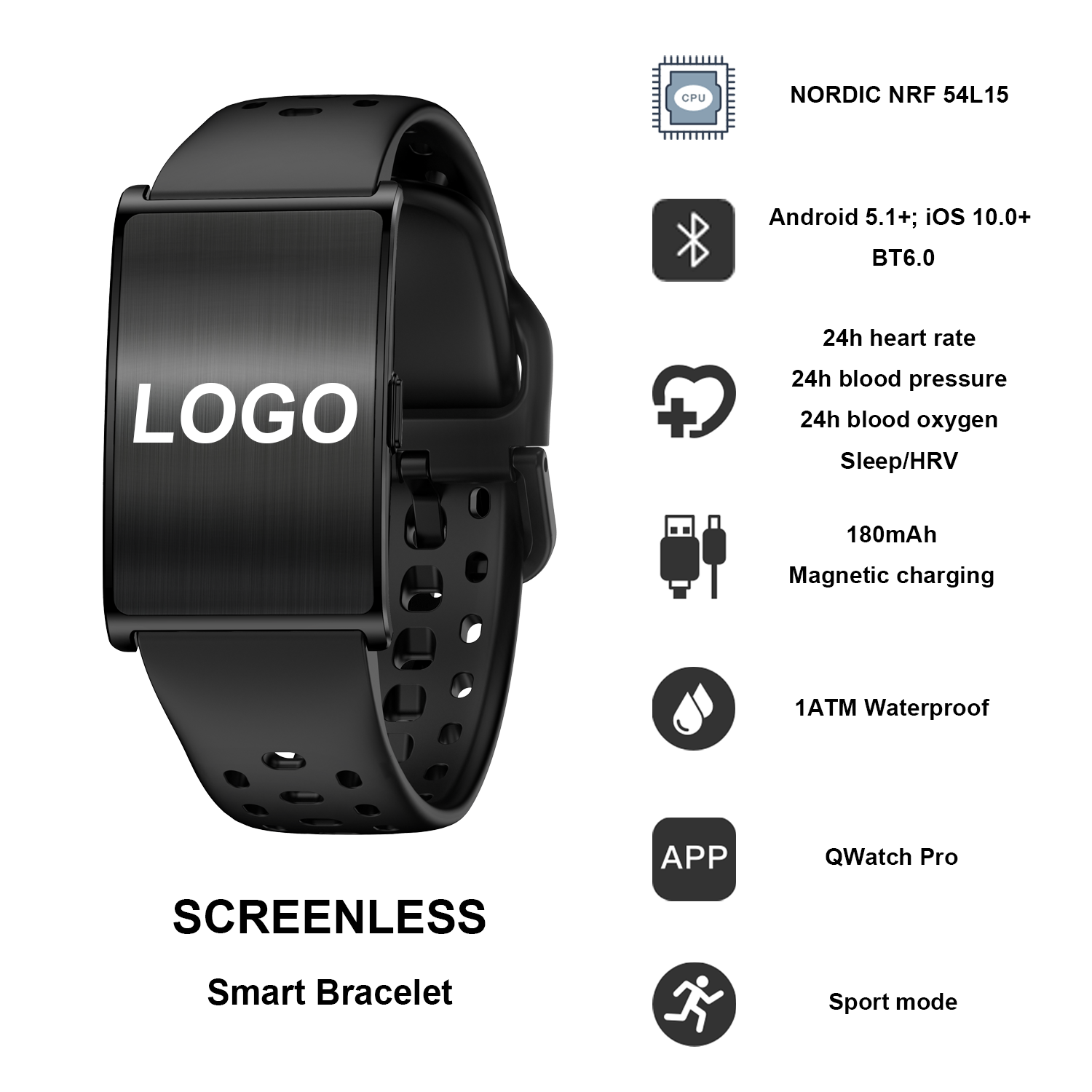
H59Pro Smart Band Activity Sleep Tracker No Screen Heart Rate Variability HRV Blood Oxygen Monitor
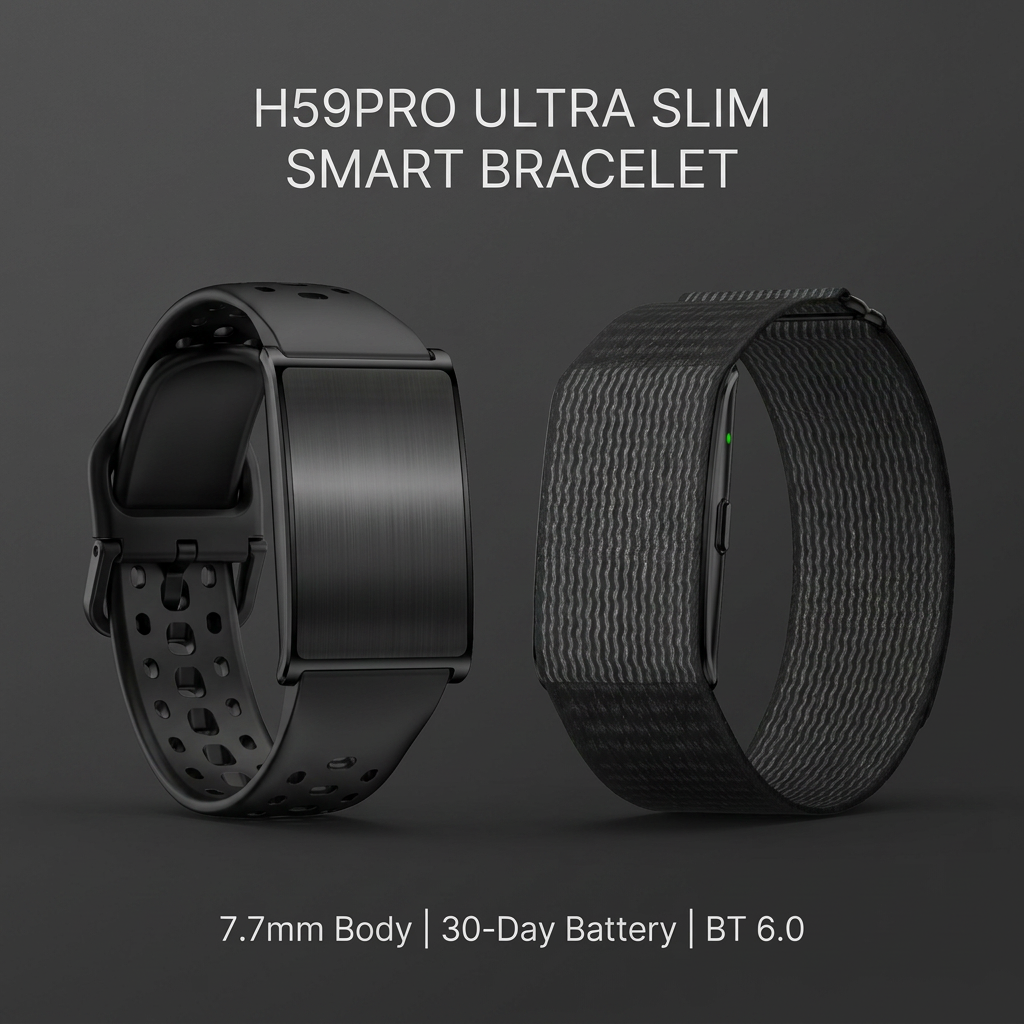
H59 Pro Custom OEM ODM Screenless Smart Bracelet Fitness Tracker Blood Oxygen HRV Stress Monitoring
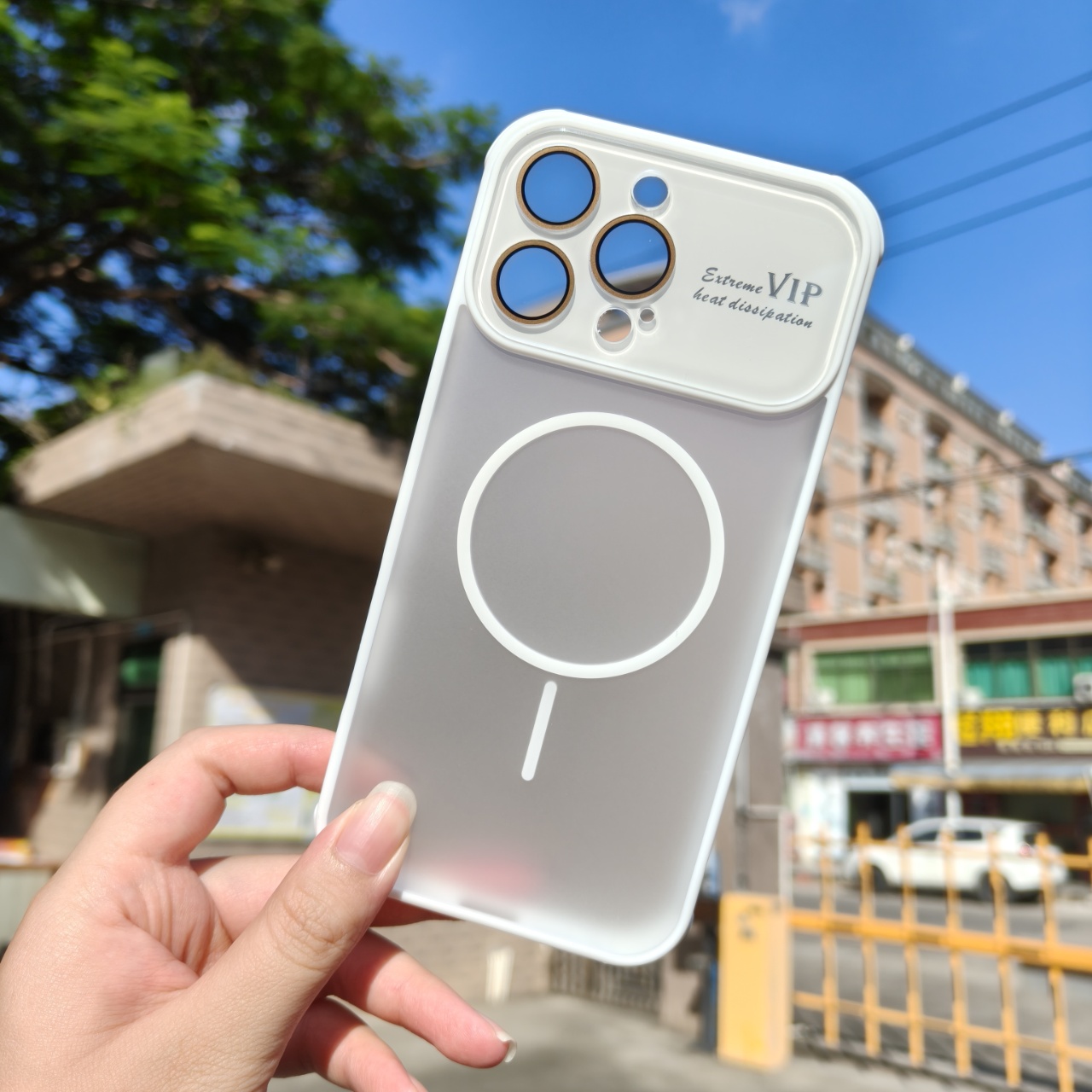
360° All Round Heat Dissipation Transparent Magnetic Anti Drop Acrylic Phone Case for iPhone 15 16 17 Pro Max
Navigating the United States Smart Health Monitoring Ecosystem
The health wearable landscape in the United States is undergoing a fundamental structural transition. Driven by surging decentralization in healthcare delivery, the broad adoption of Centers for Medicare & Medicaid Services (CMS) reimbursable Remote Patient Monitoring (RPM) frameworks, and consumer migration toward preventative health longevity, U.S. commercial importers, brands, and institutional healthcare integrators require manufacturing partners capable of delivering far more than aesthetic consumer electronics.
Dongguan Brainox Technology Co., Ltd. serves as an authoritative, SGS on-site verified OEM/ODM development engine and exporter located in the core Songshan Lake technology corridor in Dongguan, China. Brainox bridges the engineering gap between precision hardware manufacturing and stringent North American market compliance, providing robust medical-adjacent biometric sensing, certified wireless radio architectures (including multi-carrier 4G LTE-M with VoLTE), and open API/SDK data transmission infrastructures tailored to HIPAA-compliant cloud hosting.
Key Insight for U.S. Importers: Consumer expectation in the United States has shifted from episodic step counting toward continuous autonomic nervous system surveillance. Wearables offering continuous Heart Rate Variability (HRV), photoplethysmography (PPG) pulse transit time, skin temperature derivation, and oscillometric micro-air-pump blood pressure tracking command higher margins and sustain long-term SaaS subscription retention.
Key Application Scenarios in the U.S. Domestic Market
To successfully market wearable devices in the United States, hardware capabilities must align precisely with specific domestic economic, regulatory, and reimbursement infrastructures. Brainox designs hardware configurations specifically calibrated for the following critical U.S. market sectors:
1. CMS Remote Patient Monitoring (RPM)
Under CMS CPT Codes 99453 (device setup/patient education), 99454 (monthly transmission of physiological data for 16+ days), and 99457/99458 (clinical clinical management time), healthcare practices require seamless physiological tracking. Standalone 4G cellular models like our PG999 and GS500 transmit resting heart rate, blood pressure, and pulse oximetry directly to electronic health record (EHR) databases without requiring senior patients to navigate complex smartphone Wi-Fi or Bluetooth pairing routines.
2. Senior Independent Living & Fall Detection
Assisted living communities, Continuing Care Retirement Communities (CCRCs), and Medicare Advantage health maintenance organizations (HMOs) leverage our 4G LTE senior safety watches (such as the H01C and H04G). Featuring multi-modal localization (GPS + LBS + Wi-Fi triangulation), integrated 3-axis/6-axis accelerometer fall-detection algorithms, and hardware SOS emergency push-buttons, these devices reduce hospital readmissions and operational response times across U.S. eldercare facilities.
3. Corporate Wellness & Health Insurance Incentives
U.S. employers and health insurance underwriters (such as UnitedHealthcare, Humana, and Aetna wellness programs) incentivize employee biometric tracking to reduce collective risk pools. Our screenless tracker bands—specifically the H59 MAX, DS07, and H59 Pro—deliver continuous 24/7 autonomic HRV, sleep phase telemetry (light, deep, REM), and recovery metrics. The distraction-free screenless form factor prevents corporate workplace interference while providing massive 45-to-100-day battery cycles.
Emerging Technology Trends Reshaping U.S. Wearable Procurement
For brand owners, wholesale distributors, and venture-backed health technology startups planning hardware inventory cycles, navigating macroeconomic and technical trends is critical to preventing inventory obsolescence. The following trajectories represent core demand drivers across North America:
Trend A: The Ascendance of "Screenless" Recovery Wearables
Pioneered in the U.S. by athletic and longevity leaders such as WHOOP and Oura, consumer resistance to constant digital screen notifications has catalyzed immense demand for minimalist screenless bands. Devices such as the Brainox H59 Pro and DS07 satisfy this design imperative. By redirecting power away from high-draw displays toward continuous multi-wavelength PPG arrays and low-noise skin temperature thermistors, these form factors achieve frictionless 24/7 wearability, critical for gathering uncorrupted longitudinal sleep and recovery datasets.
Trend B: Inflatable Cuff Oscillometric Blood Pressure Monitoring
While standard consumer smartwatches rely solely on optical Pulse Wave Analysis (PWA) to calculate surrogate blood pressure estimates—which are highly sensitive to skin tone variation and vascular stiffness—U.S. clinical markets demand oscillometric accuracy. Brainox leads the ODM engineering sector with the TK65 and GS500 micro-pump series. These wristbands feature an integrated micro-diaphragm air pump and dual-layer inflatable silicone cuff inside the strap, duplicating traditional arm-cuff sphygmomanometer physical measurement directly on the radial artery.
Trend C: AI-Synthesized Longitudinal Biometric Reporting
Raw biometric data dumps cause cognitive fatigue among consumers. The modern U.S. consumer expects intelligent, synthesized guidance. Brainox's companion firmware and customizable white-label applications now integrate automated AI baseline algorithms. These interpret daily changes in RMSSD (Root Mean Square of Successive Differences) and SDNN cardiac intervals to deliver clear, actionable "Daily Strain," "Autonomic Recovery," and "Sleep Efficiency" indexes.
Cross-Category Hardware Architecture Comparison Matrix
Selecting the optimal device family depends heavily on power budget constraints, carrier network deployment, target user ergonomics, and certification scope. Review our comparative engineering matrix:
| Device Family | Core Sensor Stack | Connectivity | Power Architecture | U.S. Target Sector | Sourcing Recommendation |
|---|---|---|---|---|---|
| Screenless Recovery Band (e.g., H59 MAX, DS07) |
Dual-wavelength PPG, NTC Thermistor, 3-Axis Accelerometer | BLE 5.2 / 5.0 Low Energy | Polymer Li-ion; 45 to 100 days standby; low passive drain | Athletic Longevity, Corporate Wellness, Sleep Optimization | Ideal for monthly SaaS subscription models; lowest RMA return rate. |
| AMOLED Smart Watch (e.g., NX16, T92) |
Continuous PPG, Blood Oxygen SpO2, Accelerometer | Dual-mode Bluetooth 5.3 + Audio BT Call | High-density cell; 5-10 days normal operation; magnetic pin dock | D2C E-Commerce, Retail Chains, Active Lifestyle | Opt for stainless steel bezels to maximize perceived retail consumer value. |
| Micro-Air-Pump BP Watch (e.g., TK65, GS500) |
Piezoelectric Micro Air Pump, Pressure Sensor, Single-lead ECG | BLE 5.0 + Optional 4G LTE Cellular Module | High-discharge Li-ion; 3-5 days continuous active testing | Preventative Cardiovascular, Pharmacy Retail, Senior Home Care | Ensure user instructional manual clearly illustrates correct wrist-level elevation. |
| 4G Standalone Watch Phone (e.g., PG999, H01C) |
Multi-GNSS (GPS/Glonass/Beidou), PPG, Optical Heart Rate | 4G LTE (B2/B4/B5/B12/B13/B66), VoLTE, Wi-Fi 2.4/5GHz | Ultra-capacity 1700mAh cell; 24-48 hours active cellular operation | CMS Remote Monitoring, Alzheimer's Wandering Prevention, Telehealth | Request specific US PTCRB carrier band configuration prior to final tooling run. |
Enterprise Advantages of Dongguan Brainox Technology Co., Ltd.
Headquartered in Songshan Lake, Dongguan—the world's most dense cluster for microelectronic assembly, precision mold fabrication, and lithium polymer battery engineering—Brainox provides unmatched production capabilities for North American B2B buyers.
SGS On-Site Audited
Our facilities, testing benches, capital equipment, and export operations are verified on-site by SGS Group, assuring legitimate corporate solvency and compliance.
15 Testing Instruments
Our dedicated reliability laboratory operates specialized programmable climate chambers, ESD static guns, simulated transport vibration benches, and salt-spray booths.
19 Rigorous QC Gates
From IQC component grading (including battery batch impedance screening) to 100% pneumatic air-tightness waterproofing checks, every unit is documented.
4-Tier Customization
Scale from Tier-1 Minor OEM (custom silkscreen logo, packaging, boot logo) to Tier-4 Full ODM (bespoke housing tooling, PCBA sensor integration, white-label app SDK).
Detailed 19-Step In-House Quality Assurance Architecture
Unlike trading entities that outsource quality inspection, Brainox subjects every production lot to our documented 19-step QA protocol:
01. IQC Component Verification: Incoming displays, OLED panels, optical lenses, and mainboards undergo 100% cosmetic and signal bench audits.
02. Bluetooth RF Protocol Stability: RF spectrum analyzer validation testing pairing response times and connection stability across Android and Apple iOS operating systems.
03. Waterproof Pressure Testing: Sealed cases are subjected to vacuum and positive air pressure chambers calibrated to strict IP67, IP68, and 1ATM/3ATM tolerances.
04. Electronic Aging Cycle: Complete assembled electronics run dynamic continuous operational burn-in cycles for 48 to 72 hours to eliminate infant mortality failures.
05. Simulated Freight Vibration: Multi-axis vibration machines recreate long-haul maritime container and transcontinental U.S. freight truck vibrations on packaged cartons.
06. Drum Impact Drop Verification: Continuous mechanical tumbling drums validate internal structural screw rigidity, adhesive bonding, and solder-joint integrity.
07. Salt Spray Corrosion Chamber: Metallic casings, buckle hardware, and POGO-pin charging terminals endure 24-to-48-hour neutral salt spray to ensure sweat and maritime air resistance.
08. Programmable Thermal/Humidity Chambers: Devices cycle across temperature extremes from -20°C to +60°C with 95% relative humidity to prevent internal lens condensation.
09. High-Temperature Battery Safeguard: Active surveillance testing battery expansion and thermal cutoff switch safety in high ambient operating environments.
10. Packaging Drop Integrity: Finished consumer packaging is subjected to 6-corner, 3-edge calibrated free-fall drops simulating parcel courier transit.
11. Hydrostatic Bucket Immersion: Physical prolonged deep-water immersion tanks confirm total acoustic membrane and button gasket sealing.
12. Dielectric Hi-Pot Safety: High-voltage breakdown insulation checks protect circuits against power line transients during wall charging.
13. ESD Immunity Testing: High-voltage static discharge guns (contact ±4kV, air ±8kV) verify electrostatic discharge immunity during dry winter wear in U.S. interior climates.
14. Battery Capacity & Impedance Grading: Automated multi-channel battery dividers sort cells, discarding any with high internal resistance or capacity variances above 1.5%.
15. Mechanical Service Fatigue: Robotized cycle testers bend straps, torque lugs, and engage magnetic buckles through 5,000+ mechanical repetitions.
16. Surface Hardness & Coating Scratch: Diamond-stylus and pencil-hardness testers ensure screen glass and PVD color coatings resist everyday abrasions.
17. Physical Button Life Automation: Pneumatic actuators actuate power crowns and physical SOS keys across 100,000 continuous cycles.
18. Automated Multi-Unit Aging Racks: Real-time automated data logging monitors charge/discharge voltage curves across thousands of concurrent batch units.
19. Air-Tightness Leak Rate Certification: Quantitative differential-pressure testers measure minute helium/air leakage down to 0.1 Pa to verify hermetic casing integrity.
Frequently Asked Questions for United States Wearable Procurement
Clear, legally grounded answers addressing the top regulatory, financial, and logistical concerns faced by U.S. corporate buyers:
How do Brainox wearables navigate FDA 510(k) clearances vs. General Wellness policy?
In the United States, wearable devices fall under distinct regulatory classifications dictated by the FDA Center for Devices and Radiological Health (CDRH). Under the FDA's published guidance "General Wellness: Policy for Low Risk Devices," consumer wearables that monitor heart rate, sleep architecture, fitness exertion, and general wellness trends without claiming to diagnose, treat, mitigate, or cure specific cardiovascular pathologies (such as acute atrial fibrillation or arterial hypertension) do not require Premarket Notification 510(k) clearance.
For U.S. clients seeking medical device status under Class II (such as clinical-grade single-lead ECG or prescription diagnostic RPM devices), Brainox acts as an engineering manufacturing partner providing complete Design History Files (DHF), biocompatibility testing data (ISO 10993 for skin contact materials), and software documentation to facilitate our clients' FDA 510(k) submission processes.
What FCC certifications are required for importing into the United States?
All radio frequency devices marketed in the United States must comply with the Federal Communications Commission (FCC) Title 47 Part 15 regulations. Bluetooth-only wearables (such as our screenless bands and AMOLED fashion models) operate under FCC Part 15C (Intentional Radiators, 2.4 GHz ISM band) and requires Specific Absorption Rate (SAR) radio frequency exposure evaluation.
For standalone cellular wearables (such as our 4G watch phones), the device must hold certification under FCC Part 22/24/27 for licensed cellular transmissions and comply with carrier-level PTCRB (PCS Type Certification Review Board) standards to access AT&T, Verizon, and T-Mobile networks. Brainox assists buyers with modular pre-certified cellular chipsets or coordinates complete end-product FCC laboratory testing.
How do we integrate biometric data into our own HIPAA-compliant cloud ecosystem?
Data privacy is paramount in the U.S. healthcare sector. Brainox provides two distinct firmware/software integration pathways for private-label clients:
Option 1 (White-Label App SDK): We provide fully rebrandable iOS and Android native codebases. We can configure data routing to bypass third-party Asian server nodes entirely, transmitting encrypted AES-256 payload packets directly to your designated AWS, Azure, or Google Cloud HIPAA-compliant server endpoints located in North America.
Option 2 (Direct Bluetooth Low Energy GATT Services): For enterprise software firms with existing proprietary mobile apps, we supply complete BLE GATT profile specifications, communication protocols, and cryptographic handshakes. This enables your development team to connect directly to the hardware without utilizing our application layer at all.
What Harmonized Tariff Schedule (HTS) codes apply, and what are Section 301 tariffs?
Smartwatches and wearable fitness devices imported from China into the United States generally classify under HTS Code 8517.62.00.50 (Machines for the reception, conversion and transmission or regeneration of voice, images or other data, including switching and routing apparatus). These devices are typically subject to standard Most Favored Nation (MFN) duty rates alongside supplemental tariffs under U.S. Section 301 Trade Action.
Brainox works alongside premier international freight forwarding partners to provide full Delivered Duty Paid (DDP) door-to-door air and sea freight logistics directly to your U.S. warehouse or third-party logistics (3PL) fulfillment hubs, managing U.S. Customs and Border Protection (CBP) declarations transparently.
What are the minimum order quantities (MOQ) and lead times for custom OEM/ODM projects?
To enable flexible market validation for emerging brands, our MOQ structure is tiered based on customization depth:
• Minor OEM Customization (Logo laser engraving, customized packaging, startup boot animation): MOQ begins at 500 to 1,000 units. Production lead time is approximately 15 to 20 business days.
• Deep Firmware & App Rebranding: MOQ typically begins at 1,000 to 2,000 units, accommodating complete UI language adaptation and server integration.
• Full Custom ODM Tooling (Bespoke industrial casing, unique strap molds, custom PCBA design): MOQ starts at 3,000 to 5,000 units with tooling fabrication timelines of 35 to 45 calendar days, followed by golden sample sign-off and mass production.
Ready to Engineer Your Private-Label Wearable Line?
Connect directly with Brainox's bilingual engineering and international trade specialists in Songshan Lake, Dongguan. Let us review your technical specification brief, compliance prerequisites, and delivery schedule for the U.S. market.
Send an Inquiry