High-Performance OEM/ODM Smartwatch & Telemetry Portfolio
Engineered for private-label deployment across the United Kingdom. Featuring medical oscillometric air pumps, Nordic NRF54 RF stacks, standalone Android OS, and enterprise companion interfaces.
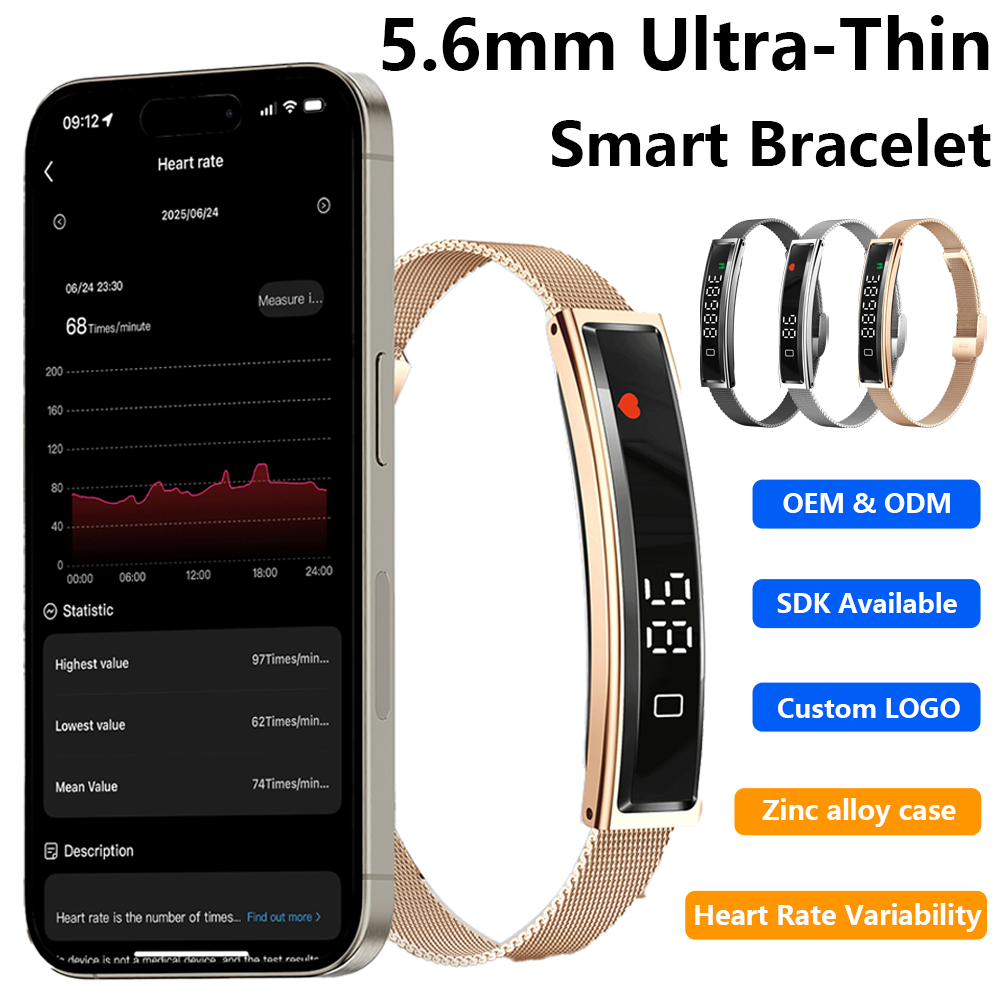
B3 Ultra-Thin 5.6mm Smart Bracelet Female Cycle & SpO2 Band
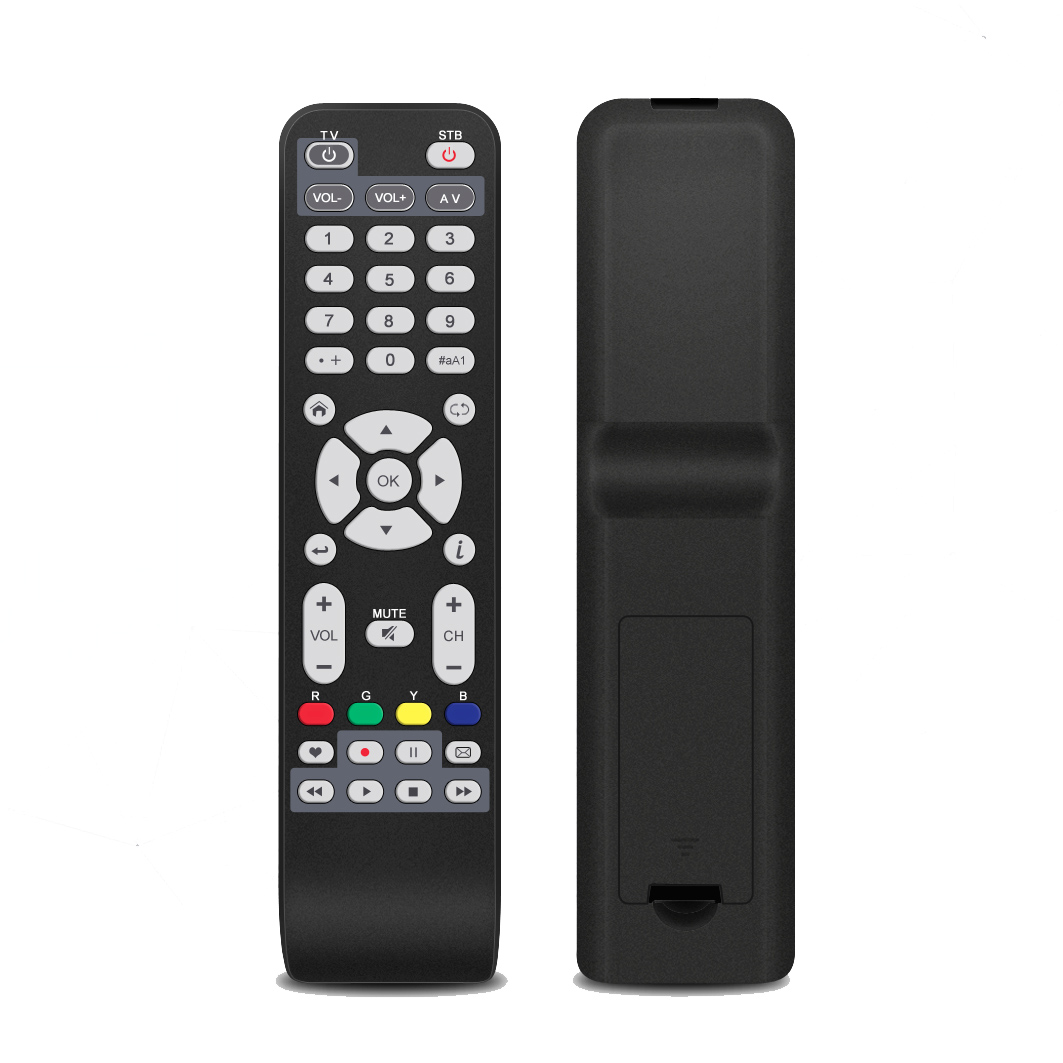
Custom Universal 43-Key Infrared TV Box & Smart Controller
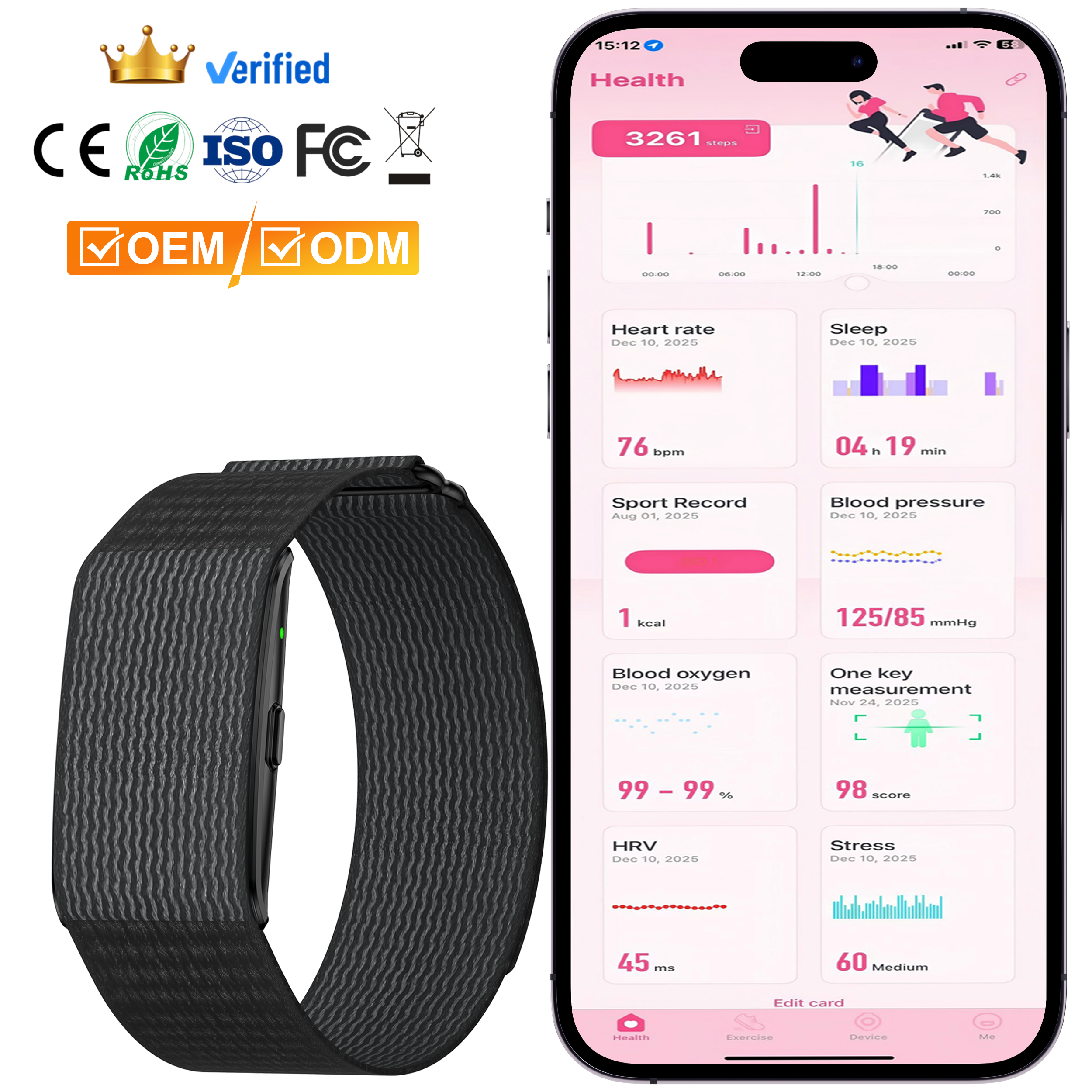
H59Pro Nordic NRF54L15 BT6.0 Long-Standby Smart Band
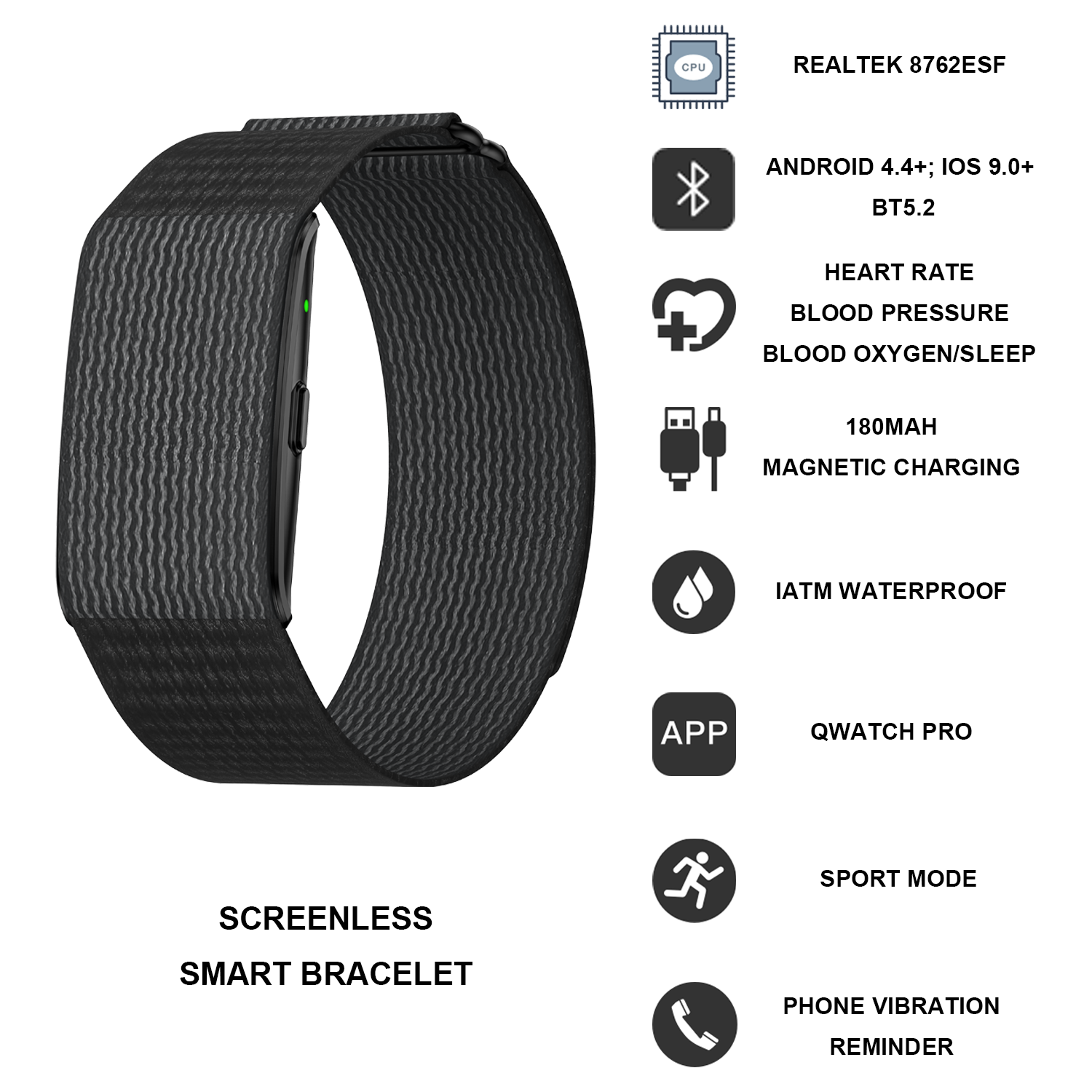
H59MAX AI Health Diagnostics Band 50 Days Standby Tracker
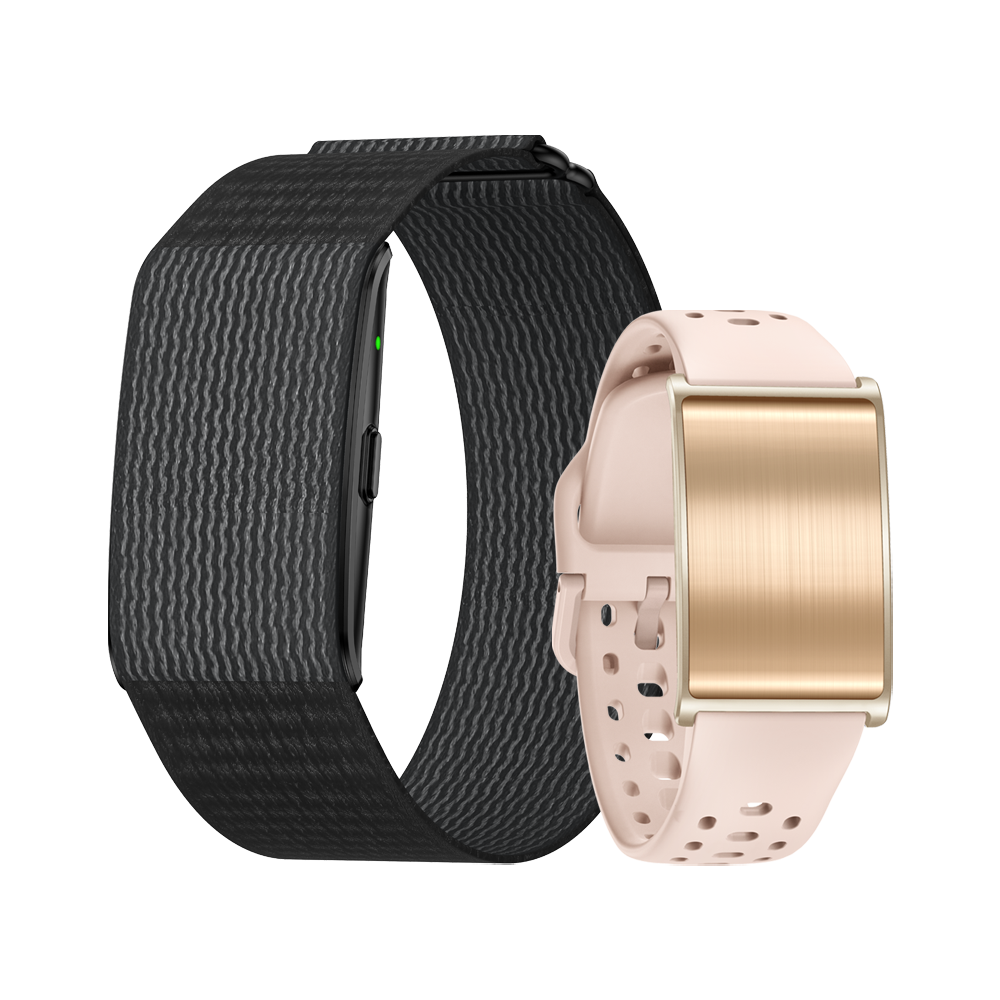
H59 MAX Screenless GPS & Autonomous HRV Monitor Band
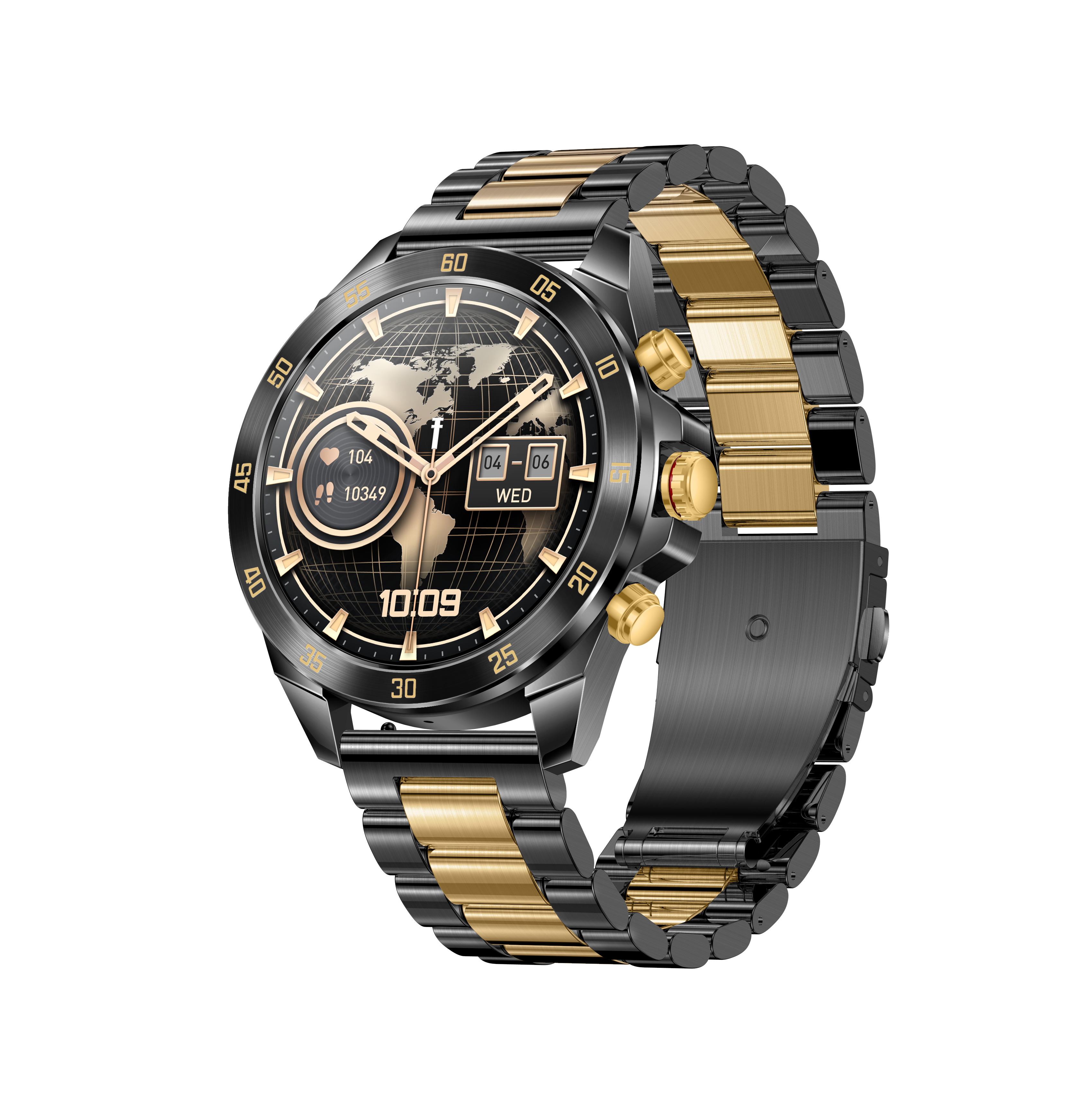
NX16 High-Definition AMOLED Fashion Smartwatch IP68
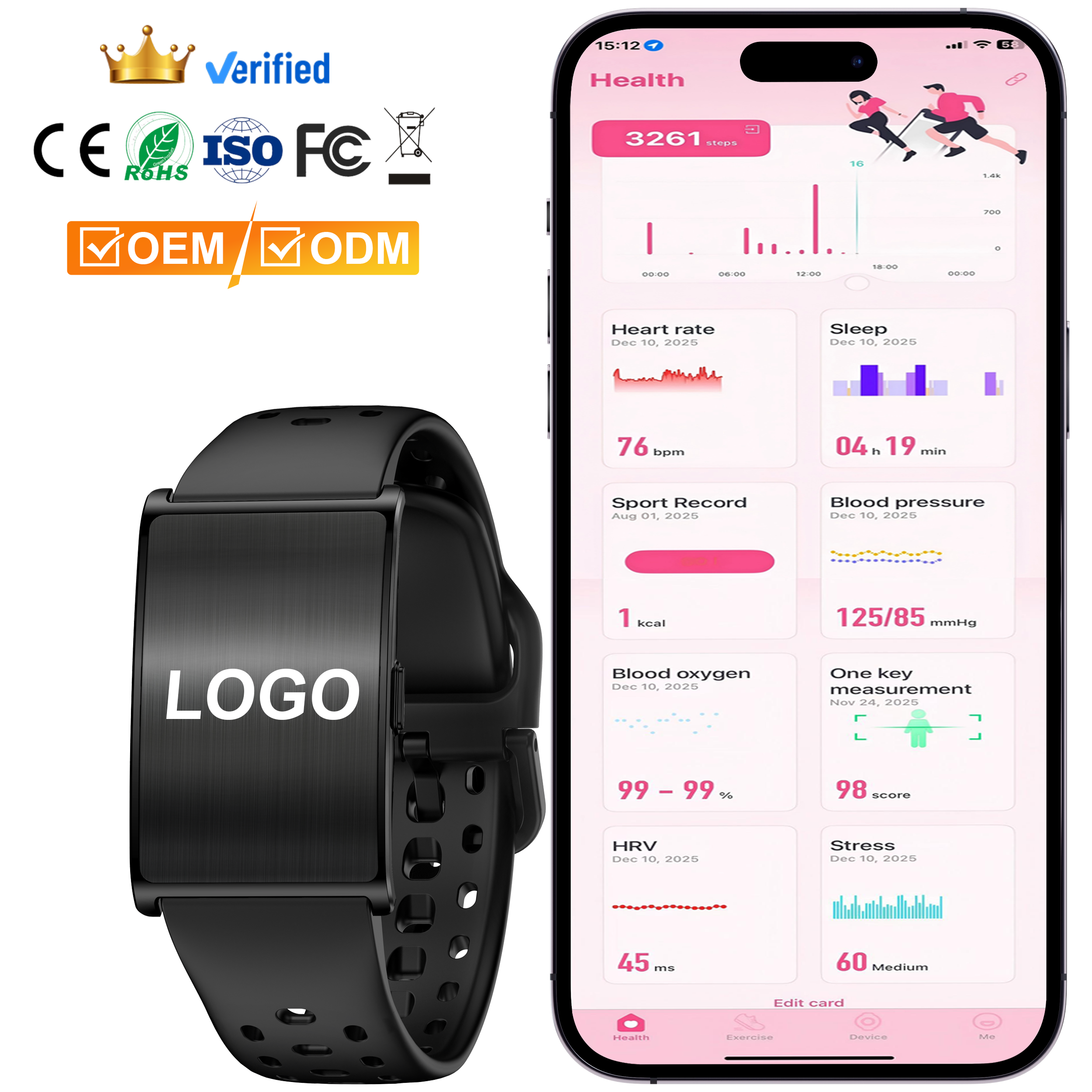
H59Pro Pure Telemetry Activity Tracker Without Display
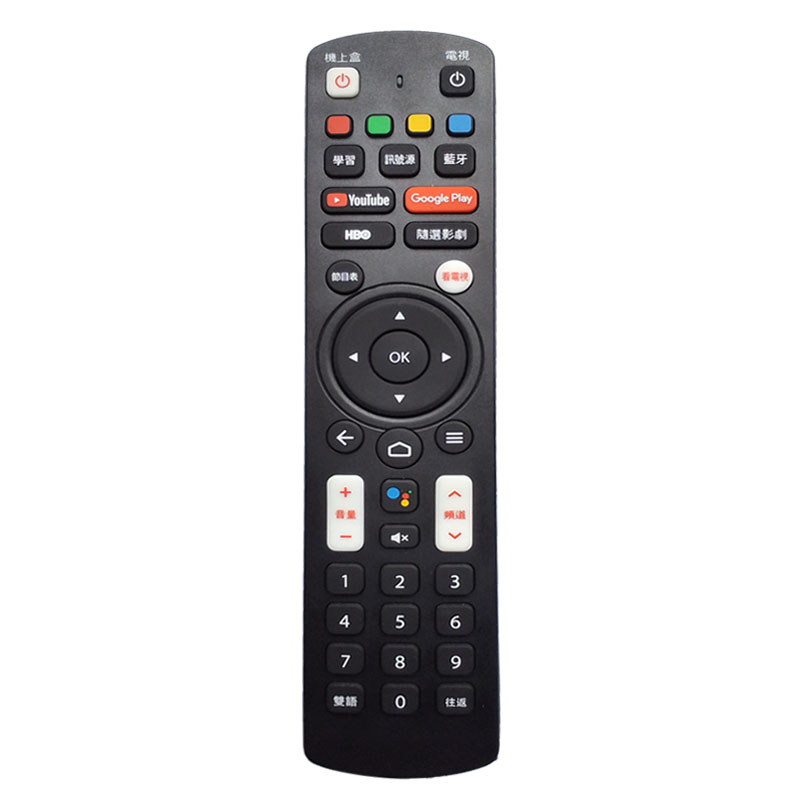
Customized 41-Key Programmable Smart TV Remote Control
Strategic OEM/ODM Manufacturing for Liverpool & the North West
Analyzing the Convergence of High-Density Manufacturing Hubs with Liverpool's Booming Life Sciences, Port Logistics, and Digital Health Corridors.
The procurement requirements for connected electronics within the United Kingdom have transformed significantly. In metropolitan Liverpool, Merseyside, and the broader North West England economic corridor, the demand for smart wearable hardware has moved beyond generic consumer fitness gadgets toward specialized, purpose-built enterprise telematics devices. Enterprise buyers, regional system integrators, municipal healthcare contractors, and technology startups require original design manufacturing (ODM) partners capable of delivering custom Android Board Support Packages (BSP), specialized firmware security layers, and calibrated physiological sensor arrays that integrate into localized UK infrastructure.
As an established technology manufacturer situated in Songshan Lake, Dongguan—the global epicentre of precision microelectronics, surface-mount technology (SMT), and rapid prototyping—our manufacturing pipeline bridges high-yield production with localized technical compliance. We provide UK brands with the engineering agility required to deploy Android-based wearable nodes that satisfy strict UK Conformity Assessed (UKCA) standards, CE Radio Equipment Directives (RED), and the UK Data Protection Act (incorporating UK GDPR).
Liverpool NHS & Remote Telecare Pilots
The Liverpool Knowledge Quarter and regional NHS foundations are actively expanding outpatient monitoring frameworks to reduce hospital readmission rates across Merseyside. Our customized medical-grade wearables provide non-invasive telemetric feeds directly into healthcare portals.
- Micro-pump true oscillometric blood pressure cuffs
- Single-lead dry electrode ECG and atrial fibrillation algorithms
- Automated 3-axis accelerometer tri-axial fall detection
Maritime & Port Logistics Safety (Peel Ports)
The Port of Liverpool represents one of the UK’s most critical logistics hubs, handling vast container volumes daily. Industrial dockside, cold-chain warehouse, and intermodal transport workers require ruggedized biometric devices capable of operating under punishing North Atlantic coastal weather.
- IP68 and 5ATM hermetically sealed waterproof enclosures
- Standalone 4G LTE-M / NB-IoT lone-worker beaconing
- High-decibel haptic alarms for heavy machinery environments
Athletics, Rowing & Urban Active Lifestyle
With major sporting organizations, regional athletics clubs, and marathon events spanning the North West, brands in Liverpool require high-performance, aesthetically refined wearables that survive moisture, continuous sweat, and variable open-water environments.
- Multi-band GNSS tracking (GPS, GLONASS, Galileo)
- Sunlight-readable AMOLED high-luminance displays (600+ nits)
- Anodized aluminum alloy and 316L stainless steel corrosion defense
Key Wearable Development Trends Shaping the UK Market
From Embedded Neural Accelerators to Sovereign Data Encryption: What Liverpool Tech Integrators Must Consider for 2026 and Beyond.
Shift from Wear OS to Custom Android (AOSP) & RTOS
While Google Wear OS provides a consumer interface, UK corporate deployments face extreme battery limitations and restrictive licensing. Liverpool B2B clients are systematically transitioning toward lightweight Android Open Source Project (AOSP) architectures or high-efficiency Real-Time Operating Systems (RTOS) like FreeRTOS and Zephyr running on dual-core microcontrollers.
By decoupling from Google Mobile Services (GMS), enterprise fleets eliminate unnecessary background polling, extend operational battery life from 24 hours to over 14 days, and retain total administrative control over the Mobile Device Management (MDM) framework, enabling automated kiosk-mode execution and direct proprietary backend communication.
Zero-Trust Biometrics & UK GDPR Compliance
Data governance is the foremost hurdle for UK companies acquiring IoT hardware. Consumer smartwatches that funnel telemetry to unverified overseas cloud servers present severe legal liabilities under the UK Information Commissioner's Office (ICO) guidelines.
Our ODM firmware development protocols incorporate hardware-level encryption (AES-256) at the flash level, dedicated cryptographic coprocessors, and custom API endpoints. Biometric records can be routed exclusively to sovereign UK cloud clusters (e.g., AWS London, Azure UK West) without external diagnostic backdoors or third-party telemetry leakage.
Native UK Carrier Band Integration (LTE / VoLTE / eSIM)
Seamless operation across Liverpool, the North West, and national rail networks demands precise Radio Frequency (RF) circuit design. Smartwatches configured for international bands often suffer from blind spots in UK rural or indoor industrial settings.
Our cellular smart wearable configurations are explicitly tailored for the core UK telecommunication bands: Band 20 (800 MHz) for deep indoor building and basement penetration, Band 3 (1800 MHz), and Band 7 (2600 MHz) utilized by EE, Vodafone, Virgin Media O2, and Three. Fully tested integrated eSIM (eUICC) chips allow dynamic remote carrier provisioning across local networks.
Evolution from Optical Estimates to Active Micro-Fluidics
Generic consumer smartwatches rely almost entirely on reflective optical photoplethysmography (PPG) algorithms to calculate blood pressure trends—an estimation method prone to motion artifacts and skin pigmentation discrepancies that fails clinical audit standards.
Our advanced health watch product lines integrate miniaturized piezoelectric air pumps paired with micro-inflatable airbags housed inside the strap. Operating on clinical oscillometric principles identical to standard medical arm cuffs, these devices physically occlude the radial artery to capture true systolic and diastolic values, positioning our clients at the forefront of preventative digital cardiology.
Engineering Depth, SGS Verification & 19-Stage Testing
Discover How Our High-Precision Manufacturing Ecosystem in Songshan Lake Eliminates Failure Rates for Overseas Importers.
Dongguan Brainox Technology Co., Ltd. operates as a verified, on-site inspected OEM/ODM smart wearable technology developer based in Songshan Lake, Dongguan. Our organizational model fuses deep hardware engineering, embedded firmware compilation, and dedicated export logistics. Rather than acting as a standard broker, we maintain an on-site testing laboratory staffed by certified quality engineers, housing 15 specialized test benches. Every production run destined for Liverpool or international logistics partners is governed by our mandatory 19-step quality verification cycle.
IQC Material Verification
Spectroscopic analysis of alloy bezels, micro-hardness validation, display panel continuity, and incoming battery capacity grading.
RF Spectrum & BT Testing
Comprehensive signal-to-noise ratio assessment, carrier wave stability checks, and BLE pairing testing with both Android and iOS stacks.
Waterproof Immersion
Static submersions and localized pressurized bucket testing confirming IP67/IP68 and multi-atmosphere water resistance.
Dynamic Burn-in Aging
Extended 48-to-72 hour continuous power-on running racks cycling display states and sensor processing to eradicate early silicon failure.
Transport Vibration
Simulating maritime container sea-freight and intermodal road vibrations to verify internal solder point resilience.
Rotational Drum Tumbling
Repeated free-fall tumbling validating the structural bonding of tempered cover glass, tactile crowns, and button assemblies.
Salt Fog Spray Resistance
Atmospheric corrosion chambers ensuring metal casings, 316L clasps, and magnetic pogo pins withstand coastal maritime salt air.
Thermal & Humidity Cycling
Programmable environmental chambers ranging from -20°C to +60°C to verify battery safety across severe seasonal shifts.
Drop Shock Attenuation
Calibrated pneumatic free-fall drops onto polished steel surfaces checking structural survival and LCD polarization integrity.
Dielectric Hi-Pot Safety
High-voltage withstand checks screening against internal short circuits, trace creepage, and electrostatic charging faults.
ESD Immunity Screening
Direct air and contact discharge shocks up to ±8kV / ±15kV ensuring microcontrollers do not latch up during dry indoor winter conditions.
Air-Tightness Testing
Differential pressure decay testing performing 100% non-destructive acoustic and casing leak checks on final assembly lines.
Frequently Asked Questions for Liverpool & UK Importers
Everything Procurement Directors, Product Managers, and Technical Buyers Need to Know About Contract Manufacturing Smart Wearables.
How do you handle UKCA marking versus CE certification for products imported into Liverpool?
Can we install our own proprietary Android application (APK) as the permanent system launcher?
What are the logistics routes and estimated lead times for sea and air freight into Liverpool?
What is your Minimum Order Quantity (MOQ) for custom private-label branding?
1. Minor Branding (MOQ 100–500 pcs): Laser-etched logo on case back/buckle, custom boot screen animation, and custom printed retail gift box.
2. Firmware Localization (MOQ 500–1,000 pcs): Custom language presets, bespoke dial designs, proprietary companion app branding, and tailored BLE advertisement packets.
3. Deep Hardware Customization (MOQ 1,000–3,000 pcs): Custom bezel PVD finishes, specialized casing colors, strap mold customization, and bespoke sensor configurations.
4. Full ODM Bespoke Tooling (MOQ 5,000+ pcs): Proprietary industrial housing injection tooling, custom motherboard PCB layout design, and full dedicated BSP engineering.
How do you guarantee physiological sensor accuracy on air pump blood pressure smartwatches?
How are intellectual property (IP) and software source code protected during development?
Can your hardware sync directly to our custom healthcare or enterprise web dashboard?
What warranty frameworks and RMA policies do you provide for UK enterprise accounts?
Initiate Your Custom Smartwear Project for Liverpool & UK Markets
Consult directly with our Dongguan-based English-speaking sales engineers. Request comprehensive product specification sheets, golden sample verification, or an itemized OEM manufacturing quotation.