Engineering Architecture: Achieving 30- to 50-Day Duty Cycles in Wearables
In modern microelectronics and mobile health telemetry, device longevity represents a fundamental engineering paradox: delivering continuous multi-spectral biometric data acquisition while managing tight microampere budgets. For institutional procurement departments and brand distribution partners operating in developing metropolitan and administrative nodes like Naypyidaw, battery endurance is not merely a convenience metric; it serves as a critical operational safeguard. Intermittent grid power access, localized deployment across administrative corridors, and off-grid remote operations necessitate a hardware architecture that transcends conventional consumer-grade smartwatches requiring daily charging cycles.
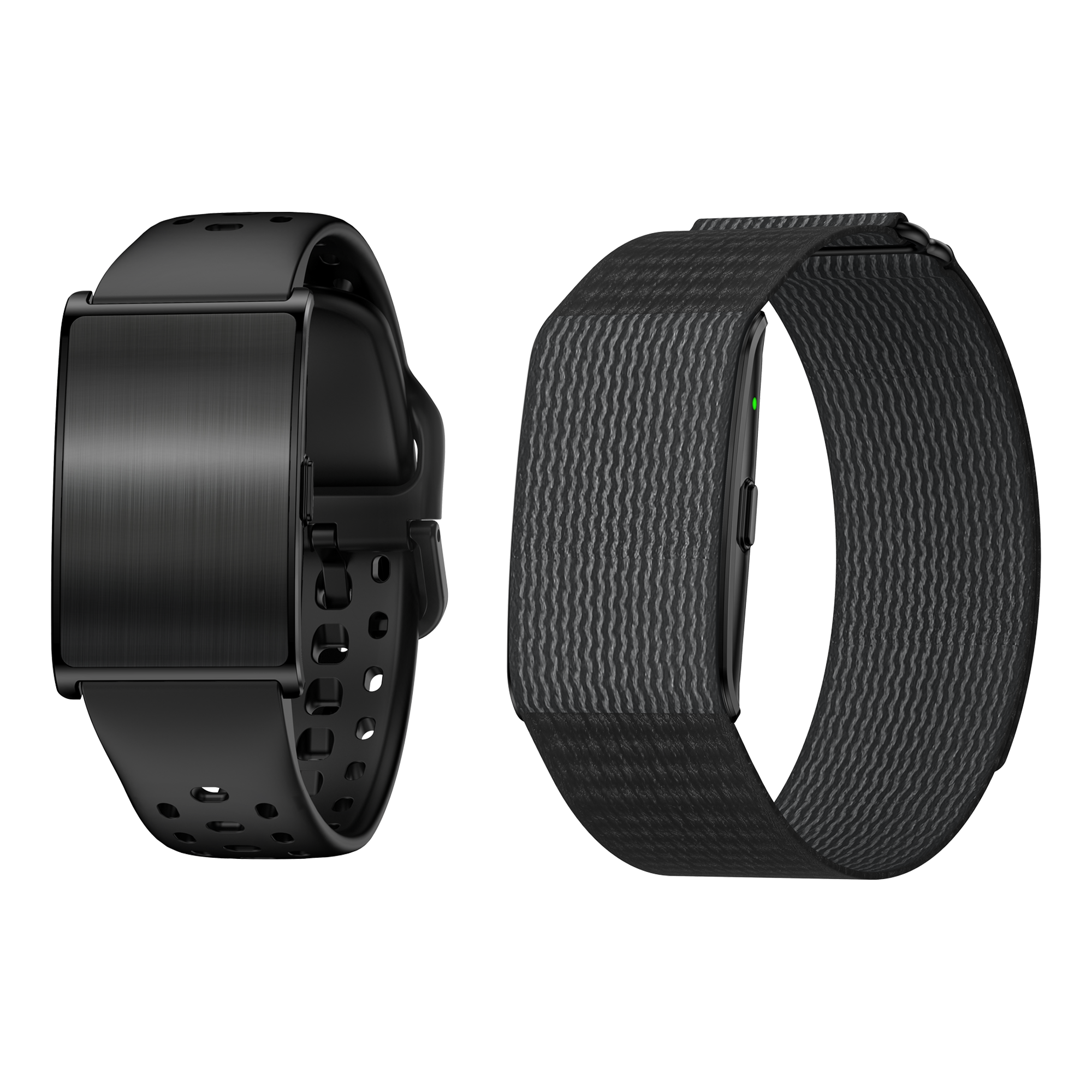
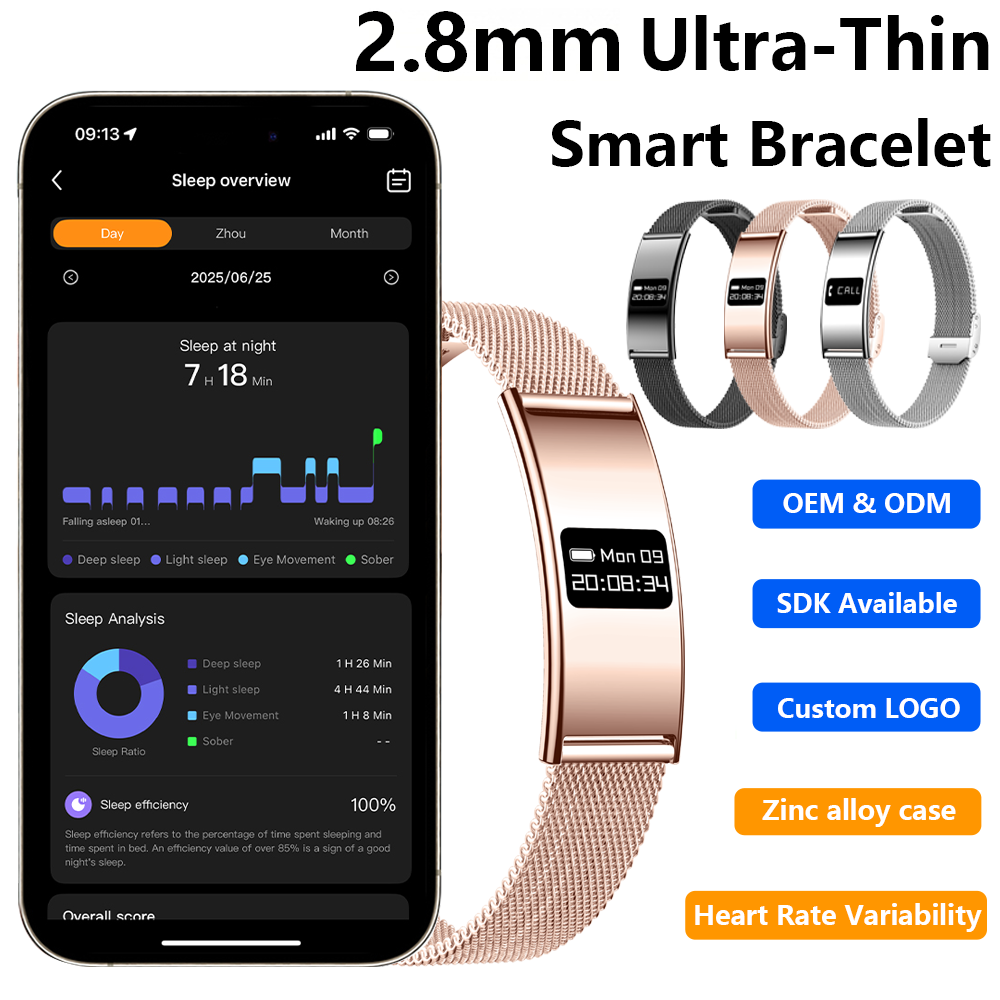
Our long battery life fitness bracelets—including flagship screenless platforms like the H59Pro and low-power LED systems like the H59MAX—attain 30 to 50 days of active standby through a three-tiered optimization architecture:
Technical Milestone: By integrating Dialog and Nordic ultra-low-power Bluetooth Low Energy (BLE 5.2/5.3) SoC silicon coupled with customized RTOS (Real-Time Operating System) kernels, power consumption during baseline background PPG heart-rate sampling is throttled to under 12μA, allowing a compact 180mAh pure-cobalt polymer cell to operate continuously for over 720 hours without degradation.
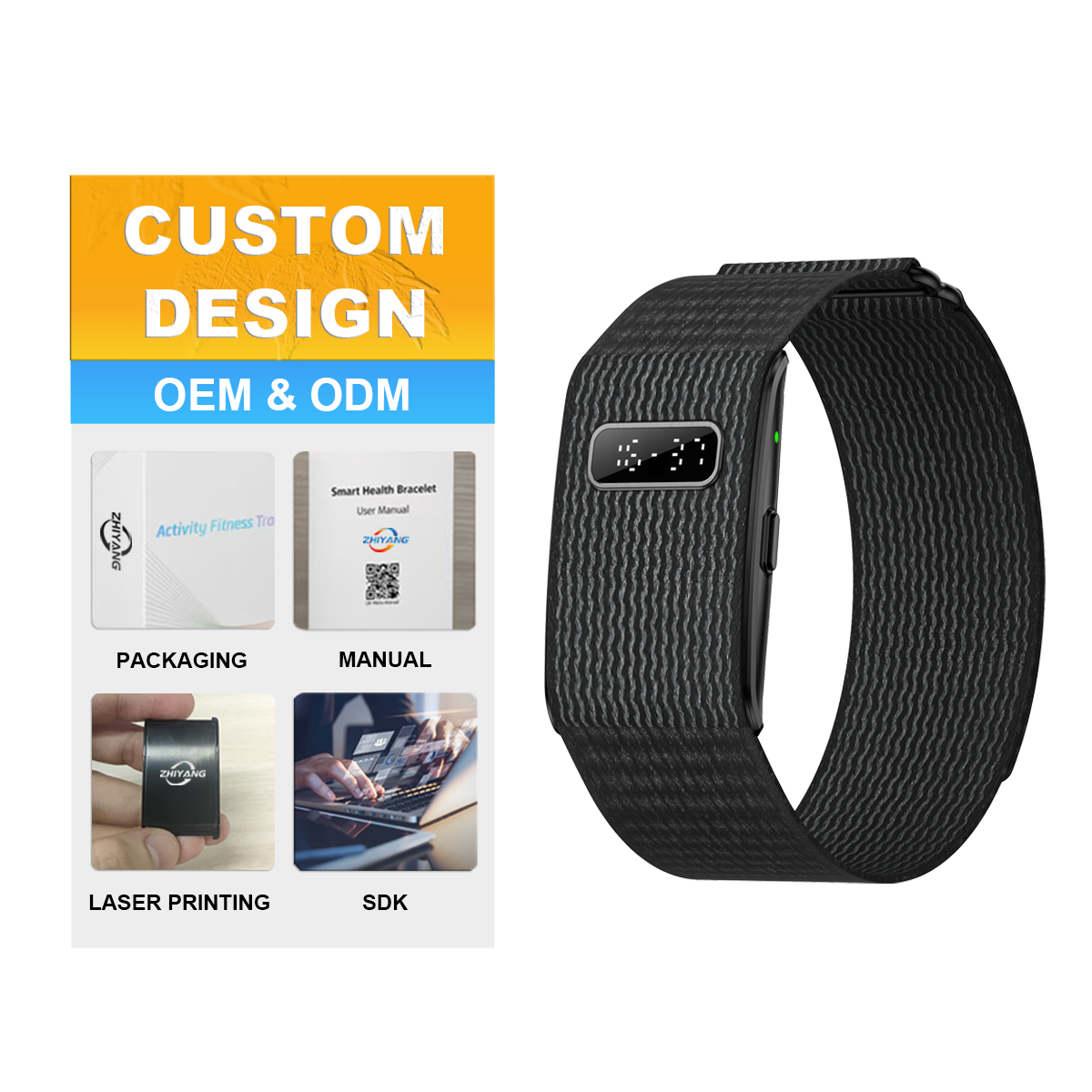
The primary power sink in portable electronics remains the display subsystem. Traditional IPS and AMOLED panels consume upwards of 25–40mA during peak illumination. By introducing screenless architectures (such as the H59Pro Activity Tracker), current leakage via visual backlights is entirely removed. The device shifts emphasis toward continuous bio-data streaming, relying on haptic micro-vibrations for operational alerts and high-throughput BLE synchronization with external Android or iOS terminal apps. For configurations requiring instant data readouts, segmented low-power digital LED modules are deployed, activating strictly upon dynamic inertial wrist tilt detection via an integrated Bosch 3-axis accelerometer.
Sensor Calibration & Micro-Cuff Precision
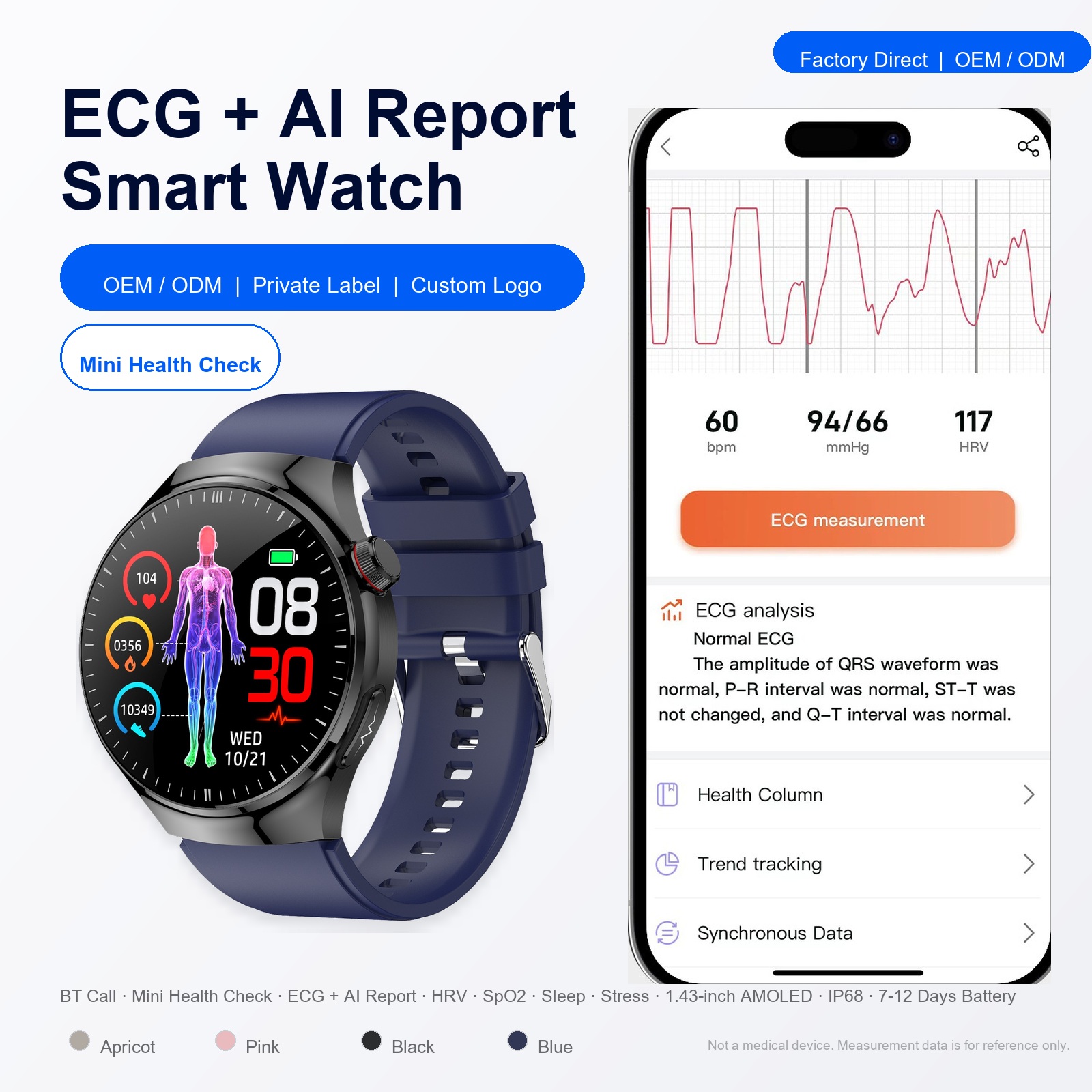
Beyond rudimentary pedometer calculation, institutional procurement requirements mandate clinical-grade precision in photoplethysmography (PPG) and electrocardiogram (ECG) readouts. Optical sensor arrays embedded in the chassis employ dual-wavelength green (525nm) and infrared (940nm) emitters, matched with high-sensitivity silicon photodiodes. This dual-path layout cancels skin pigmentation interference and motion artifacts generated during rigorous field exercises. For higher-tier health models such as our air-pump systems, microminiature piezo-electric pumps inflate integrated TPU bladders within the wristband strap to perform true oscillometric blood pressure assessment, bypassing the calibration drift common to algorithmic-only optical estimates.
| Hardware Specification | Standard Wearable Band | Brainox Long-Life Series (H59MAX / Pro) | Air-Pump / ECG Series (TK26 / TK65) |
|---|---|---|---|
| Battery Chemistry & Capacity | Standard Li-ion, 90–120mAh | High-density Pure Cobalt, 180–220mAh | High-rate Li-Polymer, 280–350mAh |
| Standby Battery Runtime | 5 to 7 Days | 30 to 50 Days (Ultra-Low Leakage) | 10 to 15 Days (High Drain Functions) |
| Processing Architecture | Generic Microcontroller | BLE 5.2 Ultra-Low Power RISC Core | Dual-Core MCU + Dedicated DSP Sensor Hub |
| Sensor Integration | Single Green LED Pedometer | Dual-Spectral PPG + SpO2 + Temp Array | Oscillometric Cuff + Single-Lead ECG Sensor |
| Ingress Protection Standard | IP65 Splash Proof | 1ATM to IP68 Static & Dynamic Immersion | IP67 Sealed Housing with Pressure Valve |
| Operating Thermal Tolerance | 0°C to +40°C | -10°C to +55°C (Tropical Grade) | -5°C to +50°C |
Localized Industrial Deployment & Application Scenarios in Naypyidaw
Naypyidaw presents unique micro-climatic and geographical dynamics. As Myanmar's master-planned administrative center, the territory combines vast geographic distances, planned government zones, agricultural perimeters, and hot, semi-arid dry-zone weather cycles where seasonal temperatures routinely exceed 40°C with significant ambient humidity during the monsoon transitions. In this territorial environment, consumer-grade wearables face catastrophic seal failures, accelerated battery swell, and frequent power disruptions.
Enterprise and governmental buyers sourcing fitness bracelets for deployment in Naypyidaw face concrete application demands across several sectors:
Civil Service & Municipal Personnel Health Monitoring
The vast layout of Naypyidaw spans wide administrative ministries (Zeyatheiddi, Zabuthiri, and Ottarathiri townships). Centralized state offices and departmental teams benefit from standardized, long-battery-life fitness trackers. Because devices like the H59Pro do not require charging for up to a month, personnel maintain non-intrusive 24/7 cardiovascular surveillance, heat-stress detection, and physical stamina metrics without daily operational bottlenecks.
Agricultural Field Operations & Infrastructure Projects
Outside the central administrative core, major infrastructure, rural development projects, and agribusiness facilities operate under intense sunlight and dust. Our bracelets are built with IP68 immersion sealing and anti-corrosion polycarbonates that resist sweat-induced degradation, high ambient salt spray, and abrasive particulate ingress, ensuring field labor monitoring and safety protocols remain fully operational.
Corporate Wellness Programs & Private Security Deployments
Private infrastructure providers, commercial banks, and regional security teams across Naypyidaw require hardware with secure offline logging. In areas where local cellular connectivity is intermittent, our trackers cache up to 30 days of step counts, active caloric expenditure, and nocturnal sleep architecture locally, executing seamless encrypted batch synchronization once an authorized smartphone bridge is re-established.
Regional Technology Procurement Trends in Naypyidaw & Surrounding Hubs
Procurement paradigms across Myanmar’s institutional channels have evolved substantially over the past 36 months. While consumer markets traditionally gravitated toward generic low-cost consumer electronics, wholesale B2B importers, corporate clients, and public health entities in Naypyidaw are shifting toward rigorous technical validation, traceable bill of materials (BOM), and long-term durability metrics. Three macro trends dominate the local sourcing landscape:
1. Decentralization of Power Dependency: Power stability across provincial areas remains a recognized engineering consideration. Wearable electronics that necessitate daily recharging via AC adaptors suffer drastic attrition rates when users cannot maintain consistent power cycles. Devices offering 30- to 50-day operational autonomy have seen an estimated 300% surge in regional inquiry velocity, directly resolving the pain point of chronic intermittent grid charging.
2. Screenless Form Factors for Enterprise Subscriptions: Screenless fitness bracelets are experiencing rapid adoption among healthcare initiatives and private corporate fleets. By omitting the LCD/AMOLED panel, enterprises prevent employees or field workers from being distracted by interactive messaging, while drastically cutting the physical rate of display fracture from drops and collisions. The device operates strictly as an enterprise data collection node.
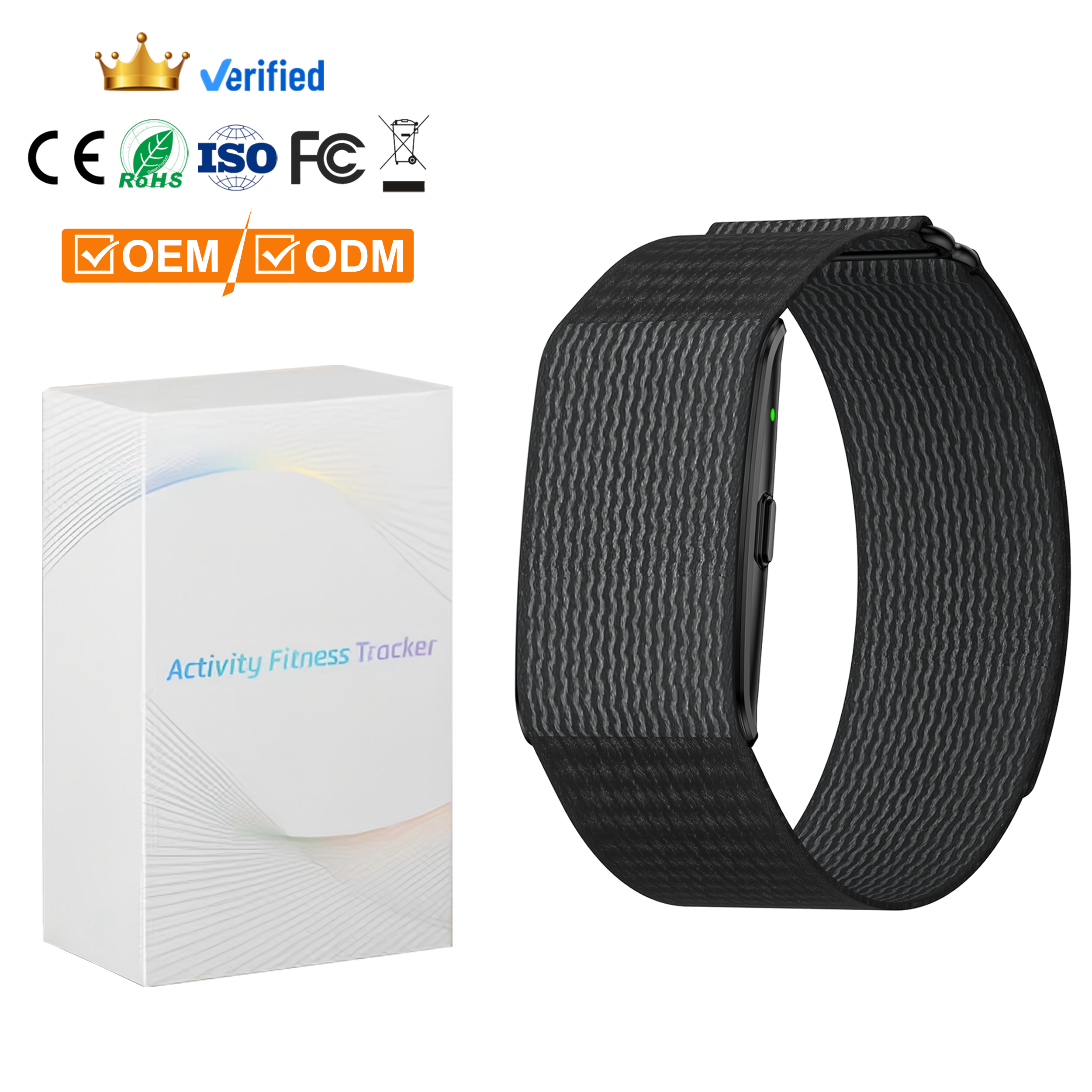
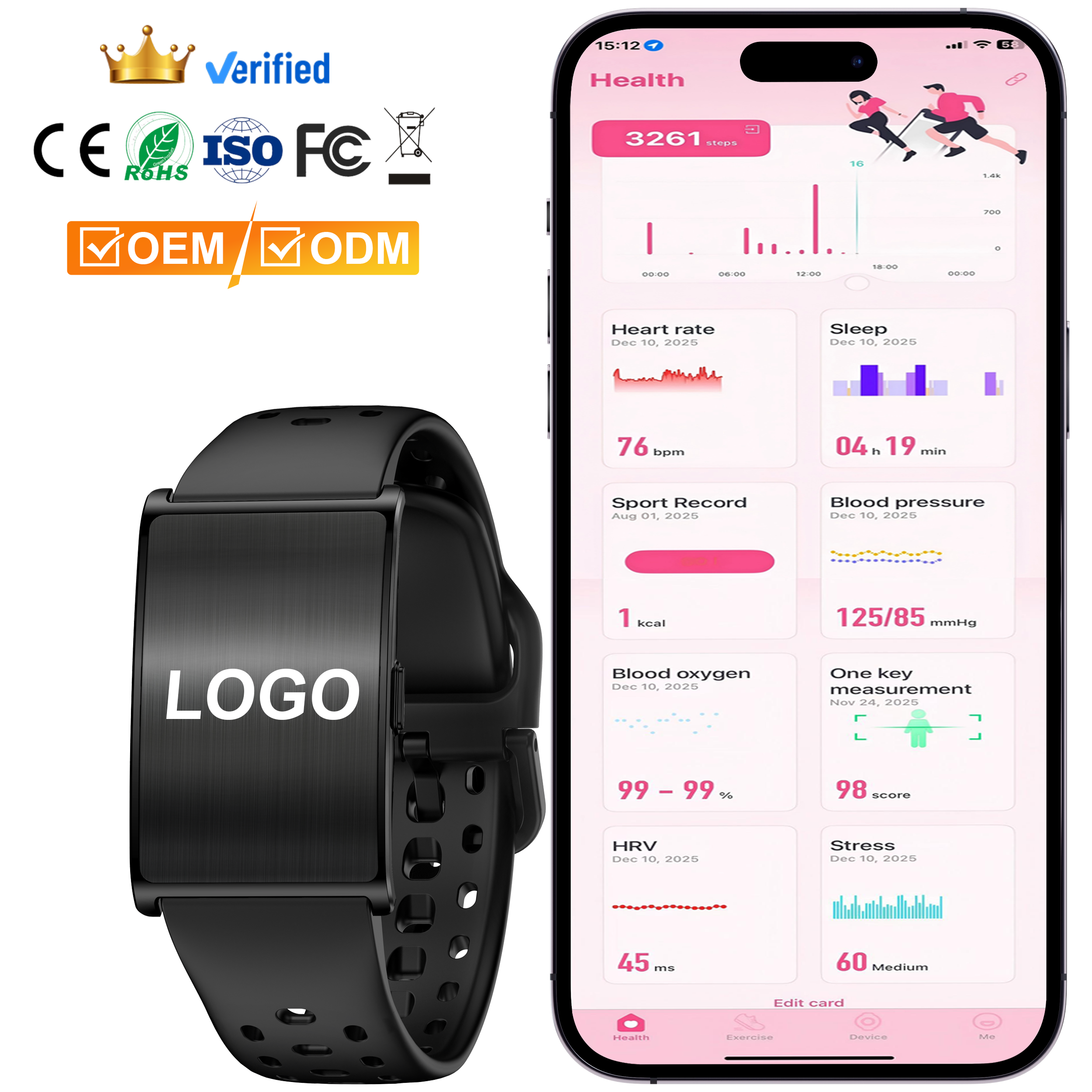
3. Demand for Direct Factory Verification (SGS / ISO Level Audits): Due to the proliferation of secondary brokers and trading fronts on international platforms, procurement committees in Naypyidaw now require on-site third-party audited documentation (e.g., SGS facility verifications, CE/RED, RoHS, and FCC compliance certificates) to ensure hardware integrity and uncompromised battery safety standards during bulk cross-border customs clearing.