SGS On-site Verified Supplier Songshan Lake, Dongguan, China

Health Smartwatch Manufacturer & Suppliers Serving Tokyo

Precision Medical-Grade Biosensing, Japanese Regulatory (TELEC / PSE / PMDA) Conformance, and Scalable OEM/ODM Solutions for the Greater Tokyo Capital Area.

Catalogue Portfolio

Precision Biometric & Wearable Device Hardware Architecture

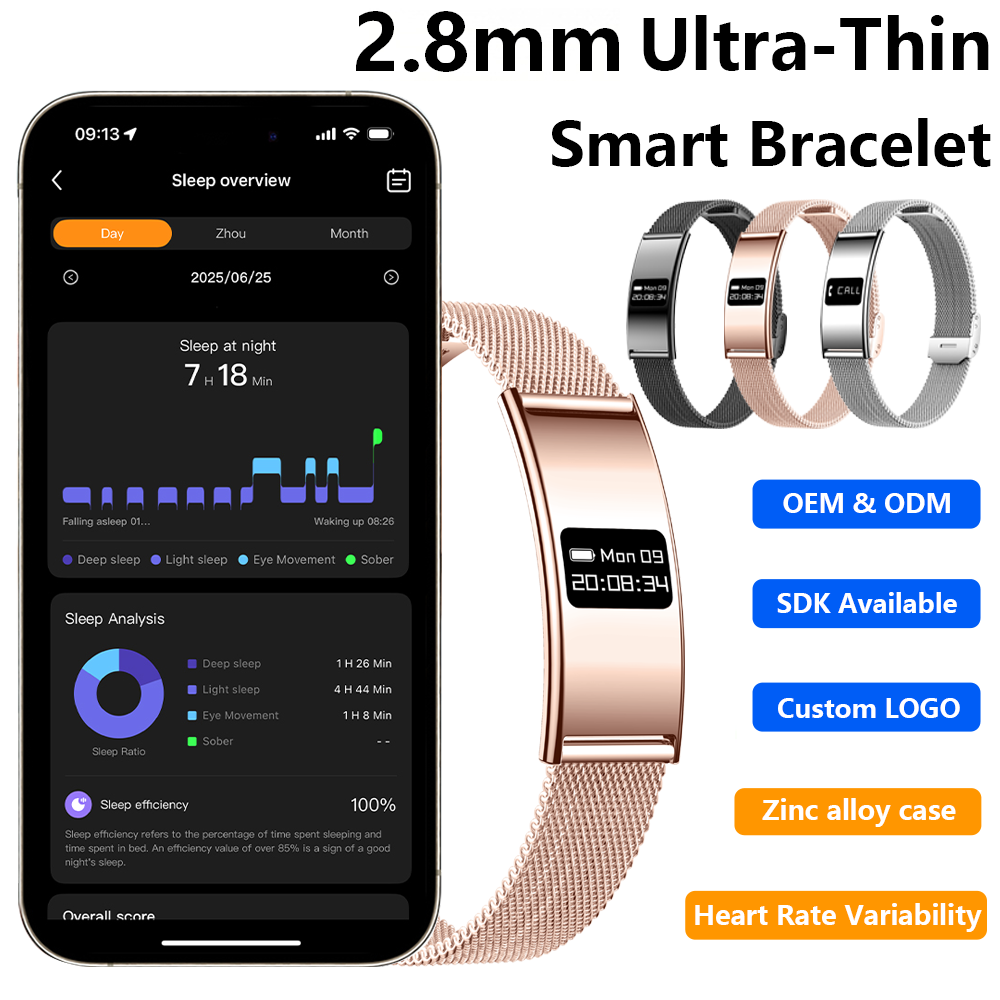
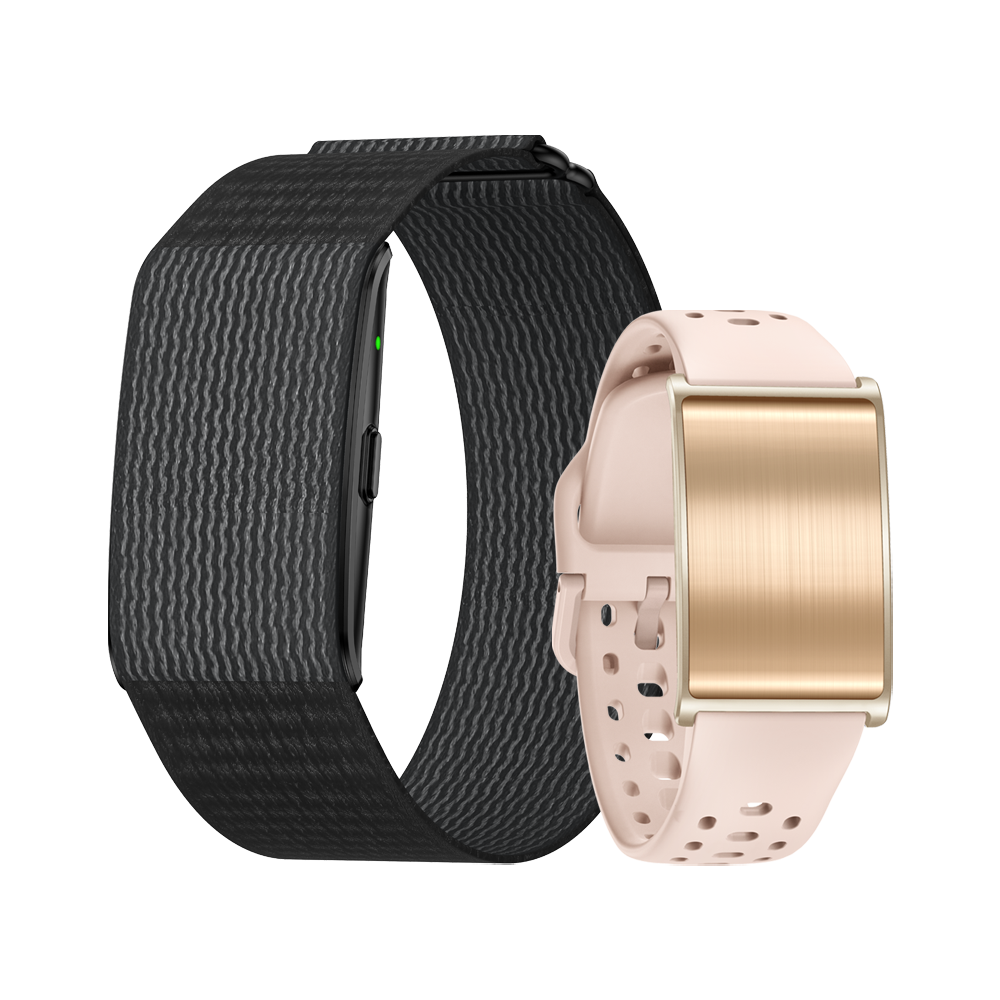
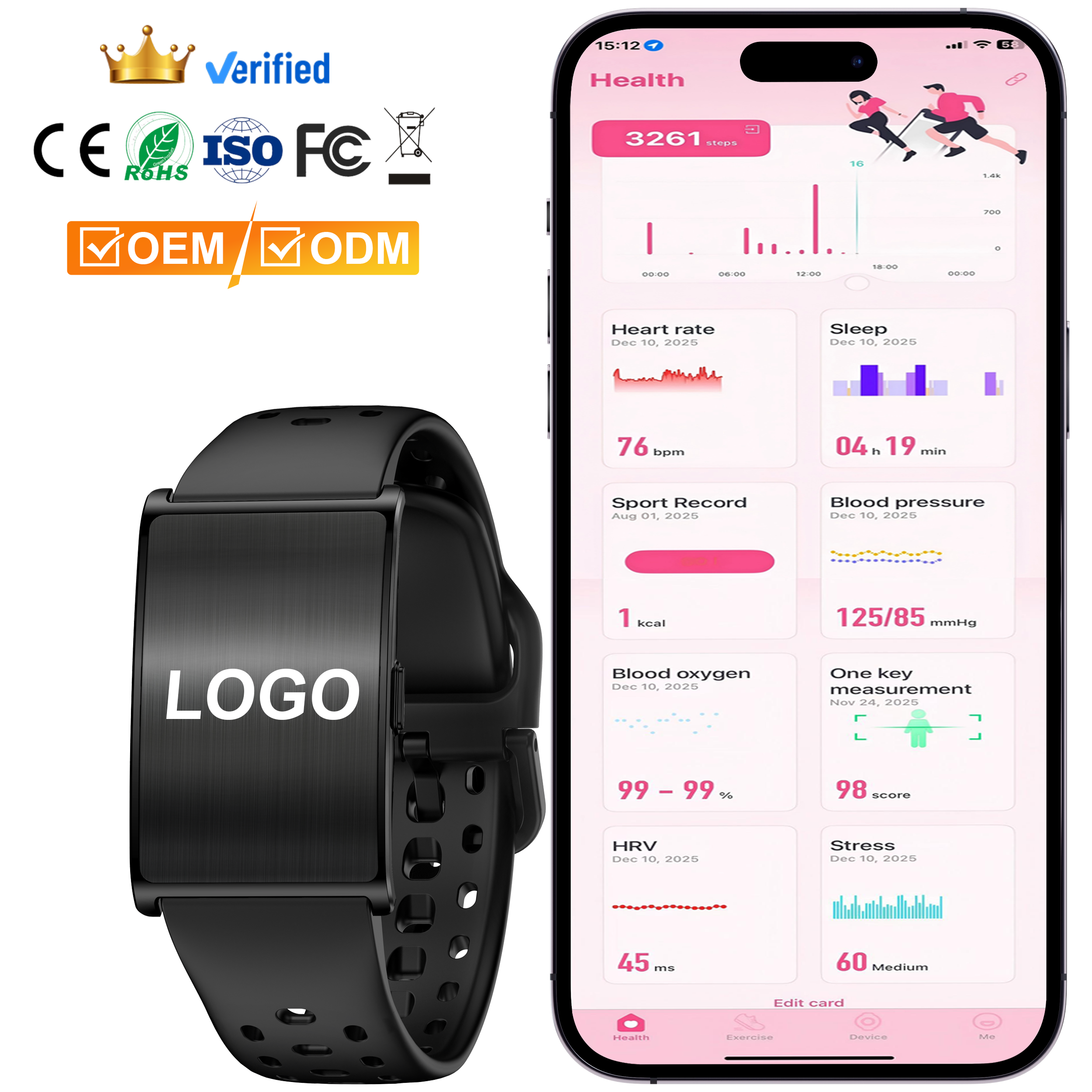
Engineered in our Dongguan ISO-certified facilities with SGS audited manufacturing pipelines, these solutions support clinical-trend recording, non-intrusive cardiovascular monitoring, and customized enterprise firmware tailored for Tokyo municipal health networks.

Field-Tested Deployments

Localized Applications: Tokyo's Smart Health Infrastructure

Tokyo is the world's most populous and technologically advanced super-aged metropolis. Sourcing health-tracking hardware for this hyper-dense urban landscape requires meeting distinct logistical, social, and healthcare operational dynamics.

Society 5.0 Eldercare in Tokyo Wards

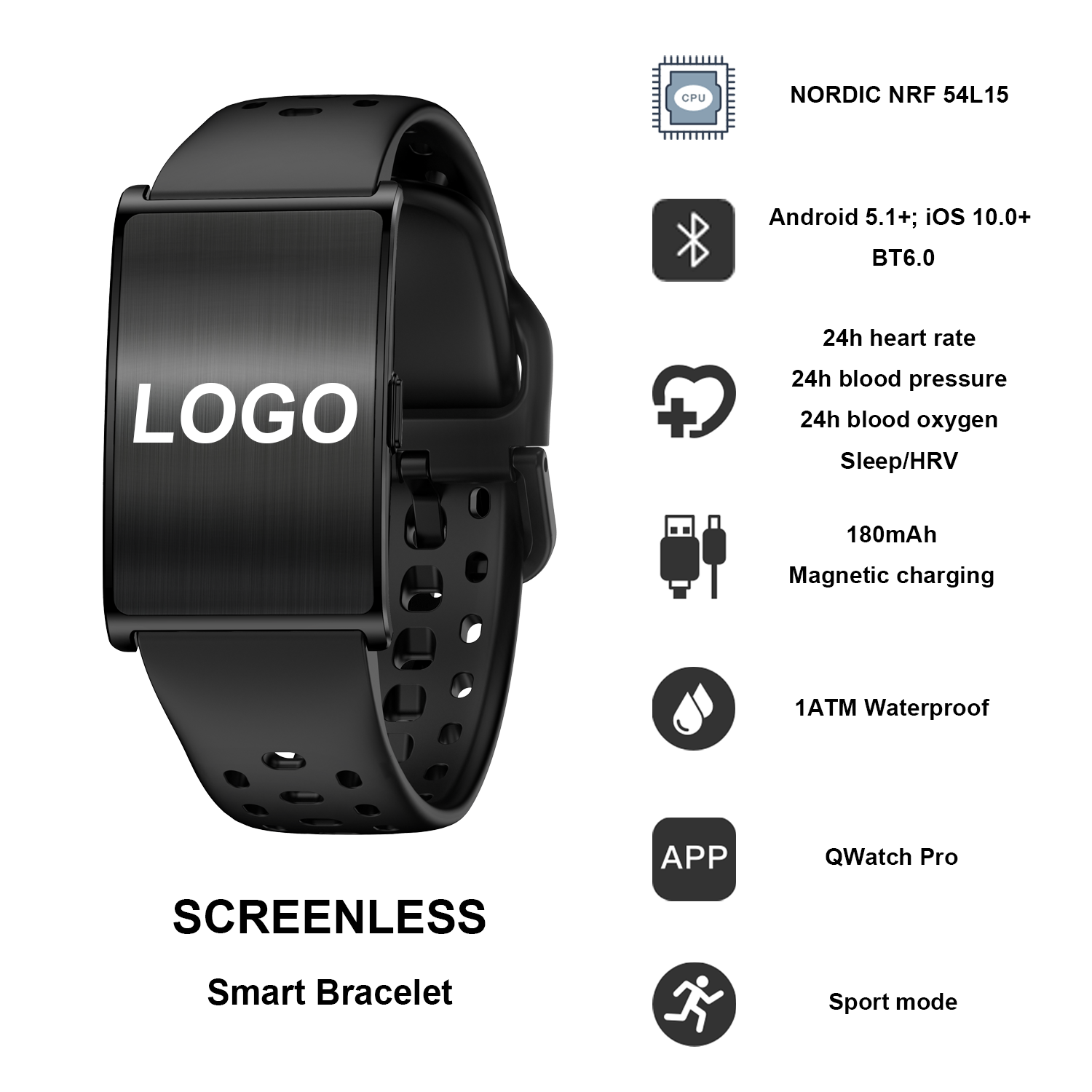
Under Tokyo Metropolitan Government initiatives across wards like Setagaya, Ota, and Adachi, our screenless H59-series wristbands provide passive vital-sign capture for solitary senior citizens. Automated fall-detection vectors, temperature spikes, and nocturnal HRV shifts relay via localized gateway networks to community welfare centers (Chiiki Hokatsu Shien Center) without creating user interface confusion.

Corporate Karoshi Mitigation & Kenko Keiei

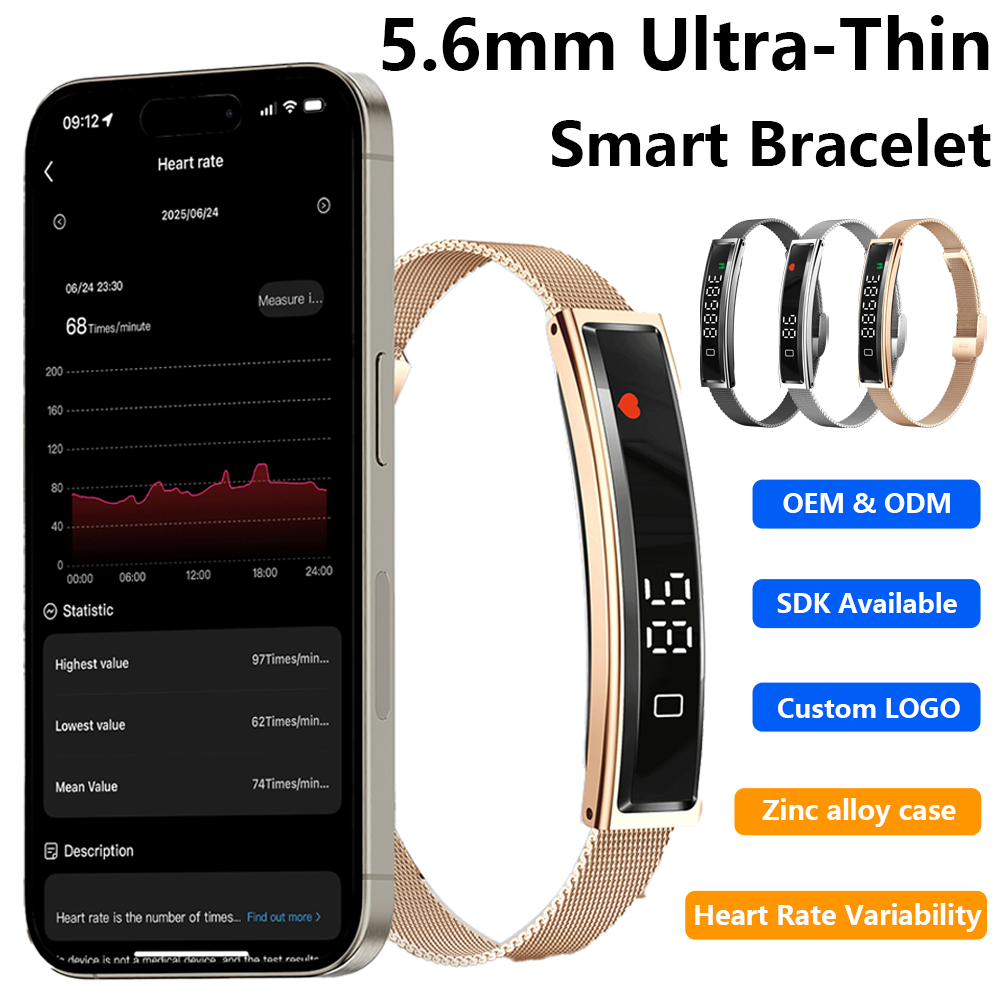
Over 3,000 corporate headquarters in Marunouchi, Otemachi, and Shinjuku implement METI-certified "Health & Productivity Management" (Kenko Keiei). Brainox slimline devices like the B3 and B8 monitor acute sympathetic-nervous overstimulation and sustained tachycardia throughout intense commute conditions and extended desk workloads, feeding confidential stress indicators directly to corporate occupational physicians (Sangyoi).

Clinical Telemedicine Gateways

Collaborating with Tokyo university hospitals and home hospice operators, our air-pump oscillometric models and ECG wearables transmit raw waveform telemetry via BLE to proprietary Japanese electronic medical record (EMR) software, expediting post-stroke rehabilitation triage and hypertensive ambulatory titration without frequent clinical visits.

“Sourcing wearable technology for Japan's domestic sphere demands rigorous electromagnetic silence (TELEC VCCI Class B), hypoallergenic biomaterial qualification under food hygiene and contact standards, and cloud API pipelines that conform with Japan's Act on the Protection of Personal Information (APPI).”

Market Trajectory

Tokyo & Kanto Regional Market Trends for 2026–2030

An executive analysis of evolving regulatory policies, component sourcing preferences, and user adoption rates shaping B2B procurement across Eastern Japan.

Shift from Consumer Toys to Certified Medical Data

Japanese buyers are pivoting away from generic wellness smart bands lacking verified biosensors. Demand in Tokyo has shifted toward dual-mode devices integrating oscillometric inflatable micro-cuffs (providing true systolic/diastolic readings) paired with single-lead ECG arrays capable of screening for paroxysmal atrial fibrillation.

Rise of Non-Screen Discreet Form Factors

As wearable distraction concerns mount in structured Japanese workspaces, screenless health bands like our H59 MAX and smart rings have surged in corporate procurement. Users value high-precision biometrics without visual interruptions, text pop-ups, or social notifications during client meetings and formal interactions.

Localized Server Hosting & Closed-Loop Bluetooth

Municipal procurement contracts across Tokyo prioritize hardware that does not route telemetry through ambiguous public cloud networks. Brainox supports firmware builds paired directly with local on-premise gateways, encrypted Bluetooth Low Energy beacons, and Japan-based AWS/Azure endpoints adhering to APPI governance.

Manufacturing Authority

Engineering Depth, Verified Quality, Export-Ready Infrastructure

Dongguan Brainox Technology Co., Ltd. bridges advanced electronics fabrication in the world's premier smart-hardware cluster with strict Japanese quality management protocols.

19
Documented QC Procedures
15+
In-House Stress Test Instruments
42
Verified Core Engineers & Techs
4.6/5
Audited Global Buyer Rating

SGS Audited On-Site Capability

Our operations, physical production lines, legal registration, and technical staff undergo on-site verification by SGS Group. Sourcing teams in Tokyo gain complete visibility into ethical labor standards, incoming parts traceability, and supply chain accountability.

19-Step Testing Routine

Every SKU undergoes our documented multi-stage screening: IQC on bare PCBAs and optical PPG sensors, RF wireless signal calibration, programmable heat/cold climate-box cycling, high-voltage hi-pot insulation checks, 1ATM/IP68 immersion tests, and tumbling drum drop impact screening.

Four-Tier Flexible OEM / ODM Depth

From rapid white-label branding (silk-screen kanji logos, Japanese custom packaging, customized boot animations) to bespoke chassis tooling, sensor PCB integration, and dedicated SDK/API firmware provisioning for Japanese mobile app builders.

Procurement Clarity

Frequently Asked Questions: Sourcing Health Wearables for Tokyo

Addressing compliance, communication protocols, minimum order thresholds, and logistical integration for Japanese corporate purchasers, system integrators, and healthcare distributors.

What radio frequency and safety certifications do you provide for Japan?
Our smartwatches and connected bracelets are designed to fulfill TELEC (Giteki mark / Radio Act Article 38-24) certification requirements. Integrated lithium-polymer batteries can be supplied with UN38.3, MSDS, and PSE-compliant documentation. Because compliance documentation is registered per specific model, we coordinate testing reports and provide pre-certified module options to expedite your domestic distribution filing.
Can our engineering team access raw biosensor data via custom SDK/API?
Yes. For hospital groups, research universities, and enterprise platform integrators in Tokyo, we offer full OEM/ODM firmware support. We provide Bluetooth Low Energy (BLE) communication protocols, GATT services documentation, and Android/iOS SDK libraries allowing your development team to capture raw PPG, R-R intervals, accelerometer coordinates, and skin temperature directly into your domestic servers without third-party cloud leakage.
How are Japanese language localization and packaging handled?
We provide deep firmware UI localization utilizing native Japanese typographic glyphs (Kanji, Hiragana, Katakana) rather than auto-translated characters. We assist with custom-printed Japanese retail packaging, user manuals aligned with local consumer protection guidelines, and app white-labeling in the Apple App Store and Google Play under your corporate developer accounts.
What are your Minimum Order Quantities (MOQs) for custom branding?
For standard catalogue models with custom laser-engraved branding or customized packaging boxes, our typical entry MOQ starts as low as 200–500 units. For comprehensive deep-level ODM hardware development (custom injection tooling, custom sensor configurations, tailored PCB layouts), MOQs typically start at 1,000 to 3,000 units depending on chassis complexity.
What is the standard delivery timeline from Dongguan to Tokyo or Yokohama ports?
Following production sign-off and completion of our 19-step QA testing, air freight to Narita (NRT) or Haneda (HND) airports generally takes 3–5 business days via established forwarders with lithium battery clearance capabilities. Consolidated ocean shipping to Tokyo or Yokohama ports typically arrives within 7–10 days, ensuring smooth inventory replenishment cycles.
B2B Consultation

Accelerate Your Wearable Hardware Program Today

Connect directly with our bilingual sales engineers and hardware solution architects. Request product spec sheets, regulatory test reports, or evaluate prototype evaluation units tailored for Tokyo commercial deployment.

Send an Inquiry