Health Smart Ring Factories & Suppliers Serving the Kobe Market
Precision Photoplethysmography (PPG), Medical-Grade Sleep Architecture & Sub-Zero Micro-Circulatory Sensing Solutions Tailored for Hyogo Prefecture's Silver Economy and Urban Healthcare Clusters.
OEM/ODM Micro-Wearable & Smart Ring Lineups
Ultra-low power, multi-spectral sensor architectures designed for high compliance with Japanese B2B healthcare integrators and private-label distributors in the Kansai region.
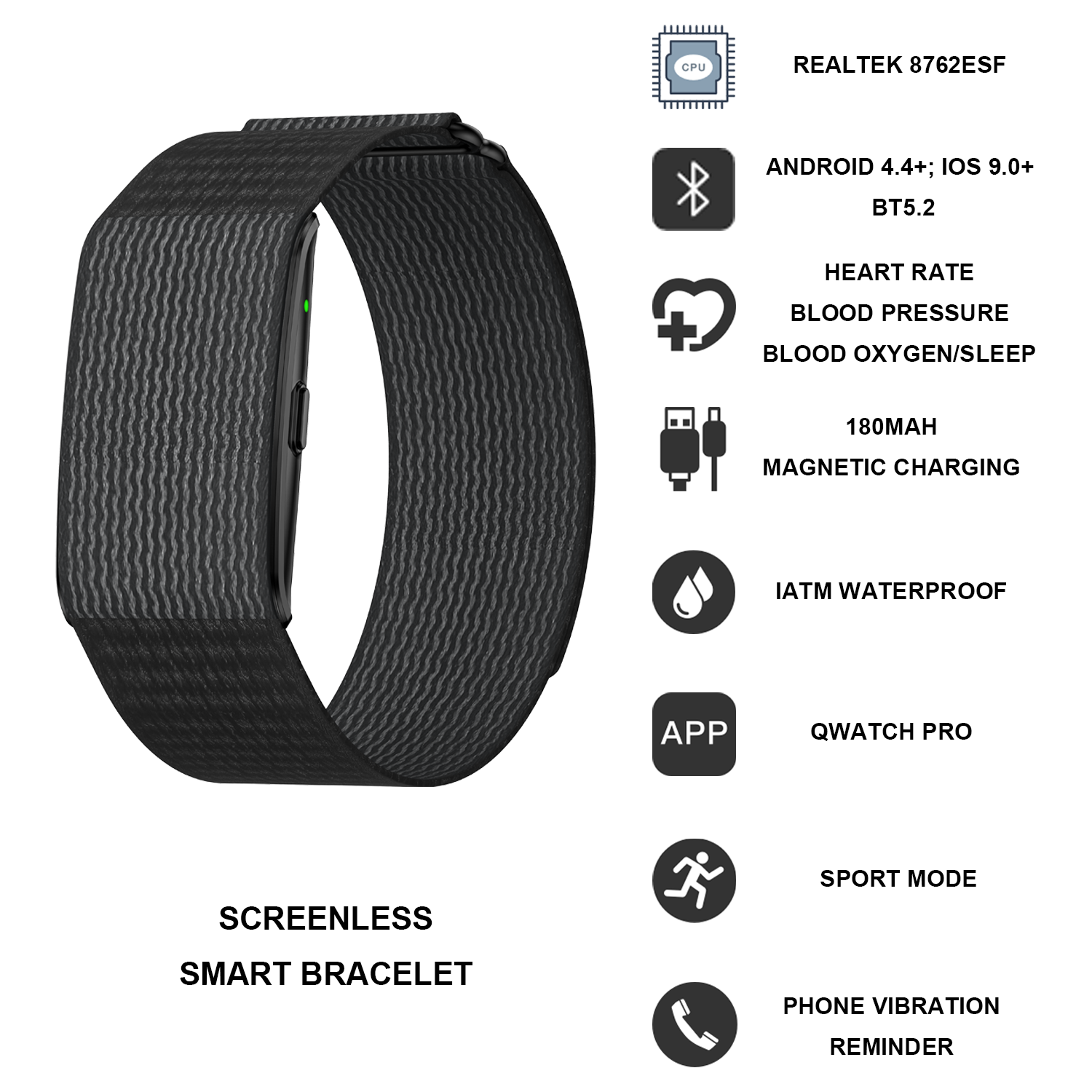
H59MAX AI Health Report Smart Band
50-day standby, IP68 rated, continuous HRV biometric trend reporting with AI-driven analytics.
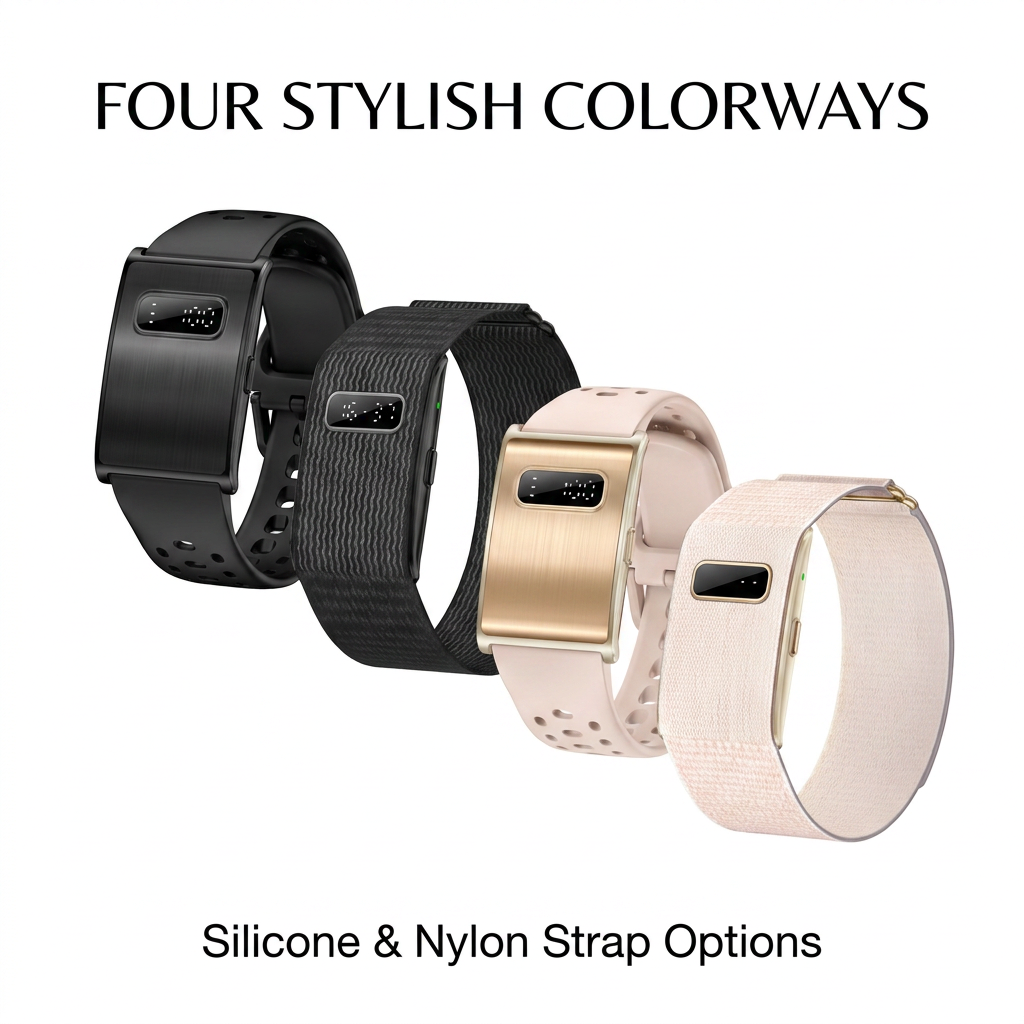
OEM Custom Logo 100 Days Standby AI Health Watch
Ultra-extended 100-day standby engine with dynamic multi-channel PPG heart-rate tracking.
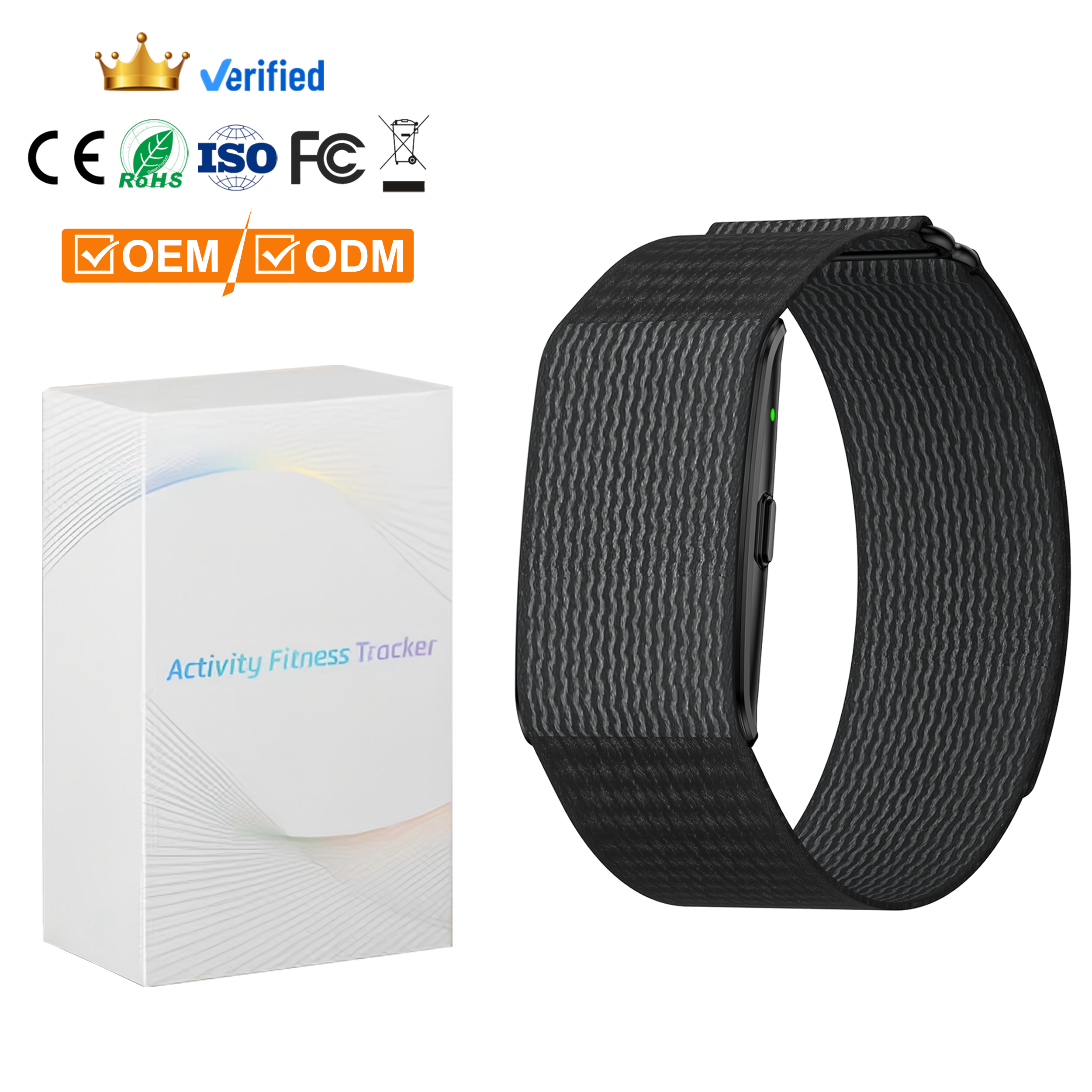
H59Pro Screenless Health Band (180mAh)
Magnetic snap charging, non-distracting screenless ergonomic design, 30 days continuous BP tracking.
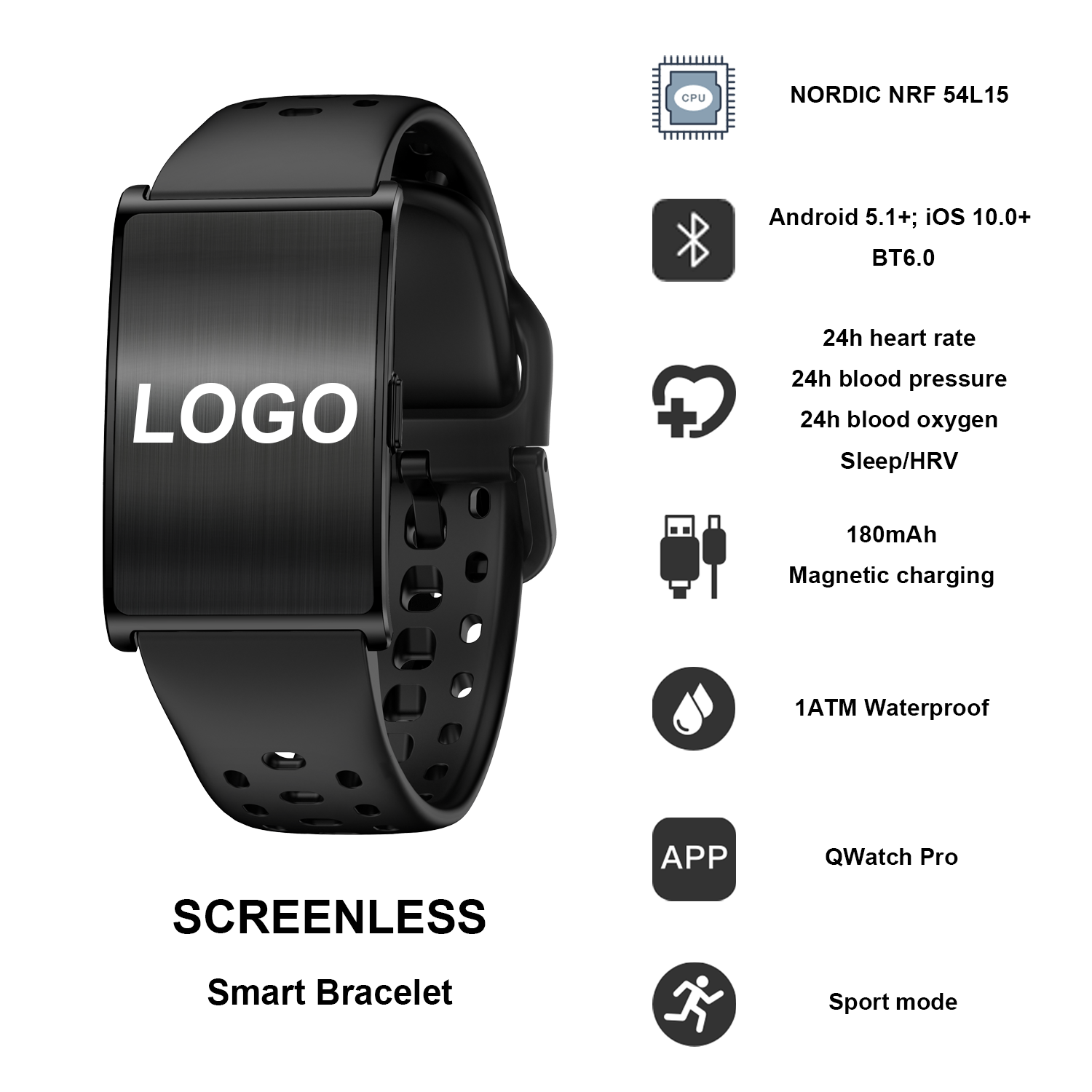
H59Pro HRV & Deep Sleep Activity Tracker
Screenless form factor configured for polysomnography-grade sleep stage mapping and peripheral SpO2.
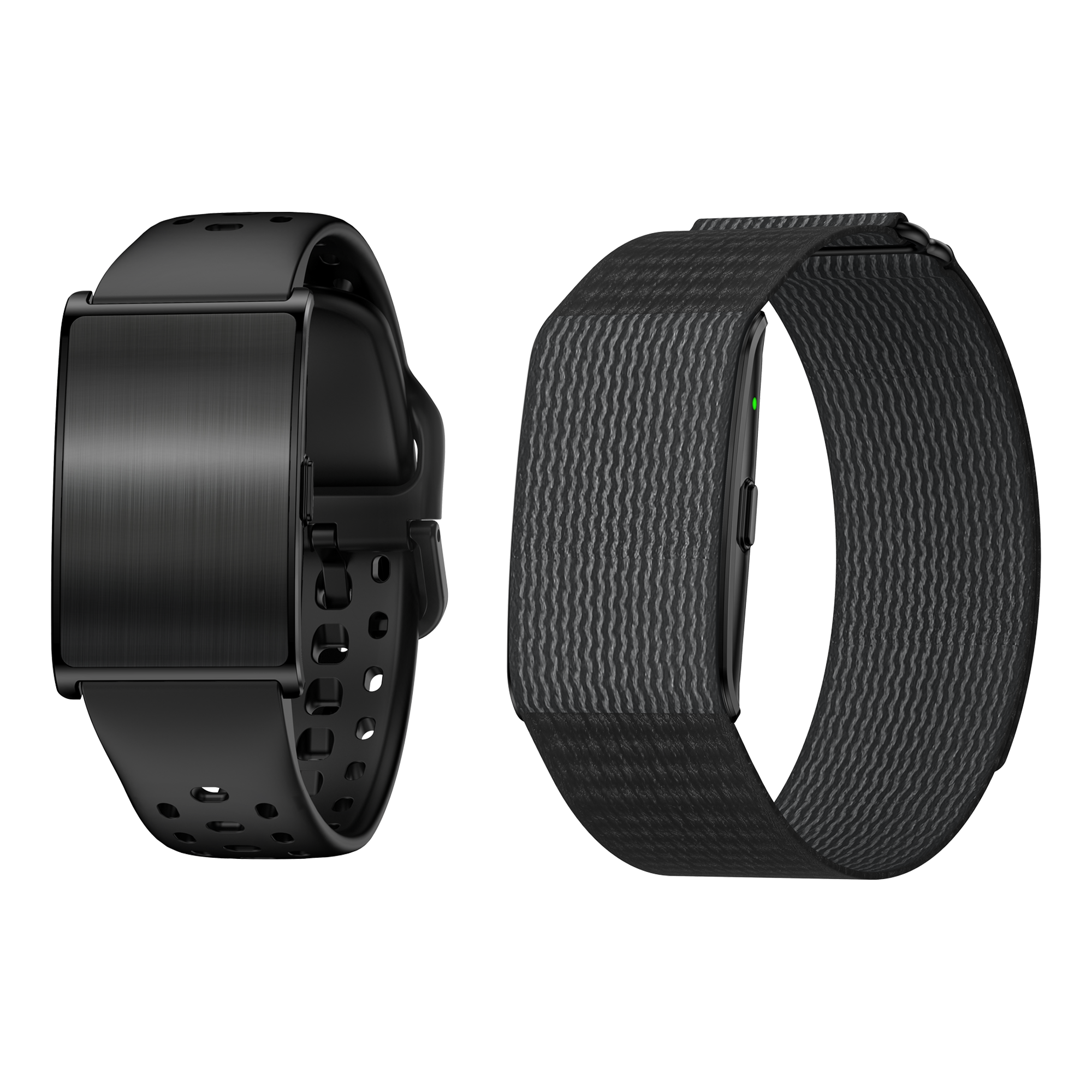
H59MAX Sport AI Connected Smart Band
Integrated sports telemetry, high-cadence GPS route mapping, calling notification algorithms.
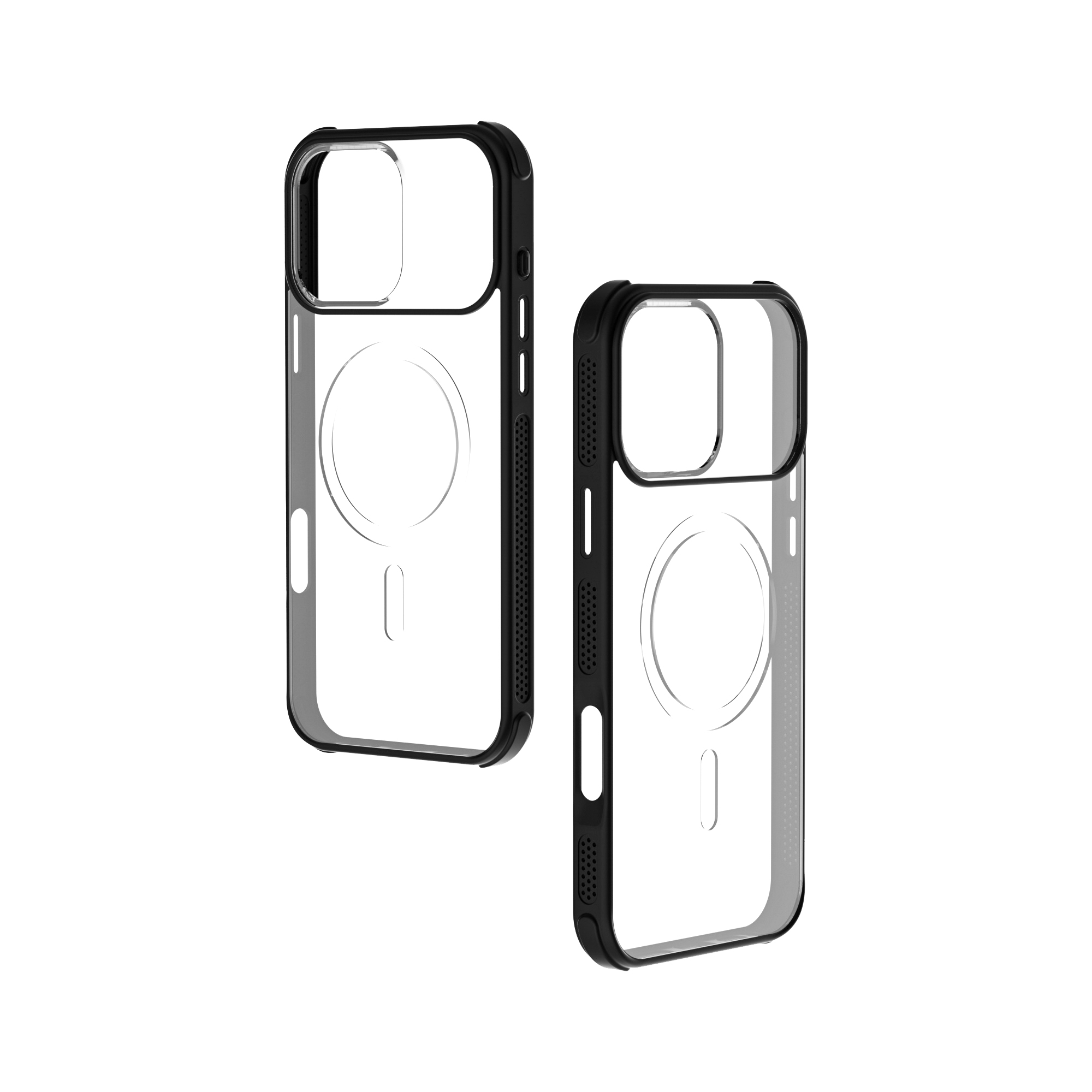
Precision Engineered Housing & Tooling Substrates
OEM/ODM structural composite molding, acrylic TPU frameworks, micro-encapsulation tooling components.
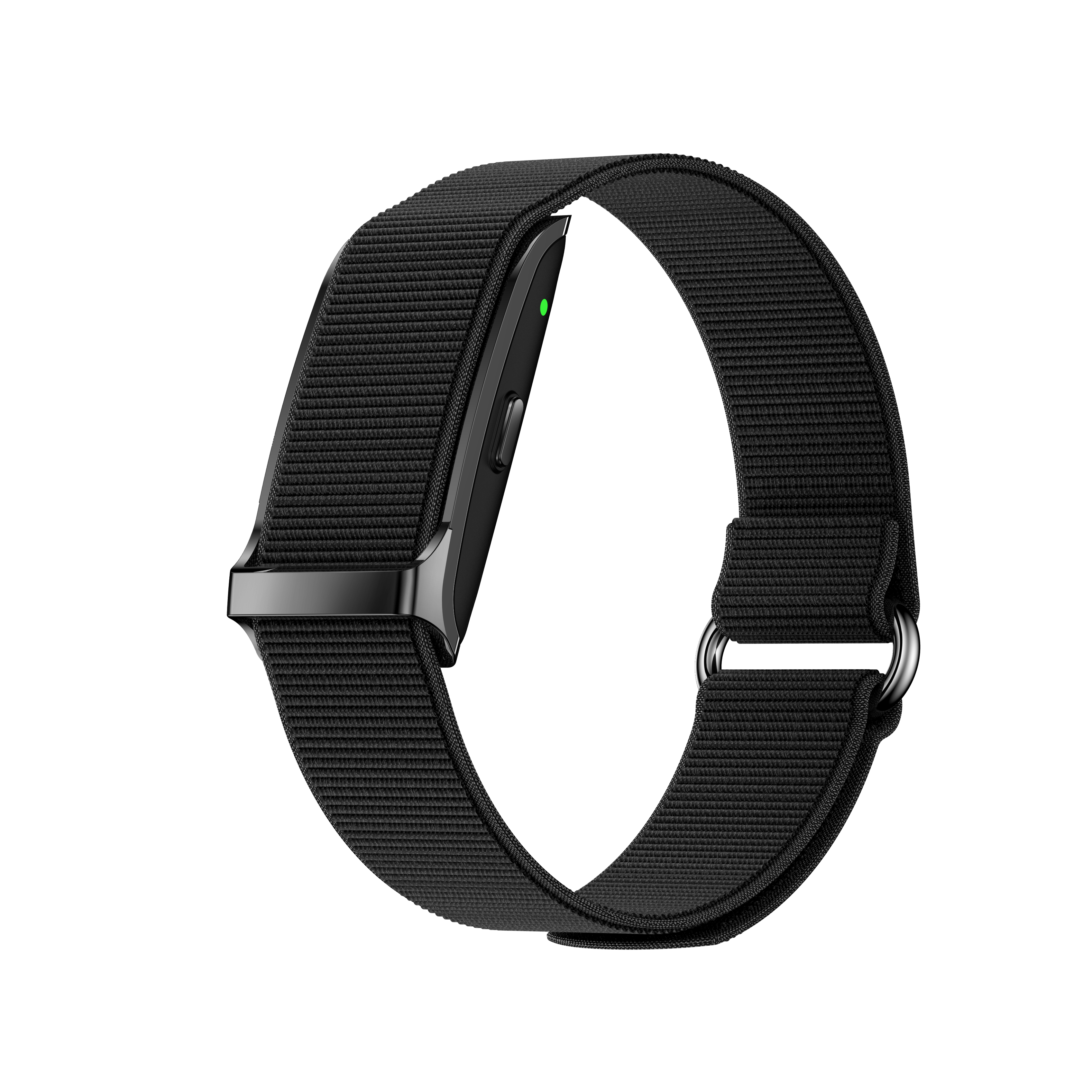
H59 Enterprise IoT Smart Bracelet (Open SDK)
Native SDK/API access for enterprise integration into Japanese regional clinical and nursing data stacks.
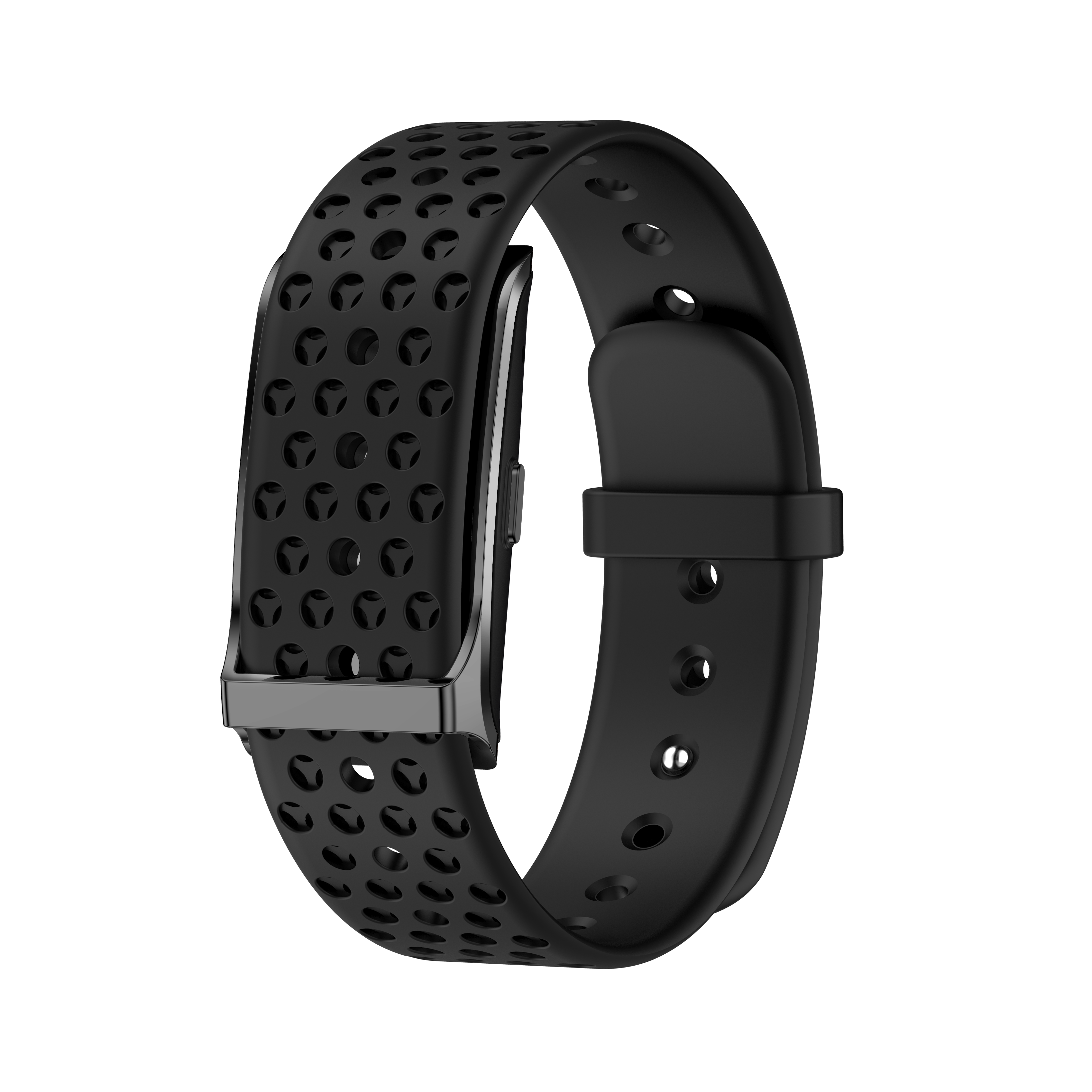
H59 Compact Ergonomic Sleep & Wellness Ring-Band
Designed for continuous unisex wear, silent haptic alerts, ultra-lightweight hypoallergenic biocompatibility.
Precision Bio-Telemetry for Kobe's Modern Health Ecosystem
Bridging Chinese precision hardware fabrication with the strict regulatory and environmental demands of the Kobe Biomedical Innovation Cluster (KBIC).
1. Clinical Synergy with the Kobe Biomedical Innovation Cluster (KBIC)
The Kobe Biomedical Innovation Cluster situated on Port Island represents one of Japan's most concentrated medical translational research parks. As Japanese medical infrastructure pivots aggressively toward preventative geriatric management and remote ambulatory tracking, standard consumer wearables often fall short due to excessive wrist-motion artifact distortion.
Brainox health smart rings leverage multi-wavelength photoplethysmography (utilizing 525nm green, 660nm red, and 940nm infrared VCSEL arrays) directly against the palmar digital arteries of the finger. Unlike the dorsal surface of the wrist, where radial and ulnar arteries sit deeply beneath thick skin and tendon structures, digital arteries provide direct microvascular access. This mechanical reality delivers an extraordinarily high Signal-to-Noise Ratio (SNR), crucial for calculating clinical-grade Heart Rate Variability (HRV) metrics, root mean square of successive differences (RMSSD), and peripheral capillary blood oxygenation (SpO2). Sourcing partners in Kobe integrate our hardware via secure Bluetooth Low Energy (BLE 5.2/5.3) data structures, piping raw telemetry directly into custom Japanese Electronic Health Record (EHR) systems without third-party cloud leakage.
2. Geriatric Longevity & Ambient Monitoring Across Hyogo Senior Communities
Hyogo Prefecture confronts a rapidly aging demographic, where care facilities in Kobe’s Kita-ku and Nada-ku wards seek unobtrusive, high-compliance health tracking. Elderly users frequently reject bulky touch-screen smartwatches due to the discomfort of sleeping with a heavy case, the confusion caused by erratic software interfaces, and the irritation of daily charging cycles.
Our screenless smart rings and micro-bracelets eliminate display distraction entirely, functioning as ambient diagnostic engines. Featuring medical-grade resin inner rings with hypoallergenic titanium outer shells, these devices achieve a skin-contact tolerance that passes stringent ISO 10993 cytotoxicity and sensitization testing. Offering 7 to 10 days of continuous operational battery life (and up to 50 days standby in simplified telemetry modes), they drastically reduce caregiver maintenance burdens. Sleep architecture tracking—distinguishing between REM, Light, Deep Sleep, and Micro-Arousal episodes—allows regional nursing teams to identify nocturnal arrhythmias, sleep apnea events, and early onset systemic inflammation before severe clinical emergencies occur.
3. Industrial Resilience: Rokko Maritime Logistics & Heavy Manufacturing
Kobe’s industrial backbone—spanning the bustling container handling terminals of Rokko Island to the heavy steel fabrication and shipbuilding drydocks lining Kobe Harbor—presents harsh physical environments for smart technology. Standard wearables suffer frequent housing micro-fractures, moisture ingress from coastal saltwater mist, and sensor failure driven by dynamic mechanical shock.
Brainox addresses these operational realities with unibody ceramic and aero-grade titanium alloys treated via High-Velocity Physical Vapor Deposition (PVD). Our internal electronics are encased in high-density vacuum-injected epoxy potting, completely isolating the printed circuit board assembly (PCBA) from mechanical shear forces up to 50G and providing true IP68 / 5ATM hydrostatic water resistance. This ensures total survivability during continuous maritime exposure, exposure to salt-laden onshore winds, and the physical shocks inherent to heavy logistical manual labor.
Macro Trends Transforming Smart Ring Adoption in Kobe
Market intelligence for Japanese retail brand managers, medical distribution executives, and venture health tech operators.
Transition to Subscription-Free Monetization
Unlike Western market leaders who lock critical sleep and recovery metrics behind aggressive monthly paywalls, Japanese consumers in Kobe and the wider Kansai prefecture strongly favor hardware-centric, transparent pricing models. We manufacture turnkey firmware and white-label applications that grant unrestricted, lifetime metric analysis—giving local brands an immediate market entry wedge.
Continuous Core Basal Temperature Tracking
With increasing health-consciousness post-pandemic and regional wellness initiatives promoted by Hyogo public healthcare agencies, high-precision thermistors measuring micro-fluctuations (down to 0.05°C) at the fingertip are surging in demand. These metrics provide non-invasive insights into hormone cycles, metabolic readiness, and early immune activation triggers.
Rigid Data Sovereign Architecture
The Ministry of Internal Affairs and Communications (MIC) and local health associations enforce strict expectations regarding consumer privacy. Sourcing from Brainox enables direct edge computing: biometric data is computed on the local microprocessor and stored via localized Japanese cloud endpoints, avoiding insecure offshore data transmission channels.
Engineered in Dongguan, Rigorously Certified for Japan
Dongguan Brainox Technology Co., Ltd. couples Songshan Lake's high-tech micro-component manufacturing hub with comprehensive, documented quality oversight.
Audited Factory Footprint & Metrology Purity
Situated in the heart of Dongguan's advanced hardware supply chain, Brainox operates an SGS on-site audited manufacturing facility backed by 42 specialized technical personnel. We integrate an extensive R&D team dedicated exclusively to firmware edge optimization, optical path validation, and hardware-level wireless calibration.
Our dedicated quality control laboratory houses over 15 proprietary testing instruments. Before an individual smart ring, bracelet, or health watch batch ships toward the Port of Kobe, it must complete a documented 19-stage testing methodology. This includes programmable heat and humidity stress, salt-spray exposure for metal parts, automated button cycling, high-pot electrical safety checks, and absolute-pressure waterproof air-tightness testing.
From minor packaging, laser-etching, and sizing-kit bundling to ground-up industrial housing design, customized sensor selection, and full custom firmware UI.
In-house optical tuning targeting peripheral vessels. Dynamic LED driver currents adapt automatically across varying skin complexions and ambient temperatures.
Full UN38.3 lithium battery safety dossiers, MSDS clearance, and factory-direct DDP sea or air freight direct to Kansai International Airport (KIX) or Kobe Seaport.
Frequently Asked Questions for Kobe Importers
Practical guidance addressing certification, sampling, minimum order thresholds, and Japanese market readiness.
How does Brainox assist with Japanese TELEC / MIC (Radio Act) compliance for smart rings?
How are smart ring sizing distribution kits structured for the Japanese consumer market?
What is the standard Minimum Order Quantity (MOQ) for private-label projects?
Can the mobile companion application and cloud interface be localized in native Japanese?
What testing steps ensure sweat and hot spring (Onsen) survivability in Japan?
What are the payment terms and freight transit times from Dongguan to Kobe?
Accelerate Your Smart Ring Venture in the Kobe Market
Whether you require a production-ready private-label run of continuous health tracking rings or need custom API integration for an upcoming Kansai biomedical deployment, our engineering sales group delivers accurate technical quotes, sample units, and certification roadmaps.