Verified Health Bracelets for Bien Hoa Supply Chains
Purpose-built biometric tracking wristbands, screenless enterprise rings/bands, and continuous physiological telemetry hardware deployed for corporate wellness initiatives, assembly plant health surveillance, and regional commercial electronics retail.
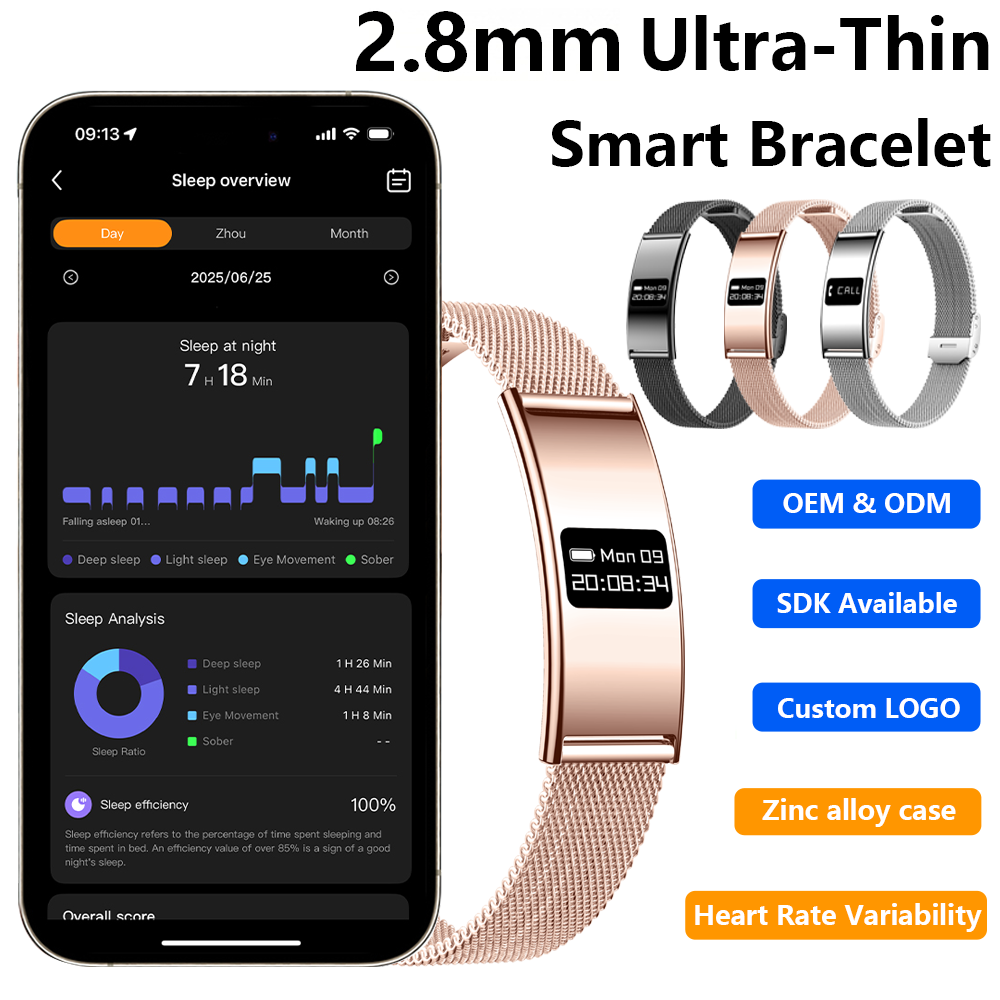
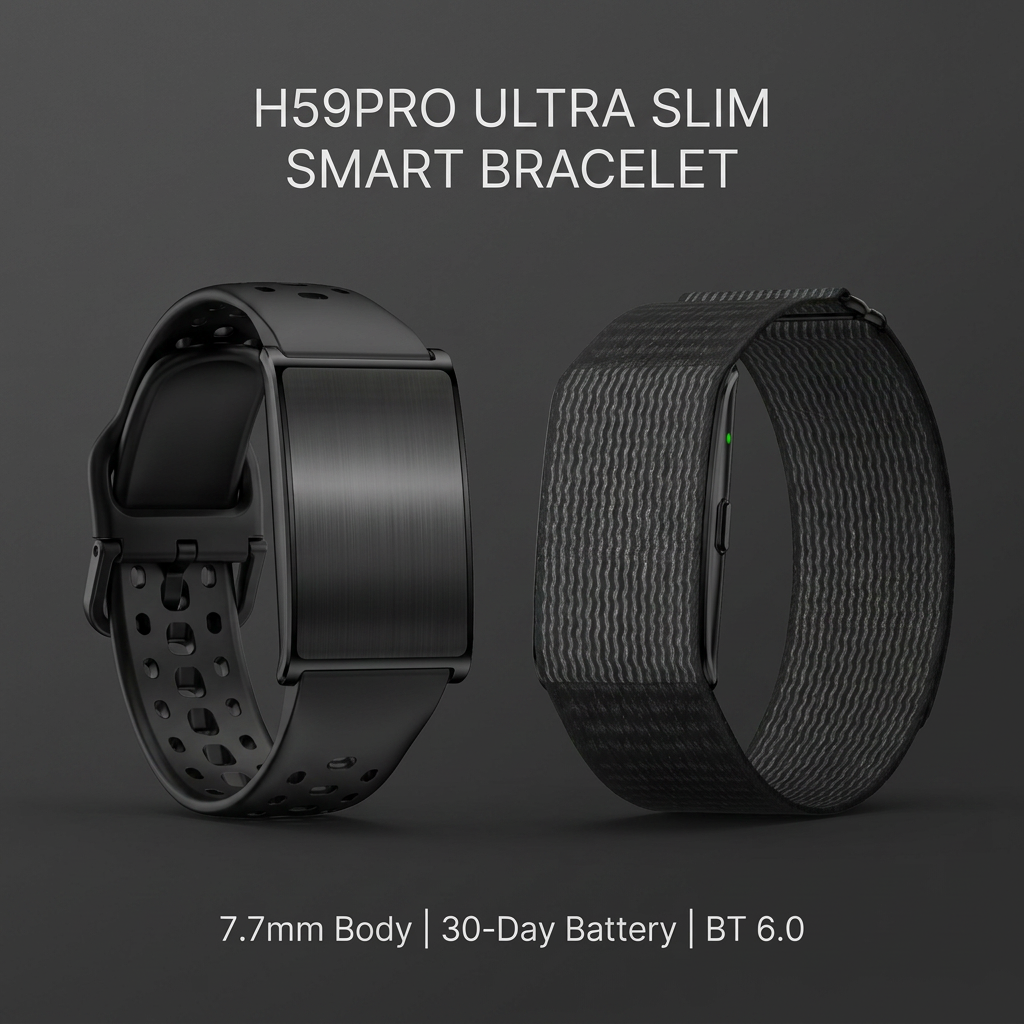
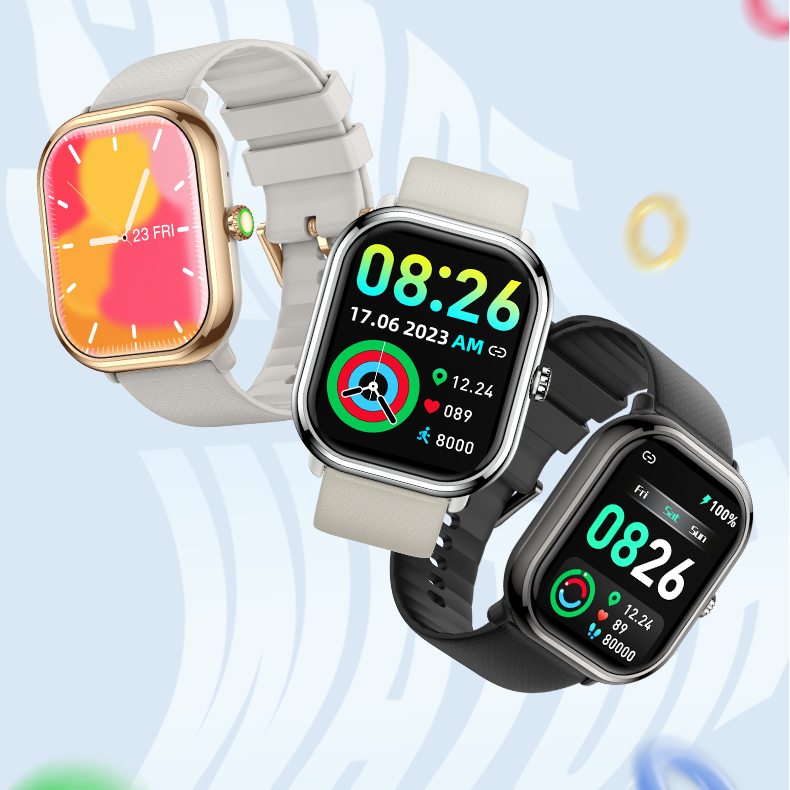
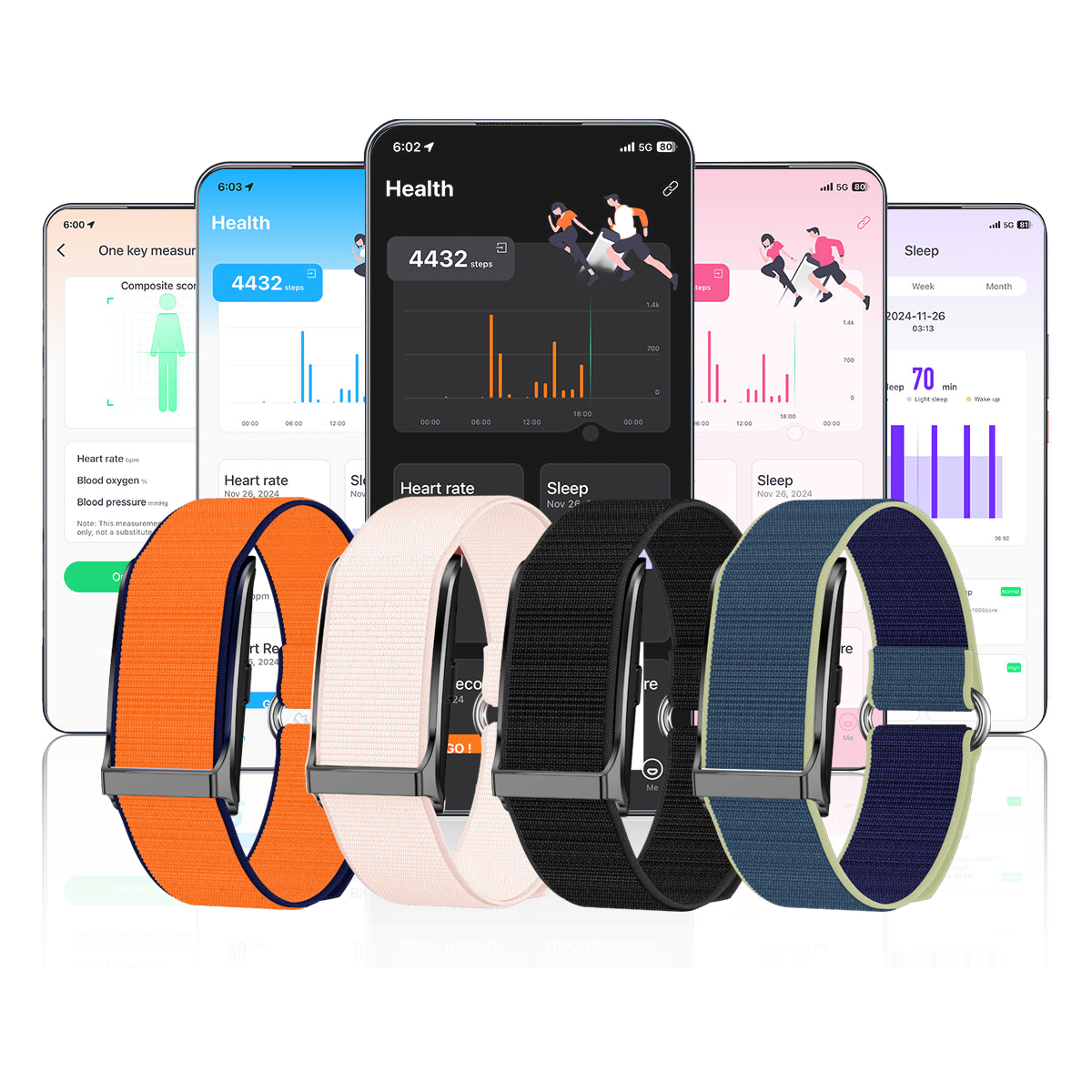
Biometric Wearable Engineering for Dong Nai's Industrial Infrastructure
Bien Hoa represents the primary industrial engine of Dong Nai Province, standing alongside Binh Duong and Ho Chi Minh City as Vietnam’s southern economic corridor. Home to extensive industrial parks including Bien Hoa 1, Bien Hoa 2, Amata Industrial Park, and Long Binh Industrial Zone (Loteco), the region hosts hundreds of multinational manufacturing enterprises across electronics, footwear, automotive assembly, and chemical processing. In these high-throughput operational environments, worker physiological strain, workplace heat stress, cardiovascular fluctuations, and assembly fatigue pose tangible risks to plant uptime, occupational safety compliance, and employee retention.
For B2B procurement officers, systemic health insurance aggregators, and consumer wearable distributors operating in Bien Hoa, procuring health bracelets directly from precision Chinese export manufacturing centers requires rigorous scrutiny of hardware reliability. As modern industrial logistics demand greater algorithmic accuracy, traditional entry-level step counters are obsolete. The Bien Hoa manufacturing landscape requires smart bracelets featuring multi-wavelength photoplethysmography (PPG), oscillometric micro-cuff air pumps, ECG/HRV analytical chipsets, and long-autonomy low-power architectures capable of surviving humid tropical manufacturing conditions.
Hyper-Localized Application Scenarios Across Bien Hoa Industrial Sectors
Deploying smart physiological hardware in Bien Hoa demands specialized physical and architectural considerations tailored specifically to regional manufacturing realities:
Plant Worker Ergonomics & Heat Index Monitoring
Within large-scale footwear and plastic molding plants in Loteco and Amata, summer internal factory temperatures frequently exceed 35°C with ambient humidity exceeding 80%. Continuous core body temperature estimations, peripheral blood oxygen (SpO2), and elevated heart rate triggers prevent heat exhaustion incidents on high-density production lines without interrupting workflow.
Electronics Cleanroom Non-Intrusive Safety
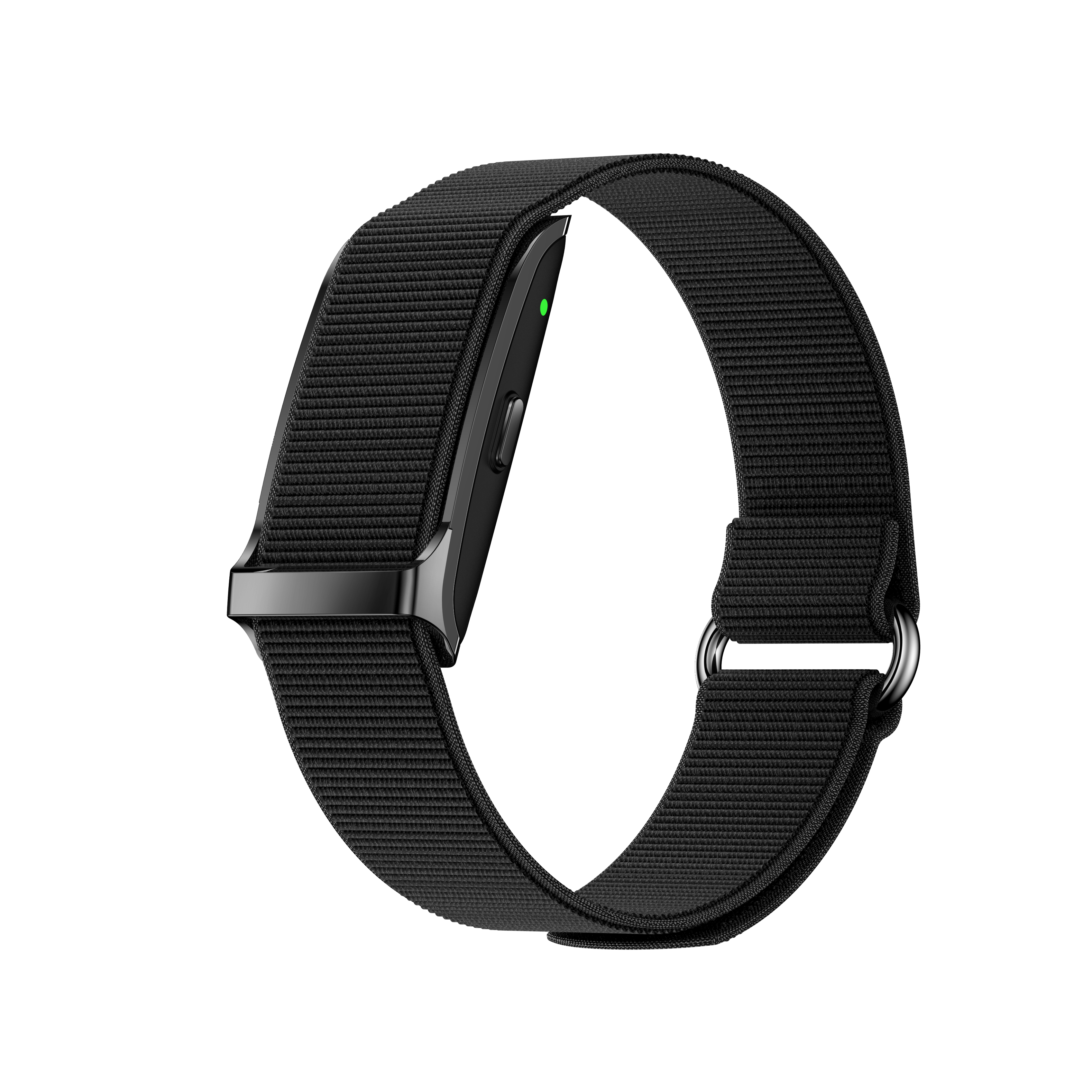
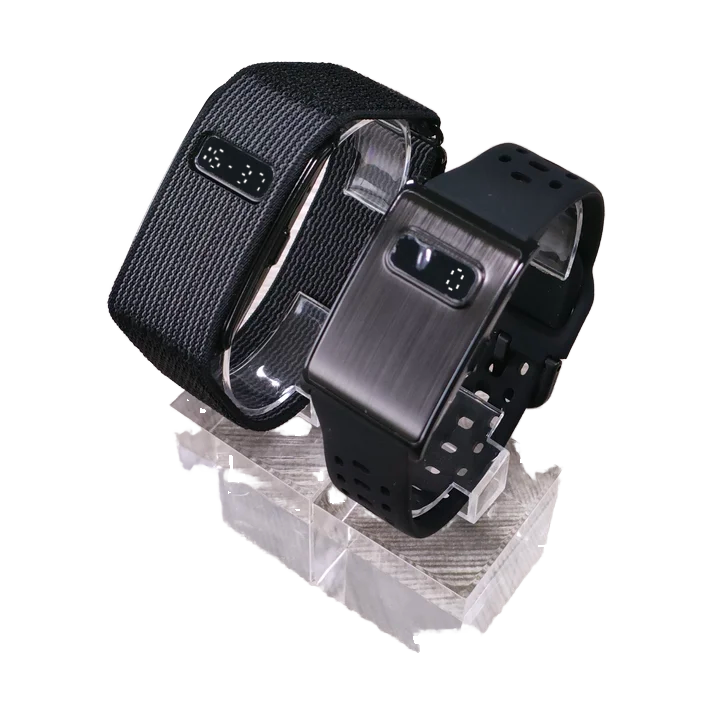
For semiconductor and precision PCB assembly facilities across Bien Hoa 2, standard consumer smartwatches with interactive color touchscreens present operational distractions and strict cleanroom contamination hazards. Screenless smart bands—such as the H59 and H59 Pro—utilize chemically inert, anti-static fluoroelastomer or medical-grade silicone straps. These devices operate passively in the background, logging vitals and broadcasting via Bluetooth Low Energy (BLE 5.0/6.0) without requiring operator interface manipulations.
Shift-Work Sleep & Cardiovascular Fatigue Recovery
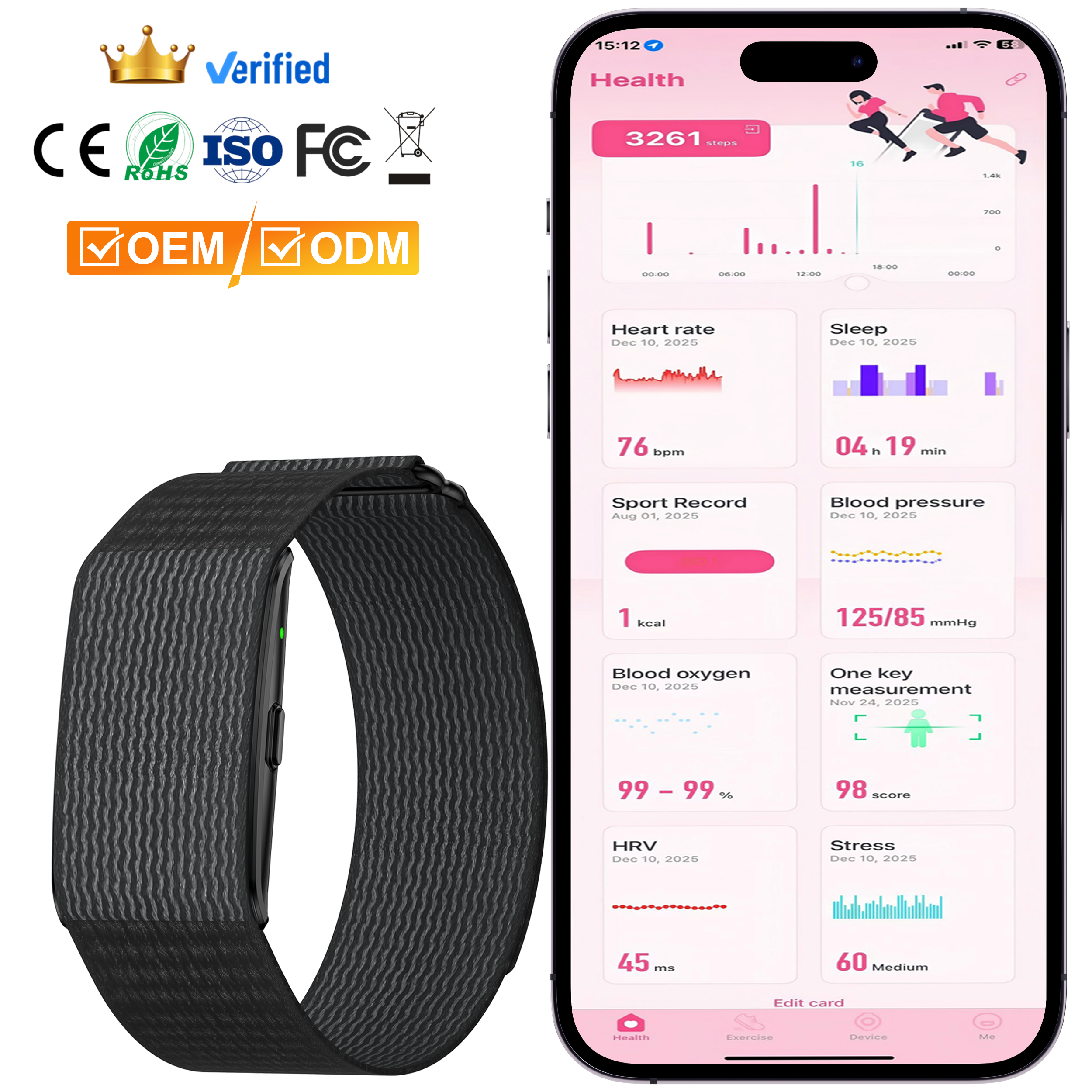
Continuous rotating 3-shift schedules common in Bien Hoa's metallurgical and chemical processing sectors alter circadian cycles. Hardware featuring heart rate variability (HRV) analysis, autonomic nervous system stress algorithms, and deep/light sleep phase tracking enables occupational health teams to evaluate workforce physiological recovery, optimizing rotation rosters based on objective biometric strain indicators.
Biometric Telemetry Trends Reshaping the Southern Vietnam Market
The wearable landscape across Southern Vietnam is pivoting rapidly away from generic novelty fitness monitors toward medically aligned data collection instruments and enterprise-managed endpoints. Five clear technological transformations govern regional procurement demand:
1. Shift to Standalone Sensor Architectures & Nordic Semiconductor SoCs: Vietnamese enterprise buyers increasingly reject unreliable low-tier processors. Contemporary deployments prioritize architectures powered by Nordic Semiconductor (such as the nRF52840 and next-generation nRF54L15 series) or low-power Realtek microcontrollers. These systems ensure low transmission latency, Bluetooth 5.4/6.0 capability, hardware-level AES-128 cryptographic security, and minimal current draw, sustaining battery lifespans ranging from 20 to 50 days in screenless form factors.
2. Oscillometric Micro-Pump Hardware vs. Estimated Photoplethysmography: Standard optical green-light sensors only calculate blood pressure trends via pulse transit time (PTT)—an approach sensitive to arm position, melanin, and vascular elasticity. Buyers supplying corporate wellness, private clinics, and aging demographics in Dong Nai now explicitly require true oscillometric micro air-pumps built directly into the bracelet housing and cuff lining (similar to the TK65 and GS500 models), creating pneumatic occlusion identical to traditional clinical sphygmomanometers.
3. Open API & Local Mobile SDK Integration: Enterprise operations in Bien Hoa require custom dashboard integrations. Procurement teams prioritize Chinese manufacturing partners offering native Android and iOS Software Development Kits (SDKs), accompanied by full documentation for reading raw sensor values (PPG photodiode voltage drops, tri-axis accelerometer vectors, and raw ECG mV traces) directly into localized private cloud servers, complying with Vietnamese data localization mandates under the Law on Cybersecurity.
4. Industrial-Grade Environmental Sealing: The Mekong-adjacent tropical monsoon climate subjects electronic hardware to severe condensation risks, aggressive ionic sweat corrosion, and high moisture vapor penetration. Simple splash resistance fails within months. B2B contracts strictly dictate IP68 dual-chamber adhesive bonding or 1ATM to 5ATM pressure ratings verified via automated negative and positive air-pressure differential decay test instruments.
Dongguan Brainox Technology: Industrial Sourcing Benchmarks
Verified physical capabilities, laboratory testing infrastructure, and production capacities deployed for our export partners across Southeast Asia.
Engineering Strengths Backing Bien Hoa Importers
Based in Songshan Lake, Dongguan—the world's most concentrated cluster for microelectronics, precision injection tooling, and battery chemistry—Dongguan Brainox Technology Co., Ltd. bridges advanced R&D with stringent export execution.
01 SGS On-Site Audited Facilities
Our operational premises, legal status, testing equipment lines, and corporate capacities are verified in-person by SGS Group. Buyers avoid trading-intermediary ambiguity through documented proof of physical engineering infrastructure.
02 Sensor Stack Transparency
We provide exact engineering clarity on algorithmic performance. We clearly distinguish between cuff-based air pump oscillometry, single-lead dry electrode ECG, dual-wavelength red/infrared PPG SpO2, and baseline green-light PPG, preserving brand reputation.
03 4-Tier Customization Flexibility
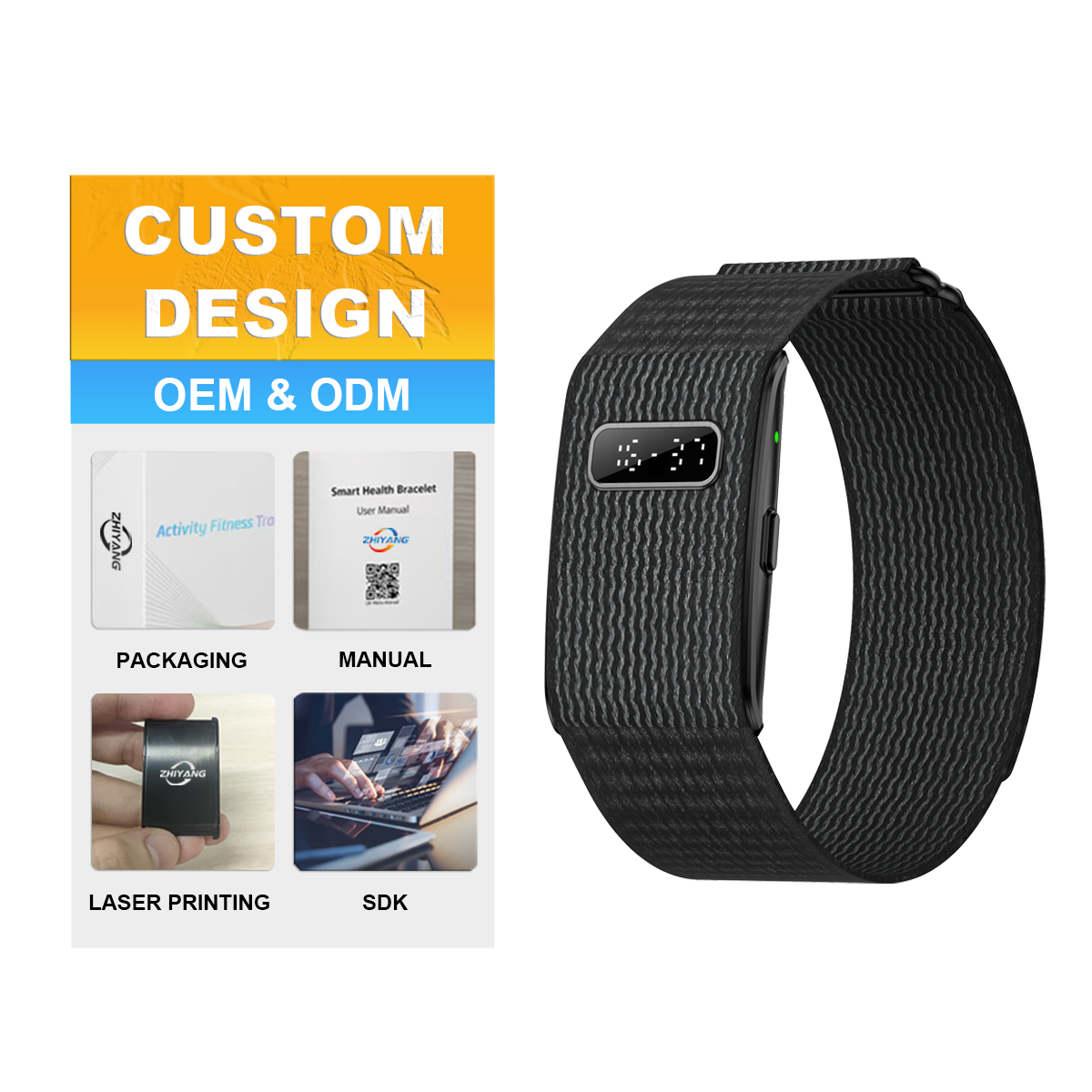
From minor branding (laser case engraving, custom watch faces, gift box packaging) to full architectural ODM development (bespoke casing molds, custom PCBA layout, tailored firmware bootloaders, and localized Vietnamese companion apps).
04 Environmental Climate Simulation
Every model SKU undergoes accelerated thermal cycling inside programmable constant temperature and humidity chambers (-20°C to 60°C, 95% RH) to guarantee device performance in Dong Nai’s sweltering wet season.
05 Battery Grading & Safety Transport
Every lithium polymer cell undergoes automated battery divider capacity grading and impedance sorting. Shipments comply strictly with UN38.3, MSDS, and air/sea carriage safety regulations to prevent customs detentions at Cat Lai or Cai Mep ports.
06 Multilingual Firmware & Localization
Native character font encoding supports complex Vietnamese diacritical marks across UI notifications, user manuals, and packaging, eliminating font rendering bugs on modern display panels.
Frequently Asked Questions for Bien Hoa Buyers
Critical operational, regulatory, technical, and shipping considerations addressed for corporate importers and brand distributors in Dong Nai Province.
How are health bracelet shipments typically cleared through customs into Dong Nai via Cat Lai Port or Tan Son Nhat?
Can the companion health mobile application be fully localized into Vietnamese, and can health data be routed to internal private servers?
How does Brainox ensure smart bracelet durability against the extreme humidity and sweat conditions of Southern Vietnam?
What is the practical difference between optical blood pressure estimation and cuff-based air pump wristbands for factory clinical monitoring?
What are the minimum order quantities (MOQ) and production lead times for custom OEM/ODM branded projects?
Ready to Engineer Your Health Bracelet Portfolio for Bien Hoa?
Consult directly with our Dongguan engineering team to request sample evaluation units, hardware technical datasheets, raw sensor API documentation, or an audited factory quotation tailored to your market volumes.
Send an Inquiry