Featured Smart Wearable Systems for Healthcare & Institutional Procurement
Custom OEM/ODM configurations engineered with low-power consumption, certified physiological sensors, and carrier-ready connectivity.
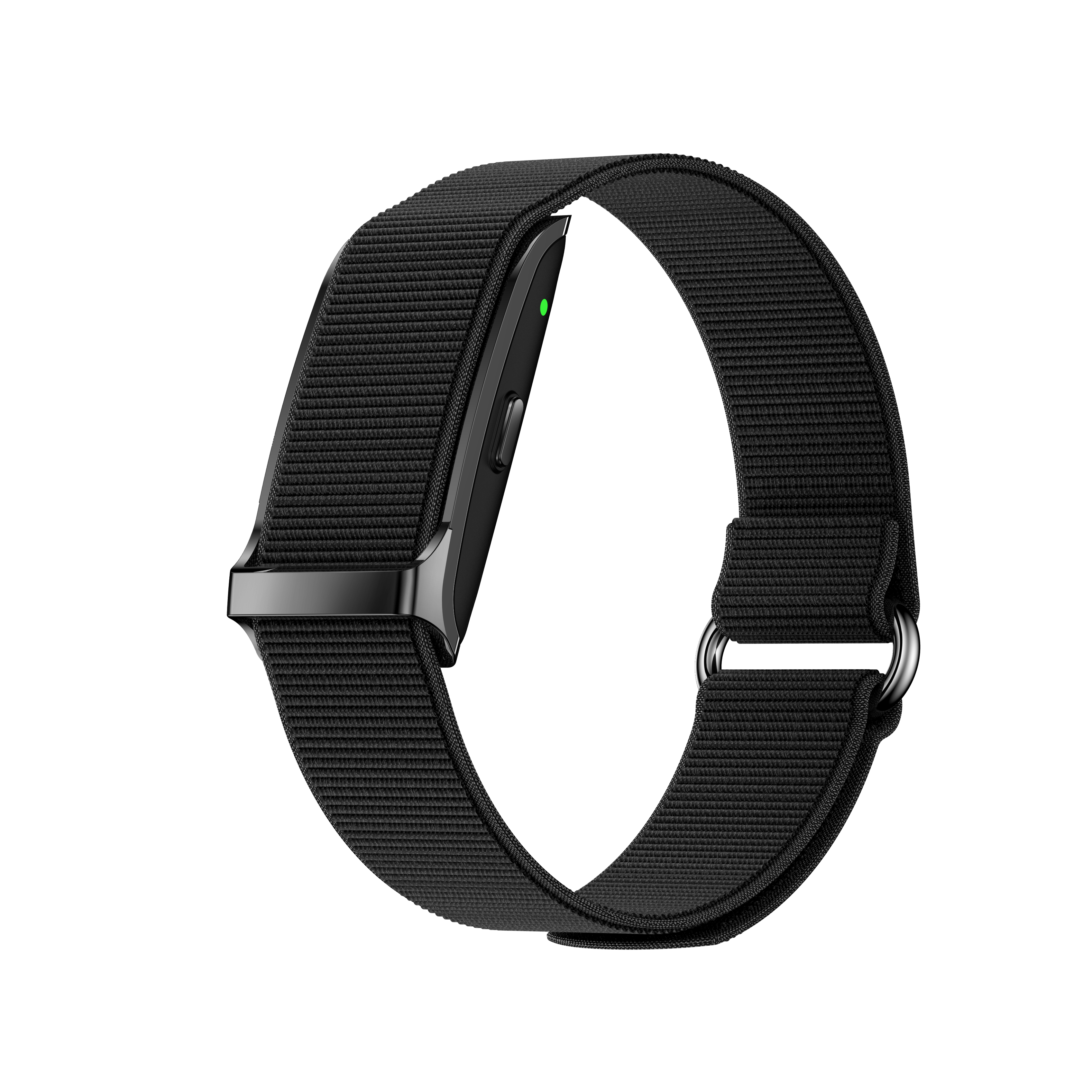
H59 Smart Bracelet Blood Pressure Heart Rate Tracker
Screenless low-profile architecture with open SDK integration, 24/7 continuous cardiac telemetry, and IP68 waterproof housing tailored for assisted living facilities.
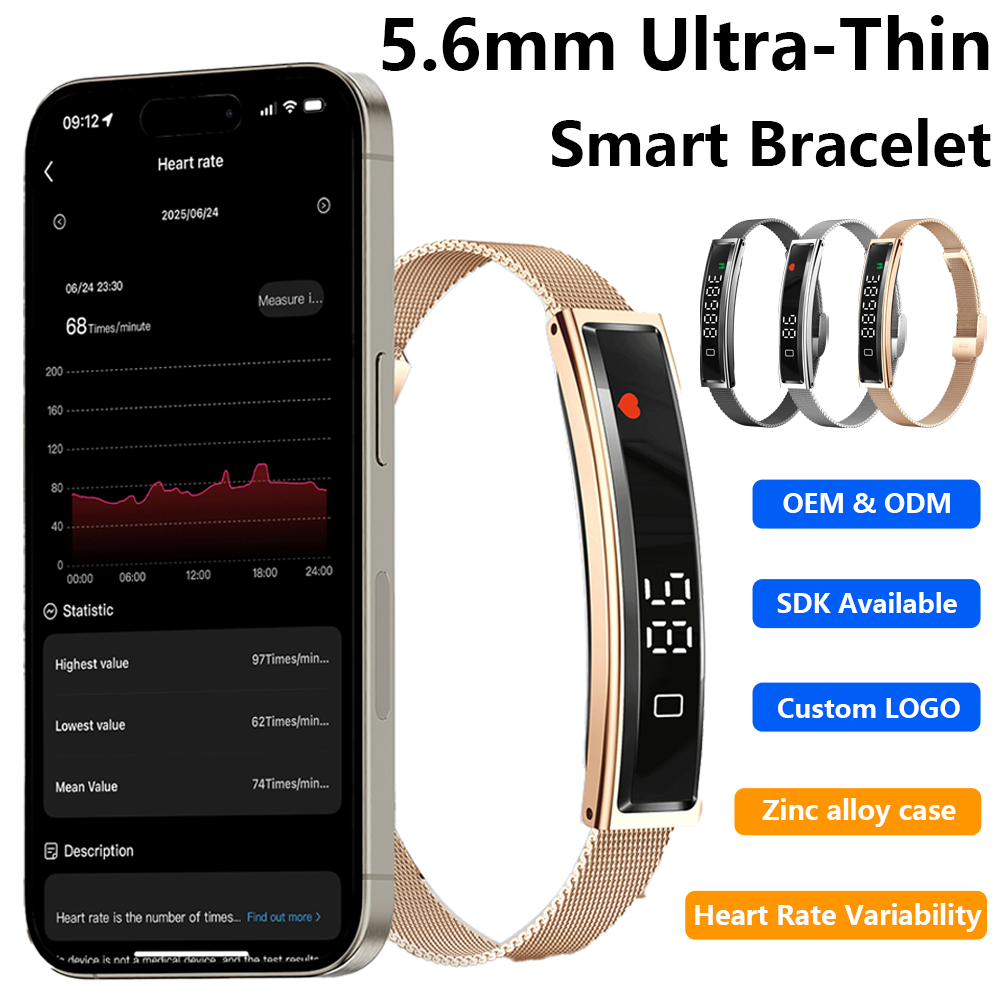
B3 Smart Bracelet 5.6mm Ultra-Thin SpO2 Tracker
Minimalist 5.6mm chassis equipped with high-accuracy pulse oximetry, cardiac cycle analysis, and sleep phase monitoring designed for unencumbered day-night wear.
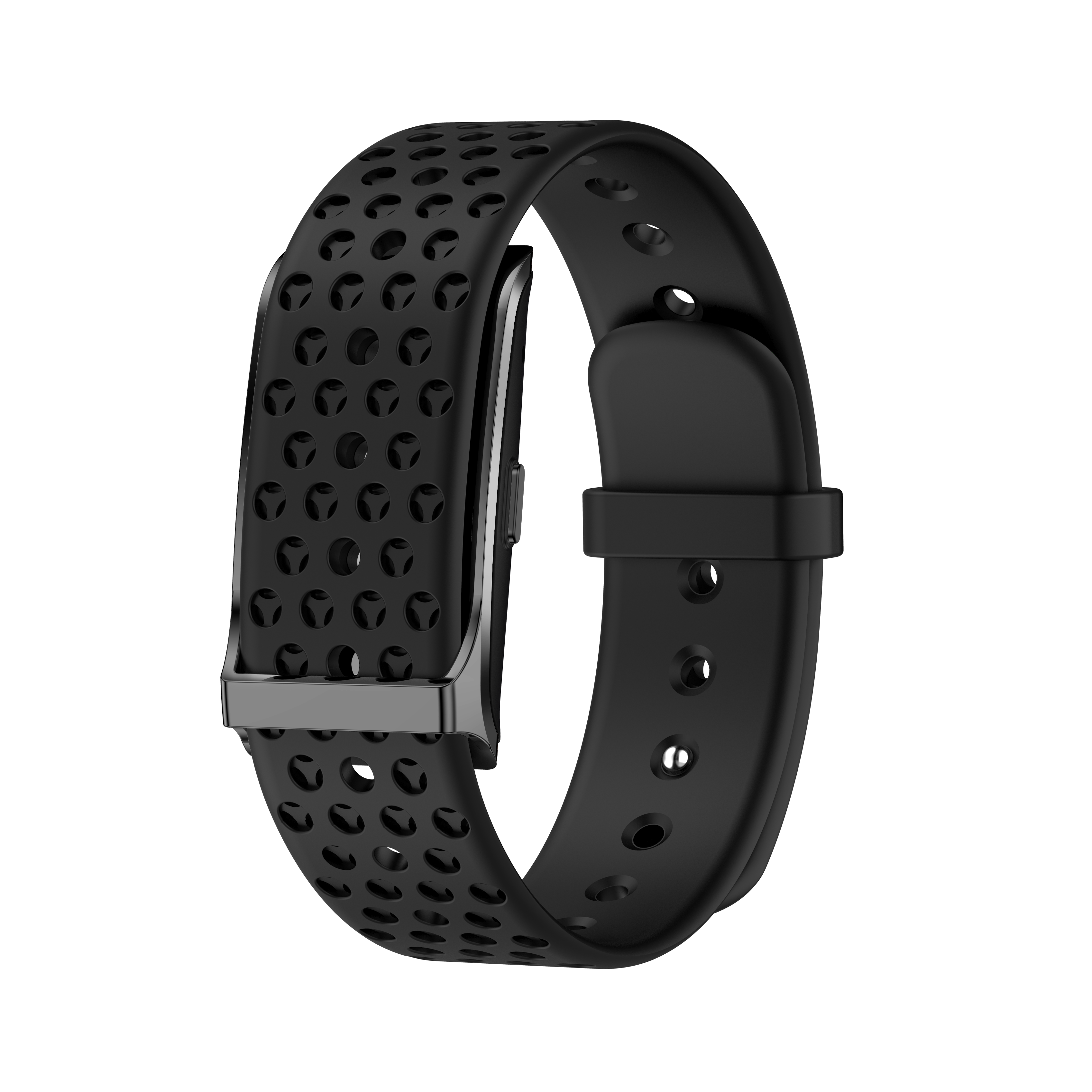
H59 Screenless Sleep & Activity Connected Bracelet
Distraction-free telecare wearable prioritizing multi-stage sleep architecture analysis, autonomic recovery assessment, and non-intrusive geriatric oversight.
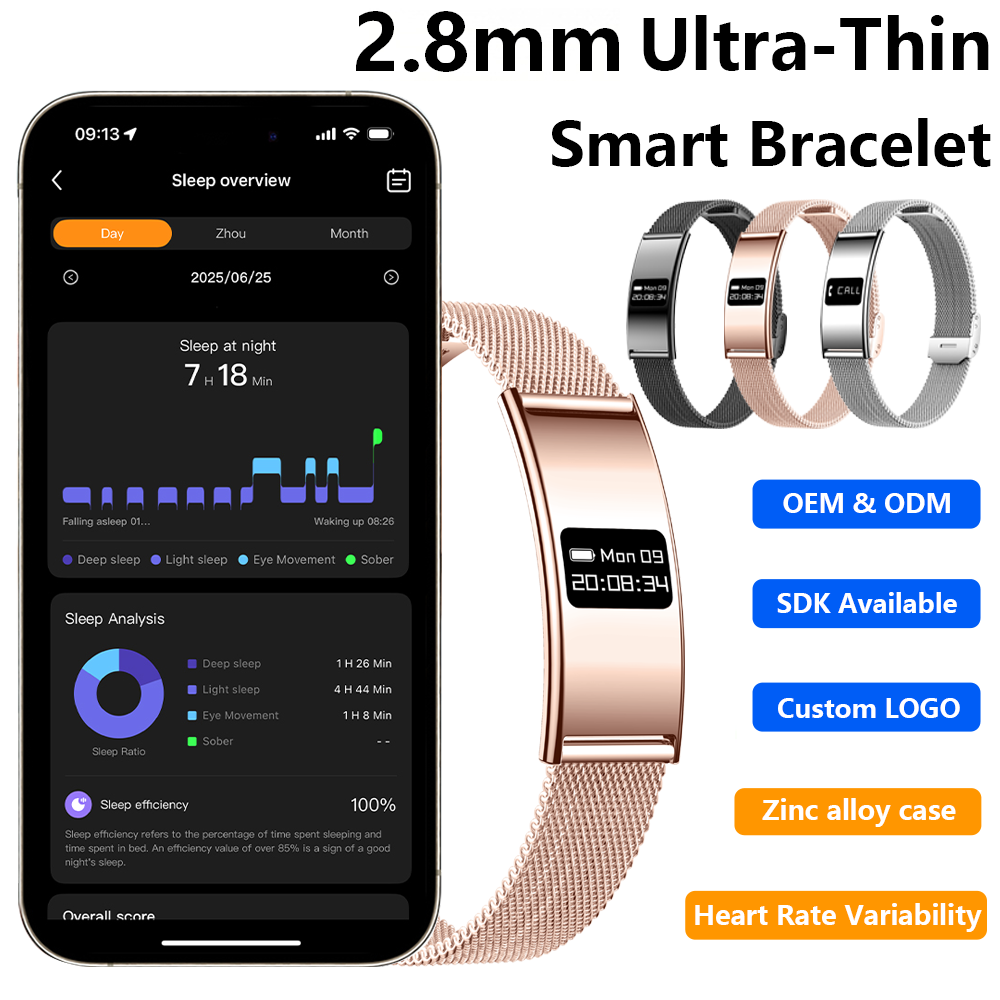
B8 2.8mm Ultra-Thin Precision HRV Smart Band
Breakthrough mechanical profiling featuring continuous Heart Rate Variability tracking, autonomic nervous system stress indicators, and extended cycle runtimes.
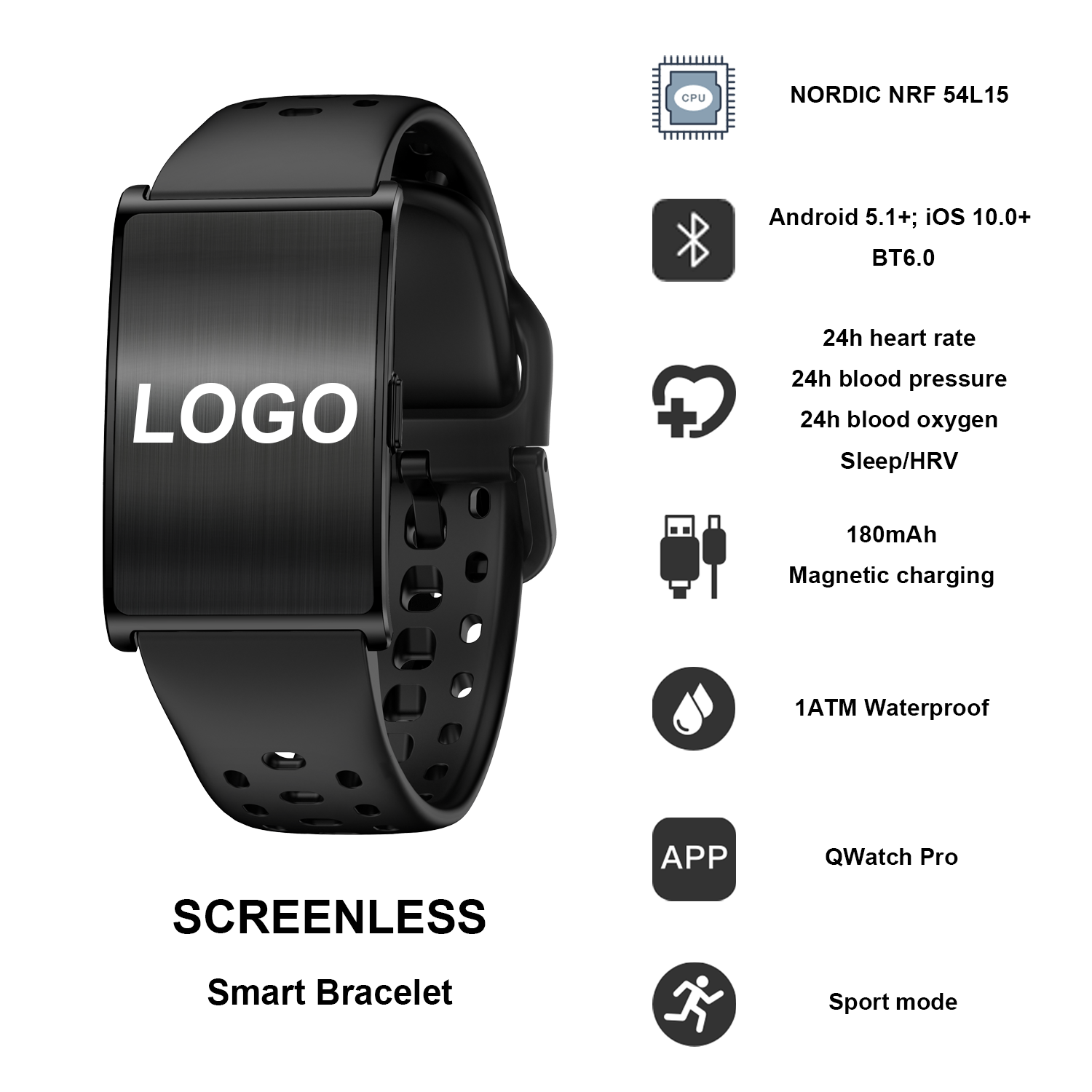
H59Pro Smart Band Screenless HRV & SpO2 System
Autonomous biometric data recorder with medical-grade photoplethysmography sensors, sedentariness detection, and cloud-synced emergency alerting capabilities.
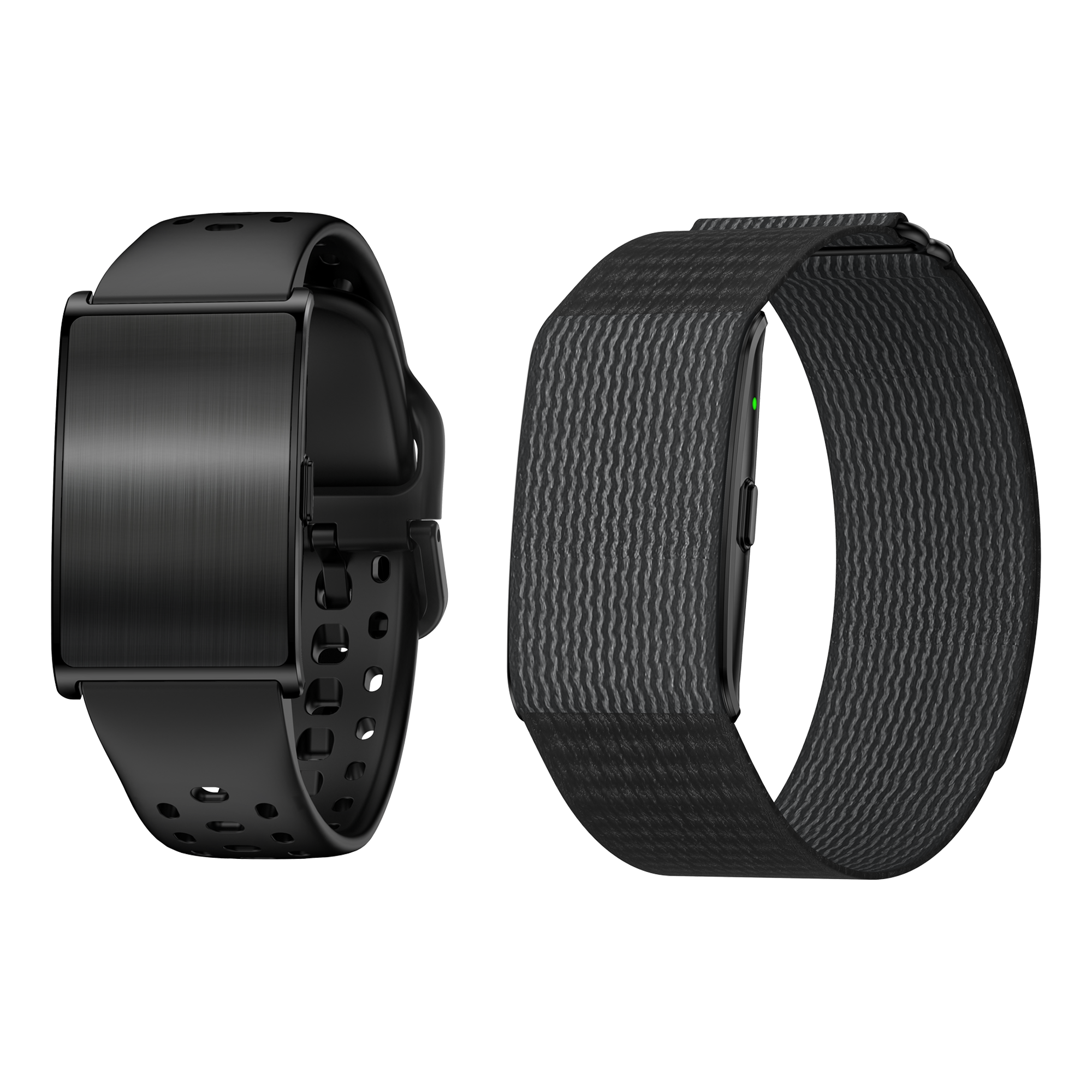
H59MAX AI Health Report Smart Band (50-Day Standby)
Features real-time algorithmic health analysis, voice-call handling, GPS tracking via app, and up to 50 days of standby for remote monitoring deployments.
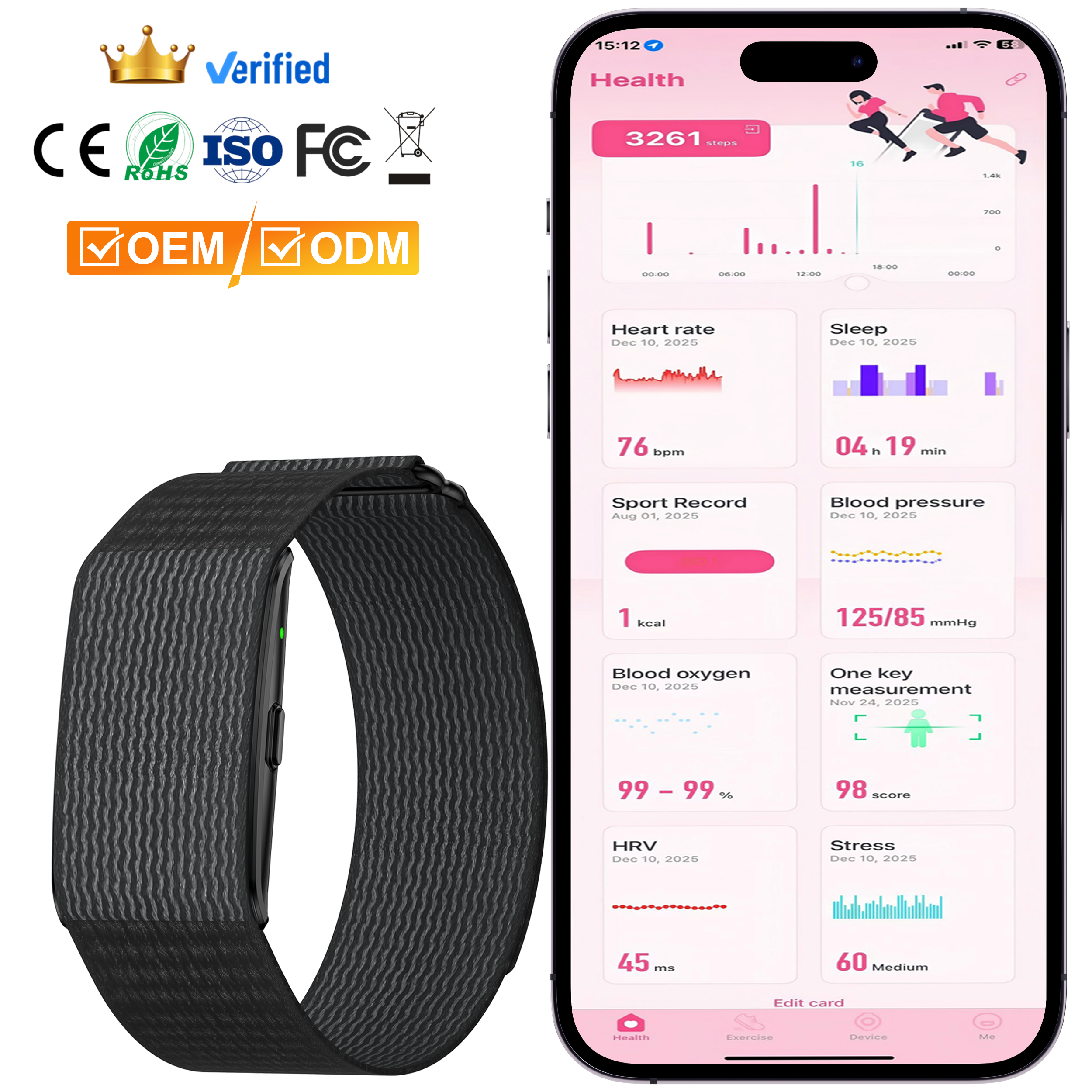
H59Pro NRF54L15 BT 6.0 Continuous Health Tracker
Ultra-low power Nordic NRF architecture providing Bluetooth 6.0 connectivity, rapid cold-start positioning, 1ATM pressure-sealed chassis, and 30-day battery cycles.
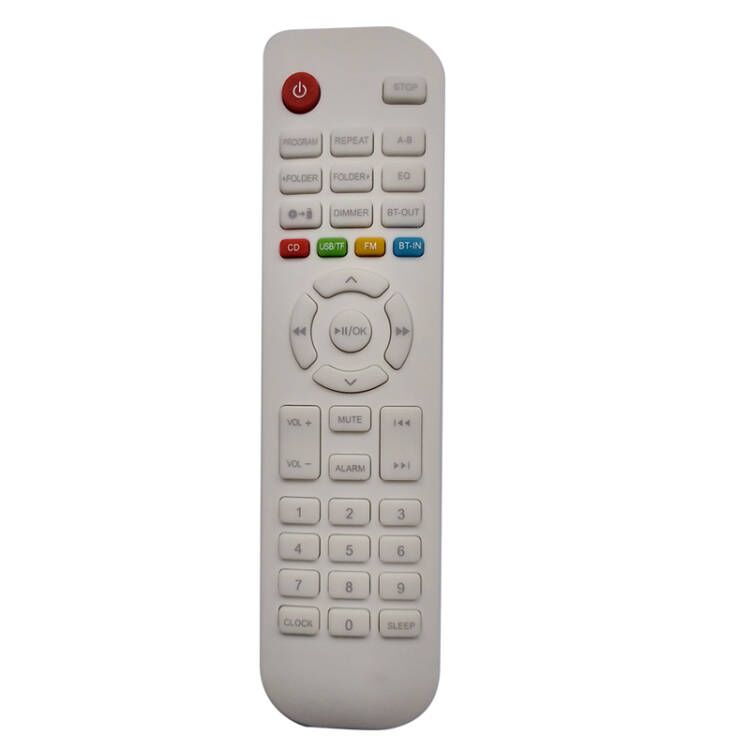
Custom 38-Key Senior-Friendly Terminal Controller
High-tactile auxiliary terminal for integrated IPTV, nursing-home call systems, and assistive living entertainment systems with custom silk-screen branding.
Overcoming Winter Geodynamics: Fall Detection Engineering Serving Sapporo
Why sub-zero sub-Arctic urban dynamics require fundamentally different IMU sensor fusion and cellular architectures.
As the primary economic and urban focal point of Hokkaido Prefecture, Sapporo confronts an unprecedented convergence of extreme demographic aging and severe seasonal meteorology. With over 27% of its municipal population classified as senior citizens (aged 65 and above), and a documented annual snowfall exceeding 5 meters, the city experiences acute spikes in winter accidental injuries. For municipal healthcare directors, private nursing networks (Kaigo providers), and medical equipment distributors across Chuo-ku, Kita-ku, and Minami-ku, deploying an off-the-shelf consumer smartwatch often results in catastrophic false-alarm ratios or total operational failure.
Traditional accelerometer-driven fall algorithms are calibrated inside controlled environments simulating simple indoor collapses. However, outdoor movement throughout Sapporo's winter introduces frozen, compacted snow (known locally as atsu-setsu), black ice on curb intersections, and heavy layers of thermal winter insulation (such as down parkas). These environmental factors introduce mechanical damping that severely obscures the deceleration impact wave recognized by conventional tri-axial sensors. Dongguan Brainox Technology Co., Ltd. specifically addresses this vulnerability by deploying high-performance 6-axis IMU sensors (accelerometer combined with a high-bandwidth gyroscope) coupled with our proprietary 3-Stage Winter Dynamic Fusion Logic.
Stage 1: Pre-Impact Vector Drift
Continuous monitoring of vertical centroid displacement and rotational angular velocity. Detects slip-and-catch maneuvers and rapid balance loss over icy pavement within a 120ms capture window.
Stage 2: Kinetic Decay Signatures
Differentiating snowbank impacts from hard concrete collisions. Our algorithms calculate the energy attenuation curve to prevent false triggers during sitting down into padded snow.
Stage 3: Post-Impact Physiological Check
Following a confirmed collapse, the watch initiates immediate optical PPG monitoring to detect sudden tachycardia or bradycardia, confirming medical emergency prior to automated emergency transmission.
Sub-Zero Battery Architecture: Surviving Hokkaido's Frigid Winters
Standard lithium-cobalt pouch cells undergo severe chemical passivation when exposed to prolonged temperatures below -10°C, causing sudden internal resistance spikes, catastrophic voltage drops, and premature terminal shutdown. During a winter fall in Hokkaido, an unhardened device will inevitably shut down precisely when emergency SOS dispatch is triggered.
Brainox integrates low-temperature electrolyte chemistries and nano-silicon composite anodes within its 4G fall-detection chassis (such as our H01C series). This structural chemical tuning maintains cell impedance within safe operating boundaries down to -25°C, ensuring the wearable preserves full LTE RF amplification capacity and maintains reliable satellite ephemeris synchronization regardless of outdoor thermal exposure.
High-Impact Regional Application Scenarios Across Sapporo
Meeting the operational mandates of Japan's Long-Term Care Insurance (LTCI) ecosystem and localized urban dynamics.
| Deployment Domain | Operational Environment | Critical Sensor & Network Needs | Brainox Technological Solution |
|---|---|---|---|
| Solitary Dwellers (Dokusho Ronin) | Chuo-ku residential high-rises and private apartments | Sub-surface Wi-Fi RSSI indoor positioning, passive 24H sleep & vitals telemetry, non-screen comfort | H59Pro / H59MAX with open SDK cloud integration for municipality-approved welfare dashboard monitoring. |
| Nursing Homes & Day Care (Day Service) | Institutional assisted living in Kita-ku and Shiroishi-ku | Multi-ward BLE beacon triangulation, unified multi-device management, zero manual calibration | Centralized BLE gateway roaming architecture with automated fall, wander, and cardiac arrhythmia alarms. |
| Outdoor Mobility & Active Seniors | Odori Park, suburban transit corridors, Maruyama terrain | Autonomous 4G LTE-M/VoLTE, Multi-GNSS satellite acquisition, severe cold-weather battery retention | H01C ruggedized 4G fall-alert terminal featuring dedicated hardware SOS call triggers and IP68 sealing. |
| Dementia Support & Wander Relief | Suburban outskirts and heavy snowfall municipal zones | Sub-zero cold-start GPS fix, hybrid geo-fencing, low-latency cellular tracking | Assisted GPS (A-GPS) engine caching satellite ephemeris, delivering exact coordinates within 8 seconds of alert. |
Japanese Regulatory & Telecommunications Architecture
Exporting smart wearables to Japan necessitates strict compliance with Ministry of Internal Affairs and Communications (MIC) statutes. Cellular and RF devices must be engineered to hold or cleanly pass Japanese Radio Law Giteki (Technical Conformity Mark) verification. Dongguan Brainox Technology designs its 4G LTE modules around universal module bands natively compatible with NTT Docomo, SoftBank, and au (KDDI), including Band 1, Band 3, Band 8, Band 18, and Band 19 (800MHz Platinum Band), which is vital for uninterrupted connectivity across Hokkaido's mountain-shielded valleys.
Dongguan Brainox Technology Co., Ltd. — Factory Advantages & QC Mastery
Combining world-class Songshan Lake hardware manufacturing agility with verifiable quality control methodologies.
Headquartered in Songshan Lake, Dongguan—the epicenter of global microelectronics and precision hardware—Brainox operates as an SGS on-site verified Multispecialty Supplier. Unlike pure commercial trading intermediaries, we run our own 15-instrument quality inspection laboratory managed by 5+ veteran hardware and firmware engineers. Every single unit bound for high-compliance markets like Sapporo passes our documented 19-step quality lifecycle.
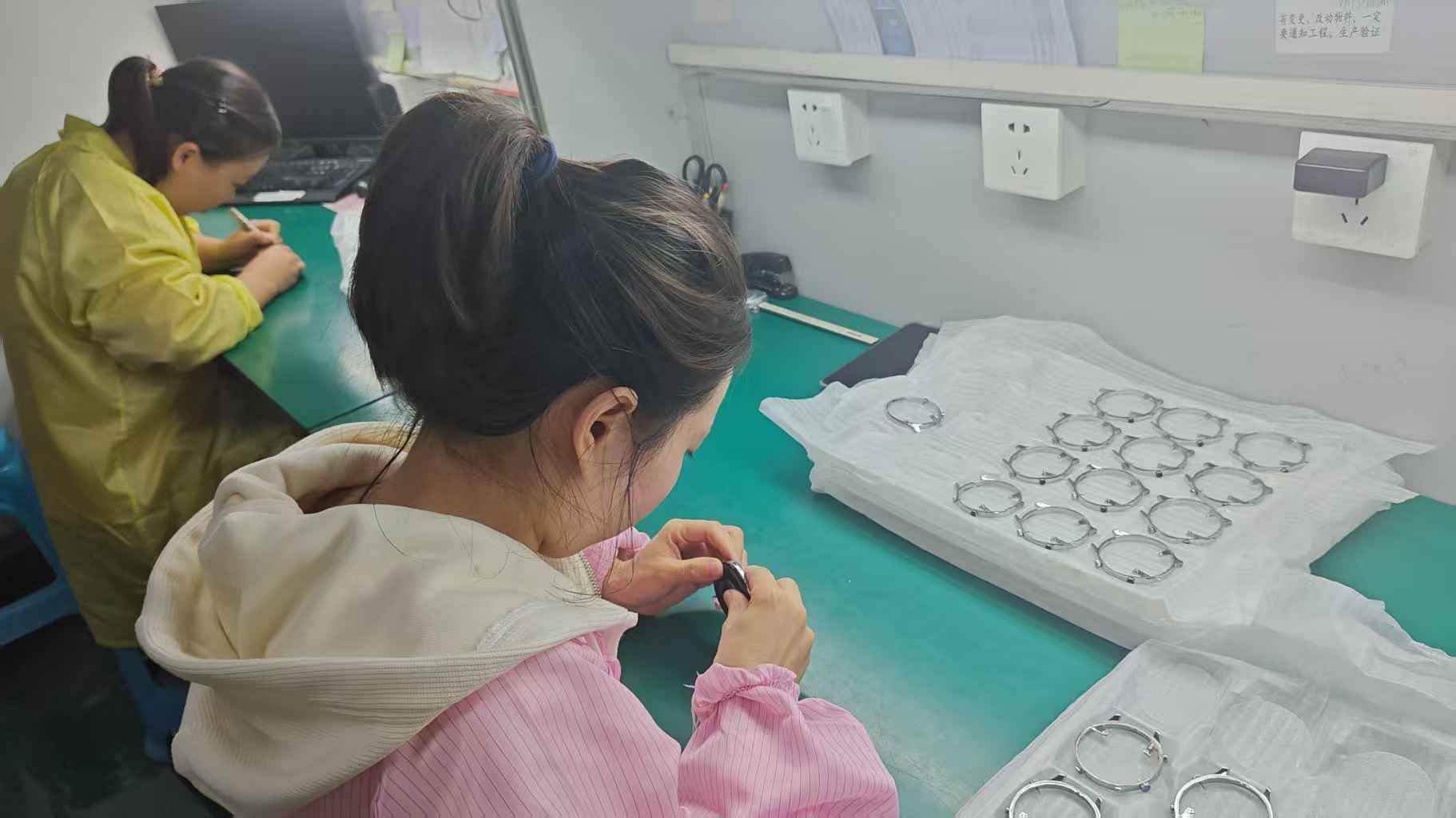
IQC Verification 01
100% material inspection of incoming ICs, Nordic SoCs, OLED panels, and pure polymer cells.
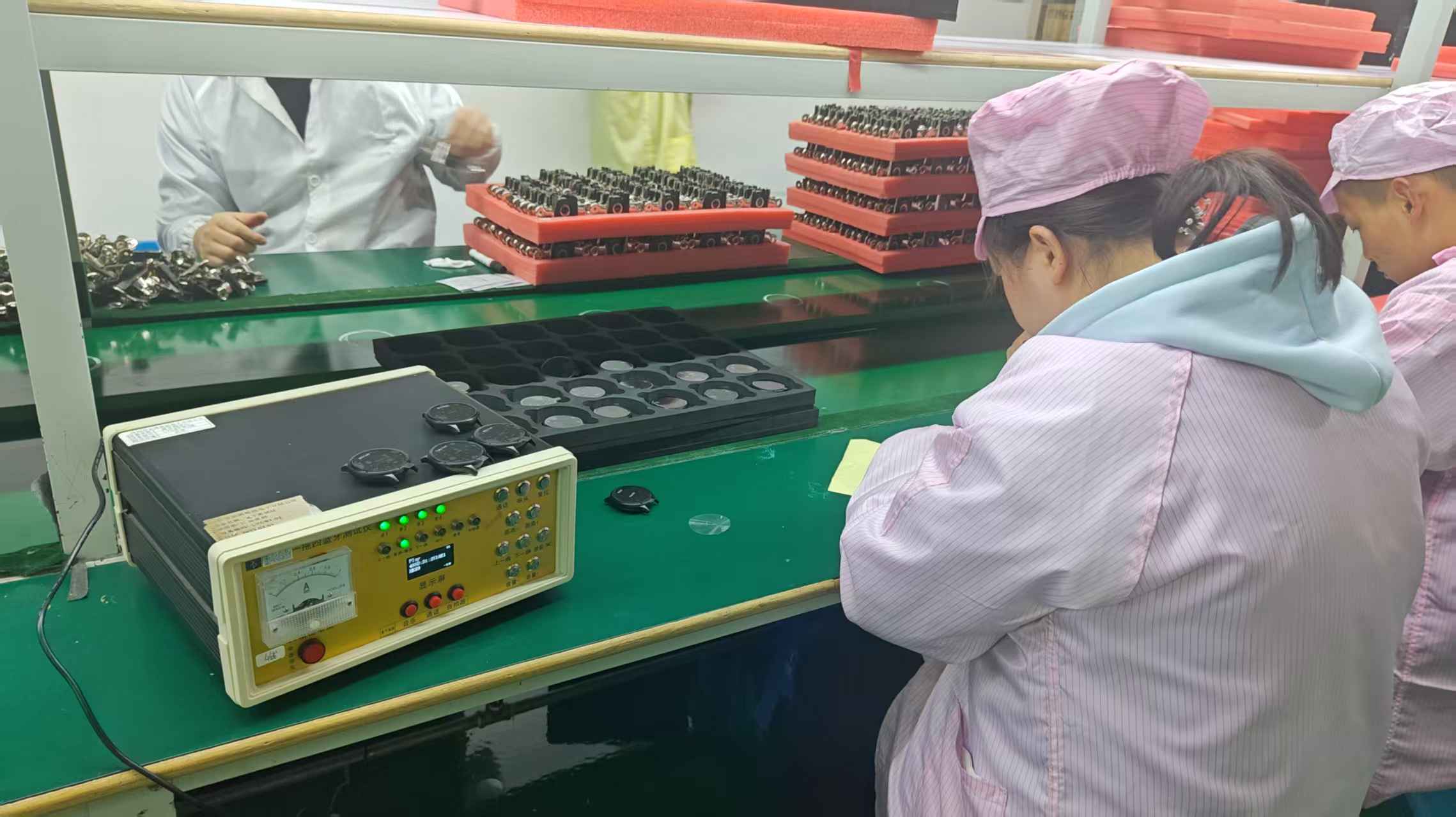
RF & Bluetooth Test 02
Comprehensive spectrum validation of antenna match, BLE sensitivity, and transmit gain.
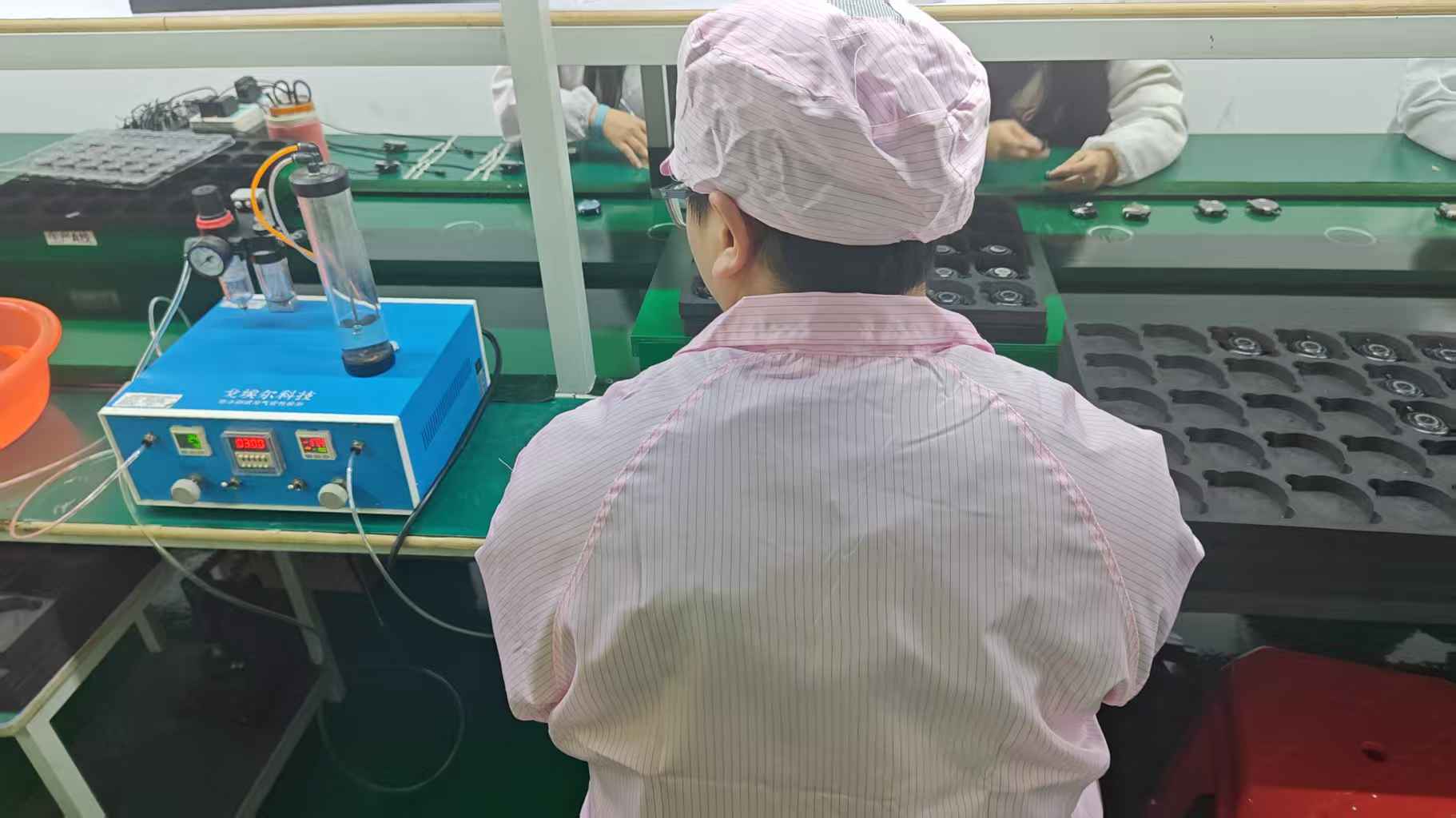
Immersion Pressure 03
Direct hydro-static sealing verification validating IP67, IP68, and 1ATM ingress thresholds.
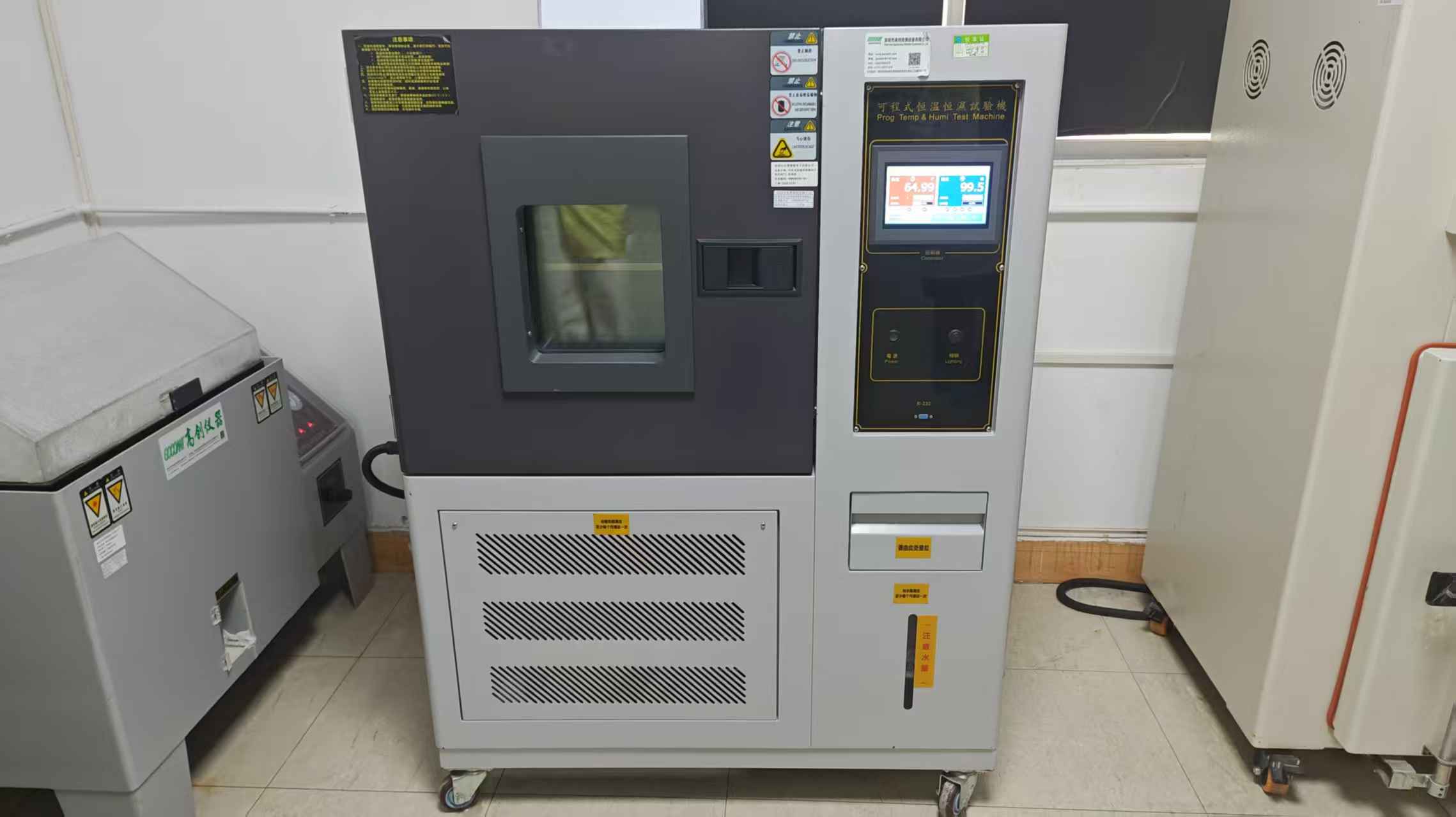
Thermal Cycle Lab 08
Programmable environmental testing from -25°C to 55°C, ensuring flawless winter operation.
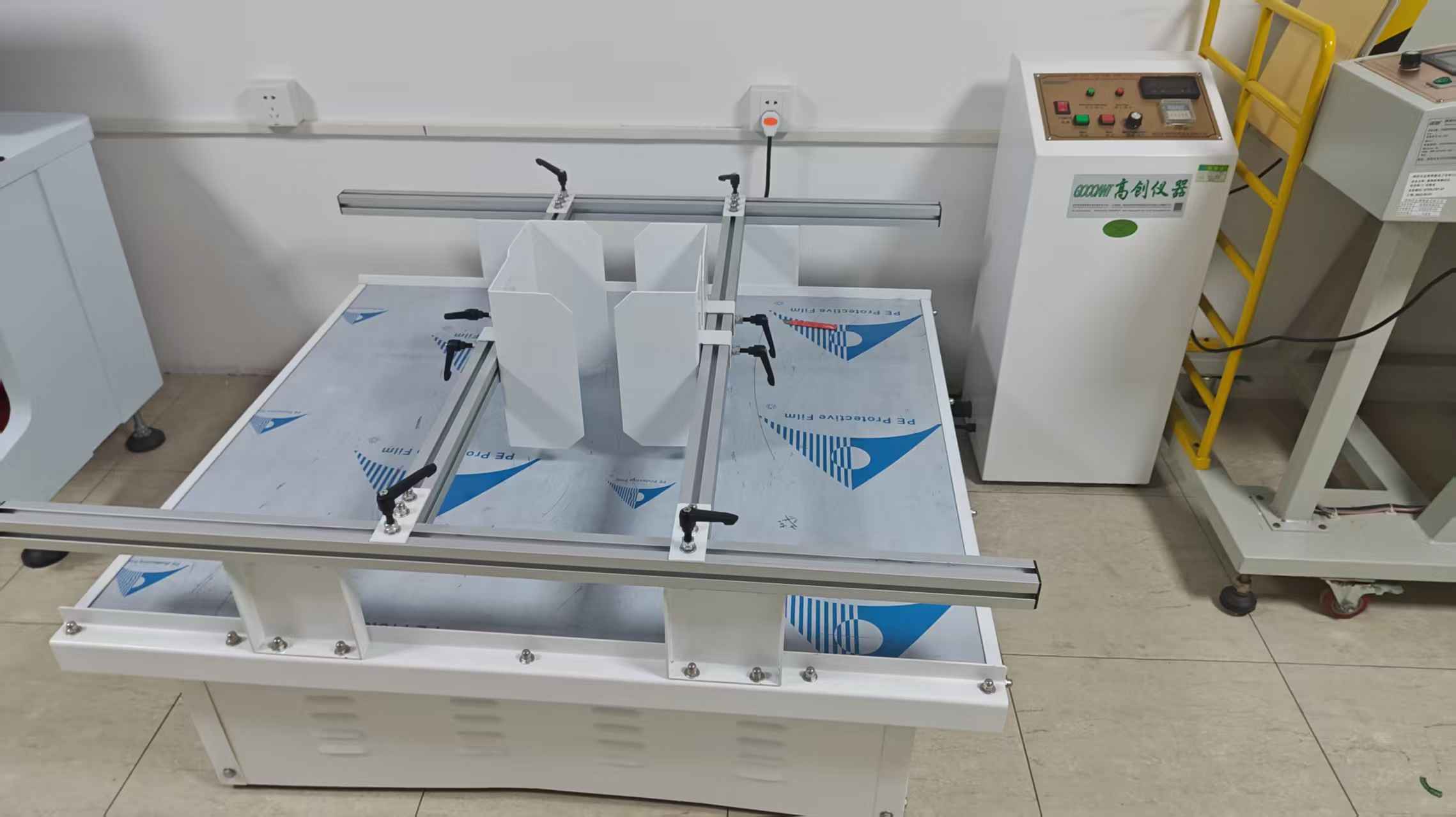
Transit Dynamics 05
Multi-axis vibration profiling simulating long-range freight over sea and rough winter roads.
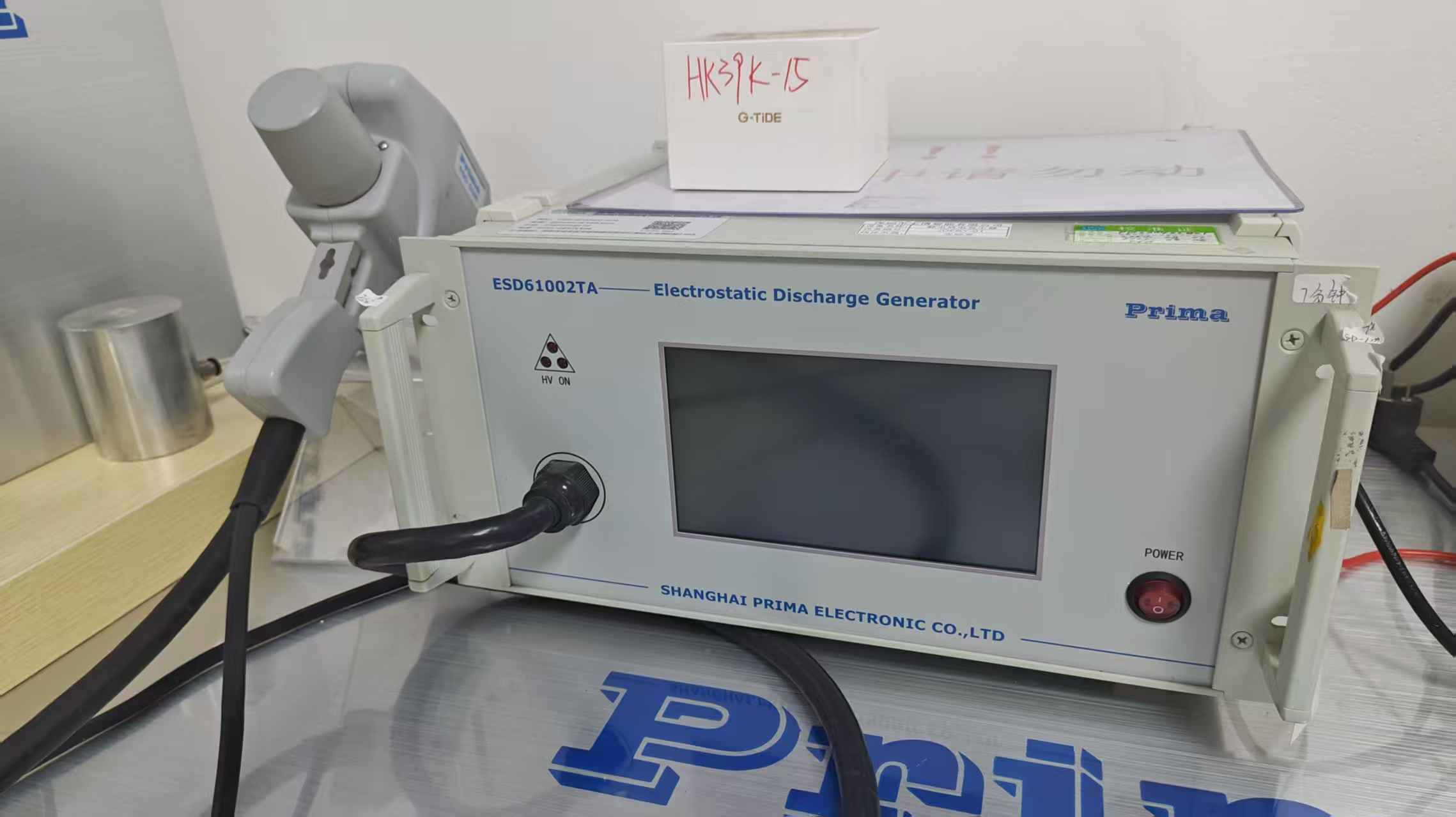
ESD Immunity Test 13
Air discharge up to 15kV to safeguard microchips against synthetic wool indoor friction.
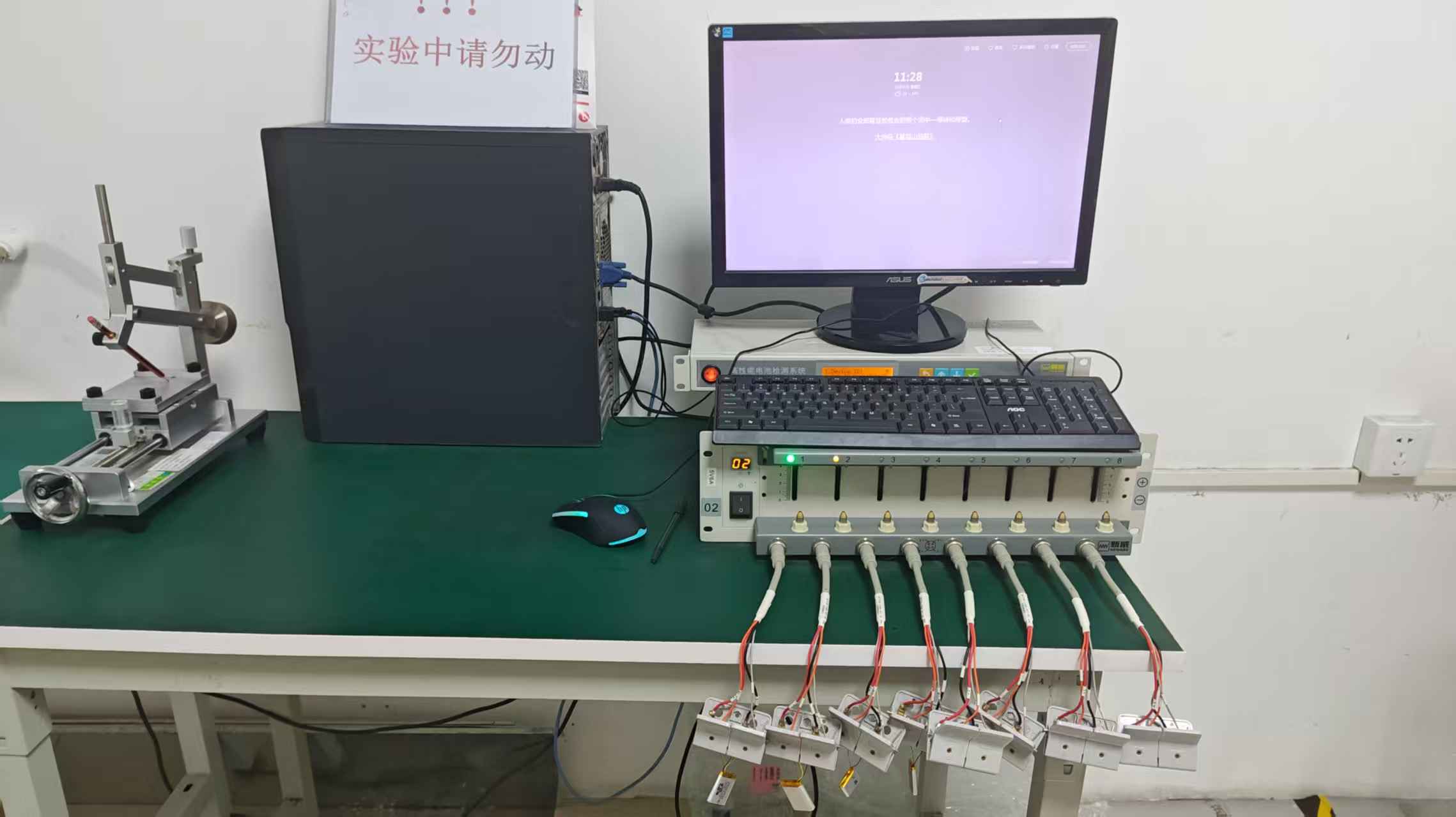
Battery Cell Sorting 14
Precision electrochemical capacity grading ensuring uniform battery lifecycles across batches.
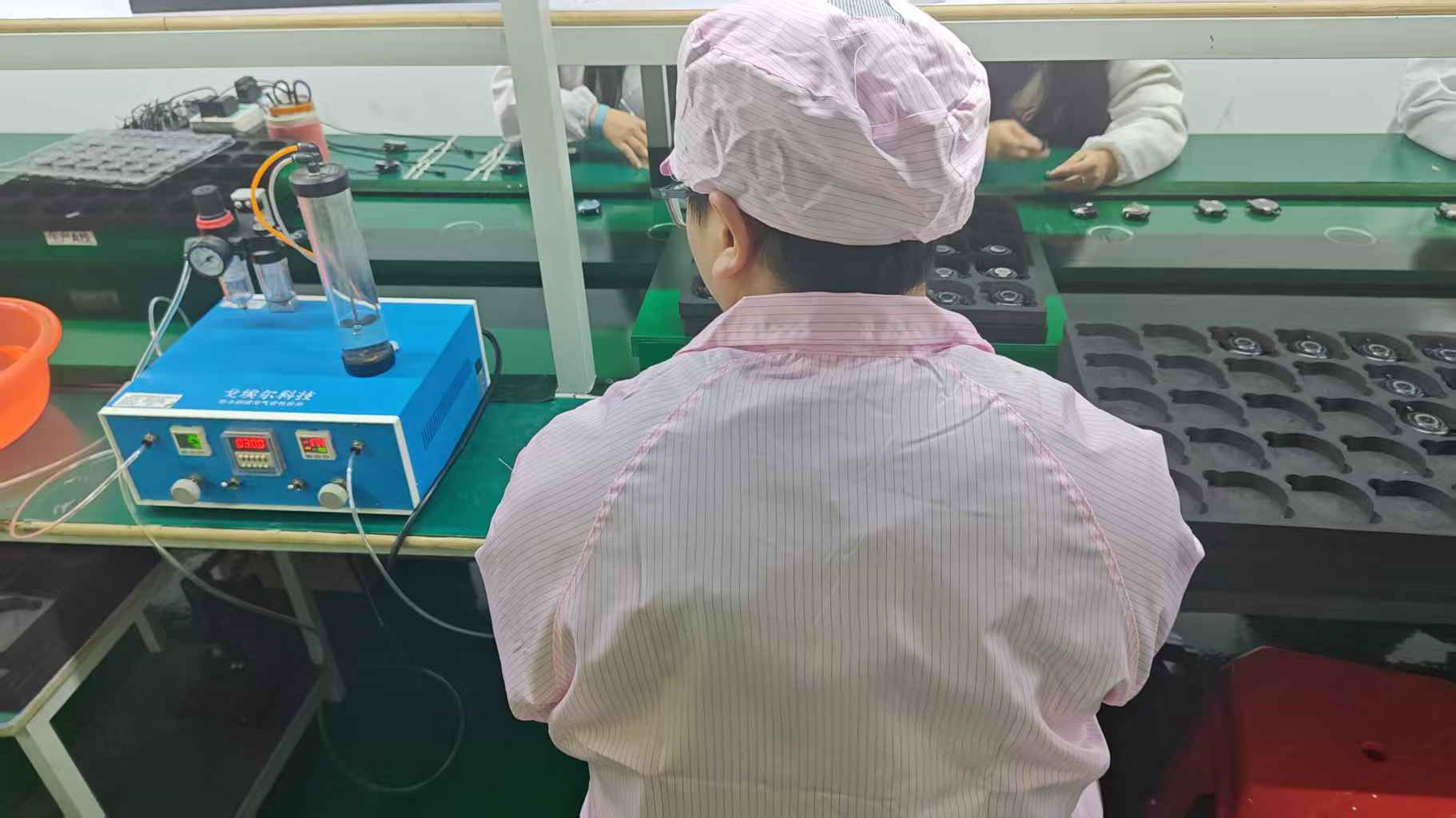
100% Air-Tightness 19
Non-destructive high-pressure pneumatic differential check executed on every sealed casing.
Sapporo B2B Buyer FAQ: Sourcing Institutional Wearables
In-depth responses covering software integration, Japanese telecommunication protocols, and OEM volume production.
Can Brainox smart watches directly integrate into private nursing home management systems in Sapporo? +
How does Brainox verify cellular 4G connectivity across Hokkaido carrier networks? +
What measures are taken to prevent false fall triggers caused by tremors or physical therapy? +
What levels of OEM/ODM localization are offered for the Japanese domestic market? +
What is the minimum order quantity (MOQ) and production turnaround for trial batches? +
Empower Your Eldercare Infrastructure with Certified Smart Hardware
Consult directly with our engineering sales leads. Request full sensor white papers, SDK architecture documentation, and institutional sample units tailored for deployment in Sapporo and greater Japan.
Get Catalog