Engineering-Grade Pedometer Bracelets & Wearables
Direct from our Songshan Lake hardware cluster, these 8 flagship wearable configurations represent tested platforms ready for immediate OEM/ODM white-label customization, private cloud integration, and industrial-grade deployment in Greater Detroit.
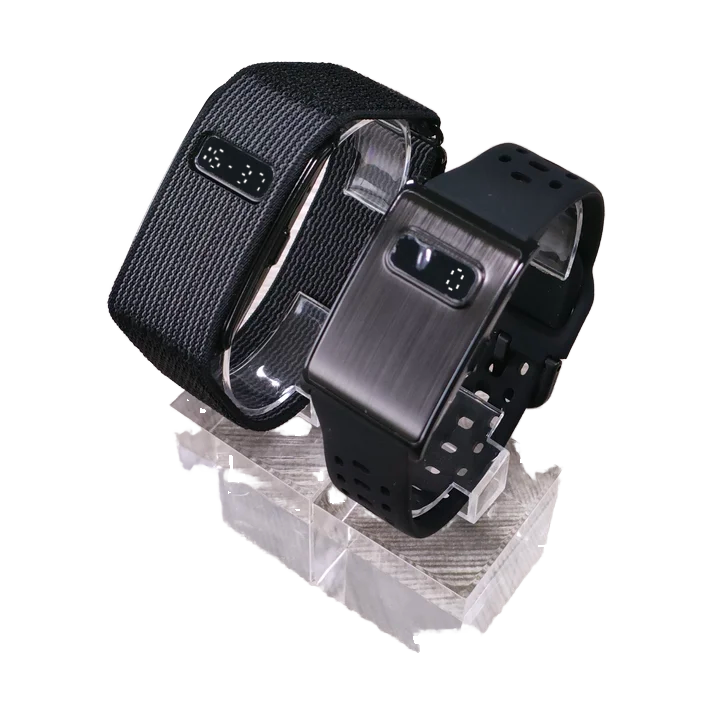
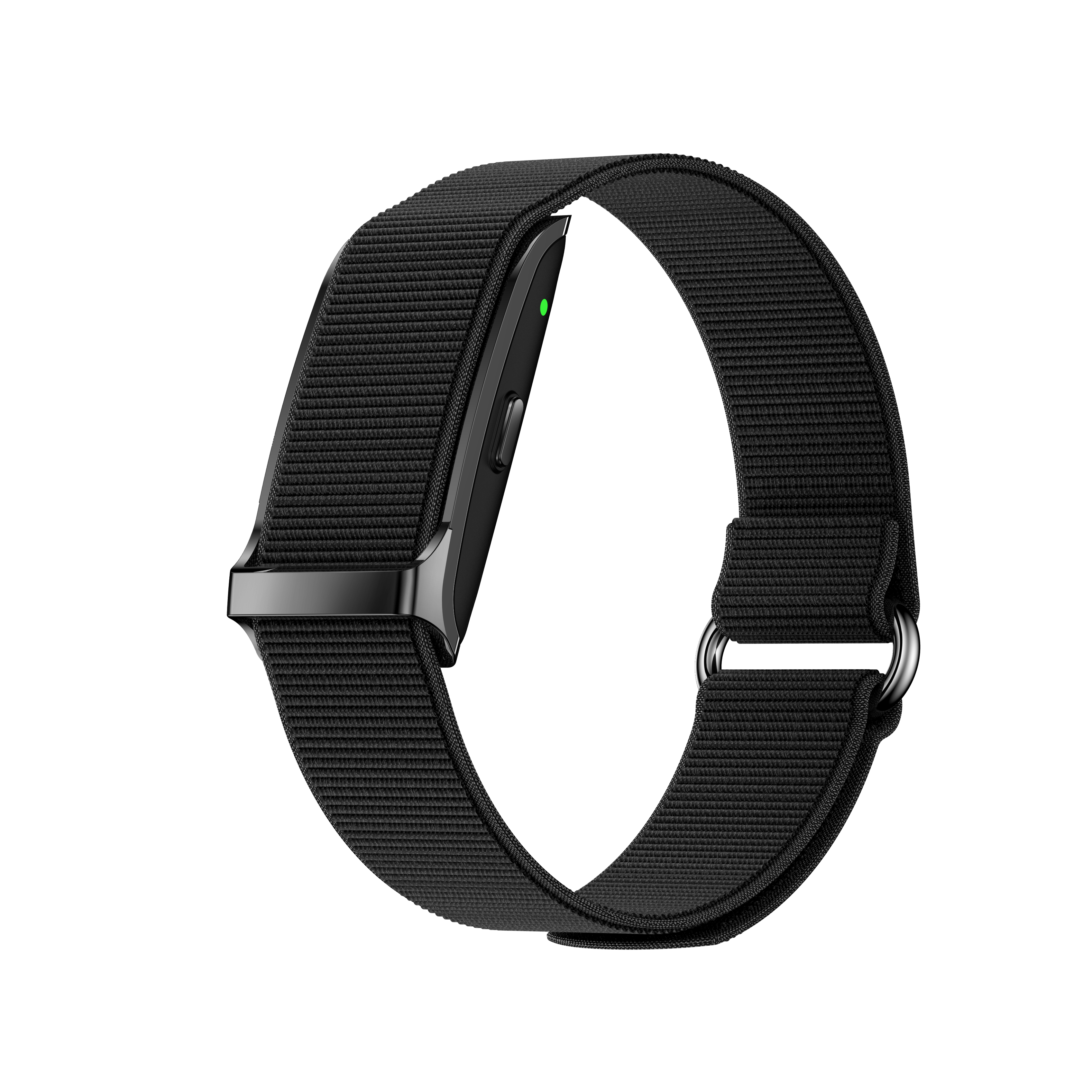
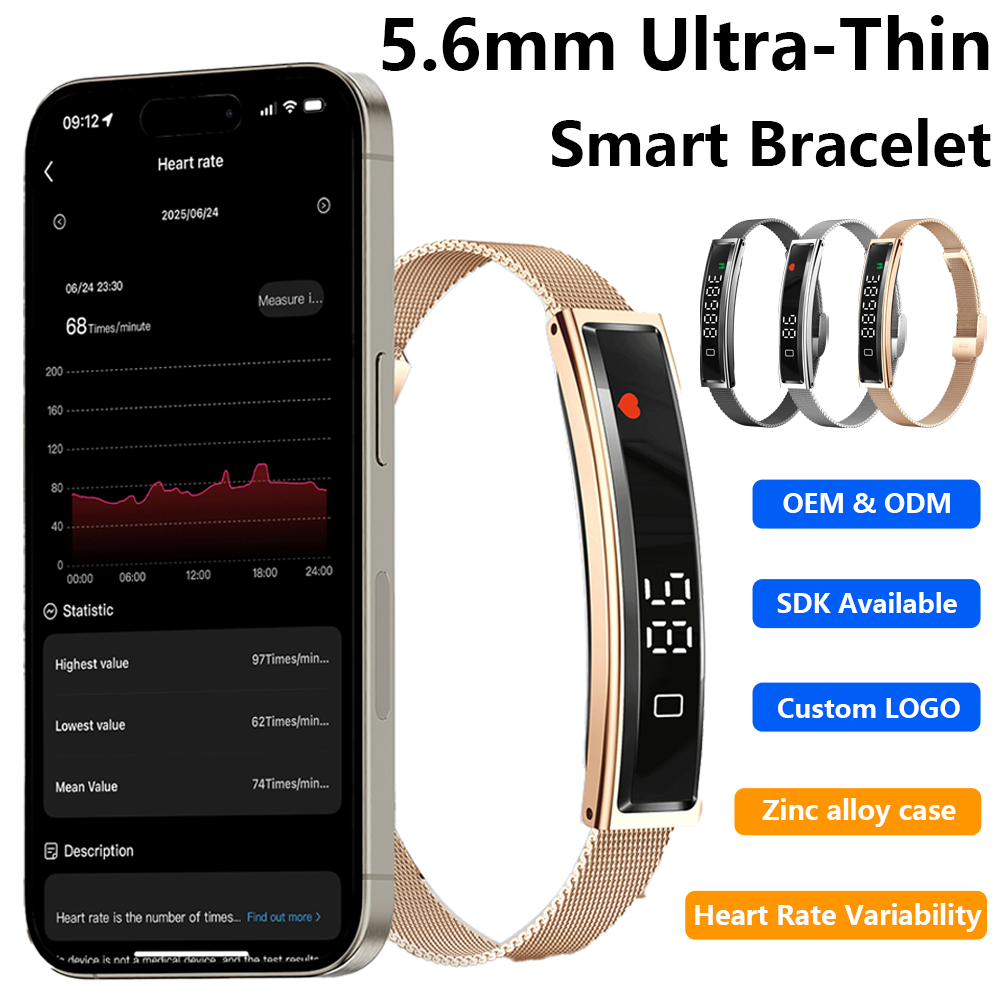
Detroit’s Industrial Metamorphosis & The Evolution of Wearable Kinematics
Detroit, Michigan—the historic epicenter of global precision mass manufacturing—is undergoing a rapid technological convergence. As the domestic automotive industrial base pivots toward automated battery plants, high-voltage vehicle assembly, and Industry 4.0 ergonomics, the physical demands placed on workforce health and preventive care have fundamentally transformed. The era of plastic consumer trinkets functioning as mere pedometers is dead. For enterprise procurement teams, corporate wellness directors, and municipal healthcare partners across Wayne, Oakland, and Macomb counties, accurate biometric sensing represents an operational necessity.
Sourcing directly from an established custom OEM pedometer bracelet factory serving Detroit provides tier-one enterprises, regional hospital systems, and private wellness brands with an agile, high-yield alternative to high-markup consumer brands. Whether monitoring line workers across automotive assembly facilities in Dearborn and Warren, or orchestrating preventative hypertension and cardiovascular remote patient monitoring (RPM) initiatives across downtown Detroit medical clinics, modern pedometer wristbands serve as the primary endpoint of real-time clinical and operational telemetry.
Advanced Sensor Architecture: Why Raw Step Counts Are No Longer Sufficient
Traditional pedometer bands relied on primitive single-axis mechanical switches or unsophisticated 3-axis motion sensors prone to phantom step registration caused by seated vibration, vehicle driving, or micro-movements. In Detroit's industrial environments—characterized by heavy equipment harmonic resonance, forklift operation, and repetitive torque-wrench activities—unfiltered accelerometry yields disastrously skewed data.
Our OEM manufacturing lines integrate tri-axis low-power MEMS accelerometers coupled with proprietary Digital Signal Processing (DSP) gait recognition filters. Our firmware isolates repetitive arm vibrations from true human locomotion, enabling:
- True Ambulatory Kinematics: Elimination of false-positive step logs induced by industrial tooling or transit along the I-75 and I-94 corridors.
- Dynamic Metabolic Equivalent (MET) Calculations: Real-time conversion of cadence, velocity, and duration into accurate caloric expenditure metrics calibrated to actual workforce ergonomics.
- Integrated PPG Biometrics: Continuous optical photoplethysmography that captures heart rate variability (HRV), peripheral capillary oxygen saturation (SpO2), and resting cardiac rate without parasitic battery drain.
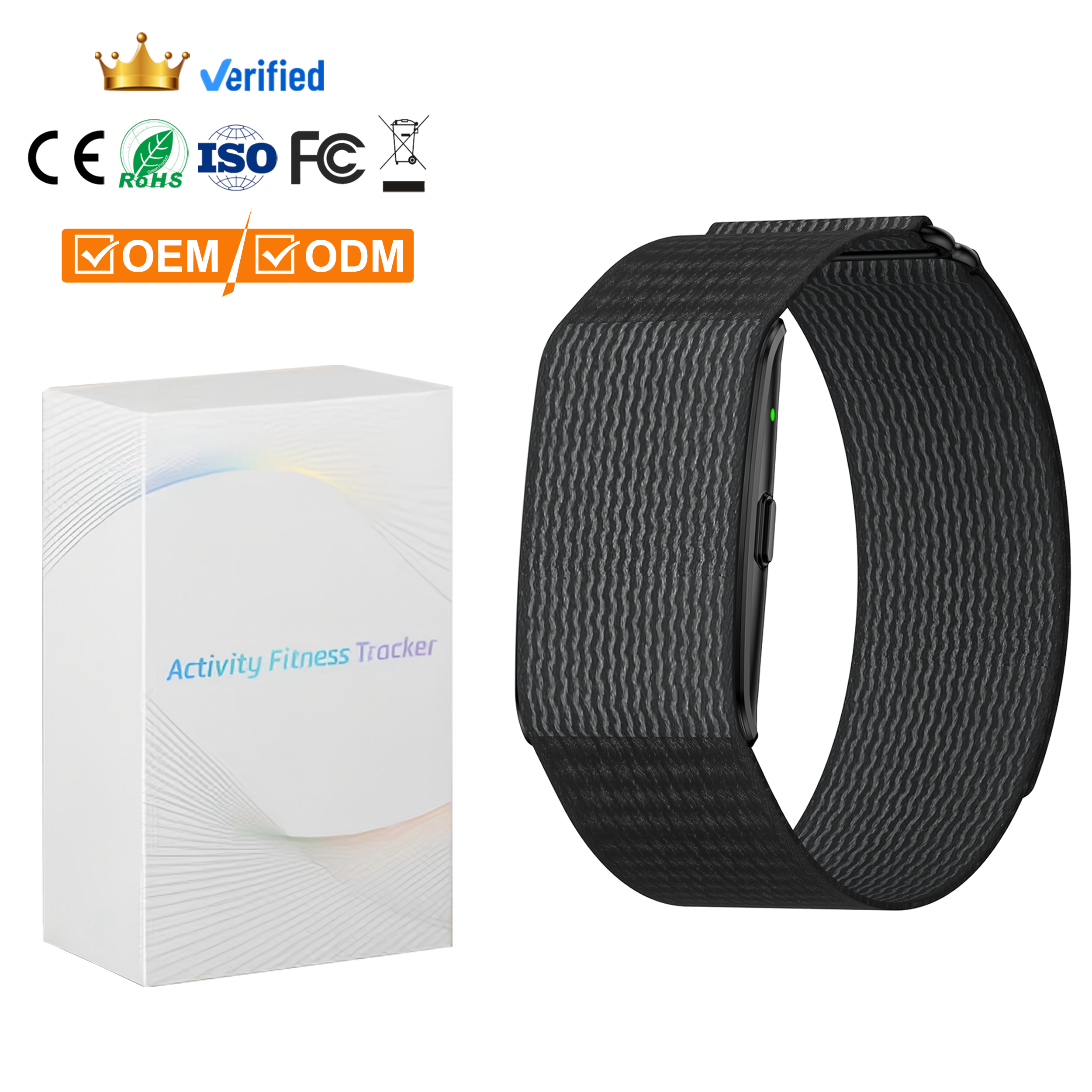
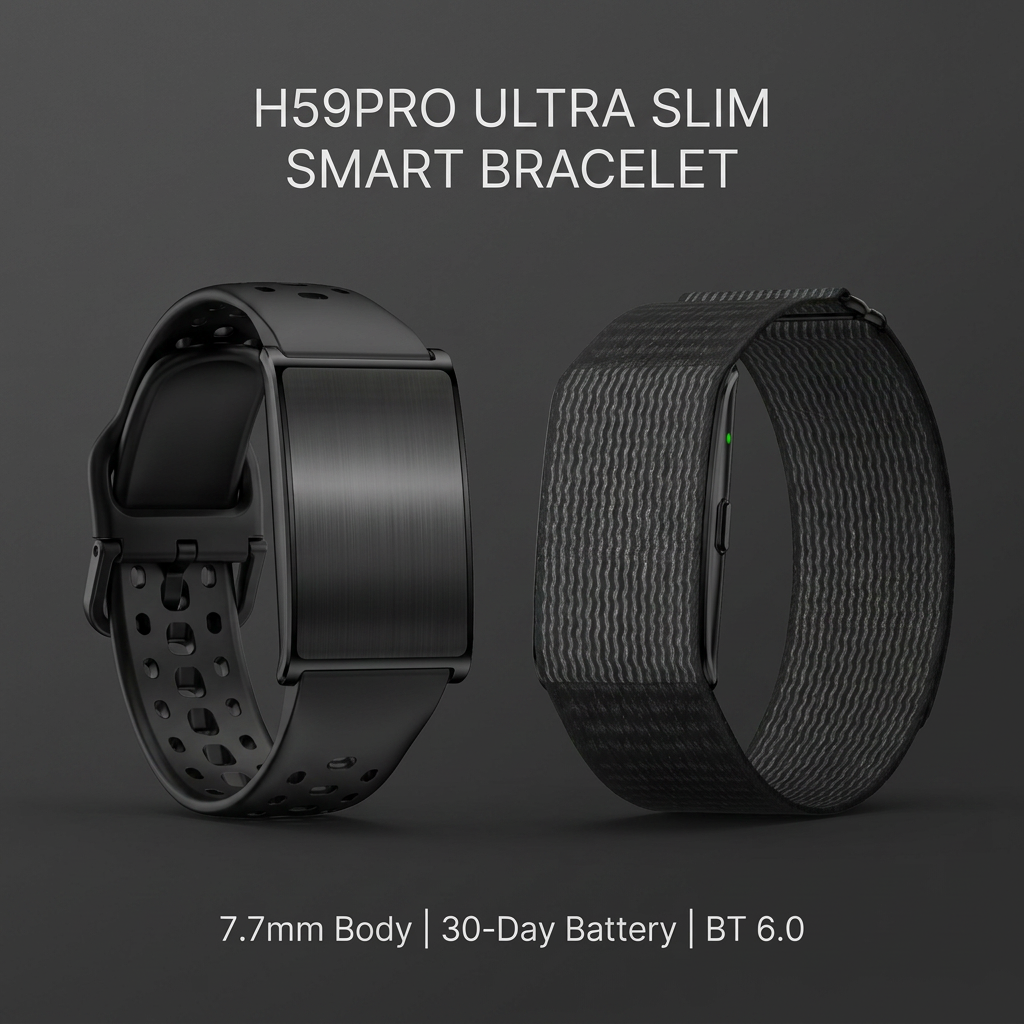
- Screenless Compliance Architecture: Dedicated screenless housings (such as the H59 and H59Pro series) that preserve worker attention on the factory floor, remove distraction-based OSHA liabilities, and extend continuous battery longevity to 30–50 days per single charge cycle.
Empowering Detroit’s Localized Enterprise Ecosystem
The operational landscape of Metro Detroit presents unique environmental and operational conditions that demand specific engineering adaptations:
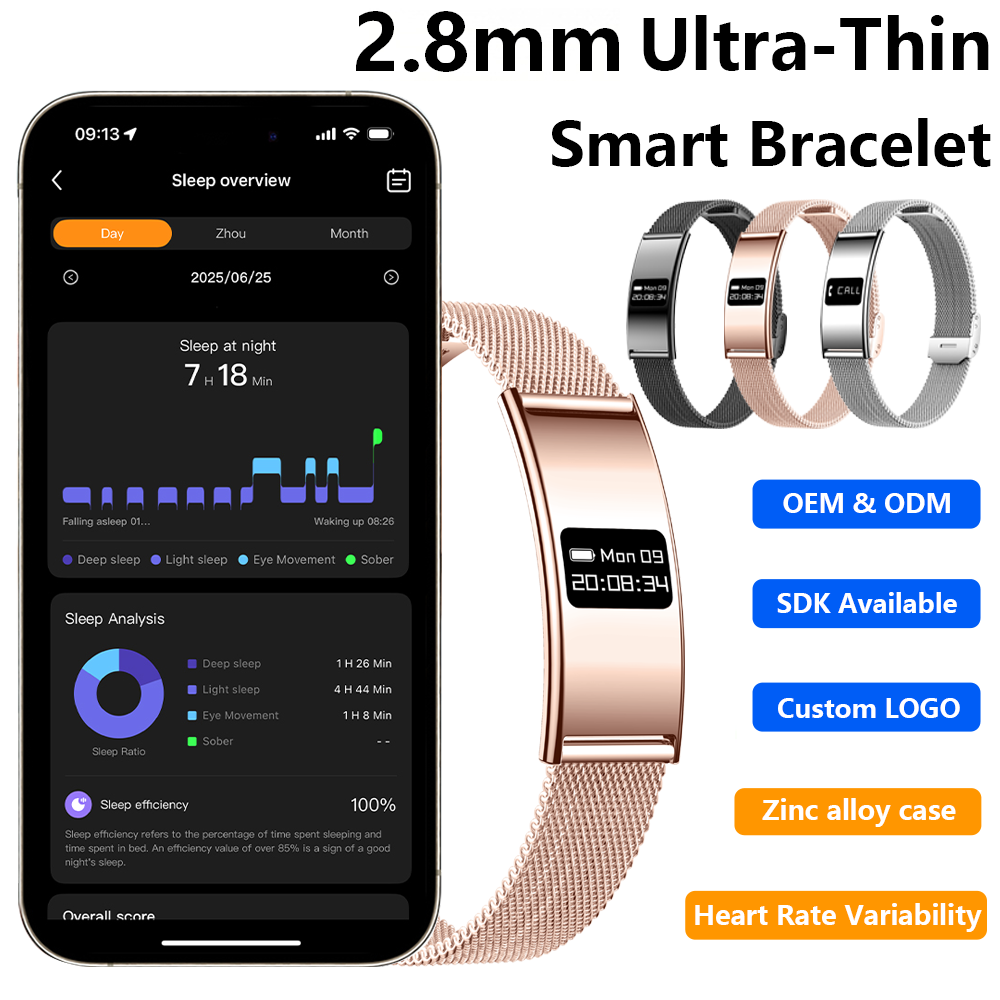
- Automotive Assembly Ergonomics & Fatigue Tracking: Automotive manufacturing facilities require lightweight, durable bands that can be worn beneath protective sleeves, gloves, and antistatic gear. By leveraging ultra-thin form factors (down to 2.8mm to 5.6mm profiles like our B8 and B3 platforms), line managers capture continuous metabolic stress, recovery metrics, and movement cycles without interfering with tool manipulation.
- Great Lakes Winter Temperature Extremes: Detroit experiences severe winter climate swings where sub-zero ambient temperatures trigger premature battery capacity degradation and casing seal fractures. Brainox devices undergo programmable constant temperature and humidity box testing (-20°C to 60°C) and battery internal resistance sorting, ensuring device runtimes remain unaffected during winter outdoor tasks or cross-terminal logistics at Detroit Metropolitan Airport (DTW).
- Enterprise Remote Patient Monitoring (RPM) across Wayne County: Healthcare networks require closed-loop hardware solutions that safeguard end-user health data without exposing patients to confusing smartphone app configurations. Our complete open SDK/API software architecture allows healthcare networks to funnel step telemetry, skin temperature, and PPG trends directly into private HIPAA-compliant cloud databases via encrypted Bluetooth Low Energy (BLE 5.0/5.2) gateways.
Programmable Thermal Cycling
Thermal chambers stress-test solder joints, battery chemistry, and display adhesives against Michigan freeze-thaw cycles.
Vibration & Tumble Testing
Simulates heavy industrial vibrations and repeat impact cycles to guarantee shell integrity on manufacturing floors.
Air-Tightness & IP68 Verification
Non-destructive pneumatic pressure tanks verify complete seal resistance against industrial coolants, oils, and sweat.
100% Battery Capacity Grading
Automated battery dividers grade every single lithium-polymer cell to eliminate early-voltage drop-off and safety hazards.
Why Tier-One Detroit Buyers Partner Directly with Songshan Lake
Dongguan Brainox Technology Co., Ltd. operates in Songshan Lake, Dongguan—the world's most concentrated microelectronics innovation and supply chain corridor. By partnering directly with our manufacturing facilities, Detroit corporate clients, wellness distributors, and private brands gain direct access to an SGS on-site verified organization comprising 42 dedicated technical and quality control specialists.
Rather than dealing with domestic third-party brokers who add massive price markups without technical comprehension, our cross-border supply model delivers transparent, engineering-led value: from PCB layout review and custom injection mold creation to localized English packaging, custom boot screens, and integrated BLE communications protocols.
Engineered for Enterprise Wearable Applications
Architectural advantages designed specifically to satisfy strict North American procurement protocols, industrial safety parameters, and enterprise IT compliance.
Ultra-Low Power Firmware Stack
Utilizing high-efficiency Nordic Semiconductor and Realtek BLE microcontrollers, our pedometer bands run real-time kinematics algorithms for up to 50 days of active standby, drastically reducing the charging burden for shift workers and clinical study participants.
Hypoallergenic & Antistatic Materials
Our wristbands utilize medical-grade liquid silicone rubber (LSR), food-grade fluororubber, and high-tensile breathable nylon weaves. Fully resistant to skin dermatitis, sweat corrosion, and high-frequency factory floor ESD discharges.
Comprehensive SDK / Cloud Ingestion
We provide full native Android and iOS SDK libraries, complete raw hex protocol documentation, and dedicated engineering support to enable Detroit software architects to direct data into internal ERP, EHR, or corporate wellness databases.
Detroit Enterprise Sourcing & Procurement FAQ
Direct technical and logistical answers addressing regulatory compliance, customs clearances, battery logistics, and production customization for Michigan buyers.
● What FCC certifications are required for importing to Michigan?
All smart wearables transmitting radio frequencies via Bluetooth Low Energy (BLE) or 4G LTE must hold FCC Part 15C / Part 15B unintentional/intentional radiator certification before entering US ports. Our factory delivers tested SKUs that are pre-qualified for FCC compliance, accompanied by full laboratory test reports for hassle-free US Customs clearance at Detroit Wayne County International (DTW) or the Port of Detroit.
● How does Brainox handle shipping hazardous lithium batteries into the US?
Lithium-polymer cells are regulated under UN3481 / UN3480 hazardous goods transportation frameworks. Every Brainox production run includes fully certified UN38.3 test documentation, drop-test reports, and MSDS safety datasheets, enabling smooth, uninterrupted air express (DDP/DAP via DHL/FedEx) or consolidated sea freight directly into Michigan distribution hubs.
● Can we white-label the mobile app and lock down cloud transmission?
Yes. We offer deep software-level OEM customization. You can choose to rebrand our companion app (custom icons, corporate UI colors, dedicated domain endpoints) or bypass the public cloud entirely. Our open Bluetooth protocol allows your engineers to route gait and telemetry logs straight into your secure, HIPAA-compliant on-premise servers.
● What are typical turnaround times from prototype approval to Detroit delivery?
Rapid sampling for functional validation requires approximately 5–7 working days for standard housings and laser-etched branding. Mass production for orders ranging from 1,000 to 50,000 units is typically completed in 18–25 working days, followed by 4–6 day direct air freight clearance straight to your Michigan facility.
● How do your pedometer bracelets handle false step triggers in vehicle manufacturing plants?
Our firmware applies high-pass frequency filtering and threshold peak detection to raw accelerometer signals. This computational step rejects continuous engine idle rumble, pneumatic tool recoil, and steering wheel turning, counting only authentic skeletal stride biomechanics for true physical workload analytics.
● What is the Minimum Order Quantity (MOQ) for custom branding?
For minor customizations—such as silk-screened logo application, laser engraving on strap buckles or casebacks, and custom-printed retail packaging—our entry MOQ begins at just 500 to 1,000 units. Full tooling, custom injection moulding, and bespoke PCBA architecture projects typically begin at 3,000 to 5,000 units depending on housing complexity.
Accelerate Your Wearable Hardware Program Today
Partner with an SGS on-site verified manufacturer backed by 19 comprehensive QC routines, real engineering-grade kinematic algorithms, and proven export logistics serving Detroit and the broader Midwestern industrial corridor.