Featured Smart Rings & Biometric Architecture
Explore our reference architectures engineered for Nordic wearability. Each unit features medical-grade sub-surface photoplethysmography (PPG), high-efficiency Nordic Semiconductor or low-power MCUs, and clinical algorithm integration ready for OEM deployment.
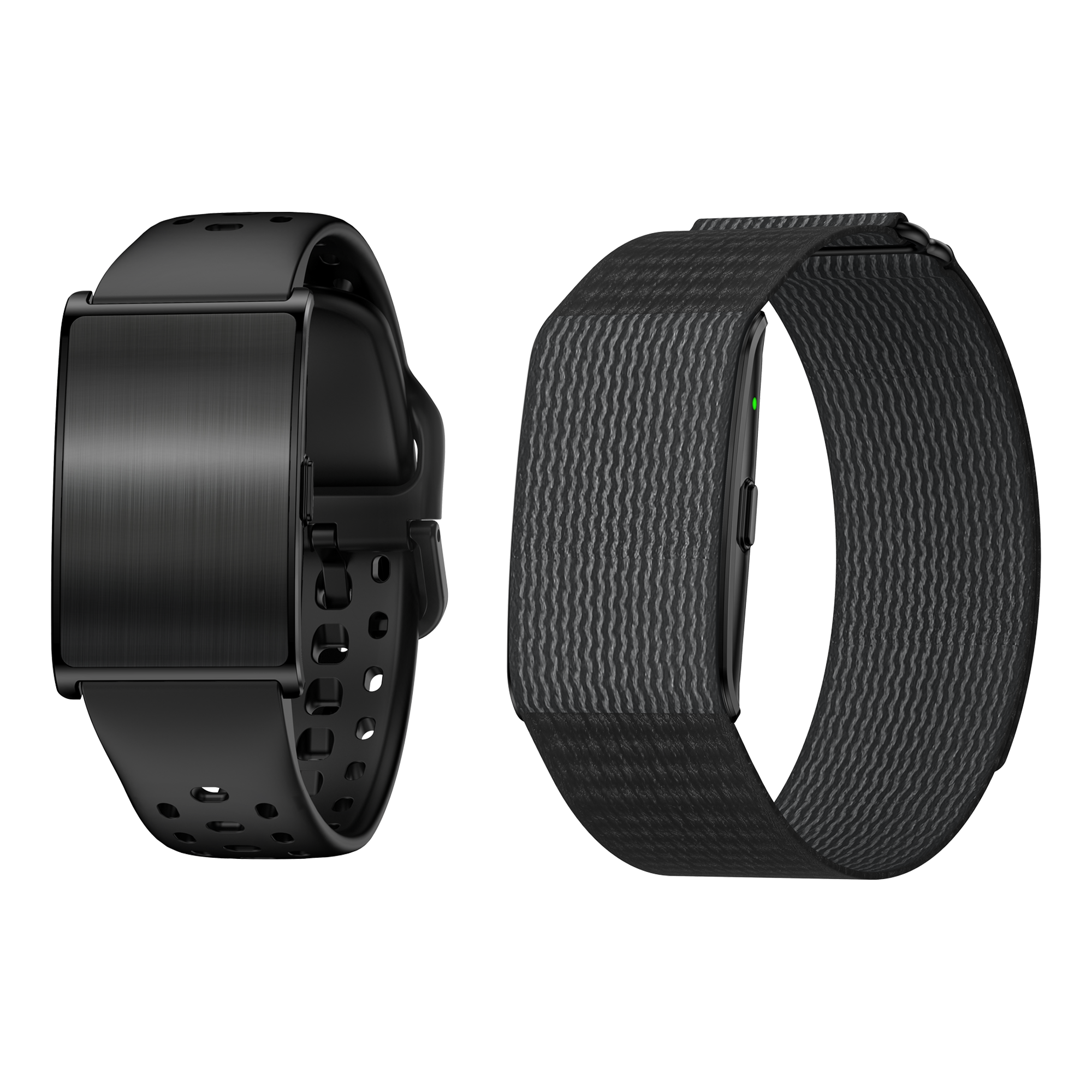
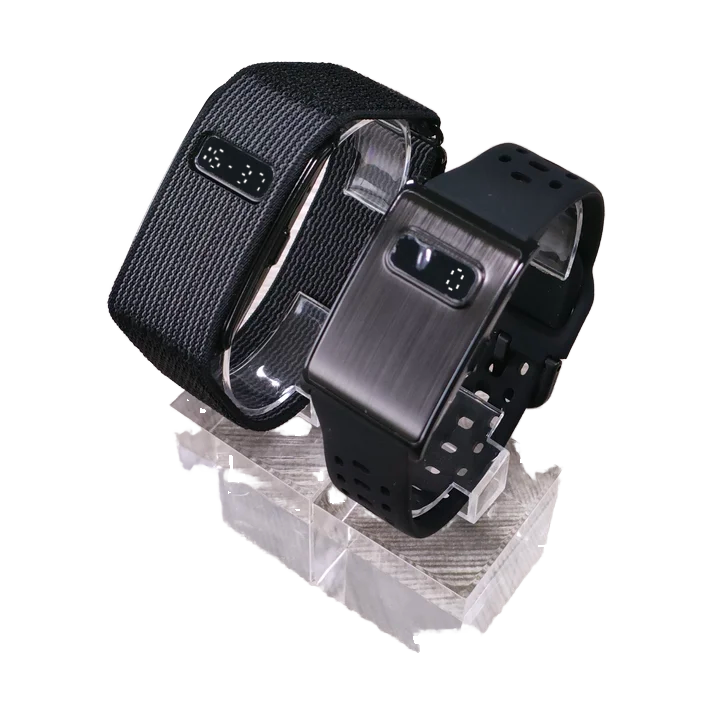
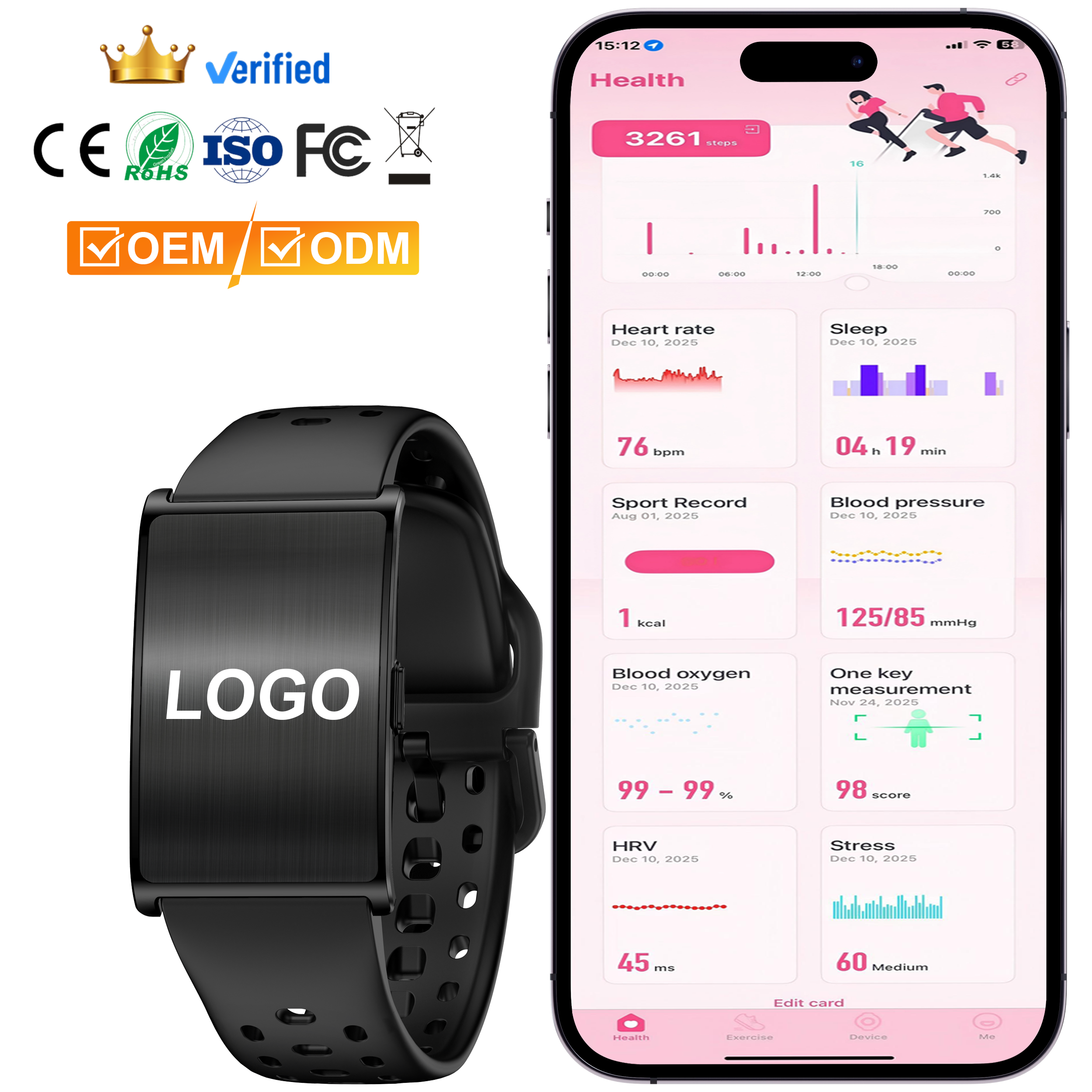
Technical Whitepaper: Engineering the Next Generation of Smart Health Rings for Norway
The Norwegian consumer wearable and clinical telemonitoring ecosystem represents one of the most sophisticated digital health markets in Europe. Characterized by universal public health access through HelseNorge, an active outdoor population, and rigorous national adherence to European Union health tech standards (Medical Device Regulation EU 2017/745 and General Data Protection Regulation 2016/679), launching a successful health tracking ring in Norway requires vastly superior engineering compared to mass-market fitness trackers.
As a tier-one OEM/ODM manufacturer headquartered in the Songshan Lake high-tech cluster with end-to-end laboratory testing facilities, we supply Norwegian enterprise clients, digital wellness startups, and institutional research teams with bespoke health tracking ring architectures. Our custom hardware solutions resolve the traditional friction points of finger-based telemetry: arterial motion artifacts during cold-exposure vasoconstriction, battery depletion in sub-zero Nordic climates, and hermetic seal failures during cold-water marine submersion.
Sensor Architecture: Resolving Palmar Digital Arterial Telemetry
Unlike wrist-worn wearables that measure capillary blood flow through the dorsal surface of the wrist (where skin thickness, subcutaneous adipose tissue, and muscular flex artifacts frequently skew signals), our custom health rings acquire raw photoplethysmography (PPG) data directly from the palmar digital arteries. These bilateral arteries provide significantly higher perfusion indexes and signal-to-noise ratios (SNR), making the finger the gold standard for continuous autonomic nervous system (ANS) monitoring.
Our OEM optical architecture combines multi-wavelength green (525nm), red (660nm), and infrared (940nm) high-luminance LEDs paired with dual wide-spectrum photodetectors. Green light facilitates millisecond-accurate inter-beat interval (IBI) capture for Root Mean Square of Successive Differences (rMSSD) Heart Rate Variability (HRV) analysis, while differential absorption between red and infrared illumination computes real-time capillary oxygen saturation (SpO2). For Norwegian applications, our firmware features active adaptive baseline current adjustment: when peripheral blood vessels constrict due to cold weather exposure, our proprietary auto-gain control instantly adjusts emitter intensity and sensor amplification to prevent data dropout.
| Biometric Metric | Sensor Configuration | Sample Frequency | Clinical Accuracy Benchmark | Norwegian Use Case Application |
|---|---|---|---|---|
| Heart Rate Variability (HRV) | Dual-Channel Green PPG (525nm) | 100 Hz continuous | rMSSD correlation > 0.96 vs. 12-lead ECG | Overtraining detection for cross-country skiing, stress mapping |
| Sleep Architecture & Circadian | 3-Axis MEMS Accelerometer + Red/IR PPG | 50 Hz motion / Polling optical | 92.4% staging match against Polysomnography | Seasonal Affective Disorder (SAD) mitigation during polar nights |
| Continuous SpO2 Tracking | Red (660nm) & Infrared (940nm) Ratio | Periodic sleep sampling (1-min epochs) | RMSD ≤ 2.2% within 70%–100% saturation range | Nocturnal desaturation screening in private occupational health |
| Skin Temperature Trend | Negative Temperature Coefficient (NTC) / Thermopile | Continuous 10-second polling | ±0.05°C industrial resolution | Circadian phase shifting, early illness/fever onset detection |
| Core Stress Index | Electrodermal Activity (EDA) Micro-contacts | Event-driven galvanic response | Dynamic micro-Siemens conductivity variance | Corporate mental health programs in Oslo financial sectors |
Sub-Zero Nordic Metallurgy & Structural Packaging
Ring electronics must operate continuously inside an ultra-compact, curved envelope that endures continuous physical torsion and thermal shock. Our manufacturing lines implement seamless aerospace-grade Grade 5 Titanium (Ti-6Al-4V) outer structural casings, finished with specialized Physical Vapor Deposition (PVD) or Diamond-Like Carbon (DLC) diamond coating for scratch resistance during outdoor mountaineering, skiing, or cross-country trekking.
The inner ring liner consists of non-allergenic, medical-grade cast epoxy resin that completely encapsulates the flexible printed circuit board (FPCB), low-profile custom lithium polymer battery cell, and antenna arrays. By eliminating seam cavities, our rings achieve an uncompromising 10ATM / IP68 hydro-static rating, passing cyclic high-pressure immersion tests capable of resisting cold North Sea water exposure, coastal sports, and alternating dry sauna heating and cold water plunging.
Strategic Applications in Norway’s Health Ecosystem
Our OEM/ODM manufacturing capability enables private labels and Norwegian healthcare providers to deploy specialized smart rings fine-tuned to regional environmental and operational requirements.
Circadian Alignment During Polar Nights
Northern Norway faces extended periods of dark winter (Mørketid), profoundly disrupting natural melatonergic release and slow-wave sleep. Our rings provide micro-temperature and HRV baseline deviation tracking, enabling sleep-tech apps to deliver predictive daylight-lamp reminders and circadian stabilization algorithms.
Nordic Skiing & High-Endurance Recovery
Norway’s world-leading endurance sports sector requires unobtrusive physiological monitoring. Unlike heavy sports watches that snag on ski poles or thermal gloves, our custom titanium rings record continuous cardiovascular strain, autonomic recovery, and nocturnal resting pulse without interfering with movement.
Municipal Remote Patient Telecare (Velferdsteknologi)
Norwegian municipalities (Kommune) are rapidly funding ambient assisted-living hardware. Custom health rings serve as discrete, non-stigmatizing physiological trackers for elderly residents, monitoring resting heart rate deterioration and peripheral perfusion anomalies without confusing screens or bulky straps.
Emerging Wearable Health Trends in the Nordics
Analyzing market forces driving the migration from screen-based fitness wristbands to screenless biological ring form factors across Scandinavia.
Decoupling From Screen Fatigue
Norwegian consumers are increasingly opting for "invisible technology." Screenless health rings collect continuous clinical metrics without intrusive notifications, vibrating prompts, or blue light emissions, aligning with the regional cultural emphasis on outdoor balance (Friluftsliv) and mindfulness.
Strict Data Sovereignty & Local Cloud SDKs
Norwegian healthcare buyers require end-to-end data control compliant with Schrems II rulings. As an OEM supplier, we provide open Bluetooth Low Energy (BLE 5.3) API and SDK protocols, allowing clients to route raw encrypted biometric data straight to their domestic cloud infrastructure without third-party exposure.
Integration With Corporate Health Subscriptions
B2B corporate wellness programs across Norway’s oil, maritime, and clean-tech industries are supplying employees with branded health rings. Quantified stress recovery metrics help optimize workplace ergonomics, reduce chronic sick-leave claims, and lower group healthcare insurance liabilities.
Why Top Global Brands Partner With Brainox
Combining verified engineering capabilities, 19 laboratory quality gates, and direct supply-chain authority in Songshan Lake, Dongguan.
19-Step Dedicated QC Protocol
Every health tracking ring production batch passes automated incoming component inspection (IQC), multi-axis RF/antenna matching, 100% pneumatic vacuum air-tightness verification, accelerated battery aging, salt-spray corrosion tests, and drop-drum mechanical cycling.
SGS On-Site Audited Excellence
Dongguan Brainox Technology Co., Ltd. operates with verified on-site certification from SGS Group. With over 42 full-time specialists and a sustained 4.6/5 buyer rating, we maintain an accountable, document-driven development pipeline for international clients.
Turnkey OEM/ODM Tiered Customization
From low-MOQ rapid white-labeling with laser-engraved branding and localized packaging to complete mechanical industrial design, custom FPCB layout, bespoke firmware algorithmic development, and companion app white-labeling for iOS and Android.
Frequently Asked Questions for Norwegian Sourcing Teams
Clear technical and commercial answers regarding compliance, battery performance, sizing systems, and integration for professional procurement managers.
How do your custom health rings perform in sub-zero Norwegian winters?
What regulatory certificates are provided for importing into Norway?
How do you handle sizing variety and end-user fitting kits?
Can we access raw sensor data directly without routing through external servers?
What is the minimum order quantity (MOQ) and production lead time?
Engineer Your Proprietary Health Ring Brand
Connect directly with our senior hardware engineers at our Songshan Lake facility. Receive tailored technical specifications, bill-of-materials breakdowns, and evaluation sample units delivered to Oslo, Bergen, Trondheim, or Stavanger.