
Continuous Body Temperature Architecture: Clinical Realities in Tropical Commercial Hubs
In tropical microclimates such as David and the greater Chiriquí province in western Panama, wearable thermal monitoring faces distinct environmental challenges. Ambient temperatures regularly exceed 32°C (90°F) with relative humidity levels hovering above 80%. Under these environmental pressures, conventional single-point infrared or rudimentary skin thermistors experience severe ambient radiation contamination, leading to skewed baseline readings and false fever warnings.
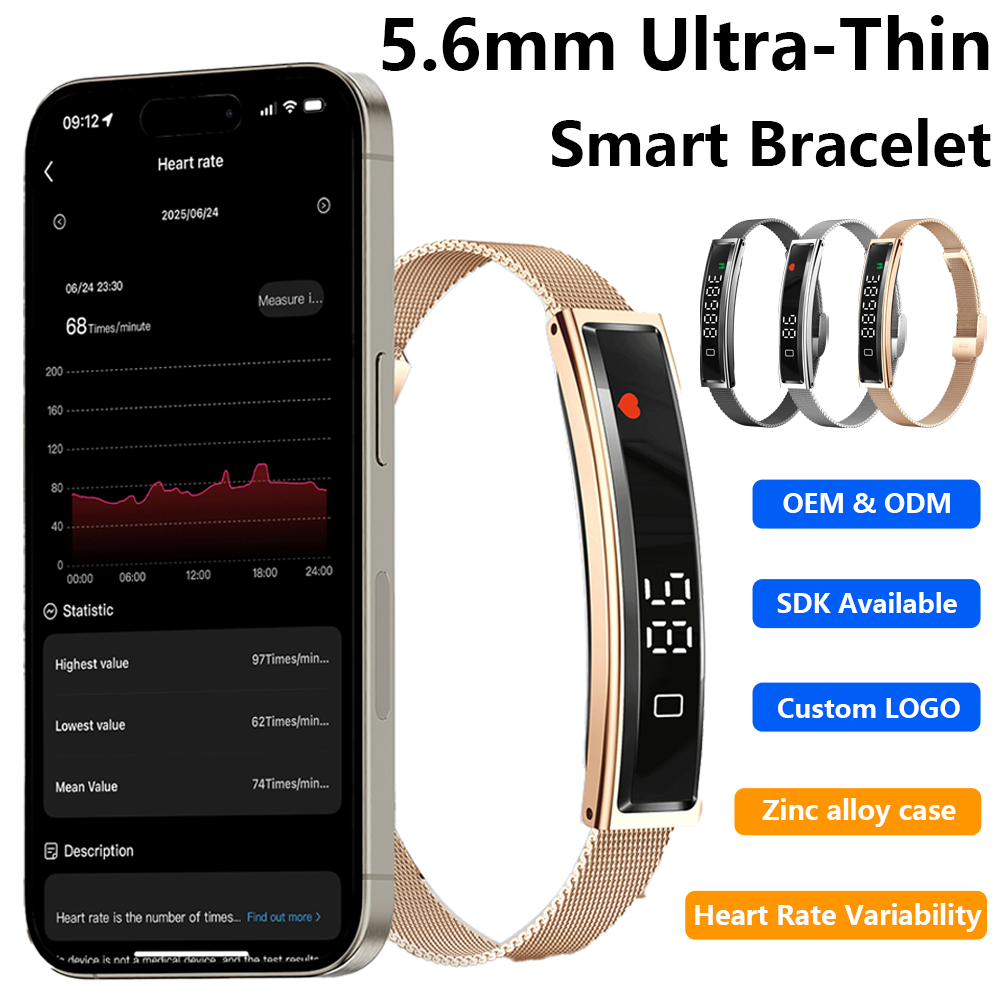
As a dedicated smart wearable manufacturer based in Songshan Lake, Dongguan, Dongguan Brainox Technology Co., Ltd. addresses these physiological and environmental anomalies by implementing a dual-channel heat-flux calculation architecture. By pairing high-sensitivity Negative Temperature Coefficient (NTC) thermistors with algorithmic compensation for ambient heat gradients, our smart bands extract true deep-tissue temperature curves rather than superficial epidermal fluctuations.
Algorithmic Correlation Between Core vs. Peripheral Skin Readings
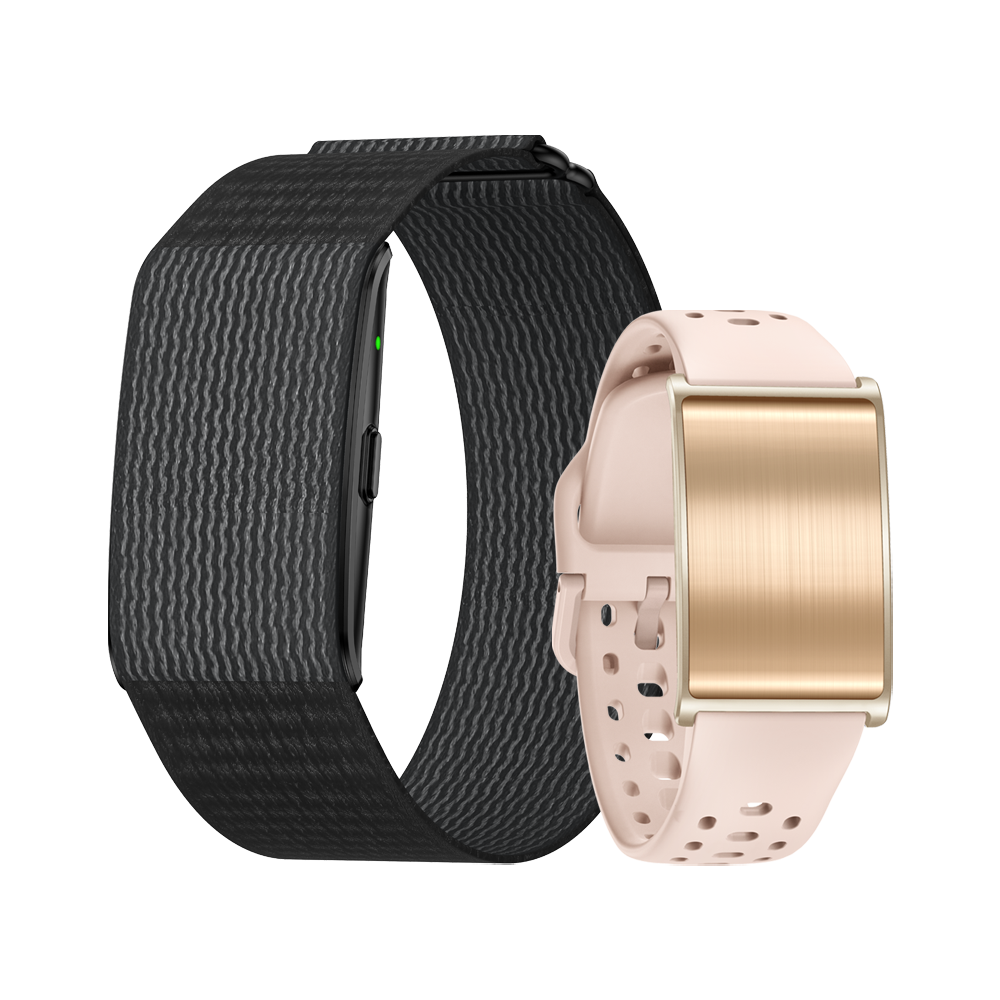
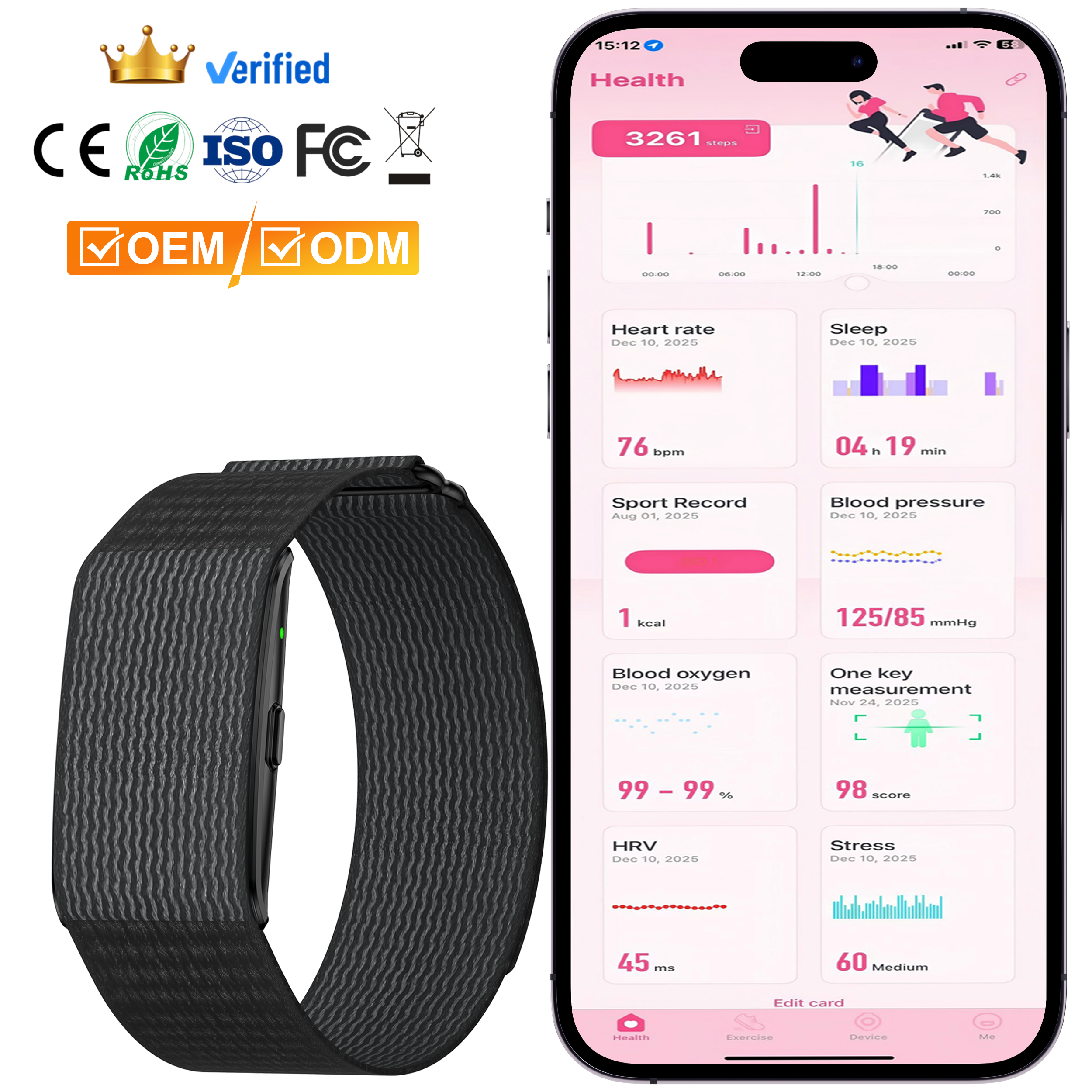
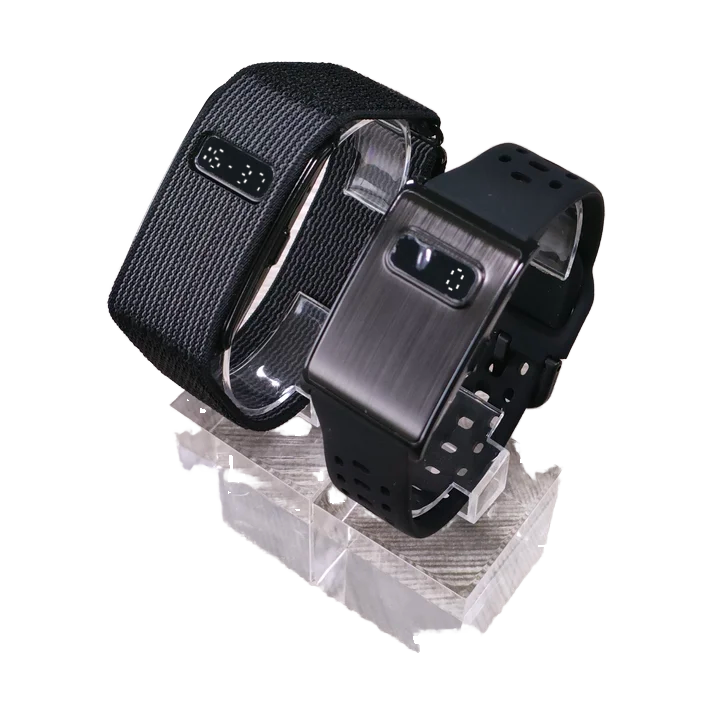
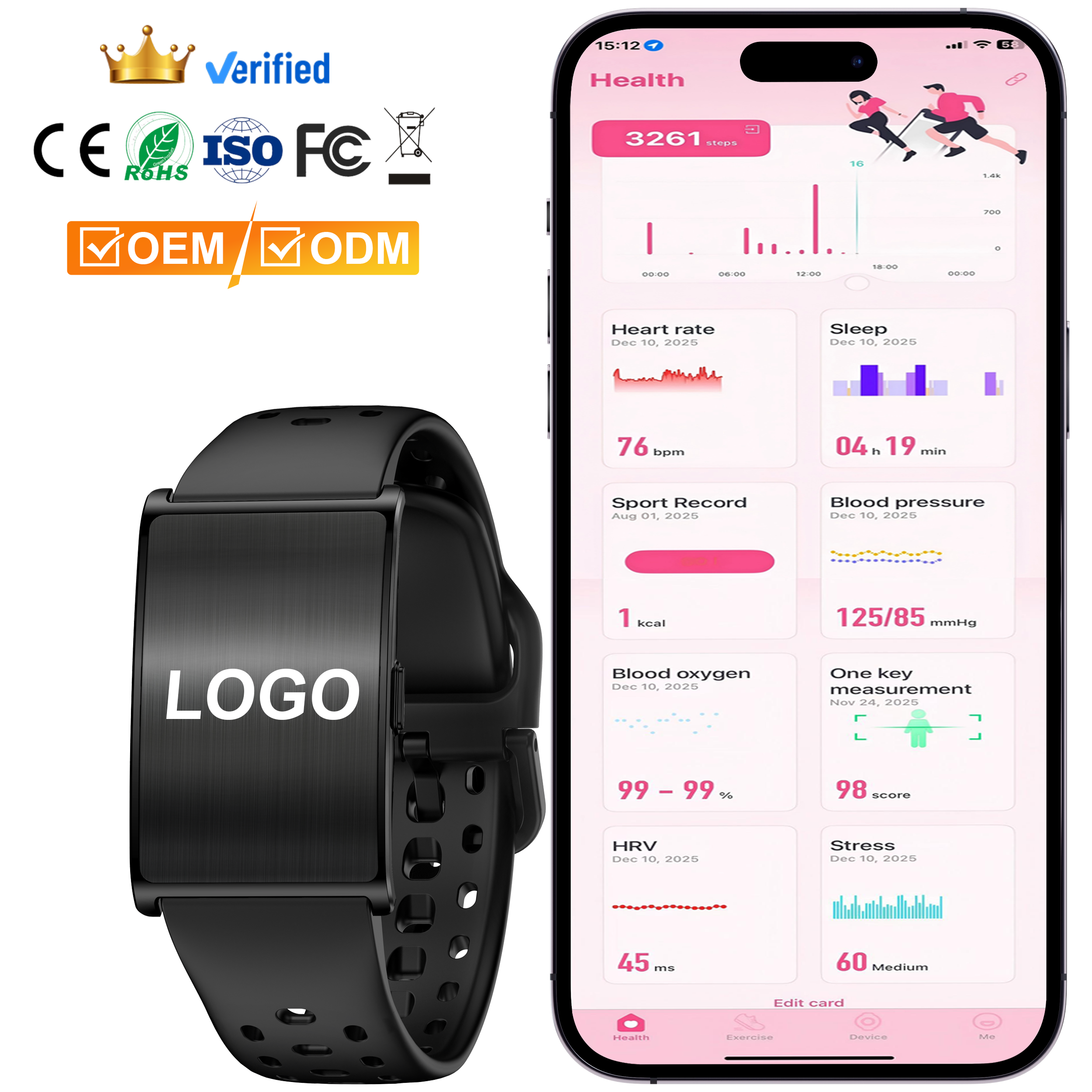
Commercial buyers in western Panama frequently distinguish between casual fitness novelty bracelets and clinical-grade enterprise wearables. Superficial skin temperature naturally shifts in response to physical exertion, environmental air circulation, and vascular tone. Brainox smart bands, including the H59 MAX and H59Pro series, utilize machine-learning firmware trained across thousands of clinical baseline hours to correlate radial artery heat emission with core sublingual equivalents.
This continuous baseline mapping enables early-stage fever tracking long before symptomatic escalation occurs. For corporate employers, agricultural cooperatives, and regional logistics facilities operating across the Paso Canoas border corridor, this biometric fidelity is essential for proactive heat-stress mitigation and infectious disease screening.