Engineered For Global Brand Private Labeling
Direct factory production featuring high-definition Bluetooth calling, standalone 4G LTE cellular connectivity, and precision biomedical health telemetry. Browse our market-tested chassis ready for custom firmware and CMF execution.
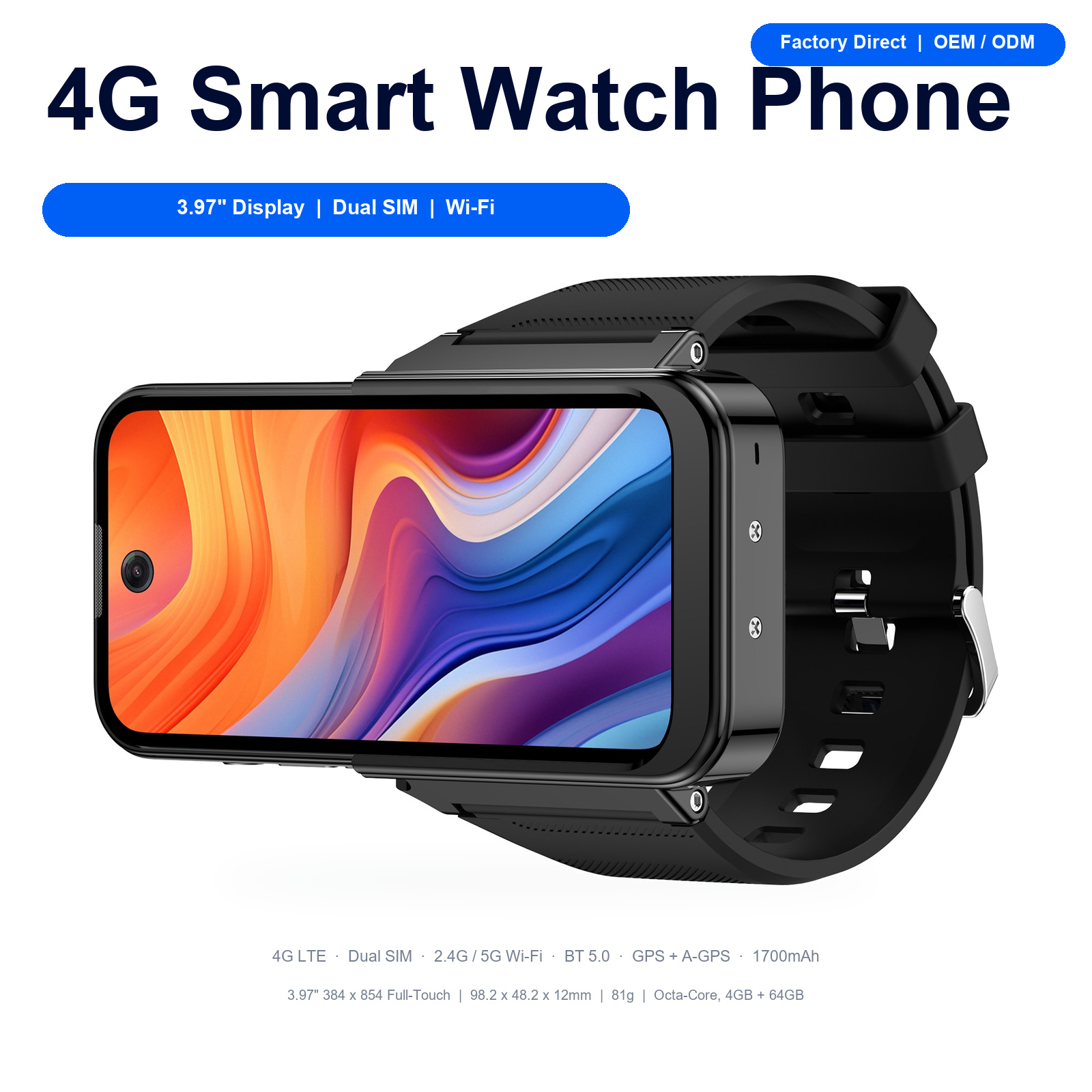
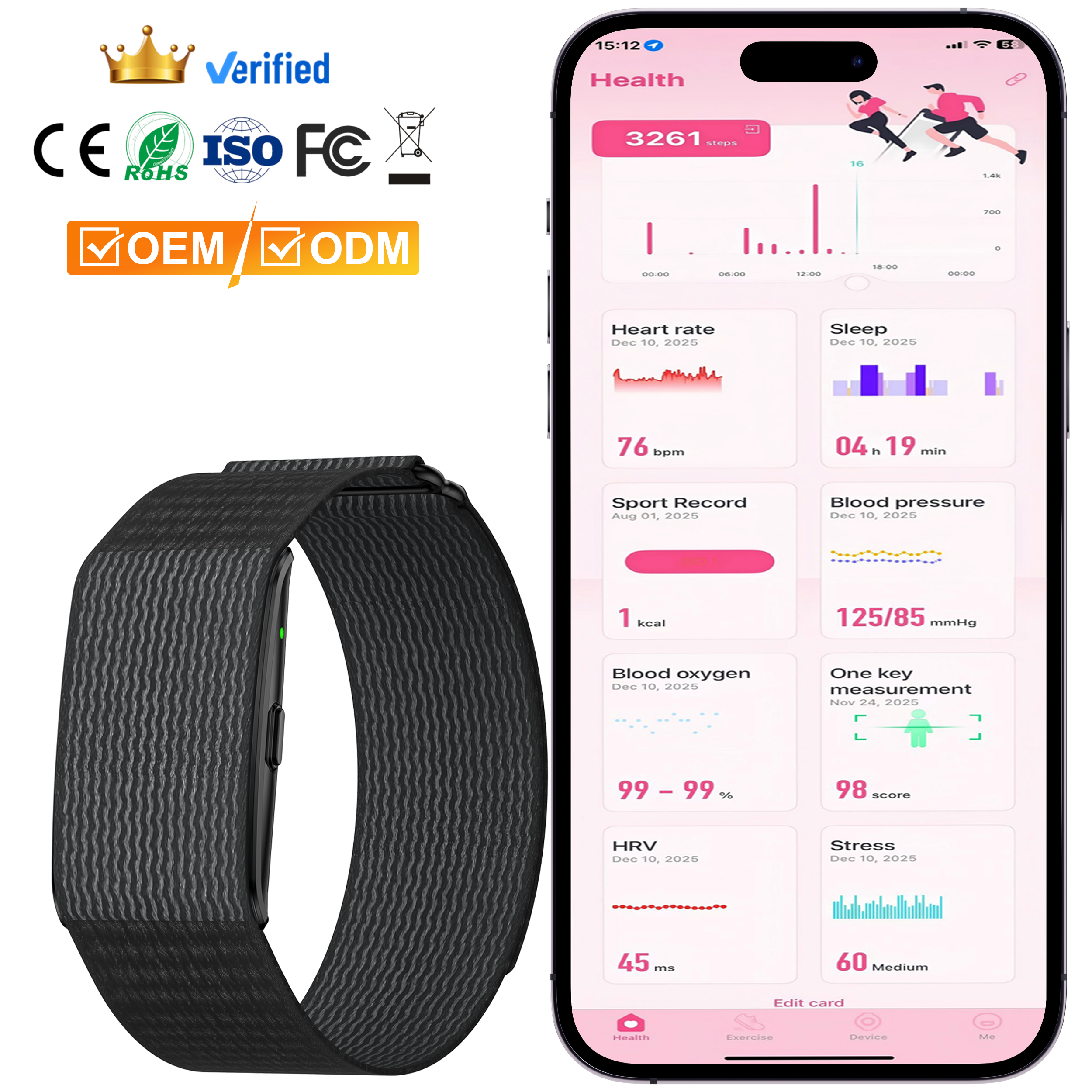
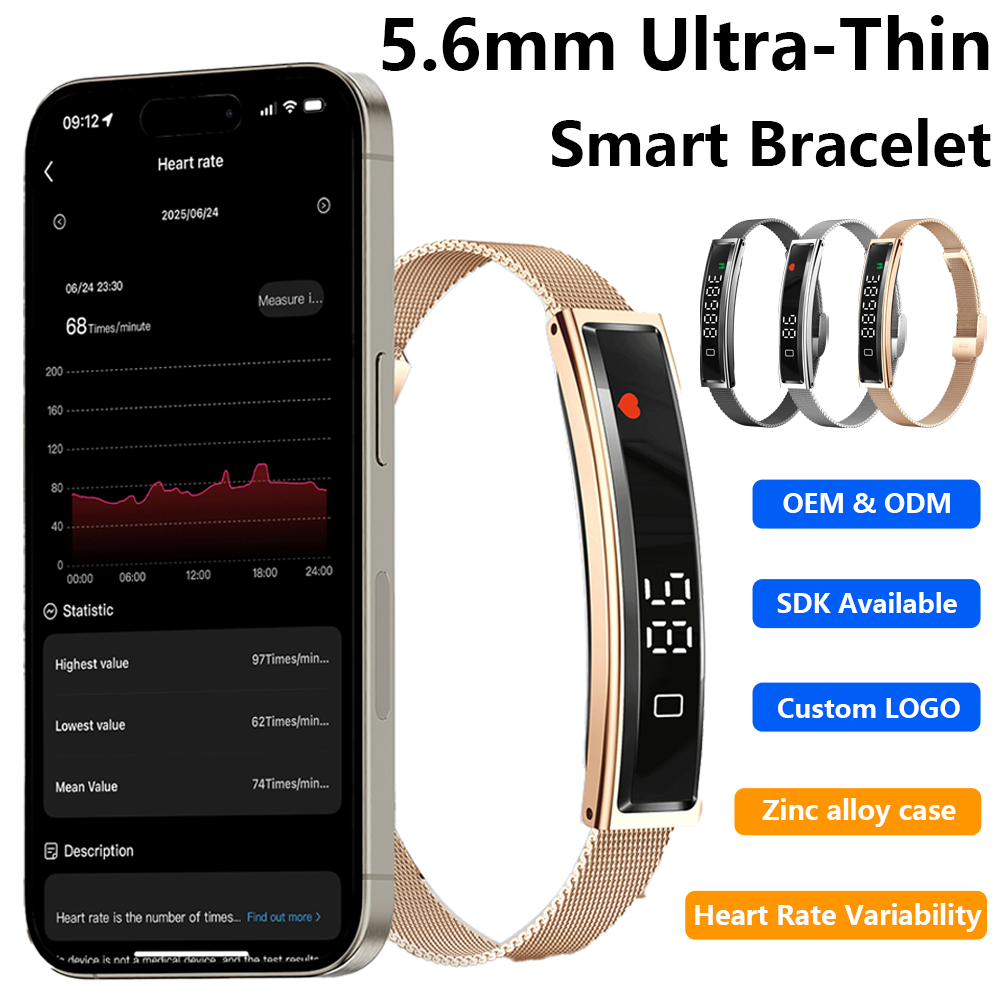
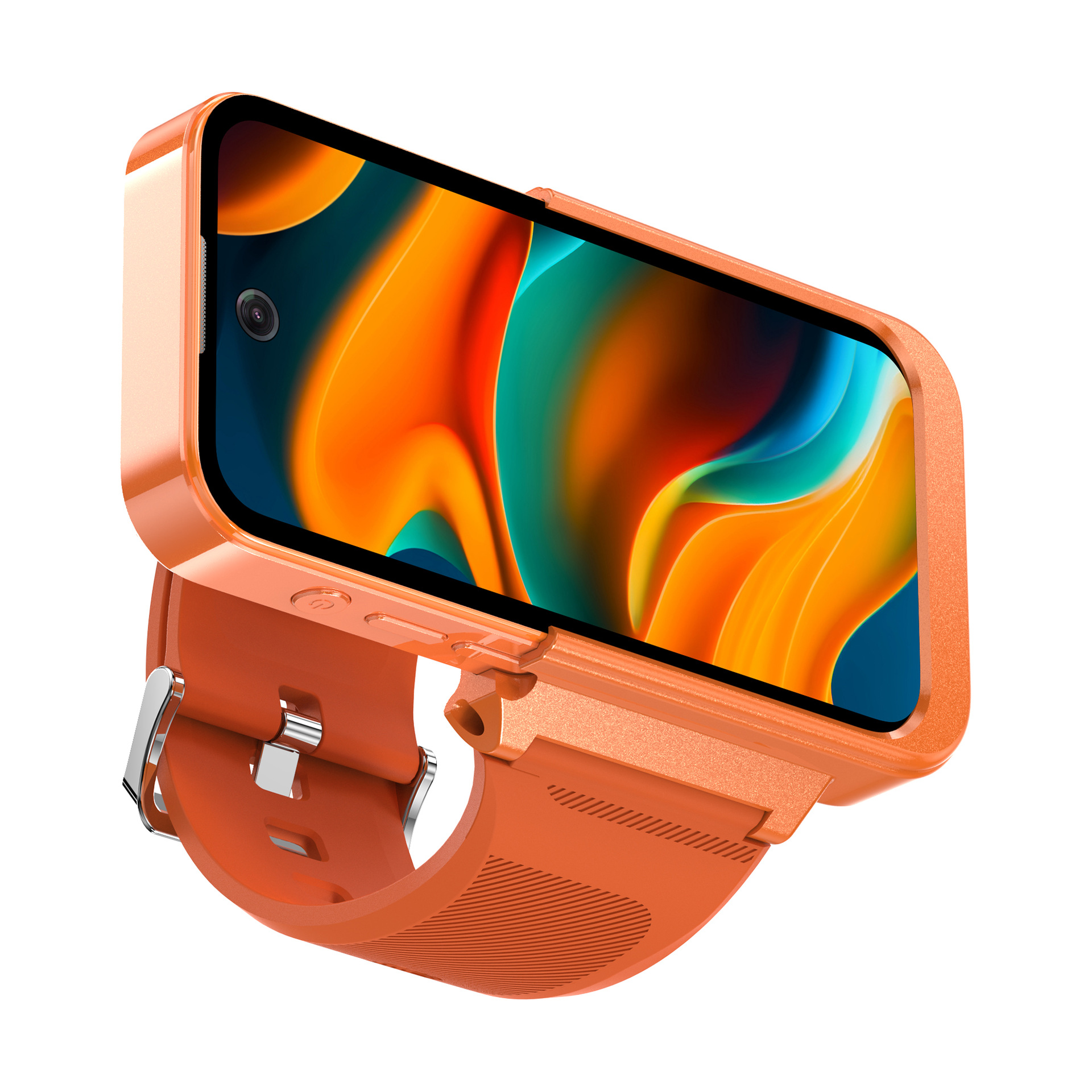
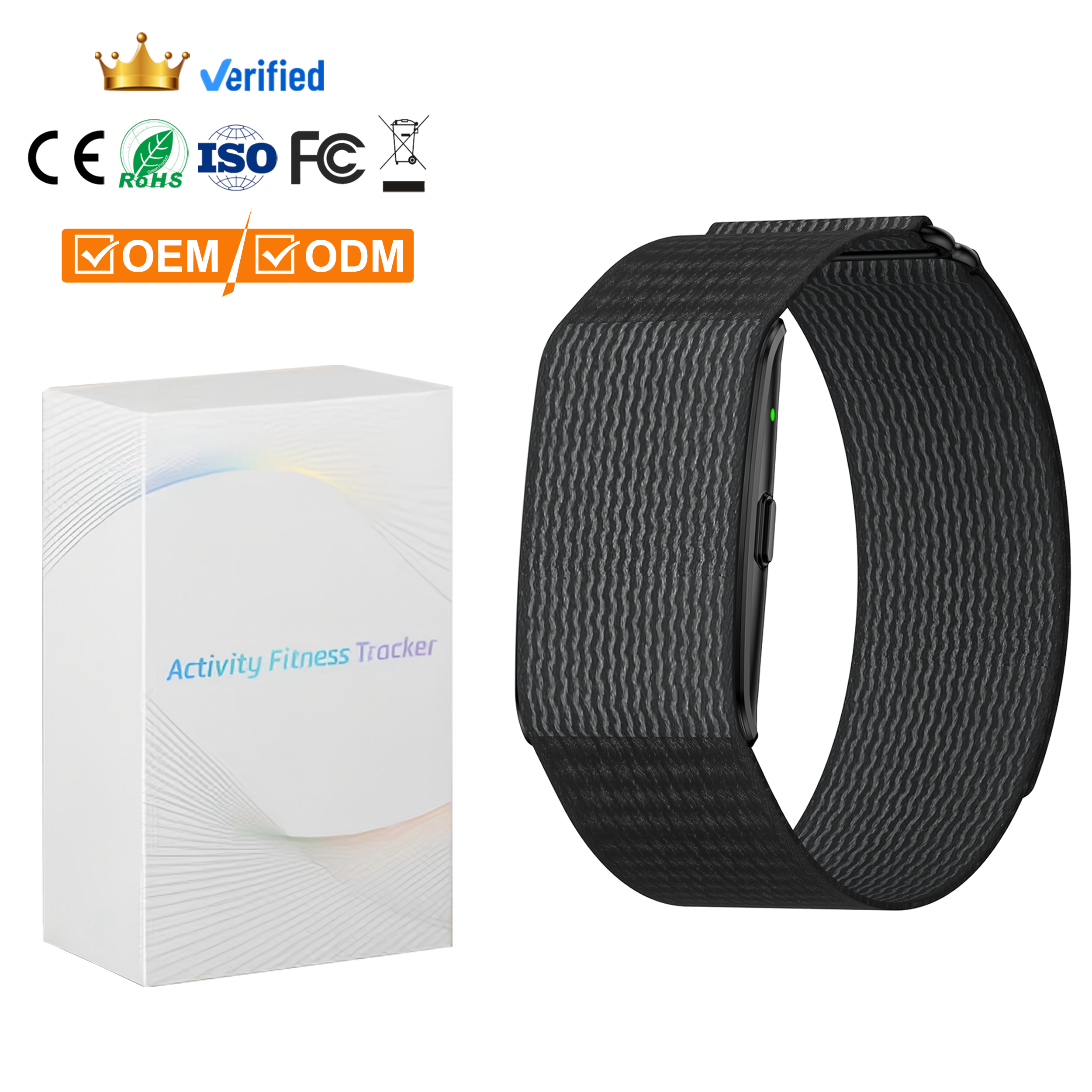
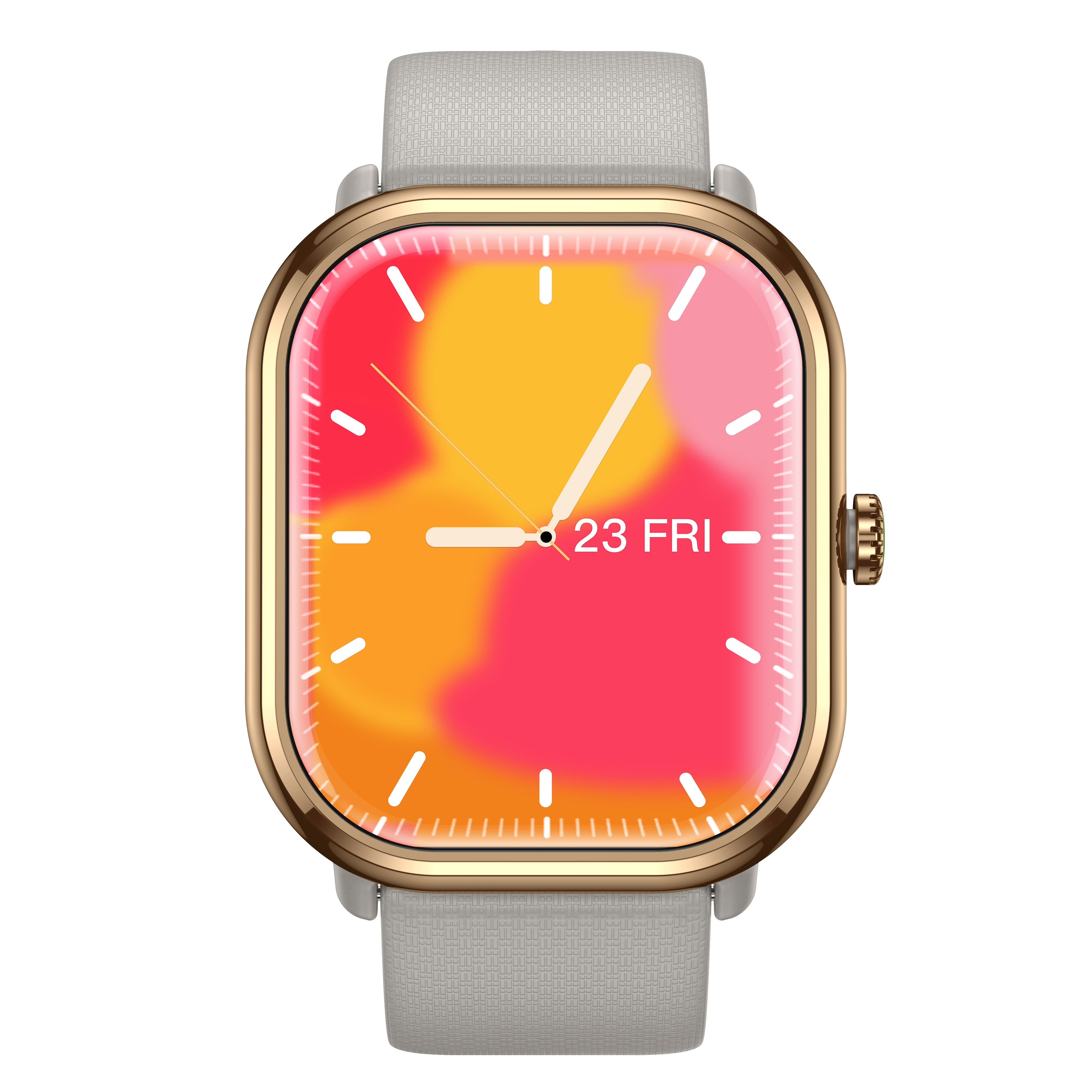
Engineering Architecture: High-Fidelity Voice Transmission in Compact Form Factors
In the global consumer electronics landscape, Bluetooth calling smart watches have evolved from secondary notification screens into primary communication conduits. However, delivering stable, crystal-clear duplex voice communications within a wrist-worn chassis measuring under 11mm in thickness presents intense mechanical and RF engineering challenges. Dongguan Brainox Technology Co., Ltd. approaches this through rigorous RF antenna isolation, advanced dual-mode Bluetooth architecture (Classic Bluetooth 5.3/5.4 with Bluetooth Low Energy), and dedicated micro-acoustic transducer integration.
A persistent flaw among low-tier smart watch manufacturers is acoustic feedback loop coupling—where the high-output miniature receiver vibrations bleed through the structural chassis into the MEMS silicon microphone, causing echo and distortion. Brainox solves this through an isolated CNC micro-cavity architecture combined with customized liquid silicone acoustic seals. By isolating the microphone acoustic channel from the primary speaker chamber and integrating real-time Environmental Noise Cancellation (ENC) with dual-mic beamforming algorithms, ambient background decibels are suppressed by up to 32dB, guaranteeing intelligible conversation even in high-noise metropolitan environments.
B2B Engineering Note: Transitioning from older dual-chip architectures (one MCU for display processing and an external Bluetooth audio transceiver) to cutting-edge single-SoC solutions (such as Realtek RTL8763E, Jerry, or Nordic NRF54 platforms) cuts standby power draw by 42% while eliminating pairing desynchronization issues across iOS and Android ecosystems.
Acoustic Water-Resistance Engineering: IP68 and 1ATM/5ATM Sound Ports
One of the primary failure points for exported Bluetooth calling smart devices is acoustic membrane degradation caused by moisture ingress. Brainox utilizes semi-permeable ePTFE (expanded polytetrafluoroethylene) acoustic membranes across all speaker output ports and microphone relief valves. These high-precision membranes allow acoustic wave displacement with less than 1.5dB acoustic loss while repelling liquid droplets up to IP68 and 1ATM/3ATM hydrostatic pressure limits. During mass production, each assembled chassis undergoes automated air-decay leakage testing to ensure zero structural seal deviations prior to final blister or gift-box packaging.
B2B Technical Comparison Matrix: Bluetooth Calling Architectures
When selecting a smart watch platform for brand customization, understanding the trade-offs between processing architecture, power consumption, and audio codec performance is essential for long-term brand equity.
| Hardware Parameter | Standard Dual-Chip System | Modern Single-SoC (Brainox Standard) | Android Flagship OS (e.g., PG999) |
|---|---|---|---|
| SoC Topology | Separate Display MCU + Classic BT Audio IC | Unified Dual-Core DSP / Audio BLE 5.3 SoC | Quad-Core / Octa-Core Cellular AP + BT Radio |
| Acoustic Algorithm | Basic Hardware Filter (Mono Input) | Integrated DSP with Neural ENC / Echo Canceling | OS-level Wideband Beamforming with Noise Suppress |
| Call Battery Longevity | 2.5 – 3.5 Hours Continuous Talk | 6.0 – 8.5 Hours Continuous Talk | 4.0 – 5.5 Hours Talk (VoLTE / BT Dual) |
| Connection Reliability | Requires Dual BT Connections (BLE + BT Audio) | Single Pairing Name, Instant Auto-Handshake | Native Android Bluetooth Stack Management |
| Waterproof Retention | Glued Mesh Ports (Prone to Aging) | Ultrasonically Welded ePTFE Membrane Enclosure | Precision Rubber Compression Gasket Rings |
| Target Sourcing Tier | Budget Promotional Campaigns | Mid-to-High Retail & Private Label Brands | Enterprise, Telecom, & Standalone Device Sellers |
Product Development & Global Procurement Trends (2025–2028)
Forward-looking intelligence for corporate buyers, retail category directors, and OEM project leaders navigating regulatory transitions, silicon evolution, and consumer shifts.
Bluetooth LE Audio & LC3 Codec Adoption
The industry is rapidly shifting away from legacy Sub-Band Coding (SBC) toward the Low Complexity Communication Codec (LC3) standard introduced in Bluetooth 5.3 and 5.4. LC3 delivers equal or superior acoustic quality at half the data rate, resulting in substantial battery savings. Importers must procure hardware platforms whose firmware stacks are pre-configured for LE Audio broadcast and Auracast compatibility.
Edge-AI Voice Integration on Wearables
Consumers now expect on-device voice transcription and offline voice command processing. Instead of routing raw audio through the smartphone app to external cloud LLMs, modern RTOS smart watch SoCs incorporate tiny neural processing units (NPUs). This allows zero-latency local wake-up words, speech-to-text messaging drafts, and dynamic acoustic gain adjustments tailored to the user's vocal cadence.
Multi-Sensor Telemetry Convergence
Bluetooth calling is no longer sold in isolation. Procurement data indicates that over 84% of high-volume SKUs integrate advanced biomedical sensors—including multi-wavelength photoplethysmography (PPG) arrays, optical blood oxygen saturation (SpO2), micro air-pump oscillometric blood pressure cuffs, and single-lead ECG telemetry. Smart watches are evolving into proactive health management hubs.
Strategic Supply Chain Restructuring for Global Brand Importers
In response to international trade dynamics and stricter product safety legislation across the European Union and North America, international distributors are overhauling their vendor qualification protocols. Sourcing teams are shifting away from intermediate trading houses in favor of factory-direct partnerships with SGS-audited facilities that provide comprehensive testing verification.
Key procurement focus areas include Battery Directive compliance (EU 2023/1542), ensuring that wearable batteries are safely labeled, readily documented with UN38.3 test summaries, and certified under CE-RED, RoHS, and FCC Title 47 requirements. Furthermore, software privacy compliance—specifically end-to-end data encryption across companion apps and cloud backend servers (compliant with GDPR in Europe and HIPAA guidelines in the US)—has become a prerequisite for major retail shelf-space entry.
Dongguan Brainox Technology: SGS On-Site Audited Precision
Operating within the world-renowned Songshan Lake technology hub in Dongguan, Brainox integrates comprehensive R&D engineering, industrial design, firmware optimization, and a standardized 19-step quality control laboratory.
The 19-Step Testing Protocol Behind Every Wearable Shipment
To prevent return rates from eroding brand margins, our engineers subject incoming components and finished production runs to exhaustive environmental, structural, and electrical stresses.
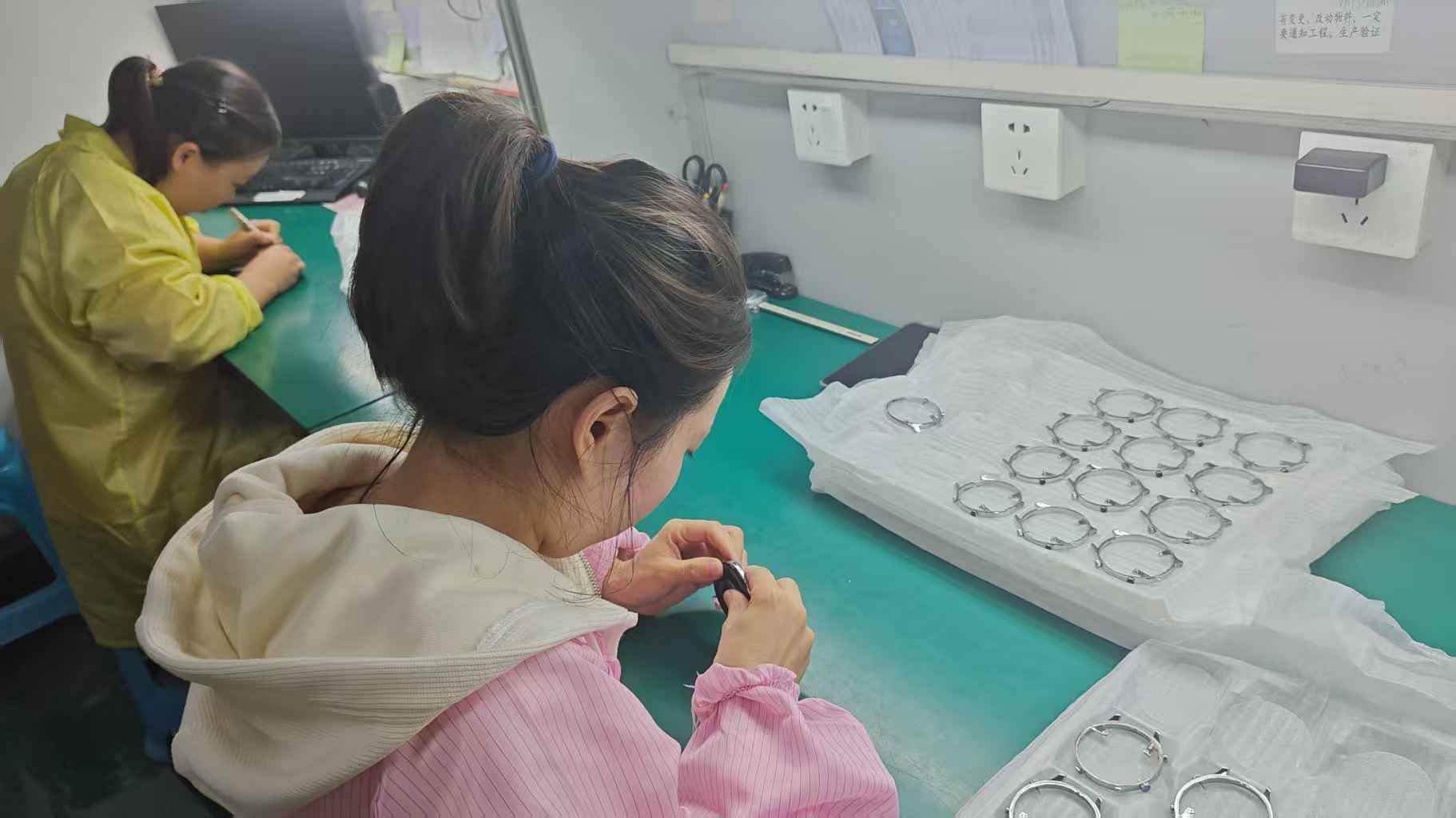
Rigorous optical and electrical verification of AMOLED displays, sensors, and IC chips.
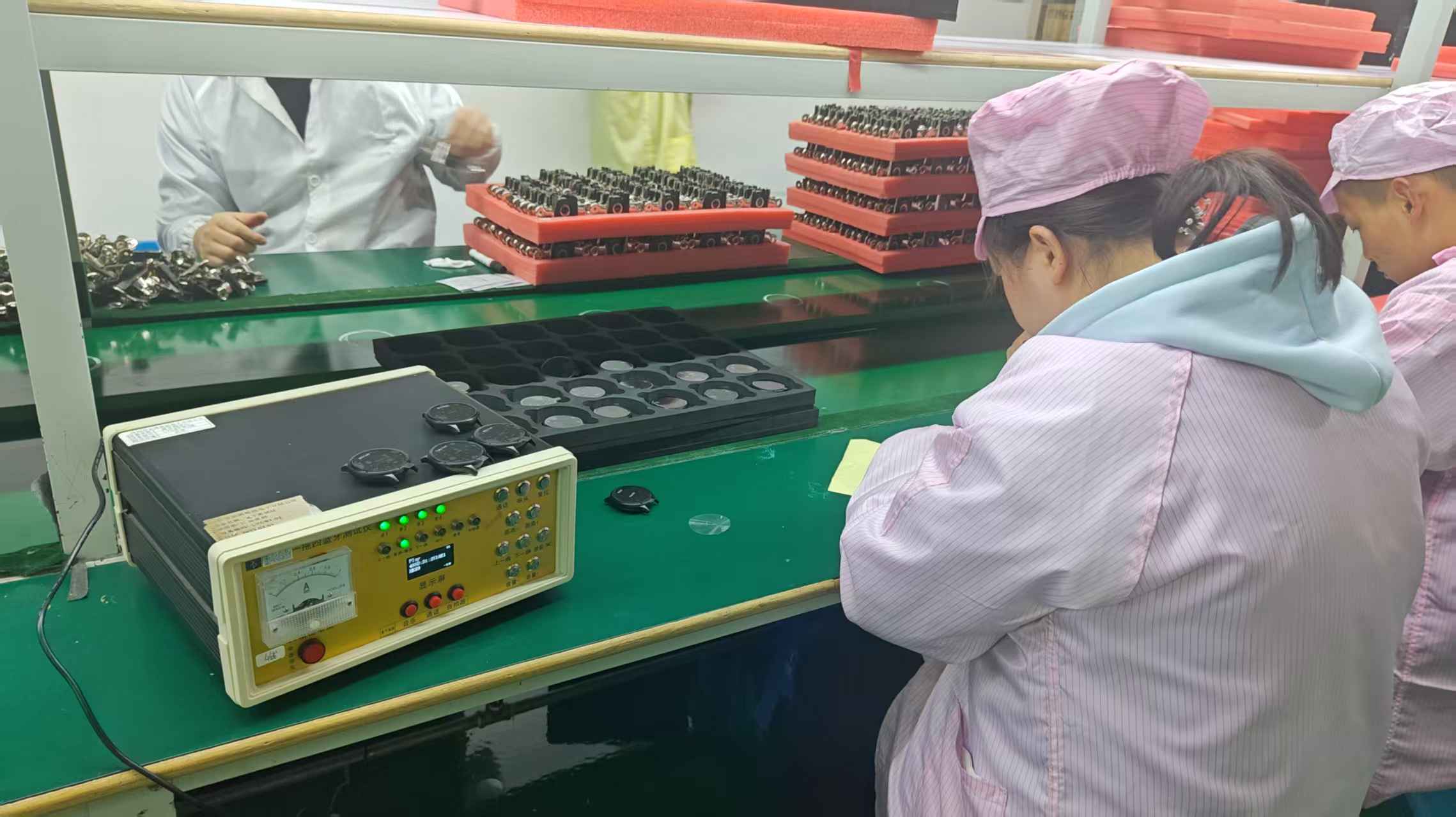
Testing pairing range, packet drop rate, and duplex acoustic signal clarity.
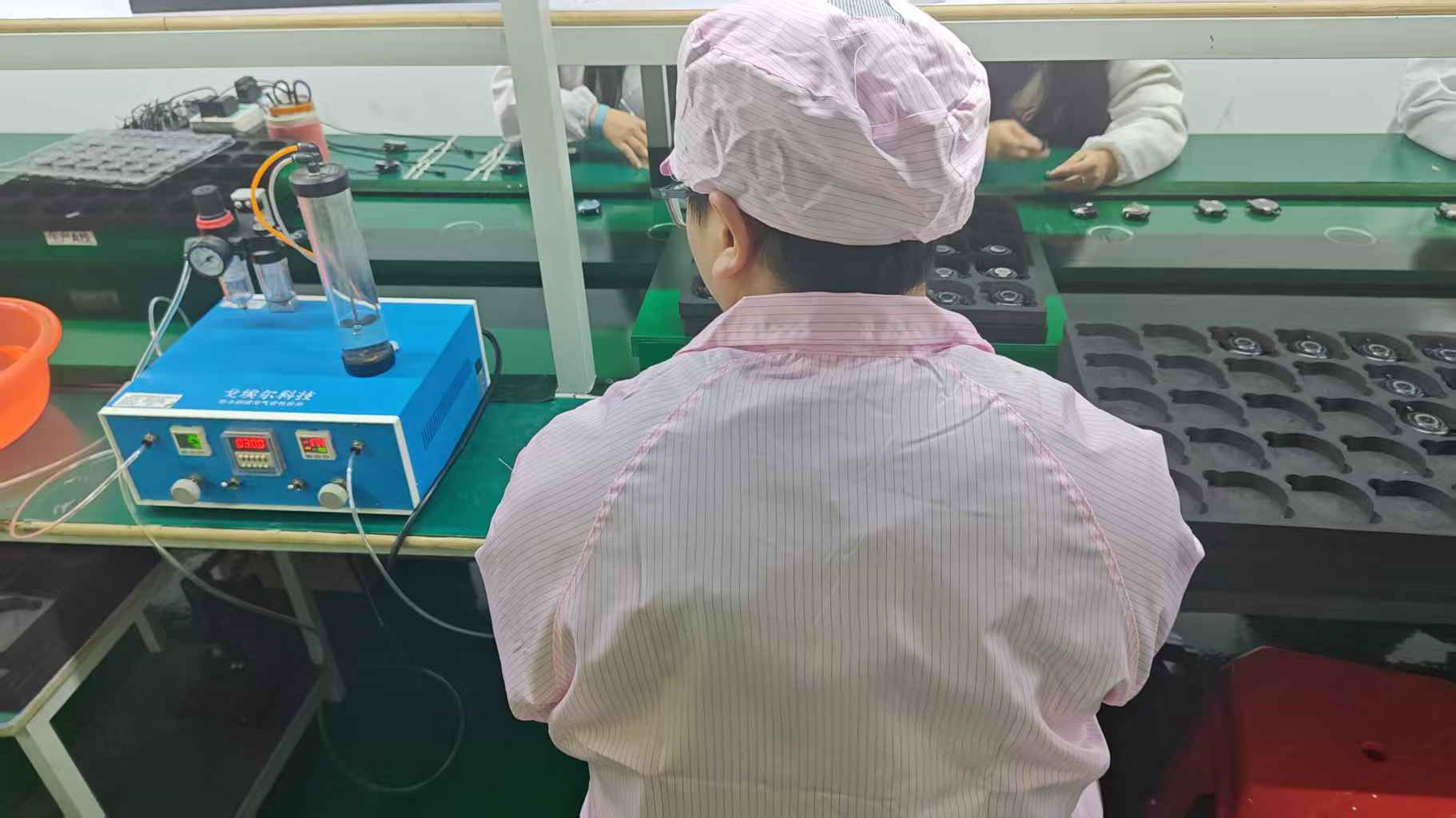
100% automated chamber pressure differential checks for IP67/IP68 hermetic seals.
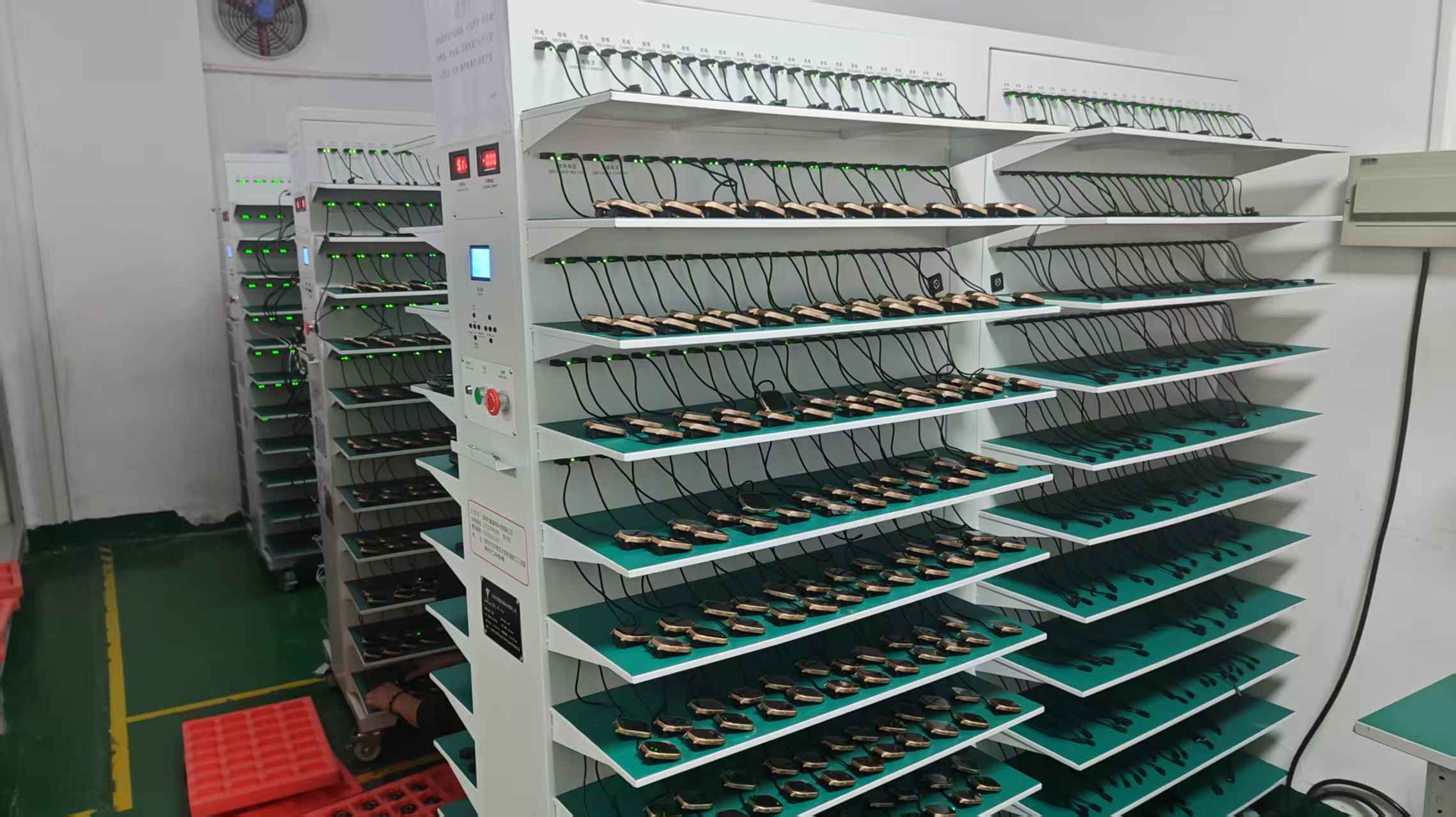
Continuous electrical cycling to eliminate early-life silicon component failures.
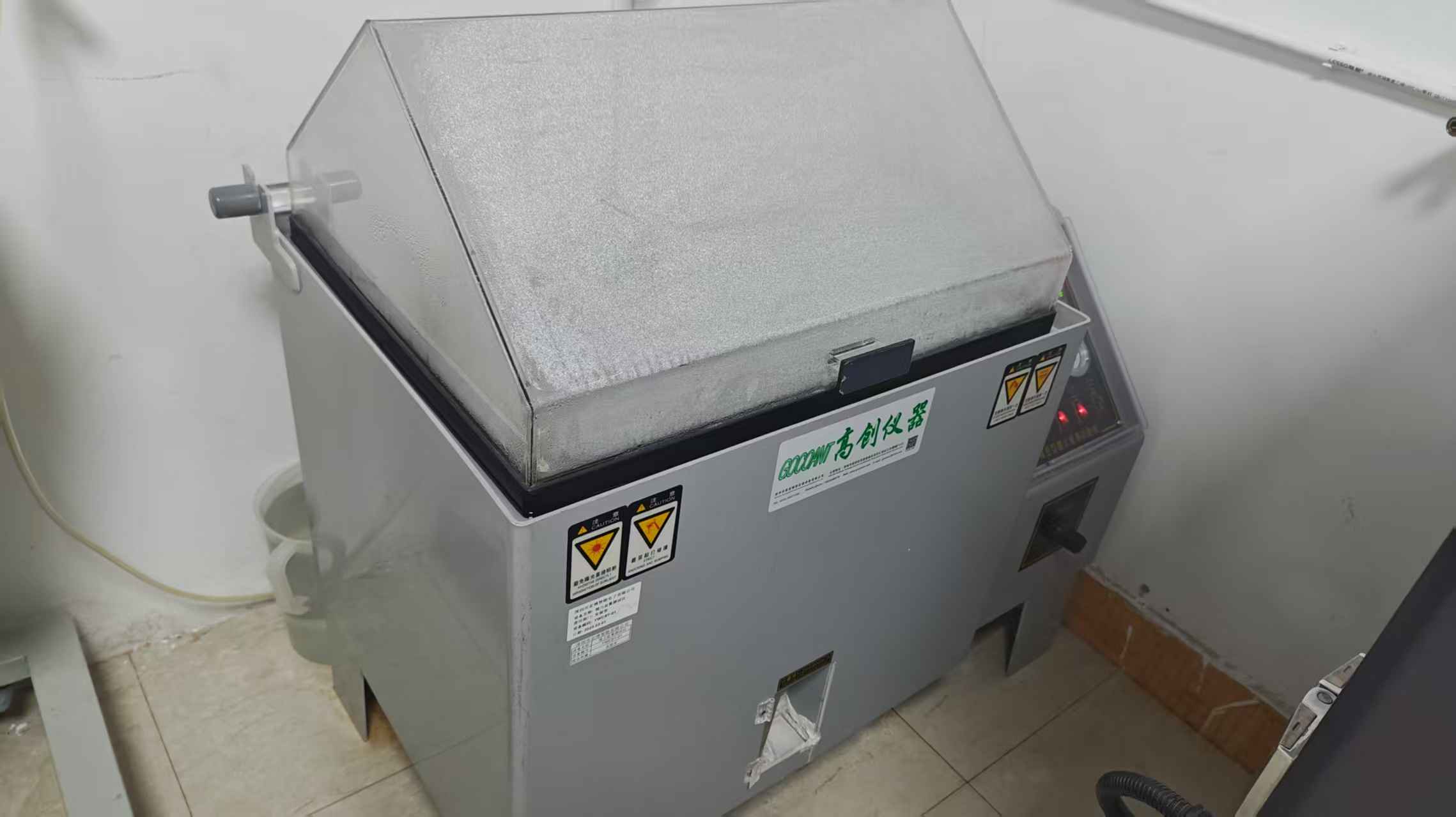
Simulating corrosive sweat and marine air to protect charging pins and metal bezels.
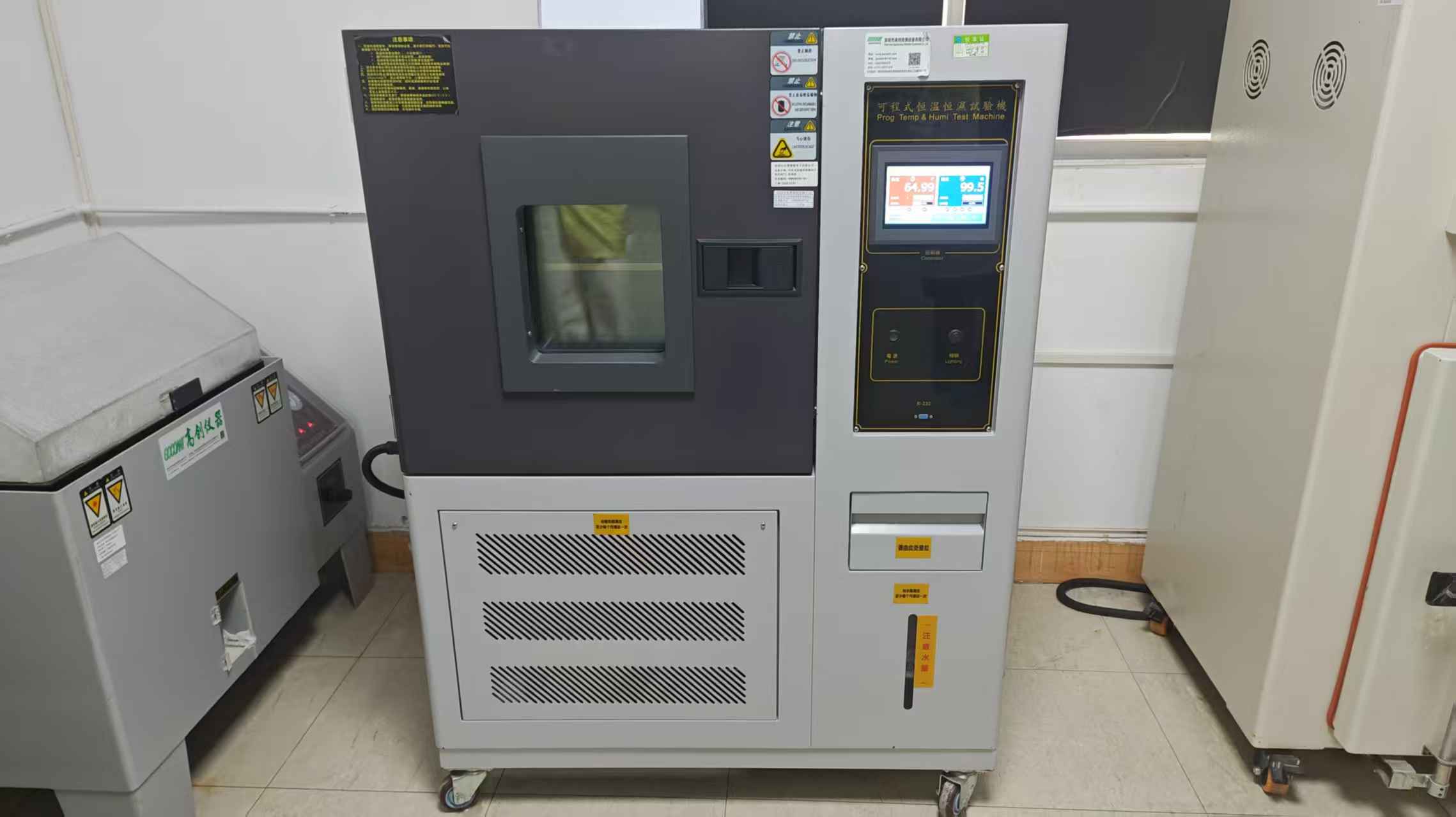
Thermal stress testing between -20°C and +60°C to guarantee global climate readiness.
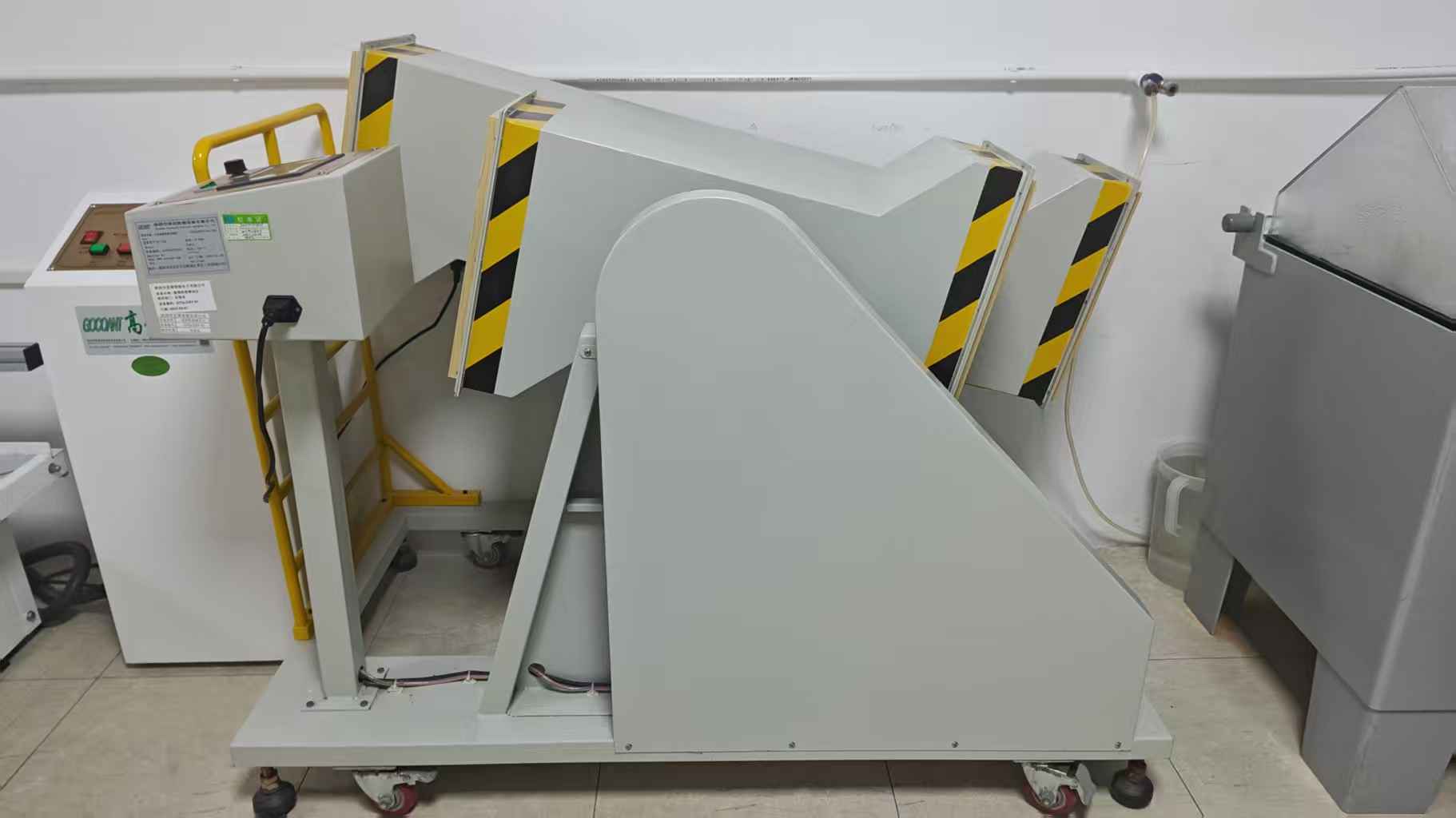
Repeated mechanical impacts to verify display bonding and battery anchor integrity.
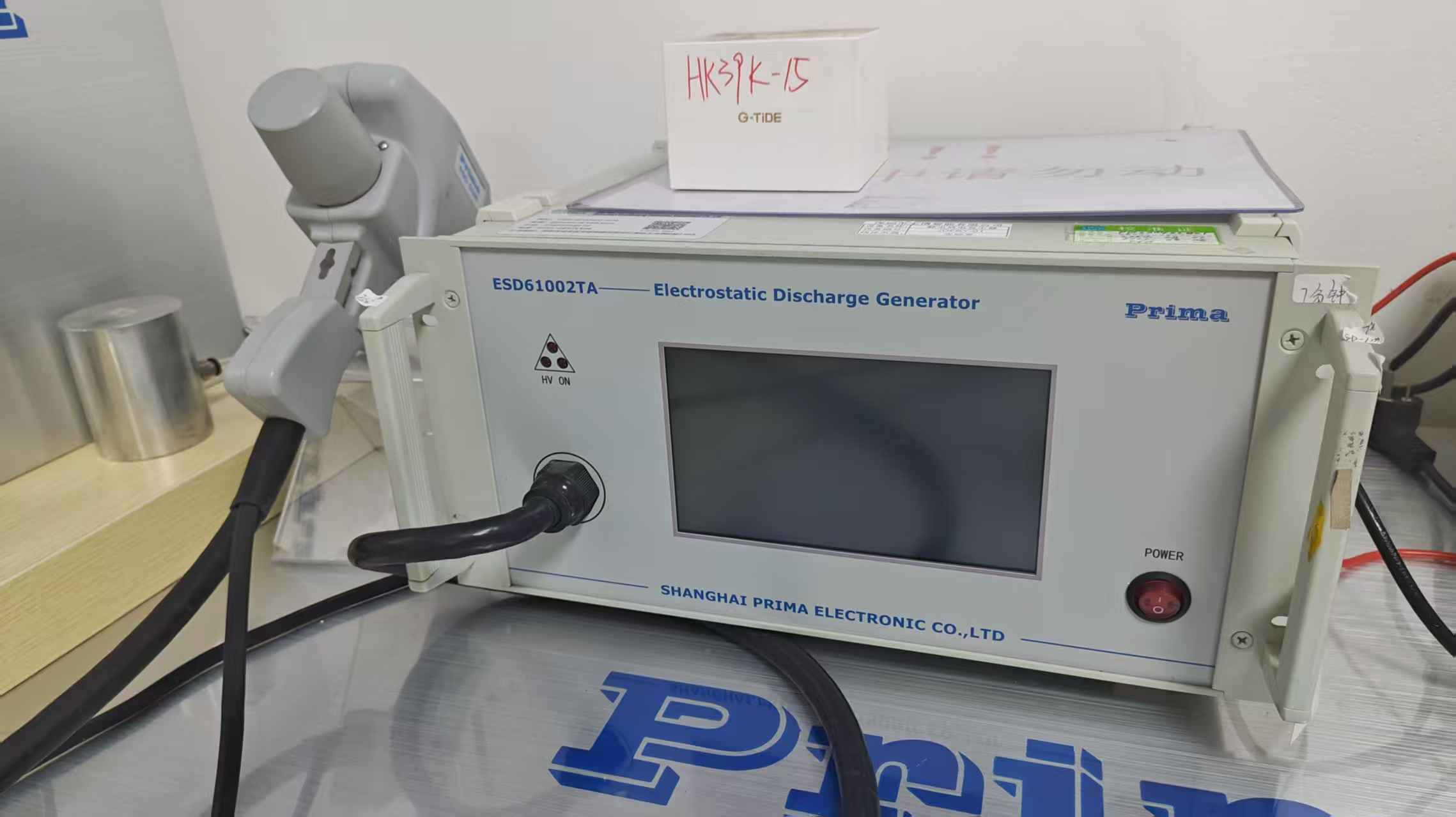
High-voltage electrostatic shock testing up to ±8kV contact and ±15kV air discharge.
Four-Tier Flexible OEM / ODM Customization Workflow
Brainox provides tailored engagement paths designed to scale with your brand's operational lifecycle—from agile market launches to proprietary tooling projects:
Tier 1: Minor Customization (Fast Turnaround)
Ideal for e-commerce brands and promotional campaigns. Includes custom laser-engraved case back logos, customized boot logo screens, bespoke retail gift boxes, and localized multilingual instruction manuals. Typical lead time: 10–14 days.
Tier 2: CMF & Material Personalization
Tailor the look and feel to your brand aesthetic. Options include PVD zinc alloy, titanium, or 316L stainless steel finishes, custom ceramic or silicone watch bands, bespoke packaging structures, and pre-installed custom watch faces.
Tier 3 & 4: Full ODM & Proprietary Tooling
Complete product lifecycle engineering from ID industrial design sketches, structural 3D modeling, and PCB schematic routing to dedicated companion app white-labeling (iOS & Android), cloud server integration, and exclusive tooling protection.
Frequently Asked Questions for B2B Importers & Wholesalers
Clear, documented answers regarding manufacturing standards, minimum order quantities, compliance documentation, and RF carrier band matching.