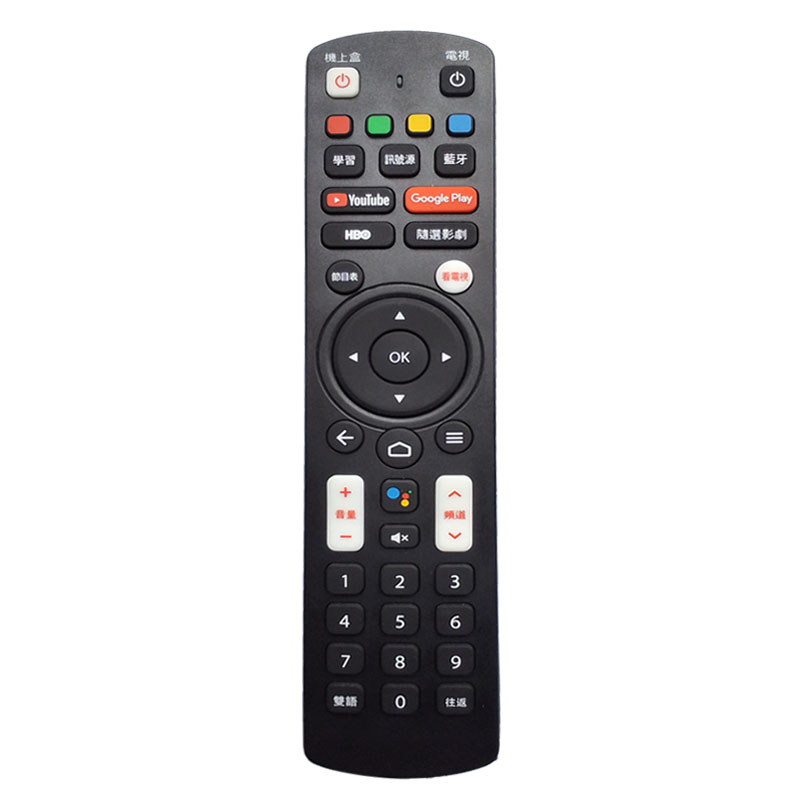
Precision infrared and Bluetooth BLE hybrid remote unit engineered for multi-device ecosystem integration, IoT healthcare terminal control, and customized TV interface management.
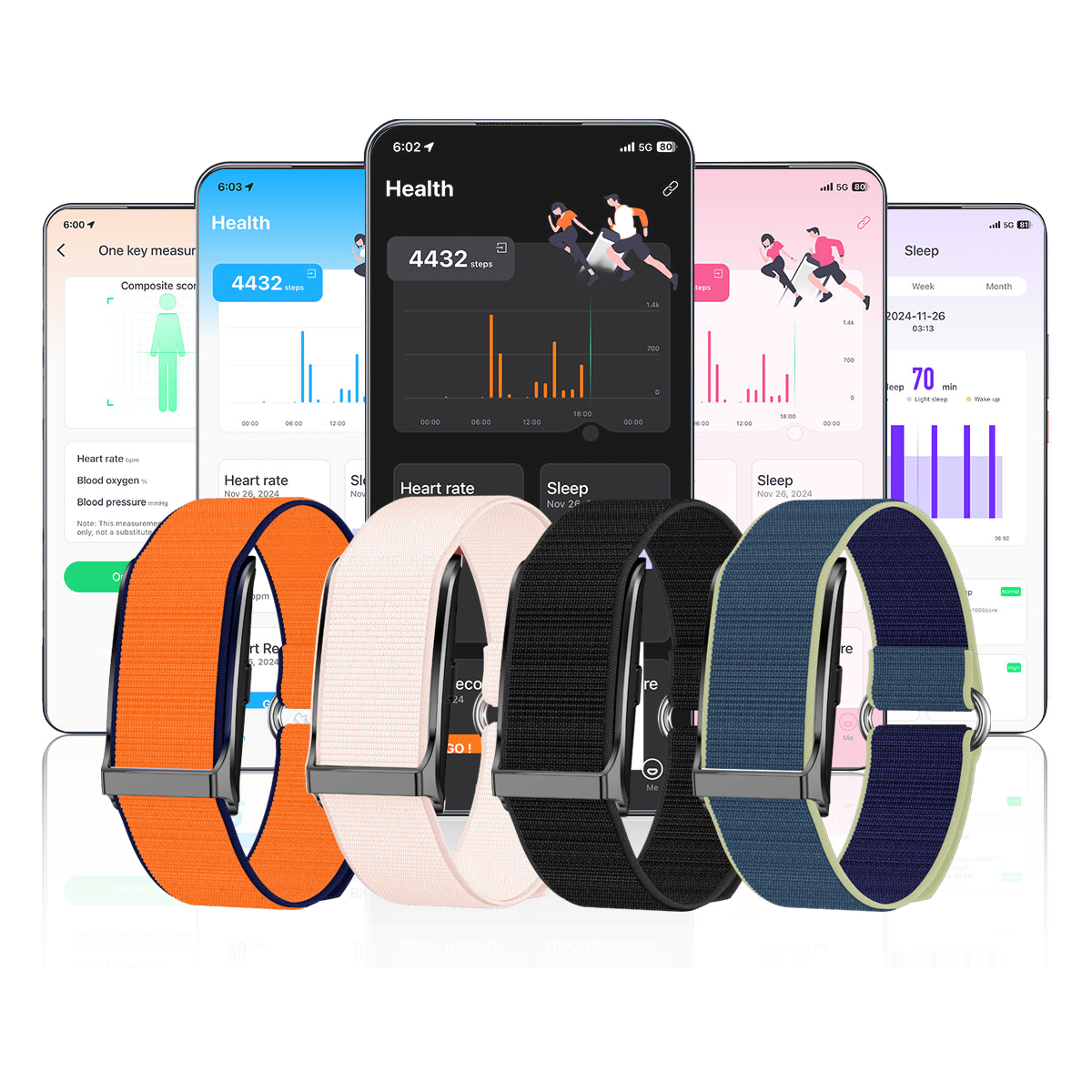
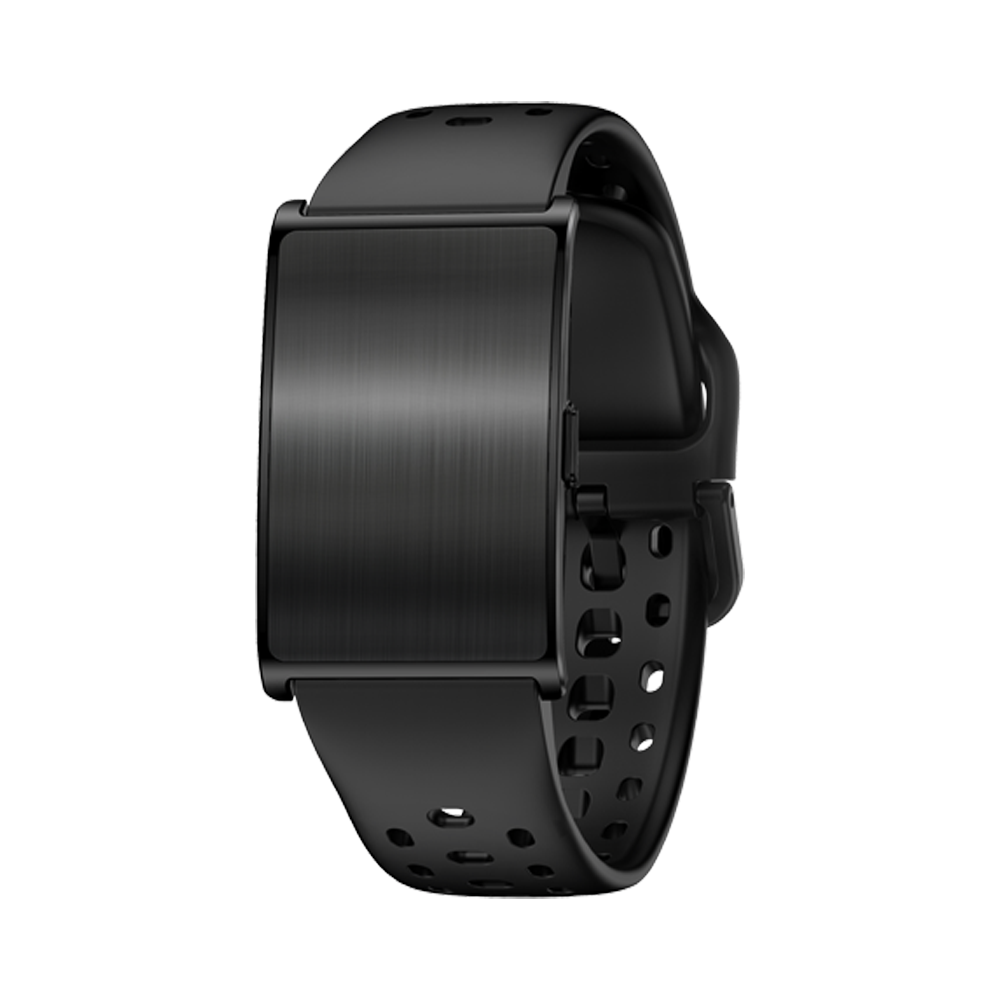
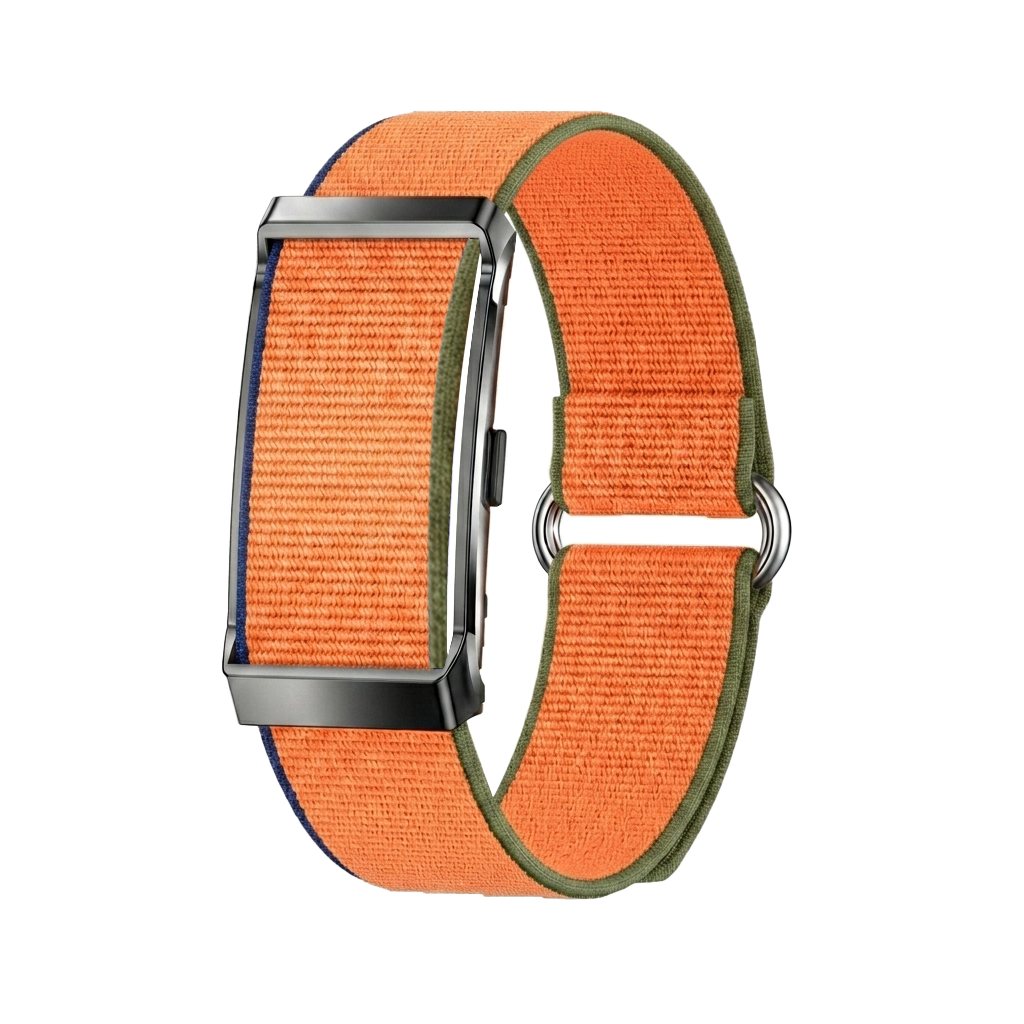
Distraction-free biometric tracking band with 20–30 days active battery life, continuous PPG sensor module, SpO2 blood oxygen tracking, and deep algorithmic AI health analytics.
Equipped with medical-grade contact thermistor arrays, this screenless health tracker delivers continuous basal temperature mapping, SpO2 monitoring, and 170+ sports profiles.
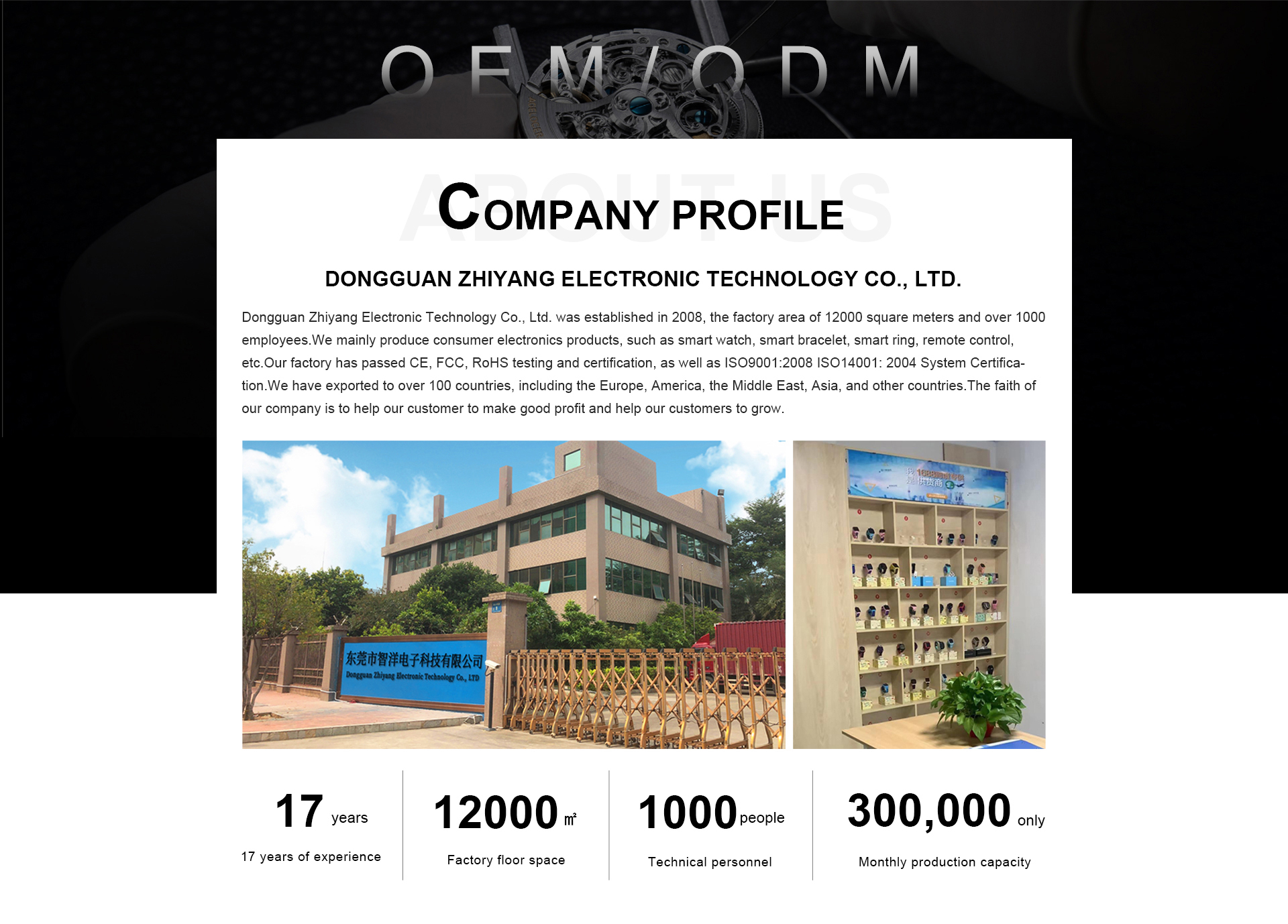
Strategically situated in Songshan Lake High-Tech Park, Dongguan—the epicenter of global consumer electronics manufacturing—Dongguan Brainox Technology Co., Ltd. operates as a verified tier-1 OEM/ODM manufacturing authority. We bridge the gap between academic biomedical sensor research and commercial mass production of health monitoring wristwear.
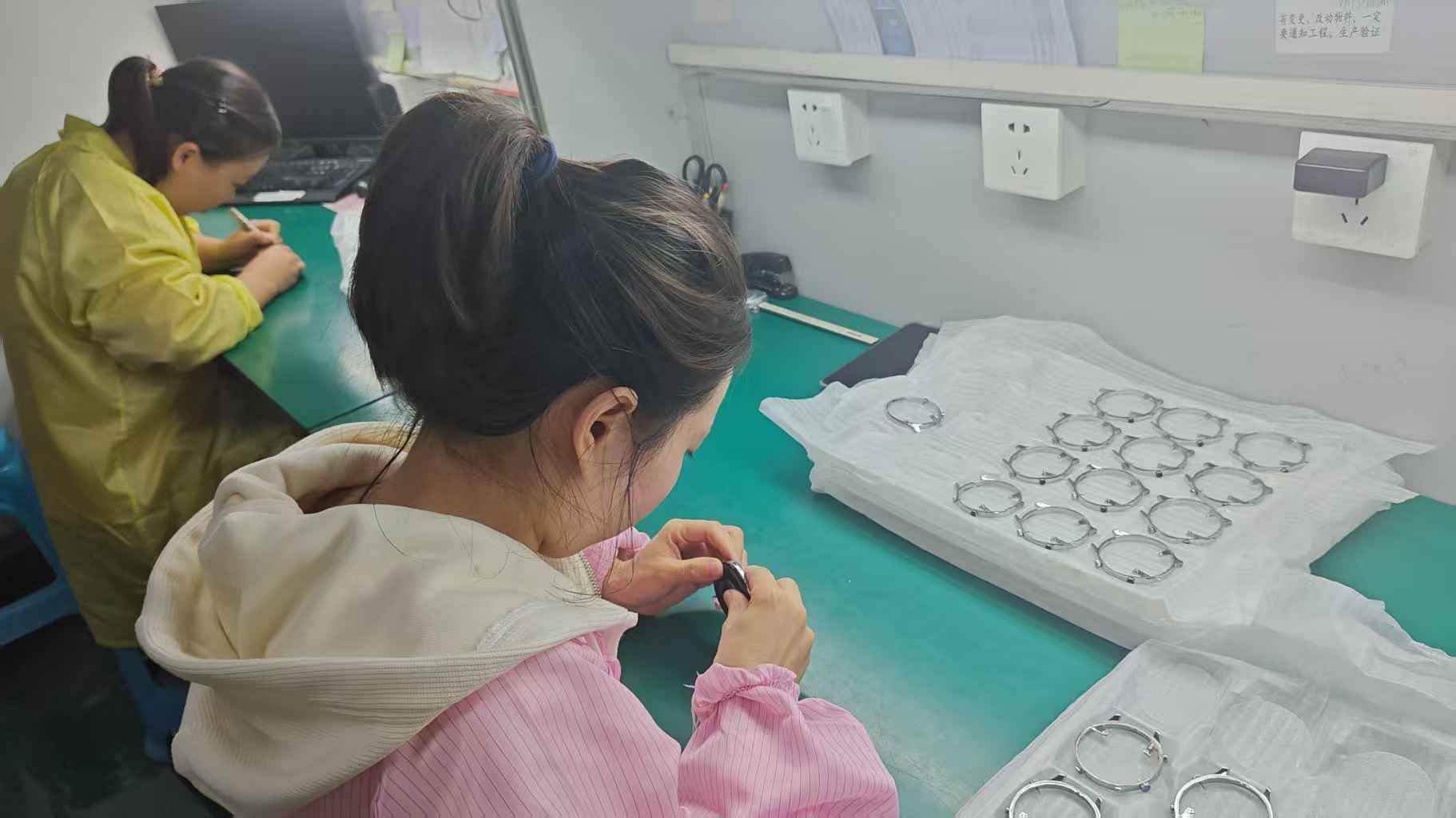
Unlike standard trading operations, Brainox integrates comprehensive hardware engineering, multi-layer PCBA surface mount lines, firmware algorithm optimization (C/C++ microkernels), and cloud health application SDK integration. Our manufacturing footprint is on-site verified by SGS Group, upholding zero-defect quality management across air-pump blood pressure watches, ECG diagnostic wearables, cellular senior safety devices, and screenless wellness bracelets.
Location Advantage: Immediate proximity to world-leading battery manufacturers, optical sensor fabs, and CNC tooling workshops in the Greater Bay Area.
Multispecialty Synergy: Fully coordinated supply chain allowing cross-category consolidation of smartwatches, rings, bands, and custom accessories.
Strict IP Protection: Secure clean-room production wings, isolated customer firmware repositories, and signed international NDA workflows.
Deconstructing Sensor Architecture: How True Health Watches Operate
A technical guide for B2B buyers, medical device importers, and corporate procurement directors seeking honest sensor transparency and clinical data fidelity.
Critical Sourcing Knowledge: The Difference Between Optical Guesswork and Pneumatic Precision
In the smart wearable export landscape, catastrophic procurement errors occur when overseas buyers misjudge sensor topologies. A massive number of generic smartwatches on the market advertise "blood pressure monitoring" utilizing solely raw green-light Photoplethysmography (PPG). This software-estimated approach calculates vascular elasticity based on skin reflections; while valuable for general lifestyle wellness trends, it is easily compromised by skin melanin density, ambient lighting leakage, and dynamic motion artifacts.
For medical distributors, health tech startups, and government eldercare programs, Dongguan Brainox Technology prioritizes Pneumatic Micro-Air Pump Technology (e.g., TK65 & GS500 models). These devices house an integrated micro air compressor capable of generating controlled pressures exceeding 220 mmHg, directly linked to a dual-layer polymer airbag laminated inside the watchband. When initiated, the airbag physically occludes the radial artery at the wrist, measuring true mean arterial pressure via genuine oscillometric pulses. This structural differentiation provides our OEM clients with an undeniable regulatory and competitive moat.
Reliability Verification
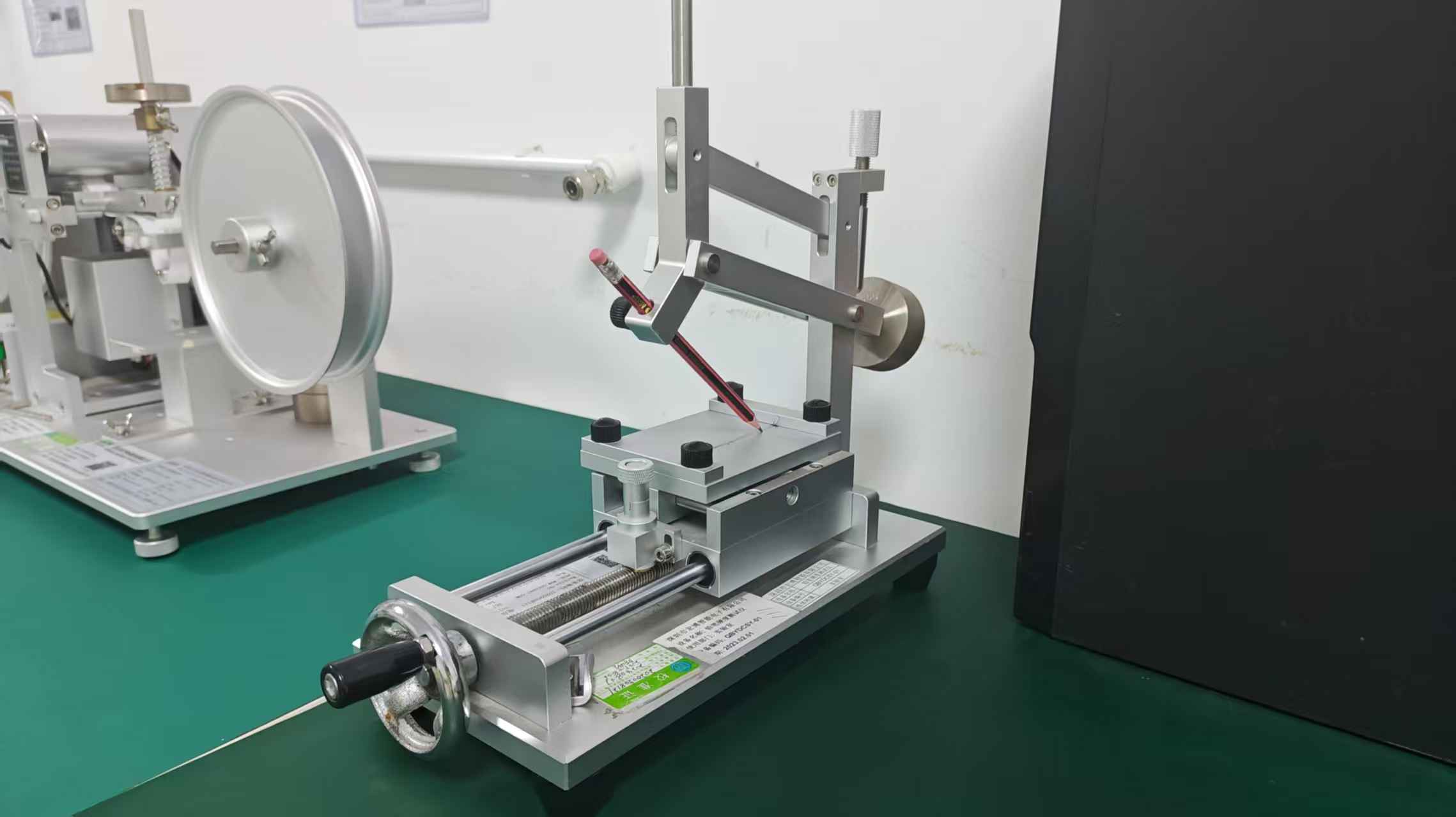
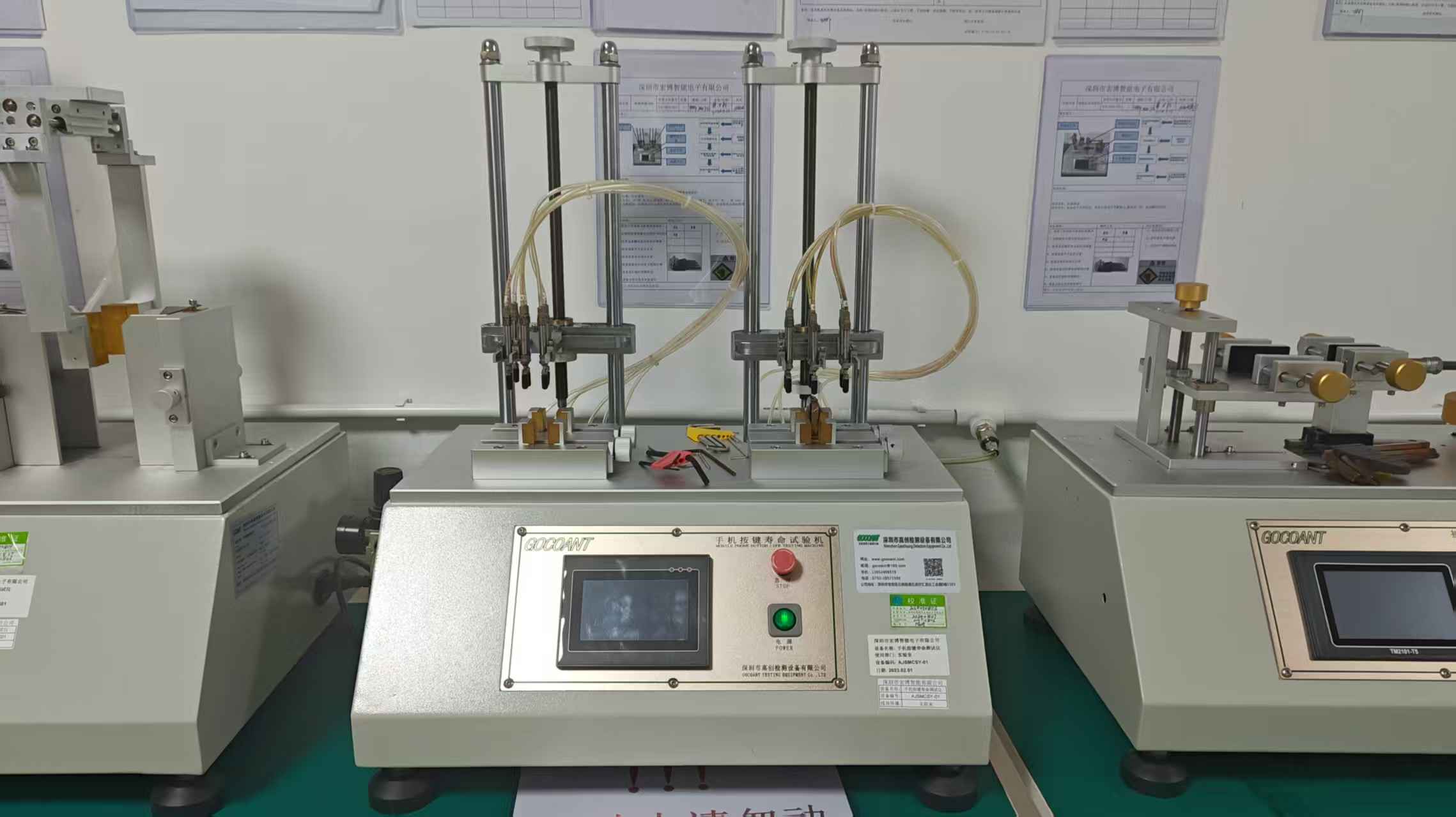
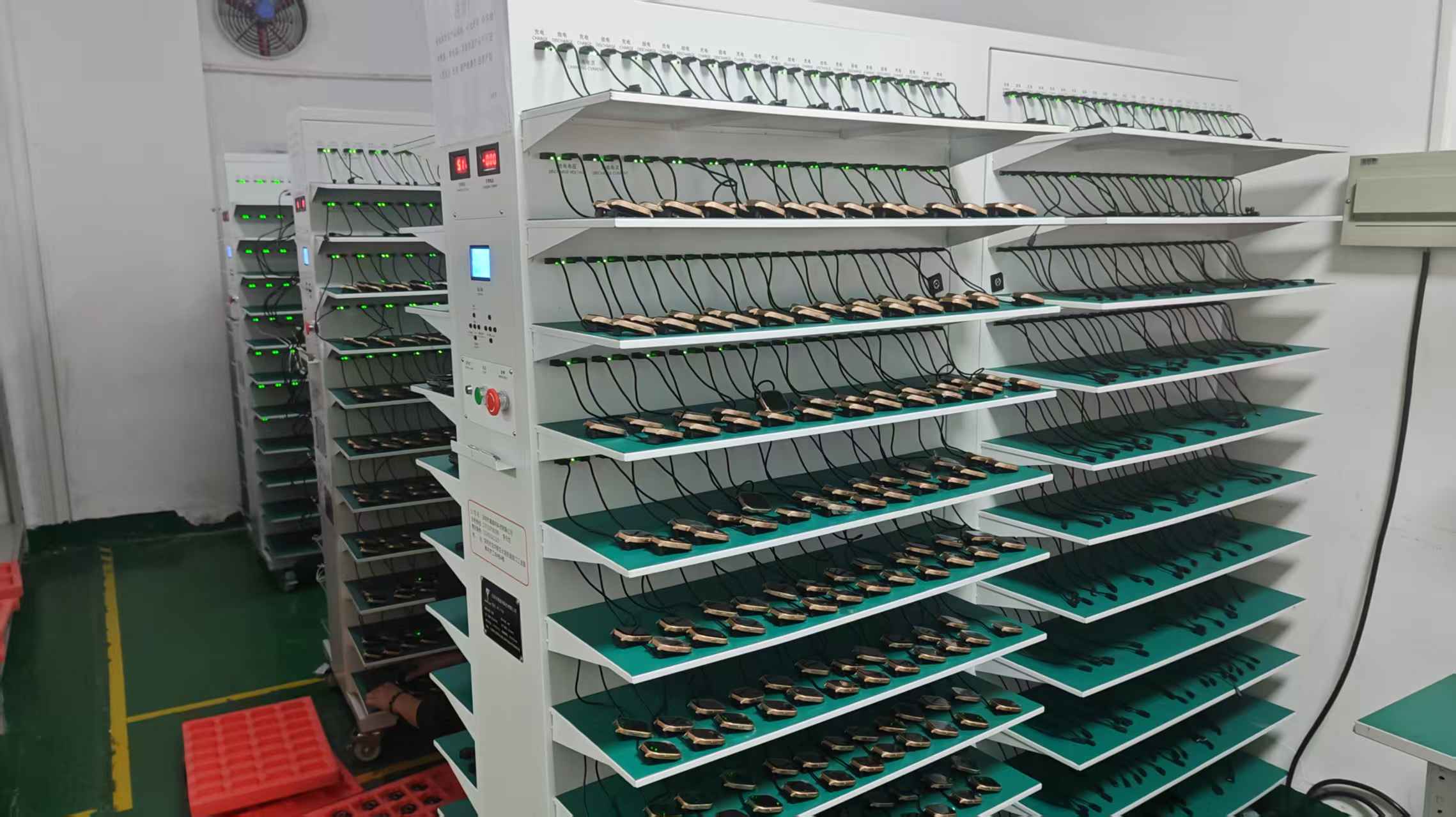
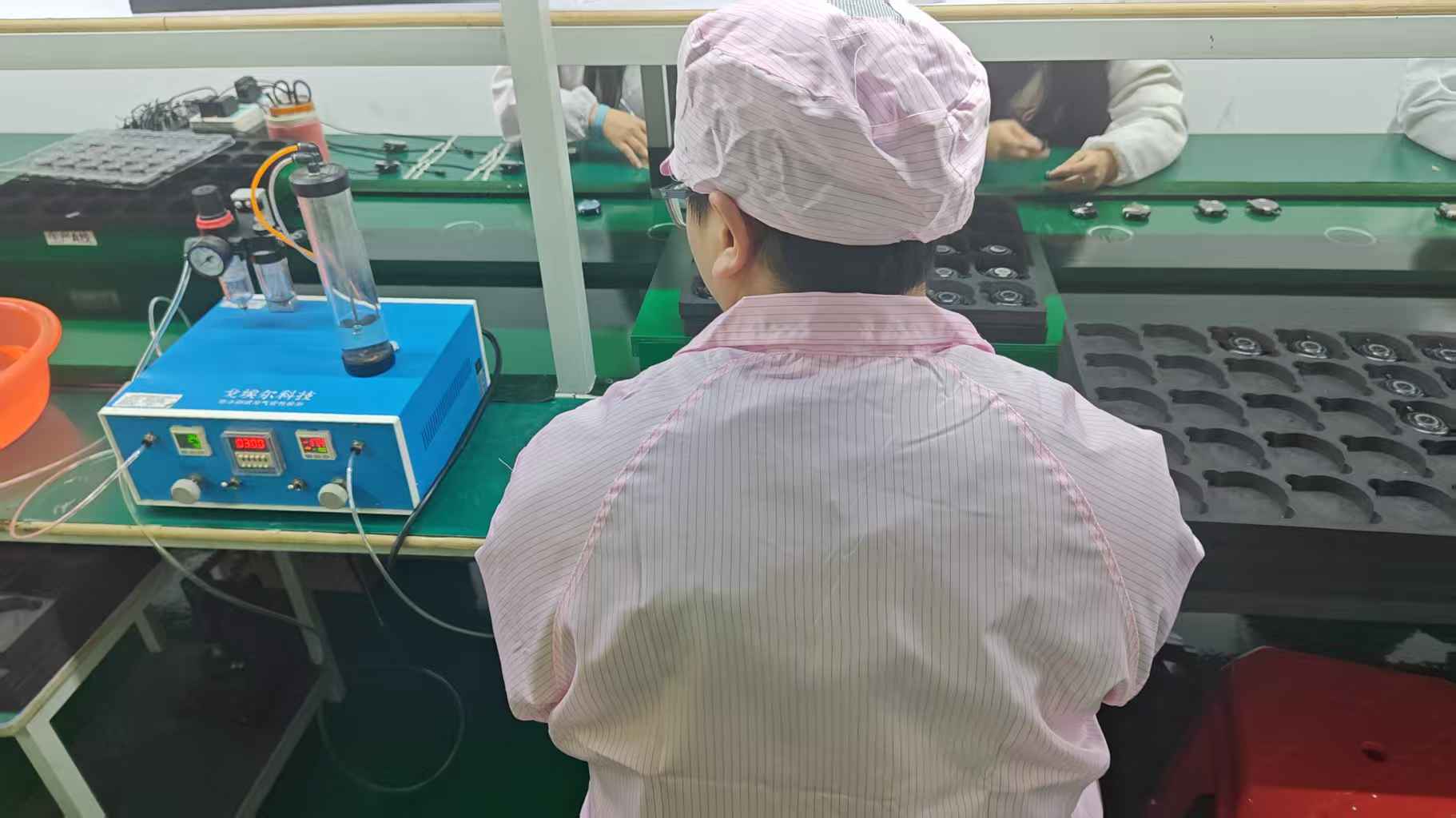
19 Rigorous Laboratory Testing Protocols
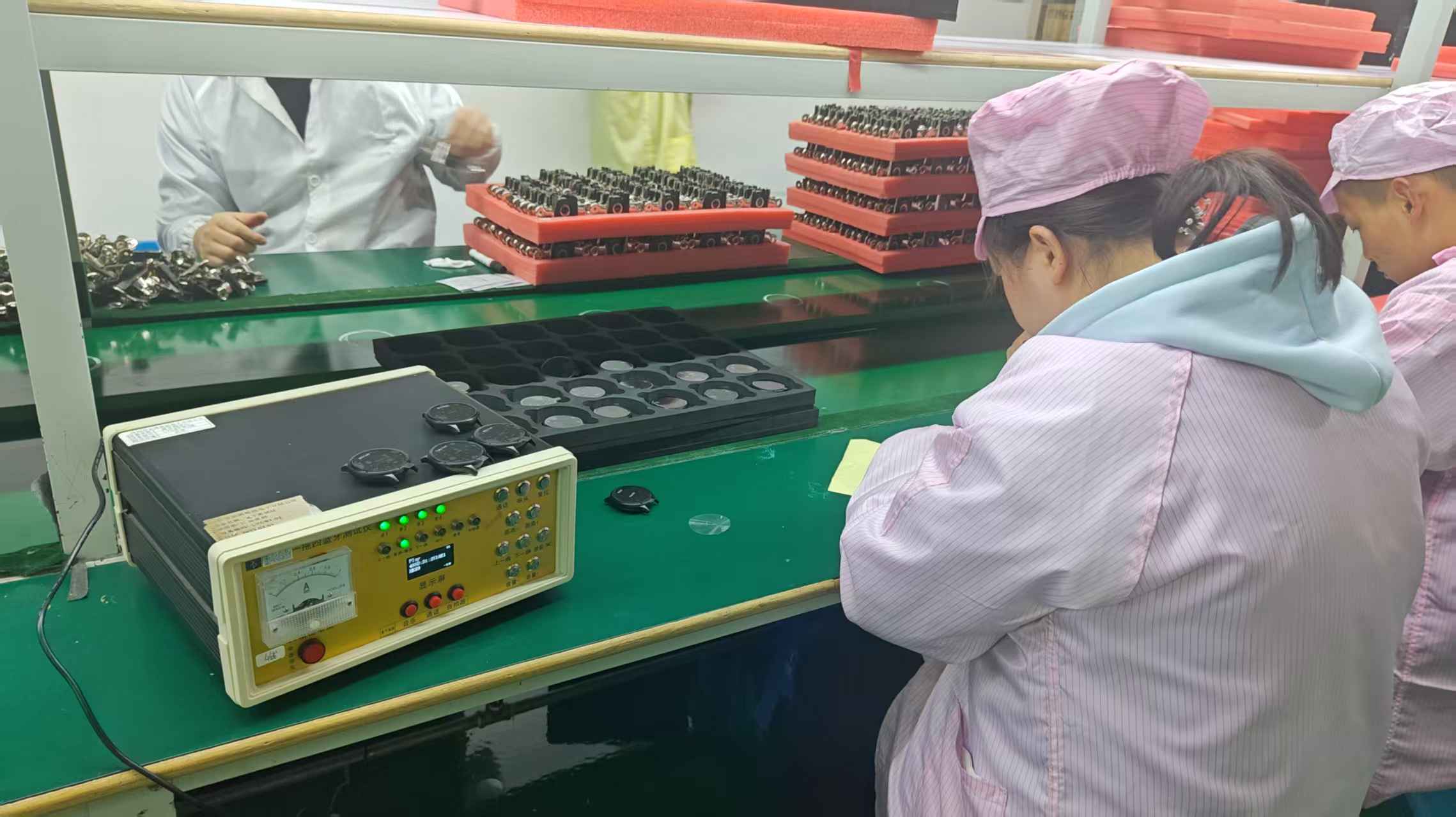
Every Brainox wearable undergoes stringent electrical, mechanical, environmental, and hermetic inspections in our Dongguan test facility before batch release.
IQC Material Verification STEP 01
100% incoming optical microscope and electrical parameter testing for incoming displays, polymer batteries, biosensor ICs, and PCBAs.
RF & BLE Signal Stability STEP 02
Anechoic radio-frequency analysis assessing Bluetooth 5.0/5.2 transmission consistency, antenna gain, and packet loss across iOS/Android devices.
Air Tightness Leak Testing STEP 03
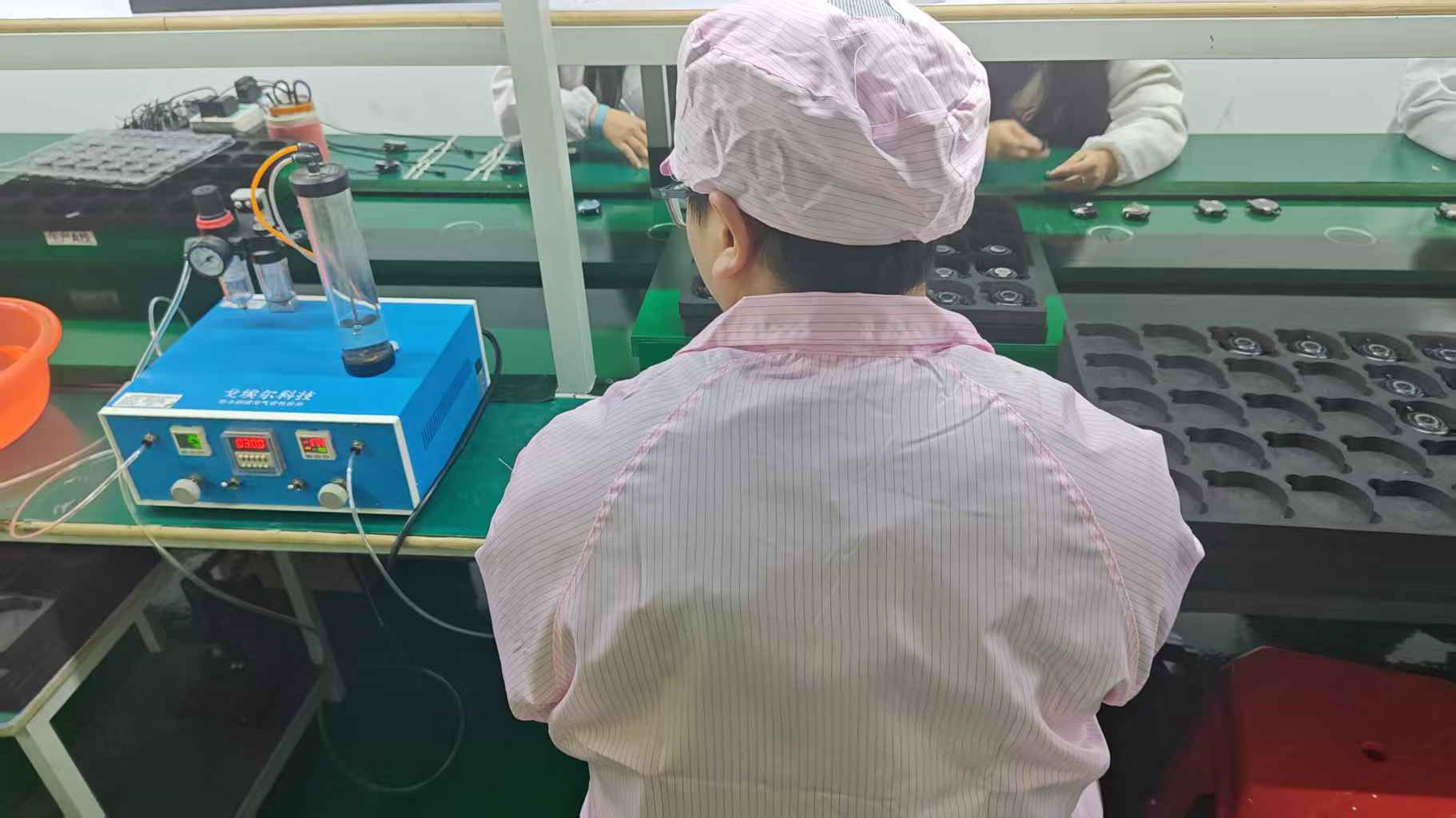
Non-destructive differential pressure cavity testing under vacuum and positive pressure to verify IP67, IP68, or ATM sealing.
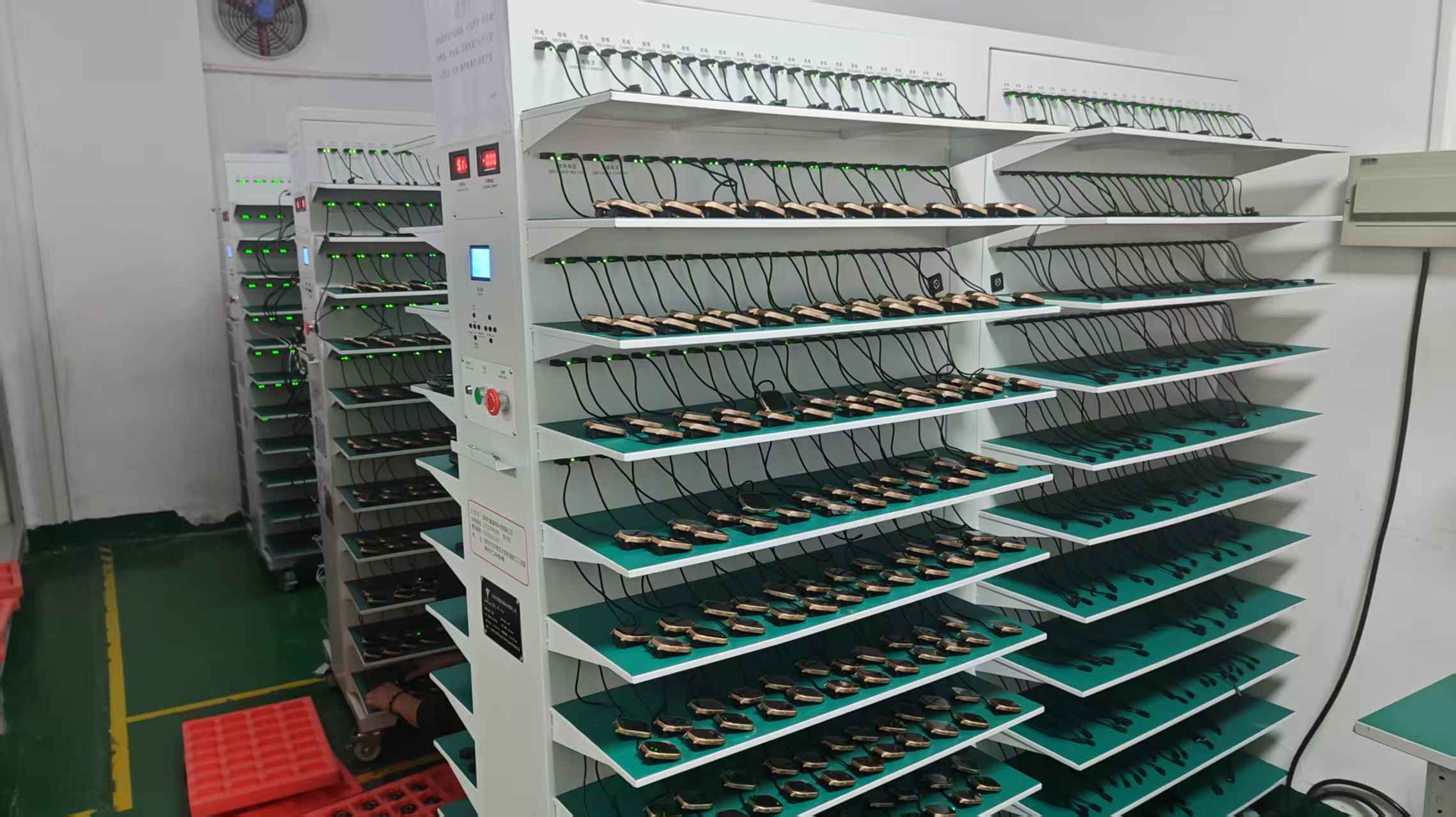
72-Hour Full System Aging STEP 04
Continuous dynamic processing, display cycling, and biosensor stress routines to force and eliminate early-life component semiconductor failures.
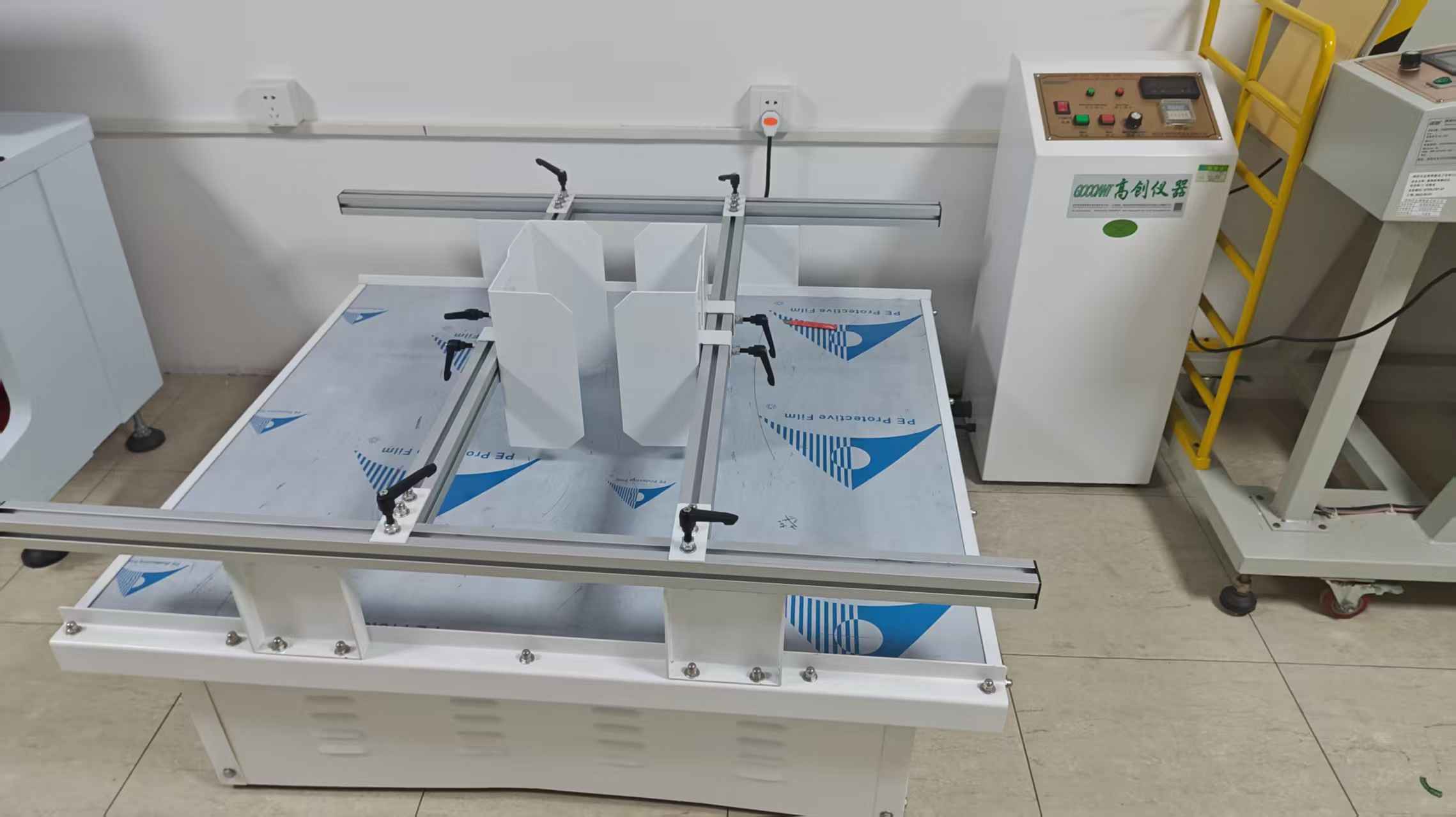
Simulated Freight Vibration STEP 05
Three-axis harmonic shake tables replicate harsh international maritime, railway, and air freight vibration profiles on full master export cartons.
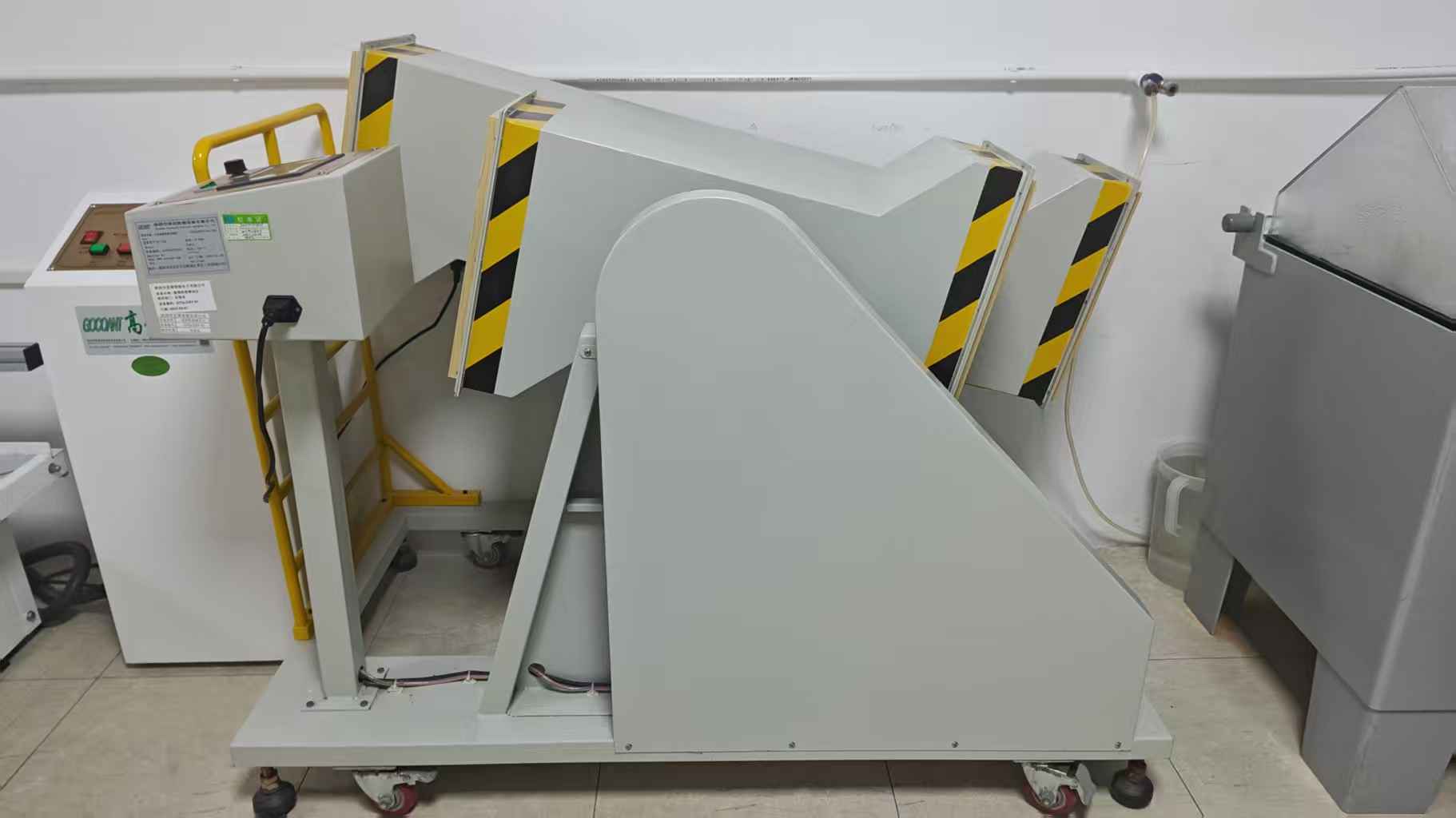
Drum Tumbling Durability STEP 06
Continuous random tumbling in steel-lined revolving drums checks structural glass lamination integrity, bezel retention, and solder joint shear strength.
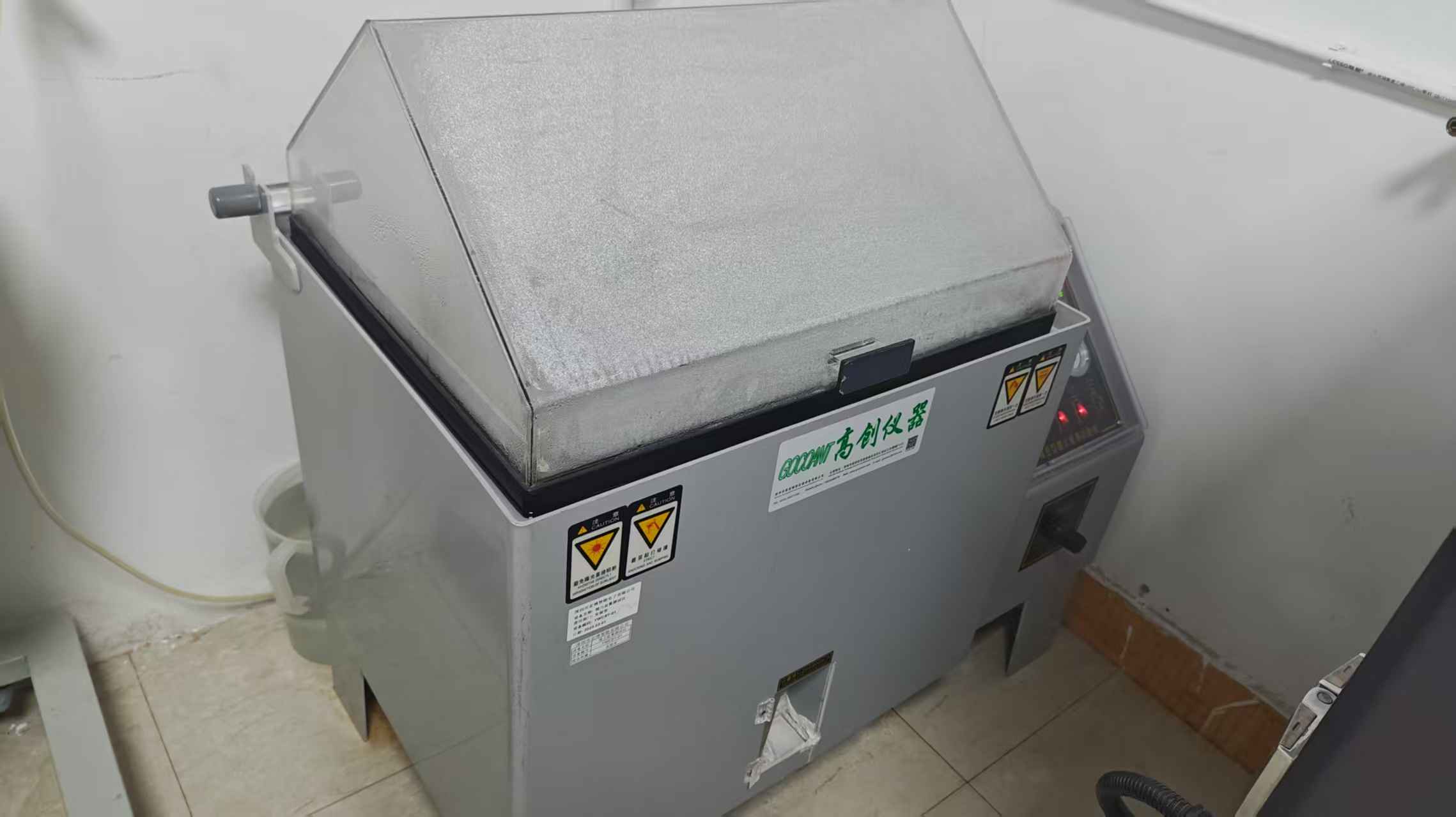
48H Salt Spray Fog Corrosion STEP 07
5% atomized sodium chloride fog exposure validates galvanic corrosion resistance of stainless cases, PVD coatings, and magnetic Pogo pins.
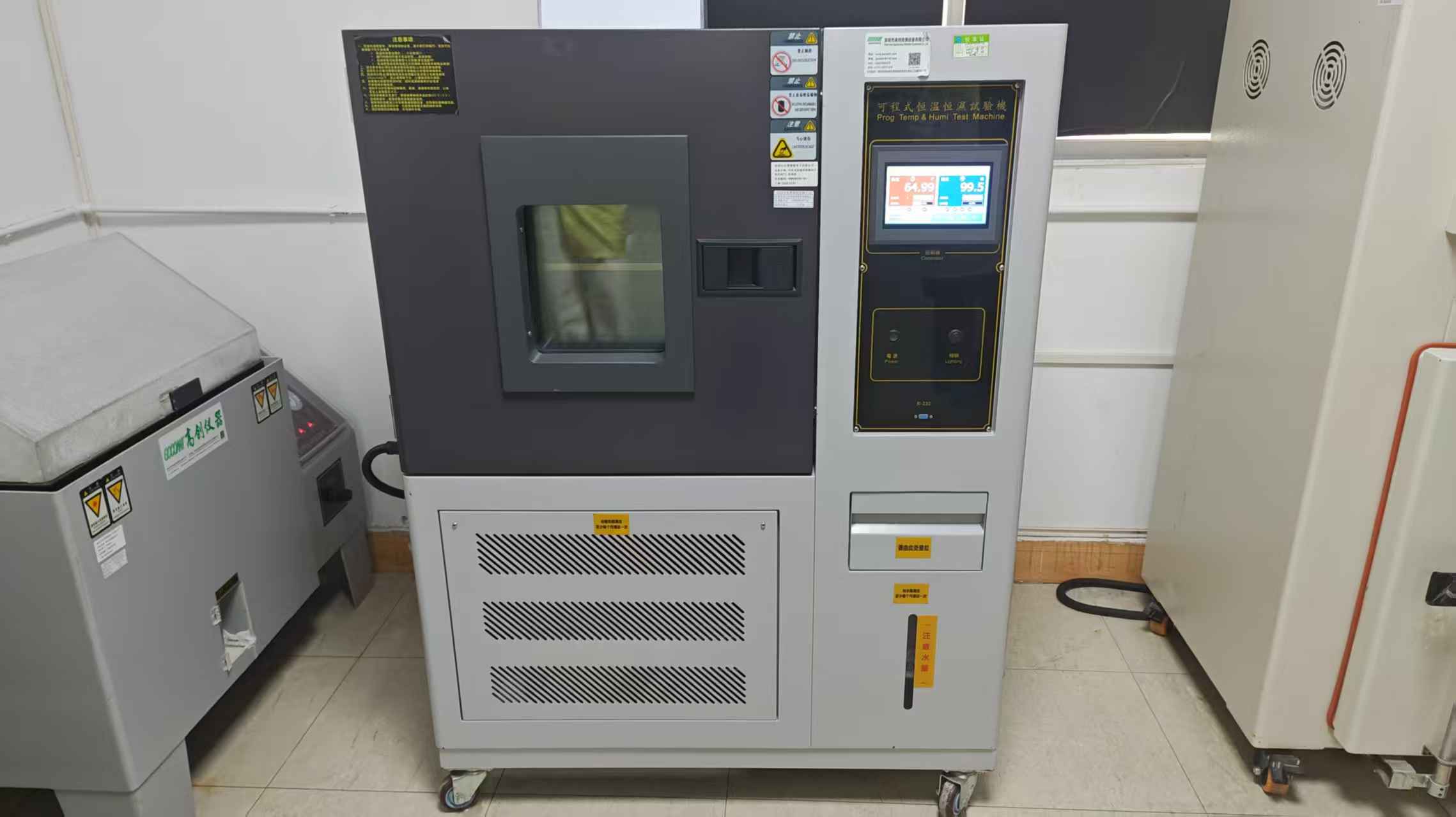
Climate Chamber Cycling STEP 08
Thermal cycling from -20°C to +60°C at 95% relative humidity evaluates optical bond degassing, adhesive delamination, and sensor drift.
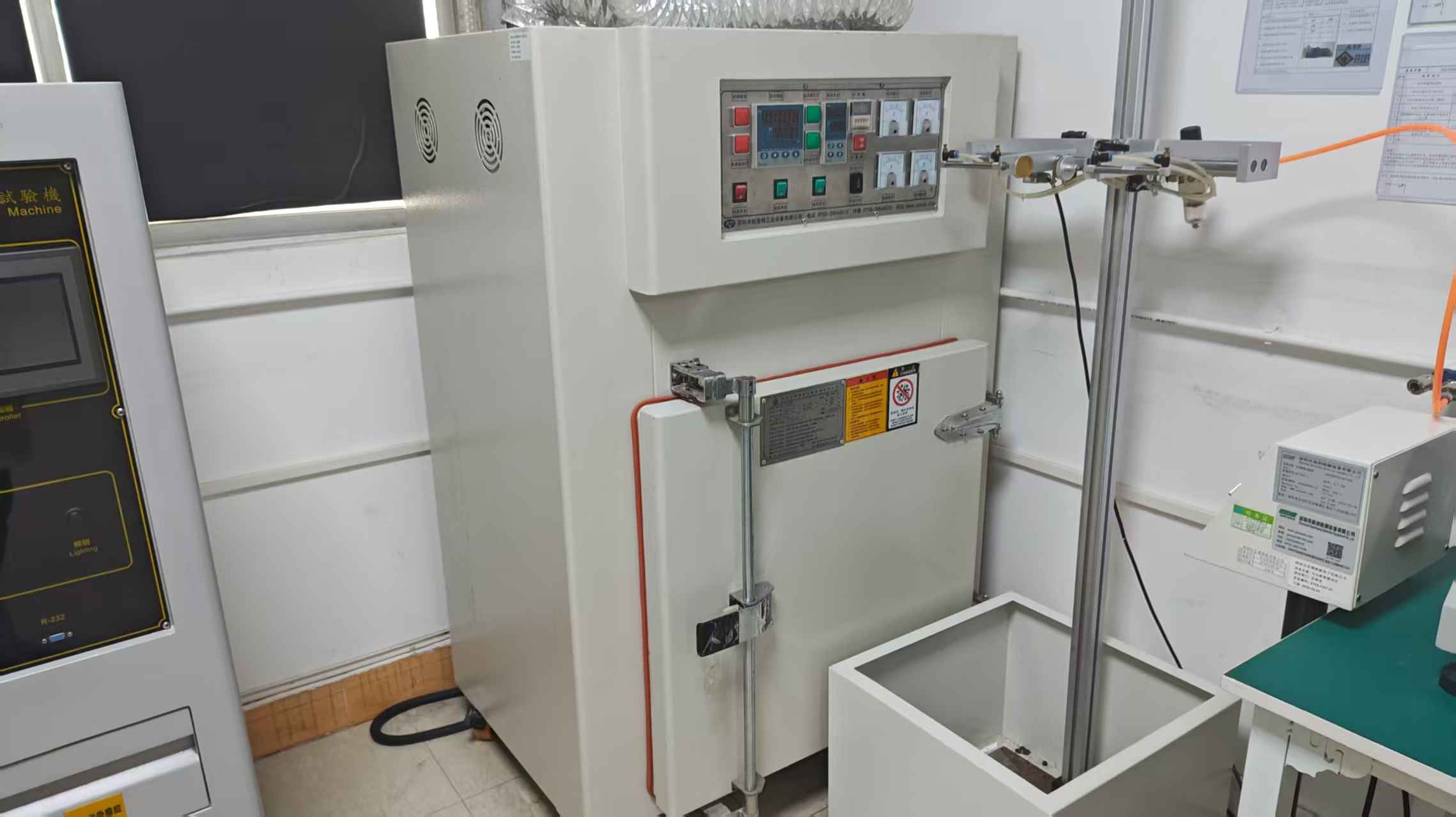
High-Heat Battery Safety STEP 09
Oven storage at sustained elevated temperatures verifies that internal pure cobalt lithium polymer cells experience zero swelling or thermal runaway.
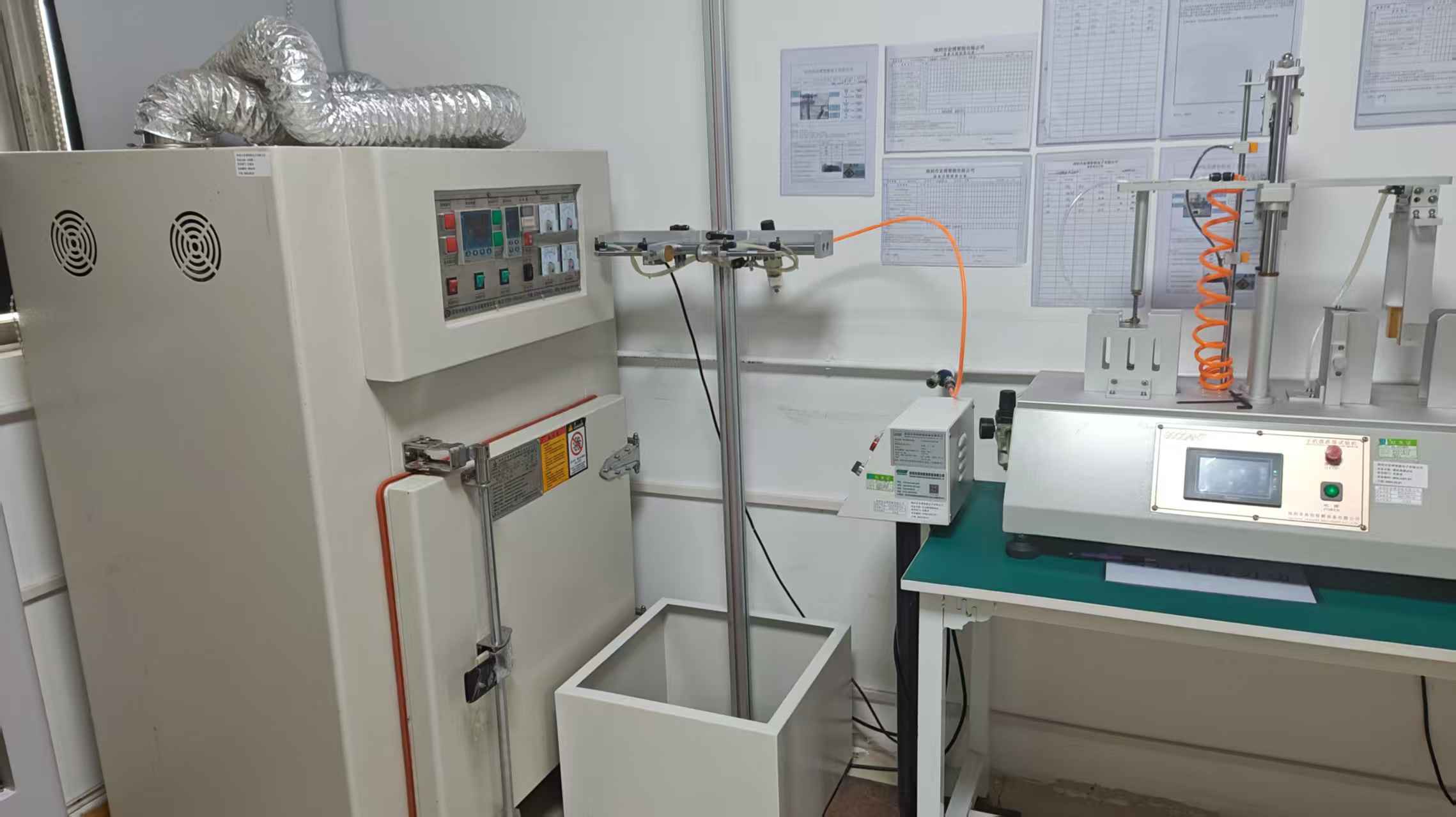
Multi-Angle Drop Impact STEP 10
Automated pneumatic release testing dropping bare devices from 1.2m and packaged boxes from 1.5m onto concrete slabs to verify shock dissipation.
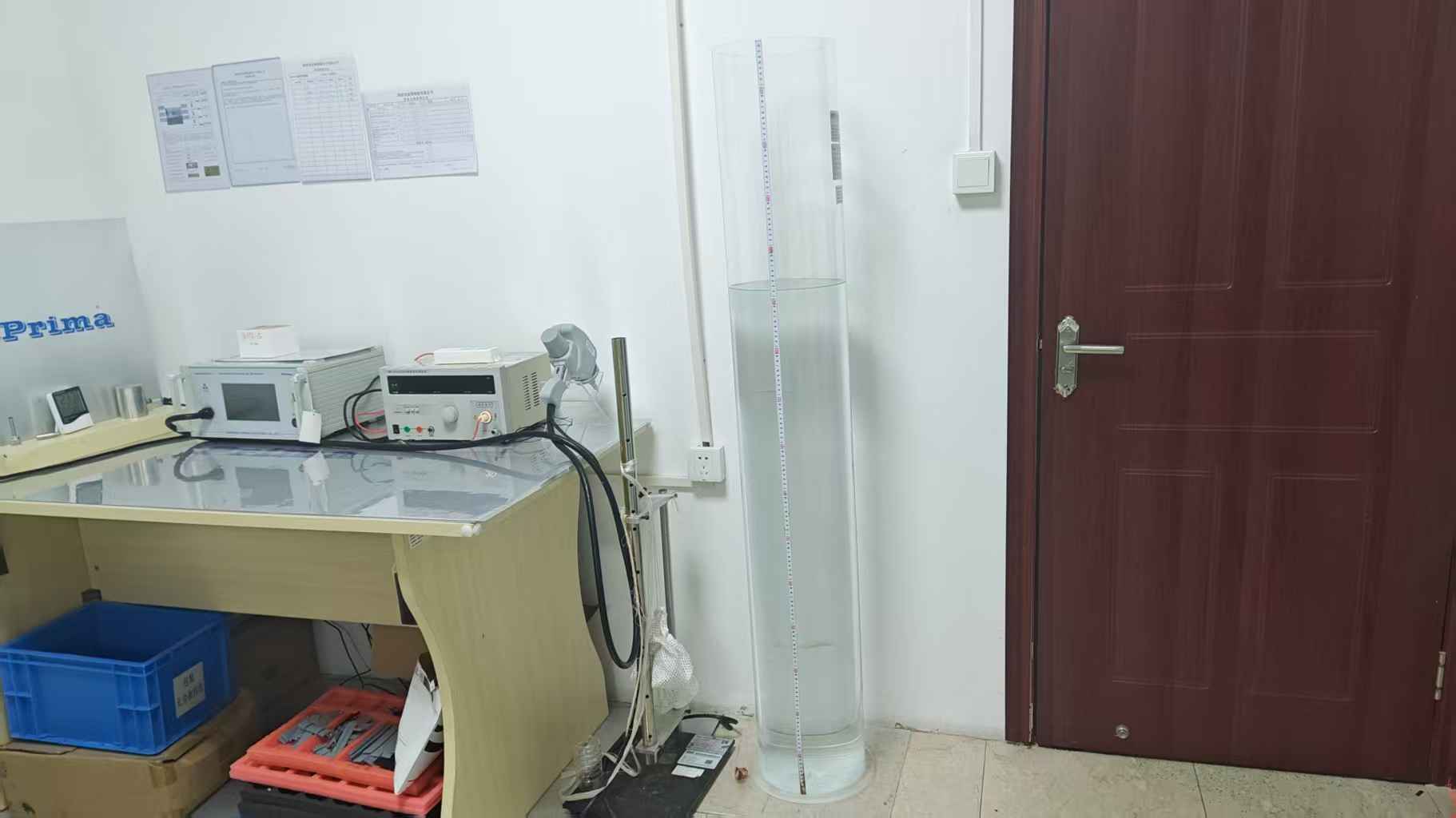
Hydrostatic Immersion STEP 11
Extended submersion under pressurized water columns ensures microphone acoustic membranes, speaker ports, and gasket seams remain impervious.
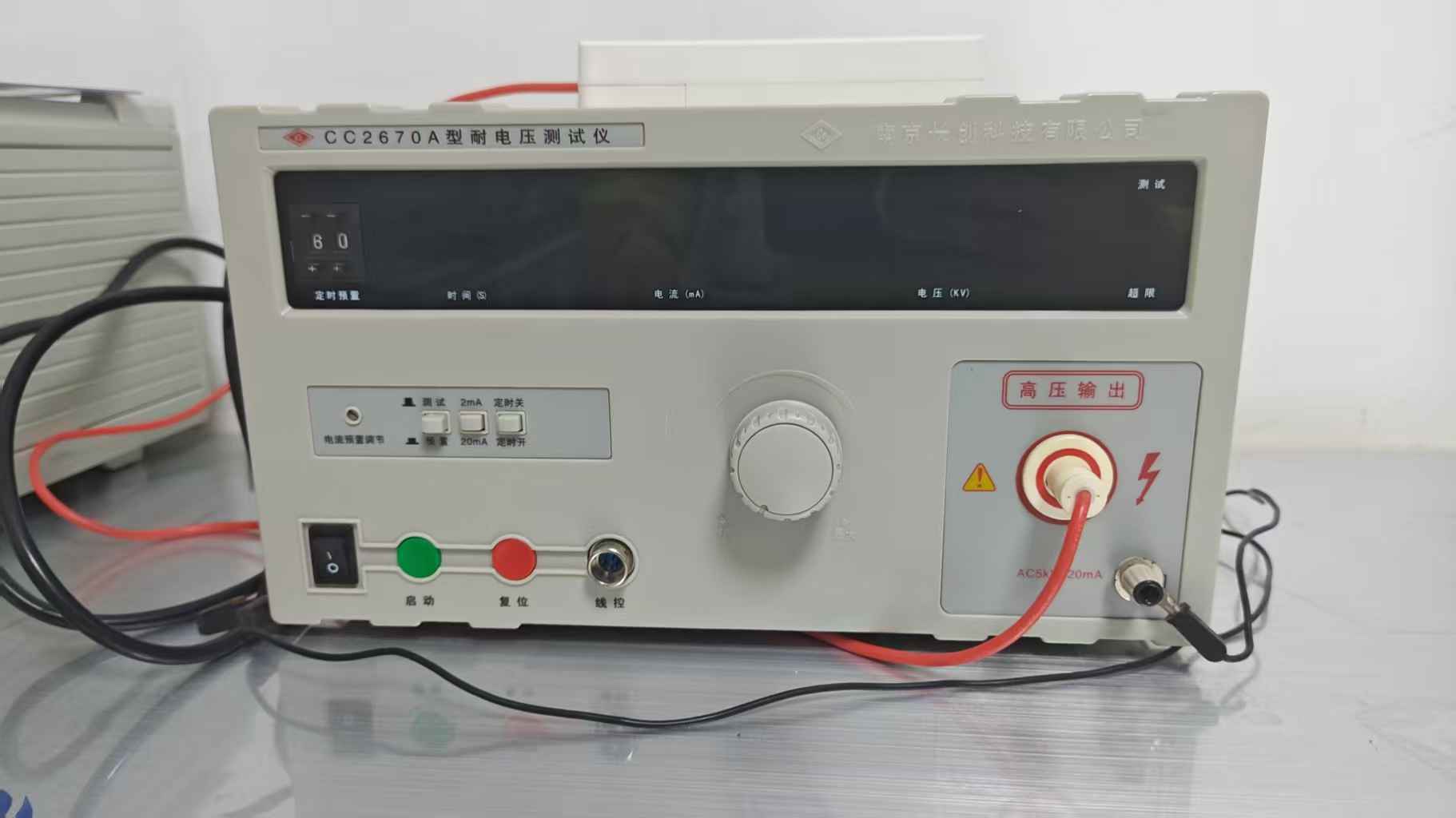
Dielectric Hi-Pot Safety STEP 12
High-voltage dielectric withstand checks ensure internal high-frequency charging circuitry poses zero electrical shock hazard to human tissue.
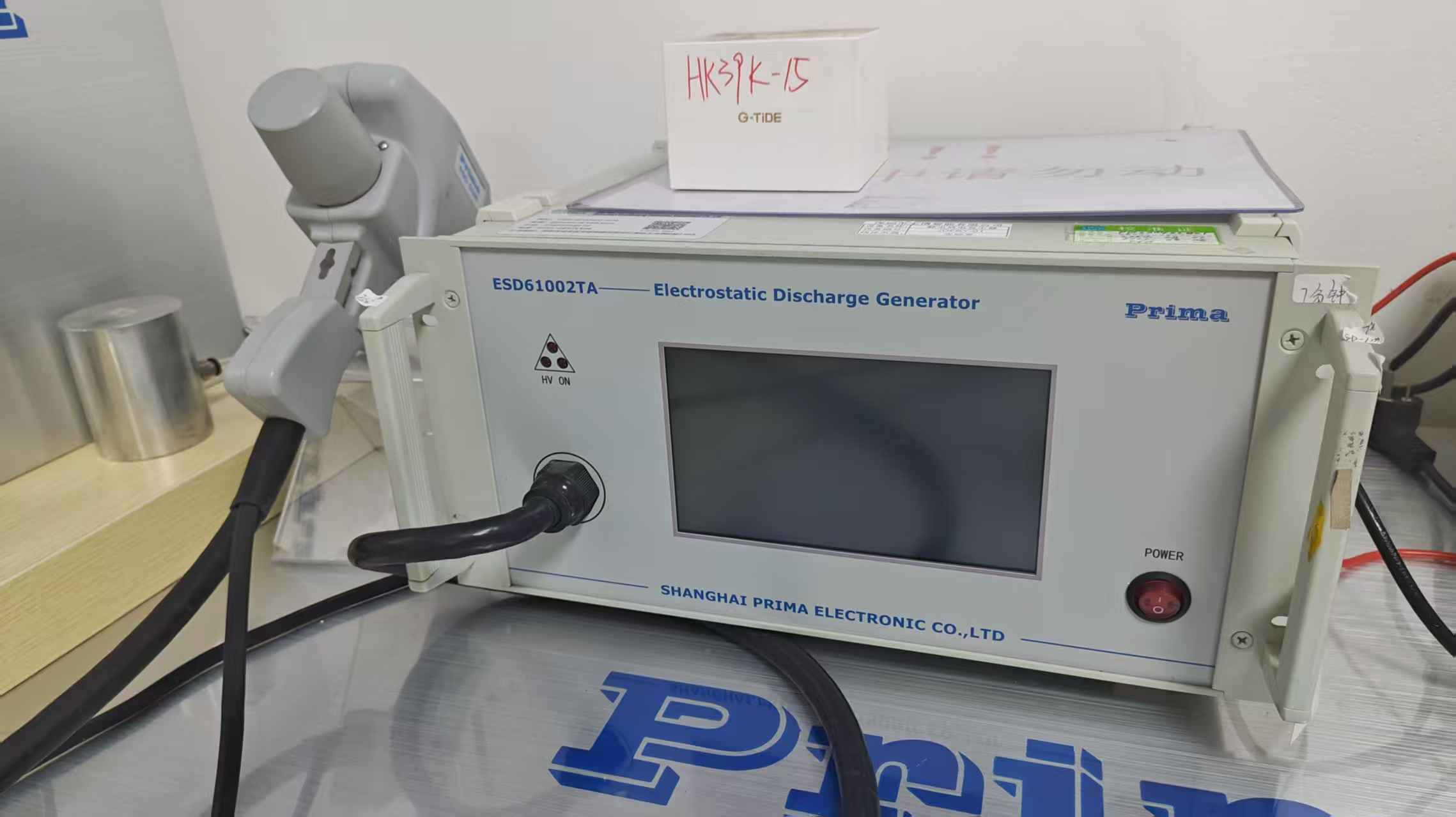
ESD Immunity Verification STEP 13
Direct contact discharge ±8kV and air discharge ±15kV pulses verify MCU reset protection, capacitive touch stability, and IC latch-up immunity.
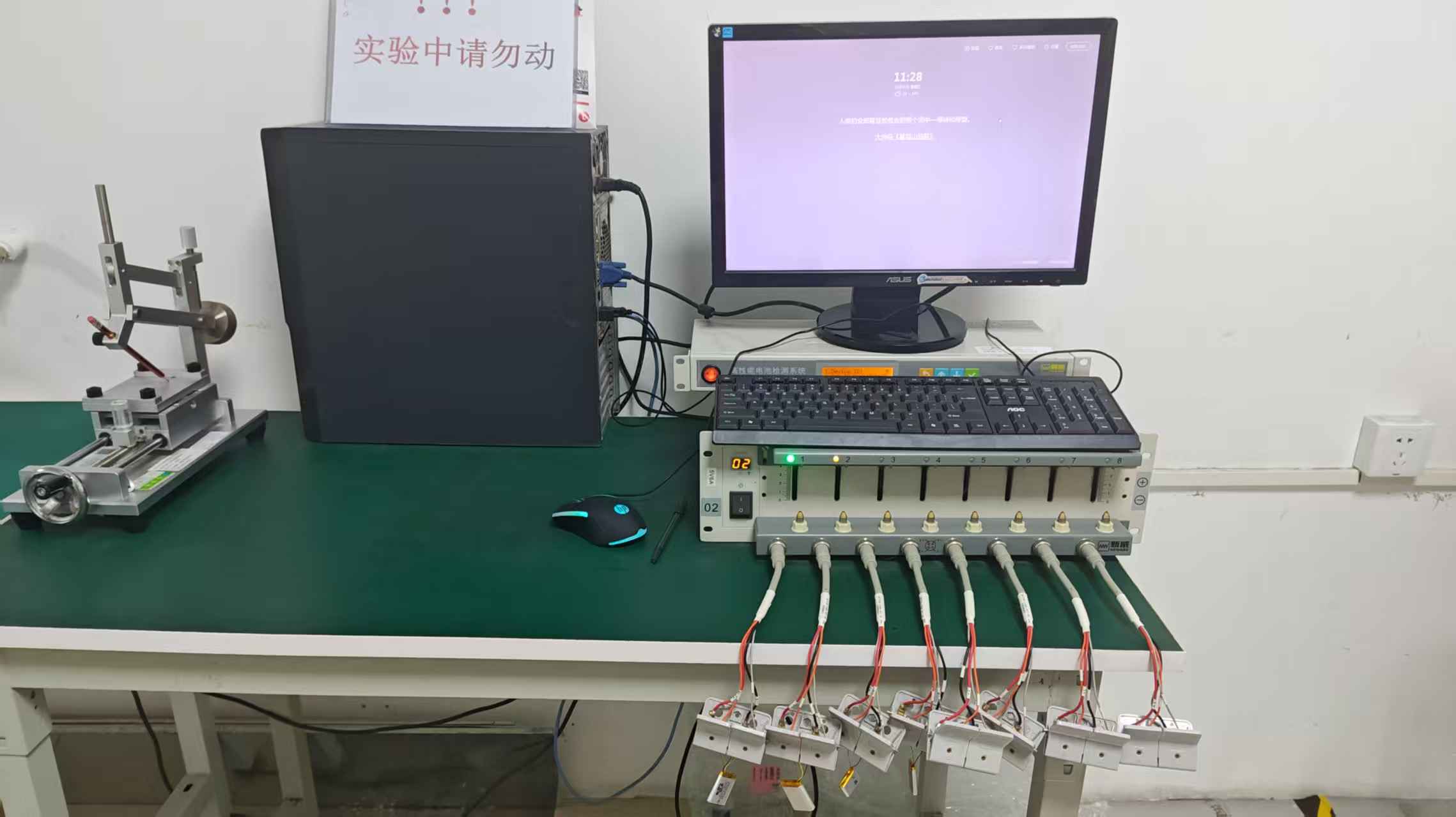
Battery Capacity Grading STEP 14
Multi-channel charge-discharge cycling sorts and matches lithium battery cells to ensure balanced internal resistance and genuine milliampere-hour ratings.
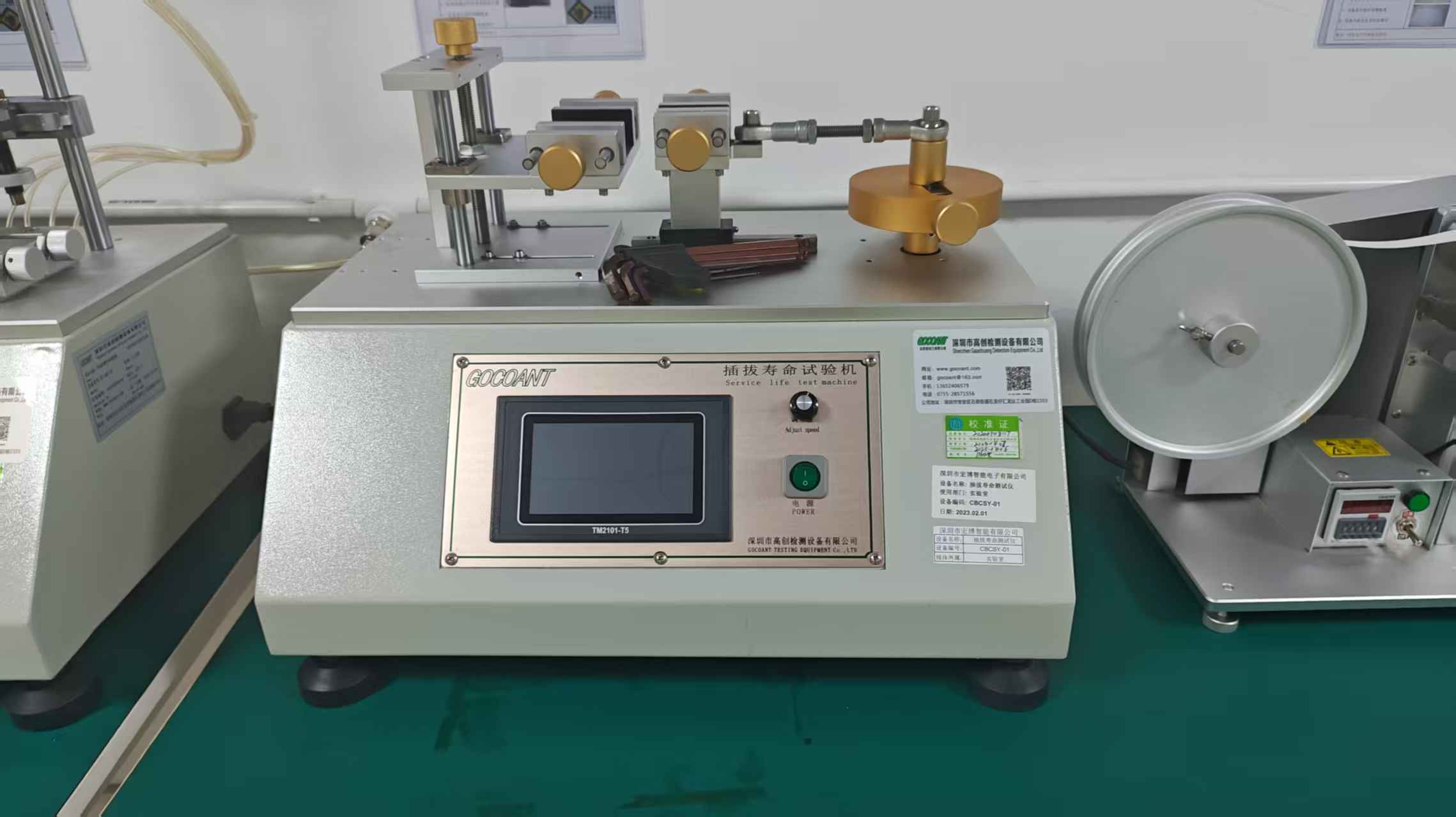
Strap Torsion & Flexure STEP 15
Repeated 10,000-cycle twisting, bending, and buckle pulling tests ensure silicone, fluoroelastomer, and Milanese steel bands endure vigorous athletic wear.
Glass & Coating Hardness STEP 16
Scratch resistance checks on front aluminosilicate curved glass, anti-fingerprint oleophobic coatings, and zinc alloy bezel electroplating.
Rotary Crown & Button Life STEP 17
Pneumatic micro-actuators cycle physical pushbuttons and encoders 200,000 times under continuous force monitoring to guarantee tactile feedback retention.
Dynamic Load Burn-In STEP 18
Final mass assembly batches undergo simultaneous multi-station current draw testing to screen for anomalous background battery drain.
OQC Final Functional & Packaging Verification STEP 19
100% cosmetic visual inspection under D65 standard light cabinets, firmware localized language cross-checks, accessory barcode verification, and AQL 0.40/1.0 pre-shipment sampling sign-off.
Procurement Intelligence
Emerging Technology & Strategic Sourcing Trends
Key technological disruptions, consumer behavior shifts, and regulatory frameworks reshaping the global B2B health wearable procurement landscape.
1. Convergence of Med-Tech & Consumer Wearables
Global regulatory bodies (FDA, EU MDR, CE RED) are establishing clearer distinctions between lifestyle gadgets and clinical devices. Tier-1 buyers are demanding manufacturers whose factory Quality Management Systems (QMS) already comply with ISO 13485 standards. Procuring hardware pre-engineered for medical compliance cuts the clinical trial validation timeline by over 60%.
2. Rise of Screenless Biometric Form Factors
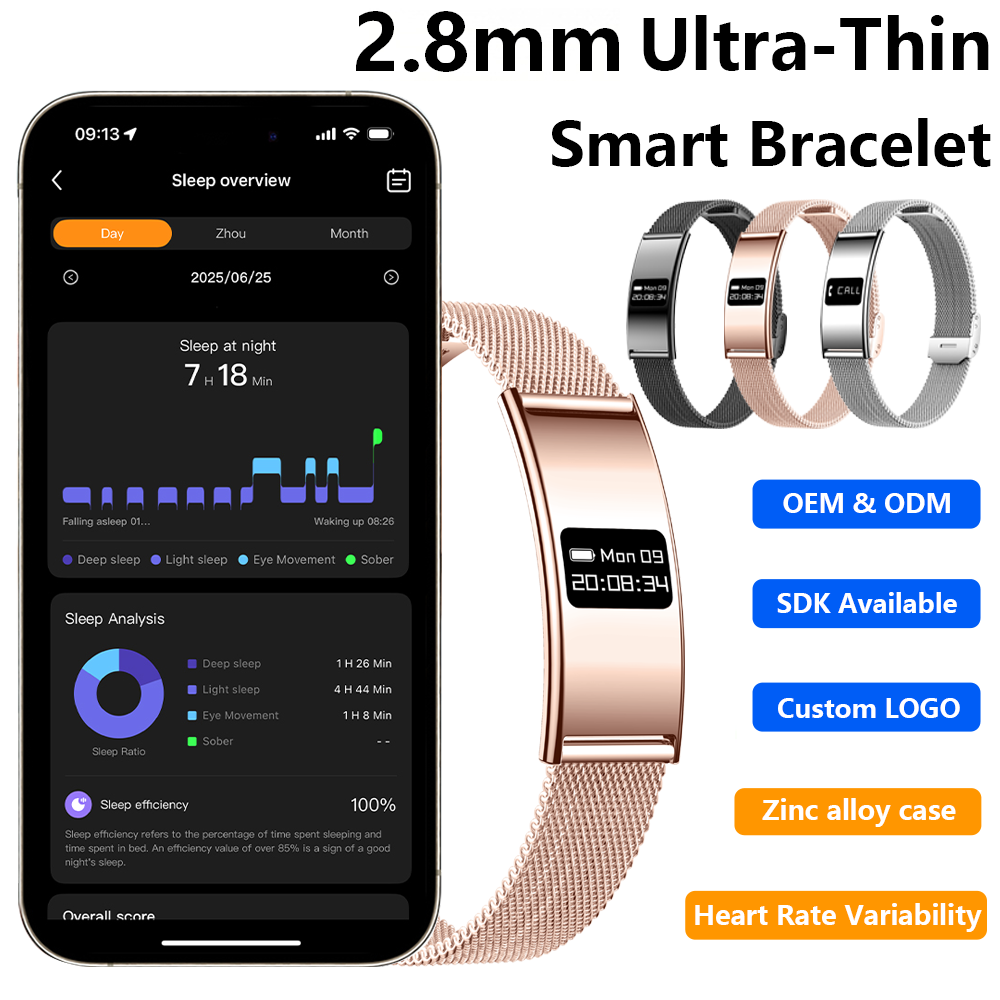
Screen fatigue and notification overload have triggered massive corporate demand for screenless health bracelets (such as the H59 and DS07 series). Without the power drain of luminous AMOLED panels, these minimalist wristbands deliver continuous 30 to 50-day tracking, perfect for health insurers, clinical trial cohorts, and corporate wellness platforms.
3. On-Wrist Edge AI & TinyML Neural Engines
Rather than uploading raw, noisy biometric data to expensive cloud servers, modern smartwatches run lightweight neural networks on ultra-low-power microcontrollers (e.g., Nordic nRF5340 or Ambiq Apollo4). Algorithms detect micro-anomalies such as sleep apnea events, cardiac arrhythmias, and stress spikes directly on the wrist with zero latency.
4. Elderly Telecare & Autonomous 4G IoT
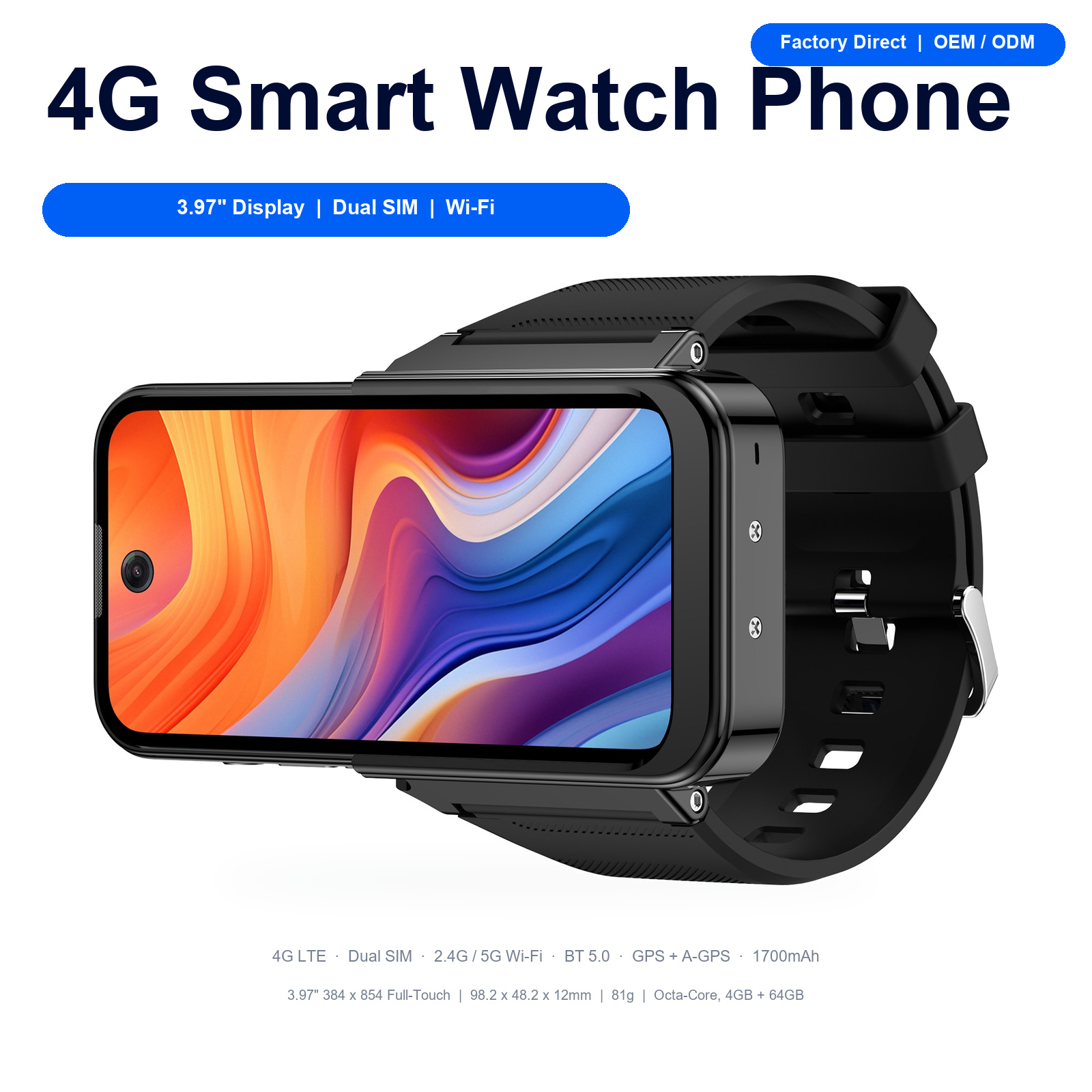
With an aging global population, telecare providers are bypassing phone-tethered watches in favor of standalone 4G LTE-M / NB-IoT devices (like the PG999 and H01C series). Featuring hardware-level fall detection, SOS call routing, and multi-mode indoor positioning (GPS + GLONASS + Wi-Fi + LBS), these watches serve as self-reliant life-safety beacons.
5. Multi-Form Factor Ecosystem Sourcing
Sourcing managers are shifting away from single-product vendors to multispecialty manufacturers capable of supplying smart rings, smart audio glasses, and specialized health watches under unified communication protocols. Unifying your wearable product catalog under one API/SDK drastically slashes app development costs.
Global environmental mandates—such as the new EU Battery Regulation—mandate full carbon footprint traceability, ethical cobalt sourcing, and toxic substance restriction (RoHS/REACH). Partnering with audit-verified manufacturers in China guarantees complete supply chain transparency from lithium brine to final wrist strap.
Tailored Engineering
End-to-End OEM / ODM Customization Framework
From initial design sketches and industrial tooling to app white-labeling and mass container clearance, our engineering process is structured for international accountability.
01
Requirement Scoping
Definition of target demographic, sensor suite, target MSRP, regional certifications (CE/FCC), and cellular band requirements.
02
Mechanical & CMF
Selection of alloy chassis, CNC tooling, PVD physical vapor deposition, silicone/leather straps, and 3D mockups.
03
PCBA & Firmware
Nordic / Realtek chipset programming, UI watch face development, boot animation insertion, and sensor driver tuning.
04
Rapid Golden Sample
Delivery of fully packaged pre-production prototypes within 7–14 days for functional, biometric, and app stress verification.
05
Automated Production
Cleanroom assembly, automated gluing dispensers, 100% optical leak testing, and continuous burn-in line cycling.
Authoritative technical answers to common queries submitted by global distributors, brand owners, and electronics procurement specialists.
What are the exact technical differences between 1ATM, IP68, and 5ATM waterproof ratings?
In wearable manufacturing, water resistance is widely misunderstood. An IP68 rating confirms that the device is dust-tight and can survive static water submersion (typically 1.5 meters for up to 30 minutes in still freshwater). It is ideal for sweat, rain, and handwashing, but not dynamic water velocity. A 1ATM rating indicates resistance to 10 meters of static water column pressure, suitable for light splashes. In contrast, 5ATM (50 meters) devices utilize ultrasonic welding, reinforced screw-down casebacks, and liquid silicone rubber (LSR) gasket seals, designed to endure dynamic pressure variations during active surface swimming and high-velocity water sports.
How does Dongguan Brainox calibrate ECG sensors to minimize arrhythmia false positives?
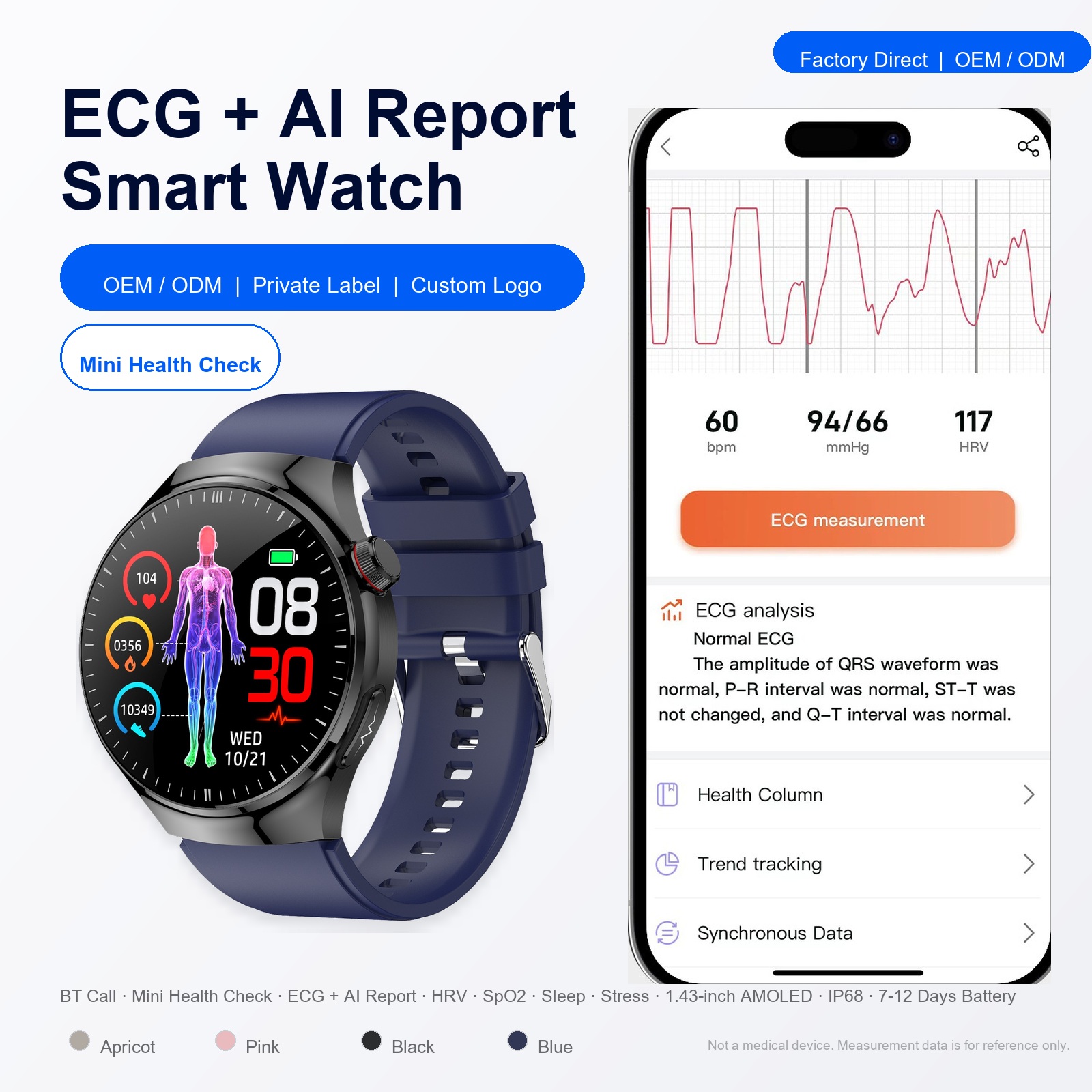
Our engineering team employs high-CMRR (Common Mode Rejection Ratio >100dB) Analog Front End (AFE) processors combined with medical-grade 316L stainless steel dry electrodes. To eliminate muscular tremor noise and baseline wander caused by limb movement, our embedded firmware implements real-time digital filtering: a 50/60Hz notch filter, high-pass baseline correction, and a 0.5Hz–40Hz bandpass filter. The synchronized app analyzes P-Q-R-S-T wave complexes to generate a Lorentz scatter plot, providing reliable early warnings for Atrial Fibrillation (AFib), premature ventricular contractions (PVC), and sinus arrhythmia.
Can Brainox customize 4G smartwatch models for specific LTE frequency bands worldwide?
Yes. Cellular connectivity across 4G smartwatches (such as our PG999 and senior SOS models) depends entirely on modem configuration. We supply modular modem PCBA variants covering European bands (B1/B3/B7/B8/B20), North American bands (B2/B4/B5/B12/B17/B66/B71), and Latin American/Asia-Pacific bands. Before sampling, our RF sales engineers review your destination carrier list (e.g., Vodafone, AT&T, T-Mobile, Claro) to confirm VoLTE compatibility and PTCRB/FCC module pre-certifications.
What are the minimum order quantities (MOQs) for different levels of customization?
Brainox maintains a tiered customization structure to facilitate brand scaling:
Level 1 (Laser Logo & Packaging): MOQ 200–500 units per model. Fast turnaround (7–10 days).
How are lithium battery transport regulations managed for overseas shipments?
All internal lithium-polymer batteries deployed in Brainox smartwatches hold certified UN38.3 test reports, 1.2m drop test documentation, and comprehensive MSDS (Material Safety Data Sheets). For air shipments under IATA DGR regulations (PI967 - Section II, lithium ion batteries contained in equipment), our cartons are strictly packed with fire-retardant internal partitions, standardized battery handling labels, and outer bursting strength testing to ensure frictionless customs transit through major global hubs.
Can client brands integrate their own proprietary healthcare cloud with Brainox hardware?
Absolutely. For corporate wellness providers, telecare platforms, and digital health software brands, we offer comprehensive Bluetooth BLE SDKs (available for native iOS Swift and Android Kotlin, as well as Flutter/React Native frameworks). We provide full API protocol documentation covering real-time packet parsing for raw PPG data, step counts, ECG waveforms, and skin temperature logs, allowing direct client cloud sync without third-party server exposure.
Direct Factory Partnership
Ready to Build Your Private-Label Smart Wearable Line?
Consult with our Dongguan engineering and sales team today. Receive tailored hardware recommendations, complete specification sheets, and a verified volume pricing matrix within 24 hours.