Engineered Wearable Hardware Solutions Ready for Customization
Explore representative SKUs produced across our ISO/SGS verified facilities in Songshan Lake, Dongguan. Fully customizable firmware, industrial tooling, algorithm integration, and white-label packaging.
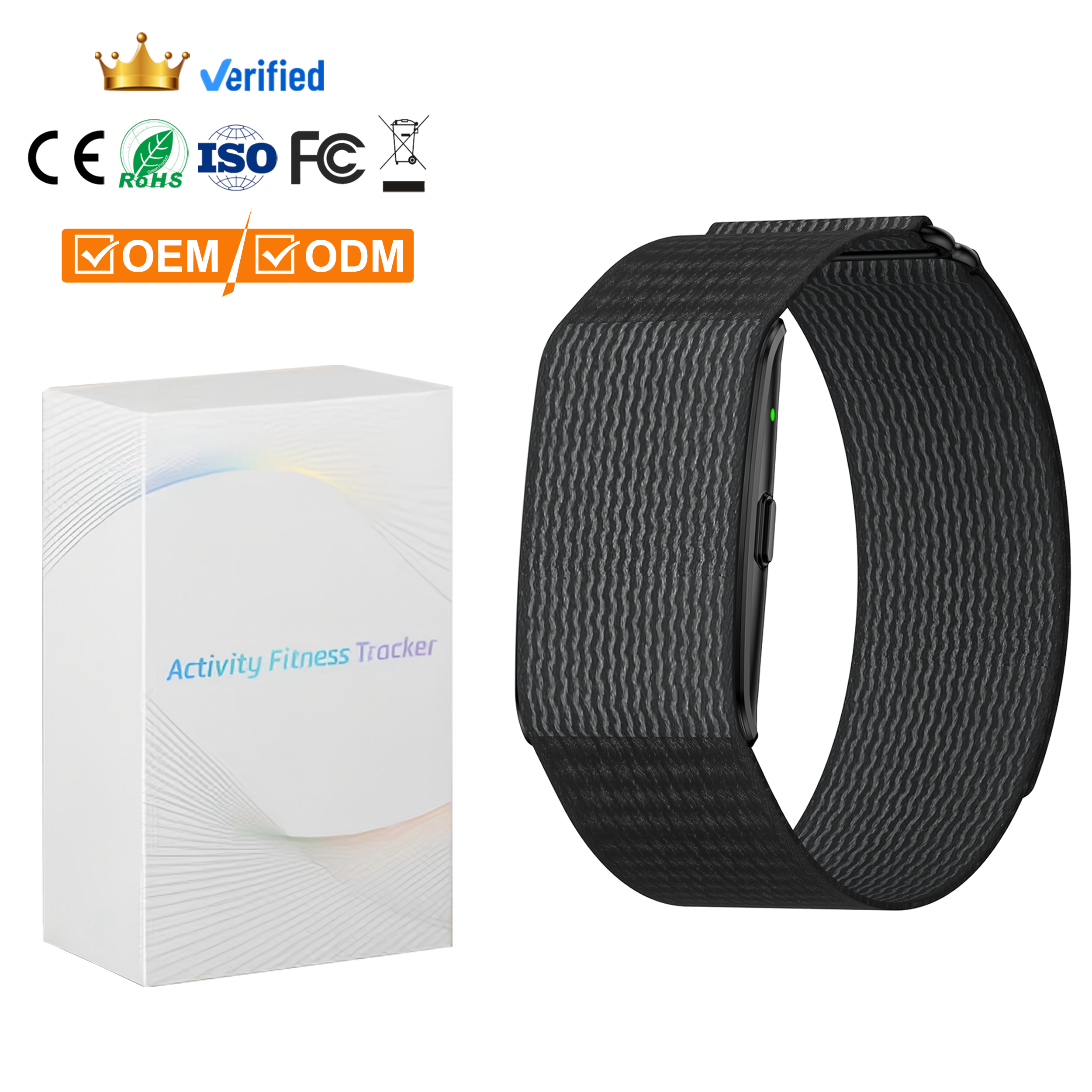
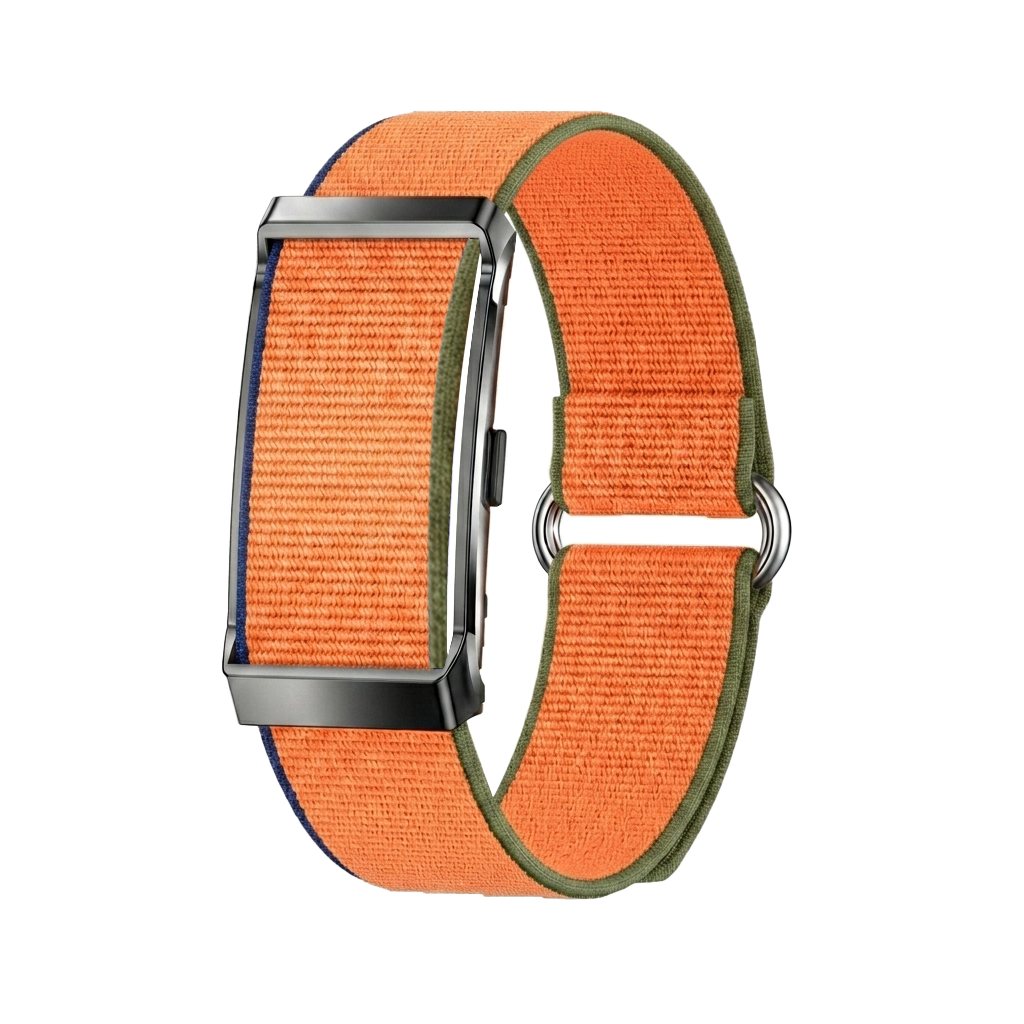
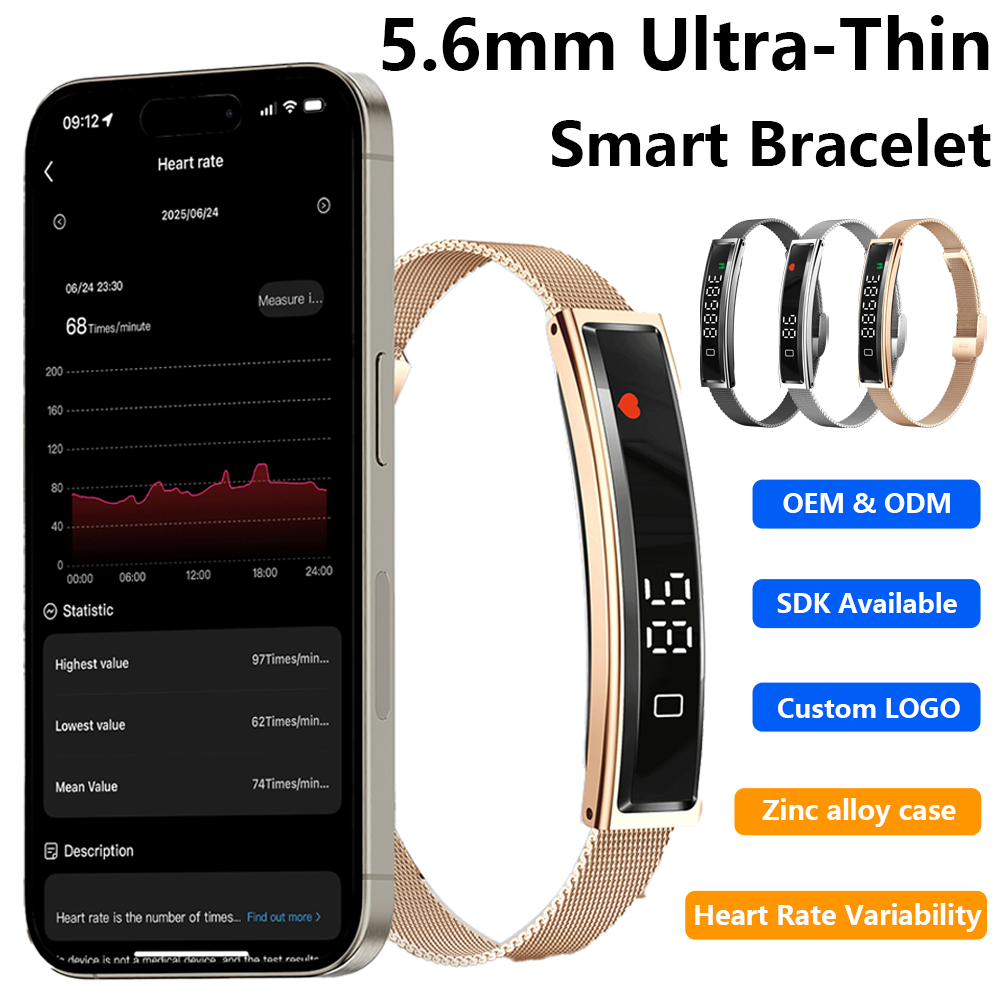
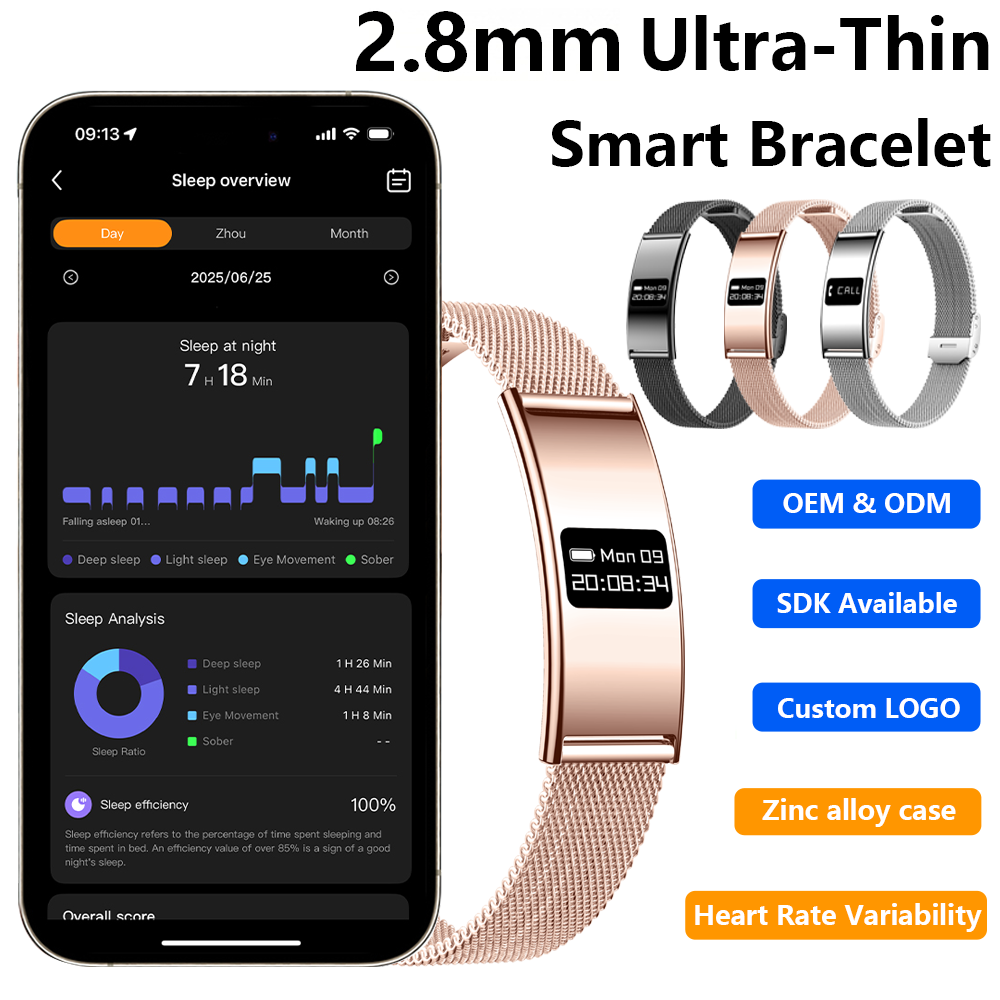
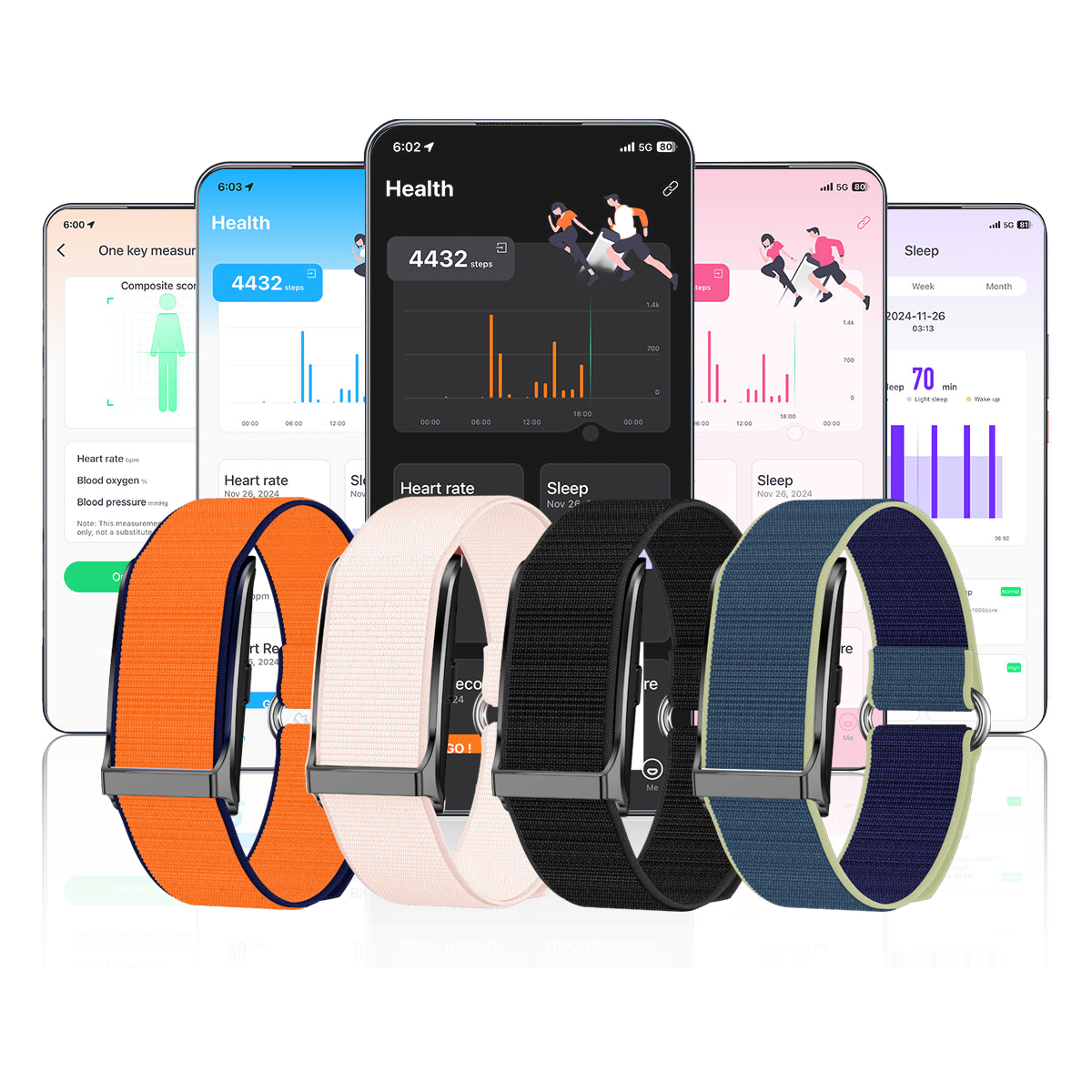
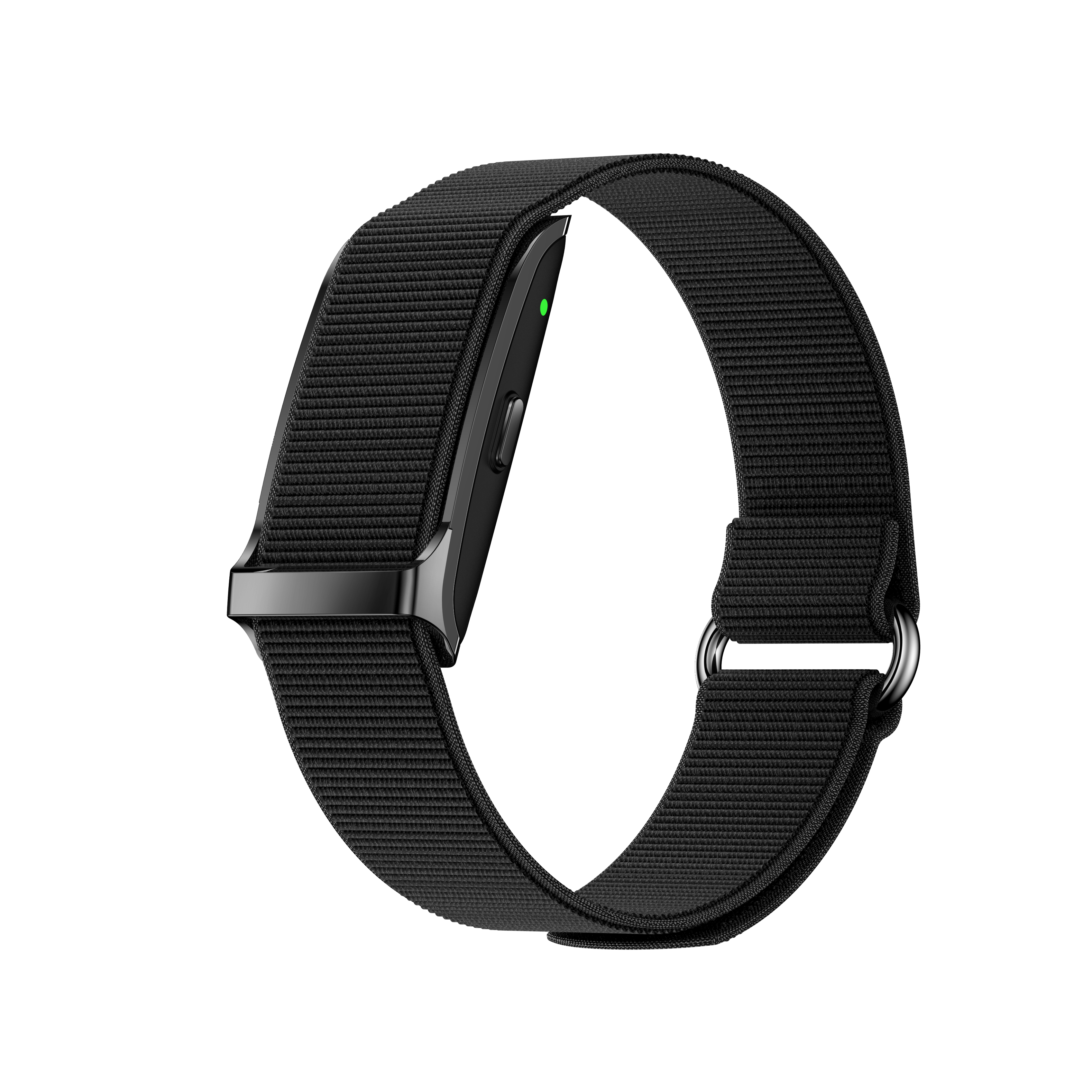
Deconstructing the China Android Smartwatch Manufacturing Ecosystem
Why procurement teams must look past exterior industrial design to evaluate system architecture, OS kernels, and RF engineering at the PCBA level.
Standalone Embedded Android OS
Designed for high-throughput edge compute tasks.
• Memory: 1GB/2GB/4GB LPDDR3/4 RAM + 16GB/64GB eMMC
• Connectivity: Integrated 4G LTE, VoLTE, Wi-Fi, BT 5.0
• Target Applications: Elder telecare, Lone worker safety, Military dispatch, Video conferencing wearables.
Ultra-Low Power Biosensing RTOS
Engineered for uninterrupted physiological telemetry.
• Power Consumption: 8µA - 15µA standby current
• Battery Run-Time: 20 to 50 days between charges
• Target Applications: Preventative healthcare, Life insurance subscriptions, Screenless clinical trials.
Hybrid Dual-Engine Architectures
Bridging high computing capacity with battery longevity.
• Intelligent Power Switching: Background RTOS monitors PPG; Android activates on display wake
• Display Technologies: Dual-layer monochrome FSTN + AMOLED
• Target Applications: Flagship consumer outdoor & expedition smartwatches.
| Hardware Vector | Full Standalone Android Watch (LTE) | RTOS Smart Bracelet / Fitness Band | Air-Pump Medical Health Watch |
|---|---|---|---|
| Main Processing Core | Quad-Core ARM Cortex-A53 (1.3GHz - 1.5GHz) | ARM Cortex-M4F / RISC-V Embedded MCU | Dual MCU + Dedicated Biosensing DSP Core |
| Operating System | Android 8.1, 10, or 11 (AOSP Customized) | Proprietary Ultra-Lightweight RTOS / FreeRTOS | RTOS with Medical Math Coprocessor Libraries |
| Sensor Payload | Optical PPG, 6-Axis IMU, Ambient Light, GPS | Photoplethysmography (PPG), Skin Temp, 3-Axis IMU | Micro Inflatable Airbag Cuff, Piezo Sensor, Lead-I ECG |
| Data Throughput & Cloud | Direct TCP/UDP MQTT/HTTPS over 4G Cellular | BLE 5.2/5.3 Packet Streaming to Android/iOS App | Dual: BLE to App + Real-Time Telemetry over 4G |
| Power Profile & Battery | 650mAh - 1000mAh (1.5 - 3 Days Duty Cycle) | 90mAh - 180mAh (15 - 45 Days Duty Cycle) | 280mAh - 400mAh (5 - 10 Days Duty Cycle) |
| Tooling & Waterproofing | IP67 / IP68 (Acoustic membranes for mic/speaker) | IP68 / 3ATM to 5ATM hermetically ultrasonic sealed | IP65 / IP67 with pneumatic micro-airvalve port seals |
Future Procurement Trends in Android Smartwear (2026–2030)
Data-backed intelligence on how regulatory shifts, algorithmic validation, and supply-chain modularity are redefining contract manufacturing specifications.
1. True Oscillometric Measurement
Pure optical photoplethysmography (PPG) algorithms that "estimate" systolic and diastolic values face sweeping regulatory clampdowns across the FDA, CE-MDR, and NMPA. Procurement capital is pivoting heavily toward micro-inflatable cuffs with integrated pneumatic pumps (e.g., our TK65 and GS500 platforms) that execute clinical-grade oscillometric measurements on the wrist.
2. Screenless & Distraction-Free
Subscription health enterprises, psychiatric monitoring initiatives, and clinical trial sponsors are intentionally eliminating displays. As seen with our H59 and DS07 models, removing the screen slashes casing volume, eliminates user interface distraction, extends runtimes past 30 days, and dramatically reduces warranty returns linked to cracked glass cover lenses.
3. Open Bluetooth SDK Access
Global brand buyers are rejecting proprietary consumer applications that lock user telemetry inside walled gardens. Contracts increasingly demand raw hex data access over BLE, native iOS/Android SDKs, and webhook integrations into AWS IoT Core or Microsoft Azure Health Data Services to feed enterprise analytic pipelines.
4. Decentralized Senior Telecare
Aging populations across North America, Japan, and Western Europe are stimulating bulk municipal procurement of dedicated fall-detection 4G watches. Buyers prioritize 3-axis fall acceleration algorithms capable of distinguishing dropped devices from genuine physiological impacts, paired with automated SOS two-way voice escalation over LTE.
Emerging Technology Trends in Smartwatch Hardware Architecture
How chip miniaturization, non-invasive metabolic analysis, and artificial intelligence at the micro-edge are reshaping factory production lines.
Edge AI & Micro-NN Biomarkers
Instead of passing raw sensor telemetry back to cloud servers for post-processing, next-generation Android and RTOS wristwear leverages TinyML models deployed directly on ARM Cortex-M33 microcontrollers. This allows real-time atrial fibrillation (AFib) categorization, autonomic stress calculations via continuous HRV analysis, and sleep staging directly on-device without draining system batteries.
Sub-3mm Mechanical Packaging
Precision structural tooling in Dongguan is pushing wearable enclosures down toward record-breaking thinness. By employing high-density interconnector (HDI) any-layer PCB stackups and laser direct structuring (LDS) antenna printing inside poly-carbonate or aerospace-grade aluminum chassis, models like our B8 ultra-thin watch achieve an unprecedented 2.8mm structural profile without sacrificing structural torsion resistance.
Cross-Form Factor Convergence
The smartwatch is no longer an isolated SKU. Sourcing directors are orchestrating unified product ecosystems consisting of wristbands, smart health rings, and AI-enabled audio translation glasses. Brainox's firmware architecture guarantees unified data pipelines across all form factors, sharing centralized Bluetooth connection protocols and cloud dashboards.
Songshan Lake Engineering Depth: 19-Step Testing & SGS Verification
A look inside Dongguan Brainox Technology Co., Ltd.—delivering audited quality control, comprehensive testing instruments, and flexible OEM/ODM integration.
SGS On-Site Audited Plant
Dongguan Brainox Technology Co., Ltd. operates out of Room 508, Building 1, No. 6 Industrial South Road, Songshanhu Park, Dongguan. Our production capacity, legal compliance, and facilities are verified on-site by SGS Group, giving overseas enterprise clients transparent verification of physical operations.
15 In-House Testing Instruments
Our facility houses precision testing hardware including programmable constant temperature/humidity environmental chambers, electrostatic discharge (ESD) guns, simulated transport vibration tables, micro-drop tumble testers, automated button endurance jigs, and high-precision battery grading dividers.
19 Documented QC Stages
From Incoming Quality Control (IQC) on raw OLED glass and battery chemistry to high-voltage hi-pot insulation checks, RF carrier sensitivity evaluations, vacuum air-tightness waterproofing validation, and 100% full-load aging rack burn-ins, every mass-production run is cataloged with traceable quality logs.
Carrier-Level LTE Band Customization
We engineer cellular Android wearables tuned to your destination market's specific frequency bands (European B1/B3/B7/B20 versus North American B2/B4/B5/B12/B66/B71). VoLTE protocol stacks are validated on local base-station emulators before containerized dispatch.
Full Multilingual Firmware Localization
Our firmware engineering division maintains complete font libraries covering right-to-left scripts (Arabic, Hebrew) alongside German, Spanish, French, Japanese, Korean, Vietnamese, Russian, and Thai. Both UI menus, system push alerts, and companion mobile apps are thoroughly vetted by native copywriters.
Flexible 4-Tier Customization Architecture
Whether your operation requires Tier 1 Minor Customization (laser branding, retail packaging, customized watch faces) or Tier 4 Full ODM Customization (new ID/MD tooling, ground-up PCBA routing, custom sensor driver development), our engineering squad provides written milestone timelines and rapid prototyping turnaround.
Frequently Asked Questions: Smartwatch OEM/ODM Sourcing
Direct technical answers addressing the real questions raised by corporate purchasing teams, product managers, and hardware engineers.
What are the key technical differences between an Android 4G Watch and an RTOS Smartwatch?
An RTOS (Real-Time Operating System) smartwatch, by contrast, is built upon an ultra-low-power microcontroller (MCU) like Nordic Semiconductor or Realtek. It runs deterministic embedded C firmware designed exclusively for sensor sampling (PPG, accelerometer, temperature), basic display rendering, and low-energy Bluetooth (BLE) packet transmission to a paired iOS or Android smartphone. Because it lacks high-frequency cellular basebands and heavy operating kernels, an RTOS device achieves runtimes of 7 to 30+ days on a compact cell.
How does Brainox ensure accurate blood pressure measurements on wristwear?
For medical-grade wellness lines (such as our TK65 and GS500 platforms), Brainox integrates an internal micro piezoelectric pneumatic pump and a miniature dual-layer TPU airbag cuff concealed within the strap. When triggered, the micro-pump pressurizes the cuff around the radial artery, and high-precision piezo-resistive pressure sensors measure arterial oscillation pulses during controlled deflation—identical to clinical hospital cuff monitors. This provides true oscillometric blood pressure readings suitable for health monitoring and elder telecare programs.
What regulatory certificates are provided for shipments to Europe, North America, and other global regions?
For air and maritime freight logistics, our lithium-polymer battery packs carry certified UN38.3 test summaries, MSDS documentation, and 1.2-meter drop test reports to guarantee smooth customs passage and airline carrier acceptance worldwide.
Can 4G LTE smartwatch models operate across different telecommunication carriers globally?
Brainox collaborates closely with clients during the specification stage: you provide your destination country and target network operators, and our hardware engineers configure the correct baseband firmware, surface acoustic wave (SAW) filters, and matching circuitry to ensure immediate network registration and VoLTE call clarity upon unboxing.
What software development kits (SDKs) and API integration capabilities does Brainox offer?
For 4G standalone models, we offer custom Android ROM builds, kiosk-mode application locking, custom boot animations, pre-installed client APKs, and direct TCP/UDP socket or MQTT configuration to push telemetry straight to your AWS, Google Cloud, or Azure IoT backends.
What are the minimum order quantities (MOQ), sampling lead times, and mass production cycles?
• Golden Evaluation Samples: 3 to 7 business days for standard catalogue SKUs; 10 to 14 days for custom laser-etched samples with customized boot firmware.
• Tier 1 Minor Customization (MOQ 500 – 1,000 units): Custom logo on housing, custom user manual, localized retail packaging, and customized software boot logos. Production lead time: 18 to 22 business days.
• Tier 2 Deep ODM Tooling (MOQ 3,000 – 5,000 units): Custom plastic injection tooling, CNC aluminum milling, bespoke PCBA board layout, and customized mobile app re-branding. Tooling cycle: 30 to 45 days; mass production run: 25 to 30 days after pilot-run (golden sample) verification.
Ready to Launch Your Proprietary Wearable Line?
Partner directly with Dongguan Brainox Technology Co., Ltd. for engineering transparency, tested hardware reliability, and flexible low-MOQ mass manufacturing. Request full product datasheets, compliance files, and pricing matrices today.