Recommended OEM/ODM Hardware Deployments
Verified hardware platforms engineered with high-yield displays, clinical-grade medical sensors, low-power MCU nodes, and extended environmental durability.
Global Sourcing Landscape & Supplier Architecture
A strategic breakdown of manufacturing ecosystems, operational capabilities, and technical criteria necessary for commercial evaluation.
Strategic Sourcing Ecosystem: Navigating China's Hardware Hubs
Global procurement teams navigating the consumer electronics and connected health markets frequently encounter severe margin erosion and compliance bottlenecks when selecting smart wearable manufacturing partners. High-performance touch screen smartwatches require cross-disciplinary integration, uniting ultra-low-power radiofrequency engineering, advanced optical lens alignment, miniaturized pneumatic mechanics, and hermetic ultrasonic sealing. Within mainland China, production centers exhibit intense structural specialization.
While the broader Pearl River Delta serves as the epicenter for wearable computing, Songshan Lake in Dongguan has emerged as the premier design and engineering corridor. Unlike conventional high-volume consumer assembly zones in northern Shenzhen that prioritize standardized, ultra-low-cost commodity models, the Songshan Lake high-tech ecosystem concentrates on complex optoelectronic assemblies, micro-air-pump blood pressure tracking modules, real-time single-lead ECG circuits, and multi-tier embedded software design. Engineering teams located within this corridor benefit from immediate access to top-tier display foundries (AMOLED/LTPO), high-precision CNC tooling centers, and international accredited testing authorities like SGS, enabling streamlined turnaround for custom OEM/ODM builds.
Comprehensive Evaluation: Top 10 Sourcing Methodologies & Supplier Profiles
Understanding the operational models of leading exporters and manufacturers across the global wearable electronics sector.
1. Precision Medical-Grade ODM Specialists
Facilities focused heavily on oscillometric cuff inflation systems, single-lead ECG dry electrodes, and certified medical-grade algorithms. These operations maintain cleanroom environments and dedicated validation jigs to service healthtech enterprises, clinics, and chronic disease management providers requiring traceable measurement accuracy.
2. Ultra-Low Power & Screenless Hardware Innovators
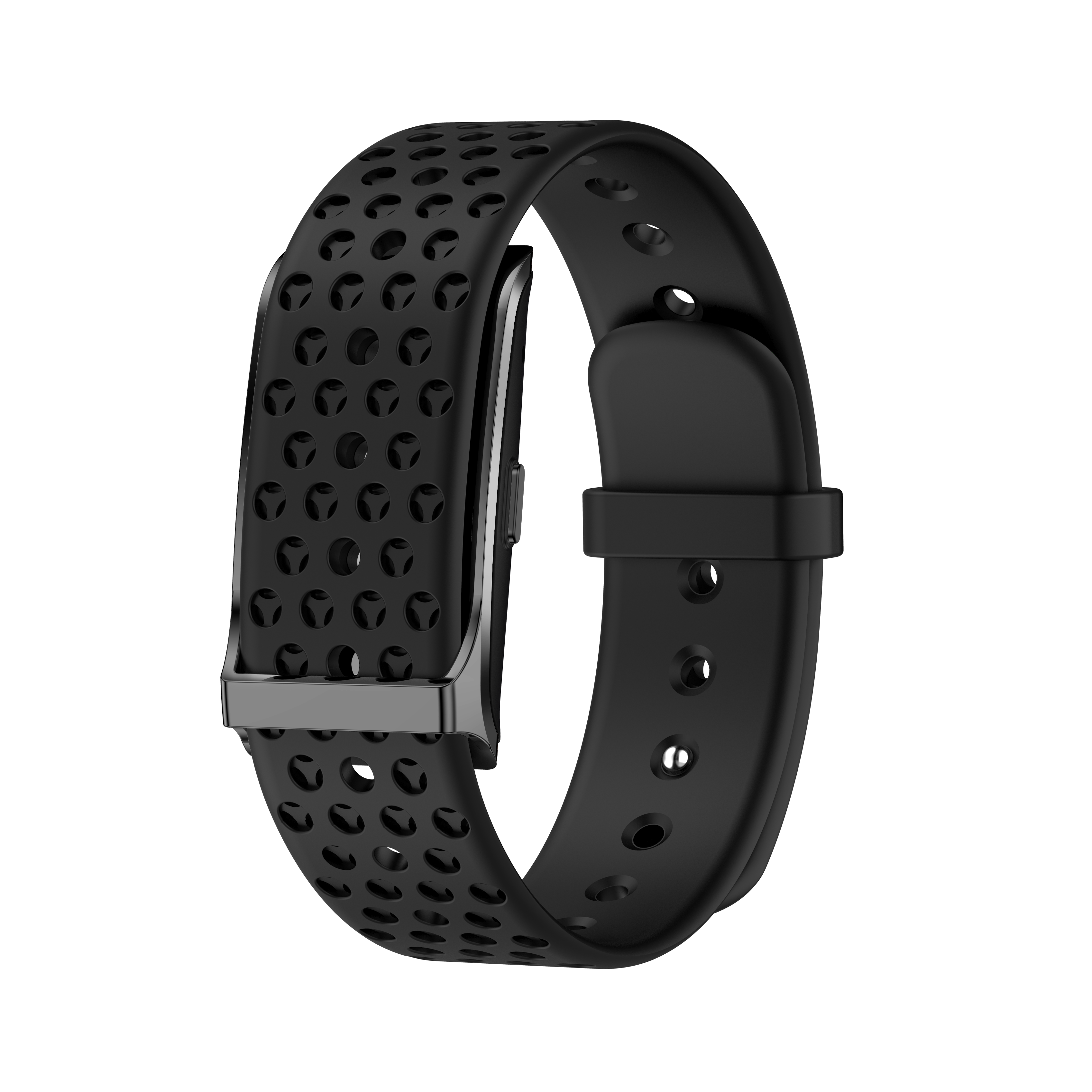
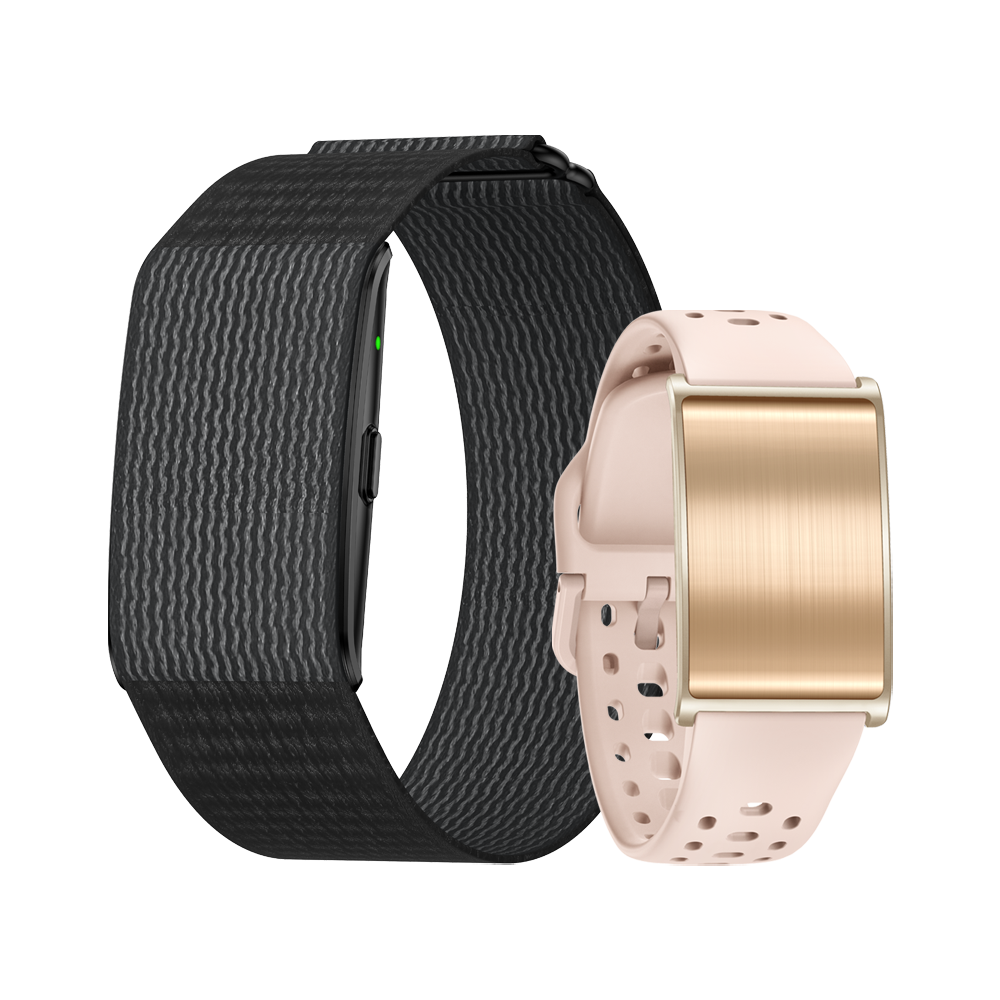
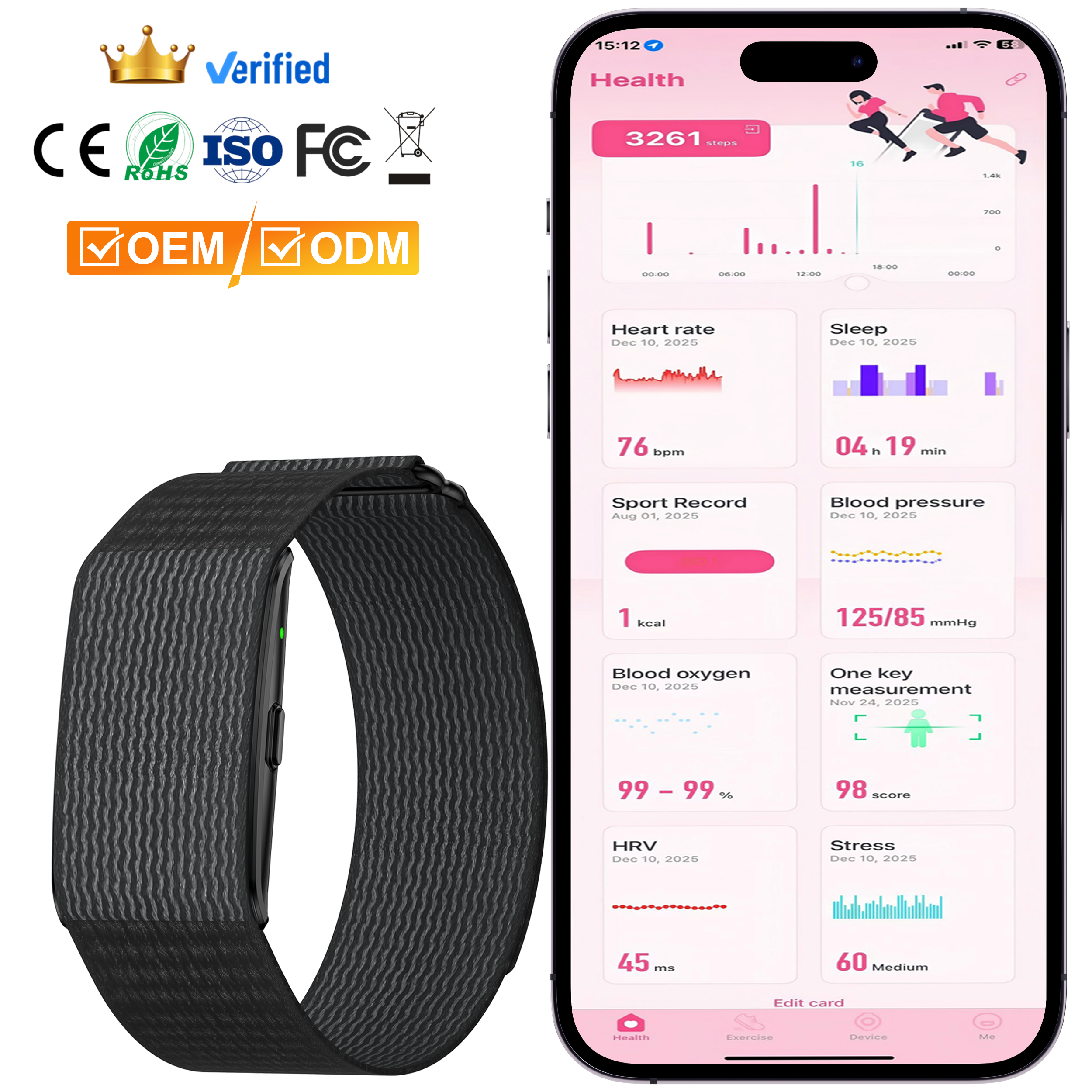
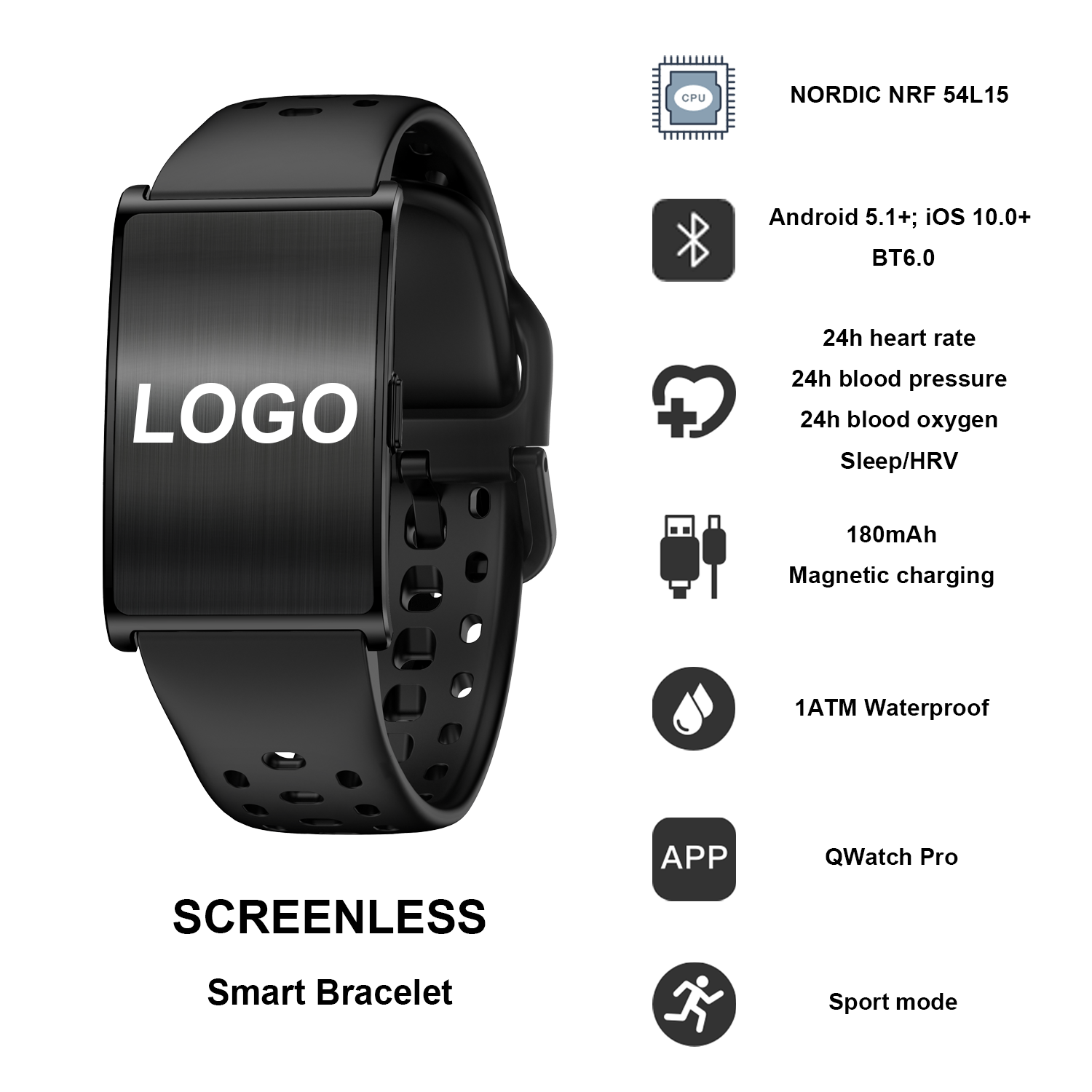
Suppliers focusing on BLE 5.4/6.0 architectures (leveraging cutting-edge silicon such as Nordic nRF54 series) paired with faceless recovery bracelets and smart rings. By shedding power-draining capacitive displays, these manufacturers engineer recovery-focused wearables that consistently yield 30 to 50 days of autonomy on a single charge cycle.
3. Cellular Connected & Standalone 4G/LTE Exporters
Manufacturers specializing in high-throughput baseband chipsets, integrated SIM/eSIM setups, dual-camera video systems, and multi-GNSS modules (GPS/GLONASS/Galileo). Sourcing requirements here demand strict regional radiofrequency verification, carrier-specific VoLTE validations, and SAR (Specific Absorption Rate) compliance testing.
4. High-End Fashion & Luxury AMOLED Fabricators
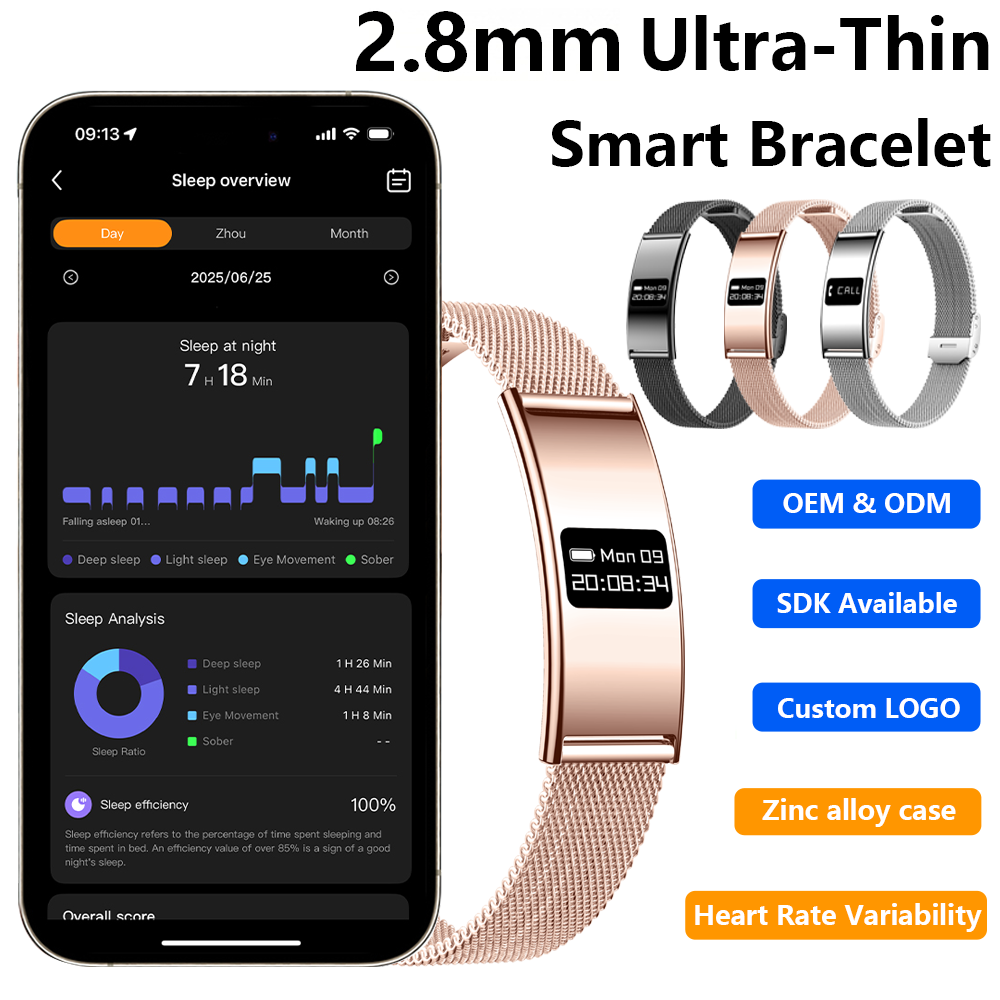
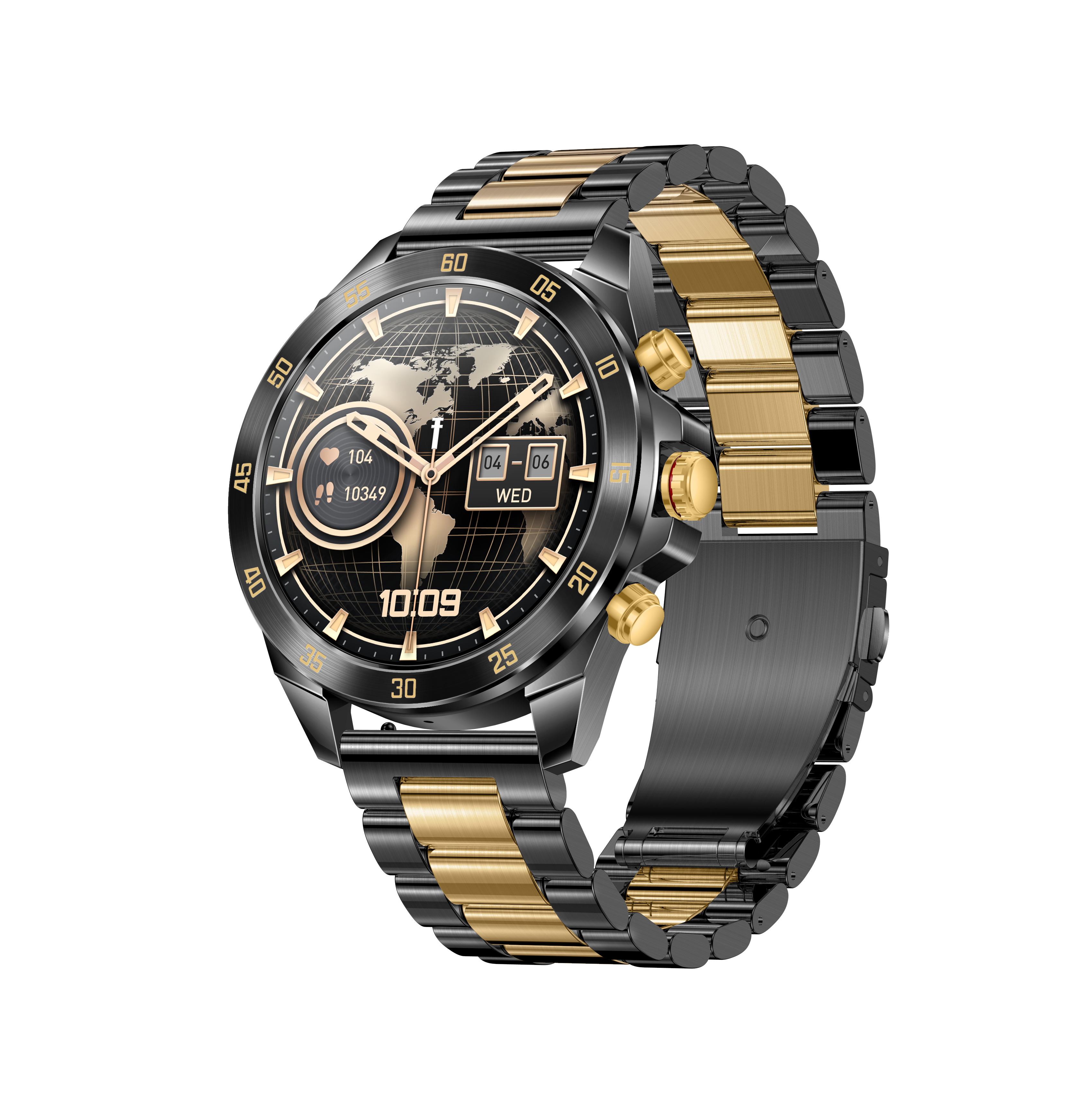
Production hubs dedicated to high aesthetic value: ultra-thin metal cases (<3.0mm thickness), 316L surgical stainless steel or aviation-grade titanium alloy CNC machining, sapphire crystal lenses, and high-luminance AMOLED panels (>1,000 nits) designed for premium consumer lifestyle brands and regional department store distributors.
5. Rugged Outdoor & Multisport Builders
Producers targeting extreme environments, utilizing reinforced composite polycarbonate casings, 5ATM/10ATM structural pressure ratings, dedicated hardware barometers, digital magnetic compasses, integrated emergency illumination tools, and algorithmic tracking tailored for open-water swimming, climbing, and cross-country navigation.
6. Vision-Enabled AI & Wearable Multimodal Suppliers
Pioneering manufacturers expanding beyond conventional wrist-based form factors into camera-equipped smart glasses and wearable sensory suites. Integration mandates 6-axis optical electronic image stabilization (EIS), localized real-time machine-translation firmware, dual beam-forming microphone arrays, and open-ear directional acoustic drivers.
7. Algorithmic Ecosystem & Enterprise White-Labelers
Turnkey exporters offering end-to-end proprietary smartphone app customization (iOS and Android), private cloud database infrastructure, continuous API/SDK integration pipelines, and server-side AI health analytics dashboards designed explicitly for corporate wellness insurers, logistics fleets, and fitness subscription brands.
8. Dedicated Telecare & Senior Safety Exporters
Specialized assembly operations focusing on non-intrusive personal safety monitoring: hardware-level 3-axis accelerometer fall-detection threshold algorithms, high-decibel SOS emergency siren switches, geofencing geo-positioning telemetry, and automated emergency carrier dialing firmware built for elderly populations.
9. High-Volume Consumer Electronics Consolidators
Large-scale assembly facilities optimized for maximum output, container-load logistics, automated assembly jigs, and aggressive bill-of-materials pricing. Best matched for tier-2/tier-3 promotional consumer retail, fast-moving consumer electronic (FMCG) brand licensing, and multi-market e-commerce discount channels.
10. Full-Stack Multispecialty Manufacturing Hubs (Brainox Standard)
Hybrid suppliers consolidating in-house R&D engineering labs, full-stack test instrumentation, rigorous multi-stage quality control, and flexible low-MOQ capabilities across smart watches, bracelets, rings, and glasses. This architecture guarantees unified quality thresholds, centralized logistics, and direct access to bilingual engineering management.
Procurement & Technology Trends: 2026 and Beyond
Strategic analysis of advancing microcontroller silicon, optical sensors, industrial materials, and cloud ecosystem evolutions.
Technological Inflection Points Reshaping the Wearable Supply Chain
The global smartwatch and connected wearable supply chain is undergoing profound structural shifts driven by semiconductor consolidation, advanced display manufacturing, and evolving regulatory boundaries surrounding health measurements.
1. Next-Generation Sensor Stacks: True Oscillometric Sensing vs. Optical Approximation
Historically, entry-level smartwatches relied solely on photoplethysmography (PPG) optical sensors running pulse wave transit time (PWTT) algorithms to estimate blood pressure trends. These software approximations frequently caused high return rates and legal compliance risks across North American and European markets. Commercial procurement is shifting rapidly toward micro-air-pump mechanical systems integrated directly into custom dual-layer watch straps. By utilizing an automated, miniaturized mechanical pump to inflate an internal bladder, the device records true physical arterial counter-pressure oscillometrically, delivering clinically actionable readings without invasive medical hardware.
2. Advanced Display Chemistries: The Transition to Ultra-High Brightness AMOLED & Micro-LED
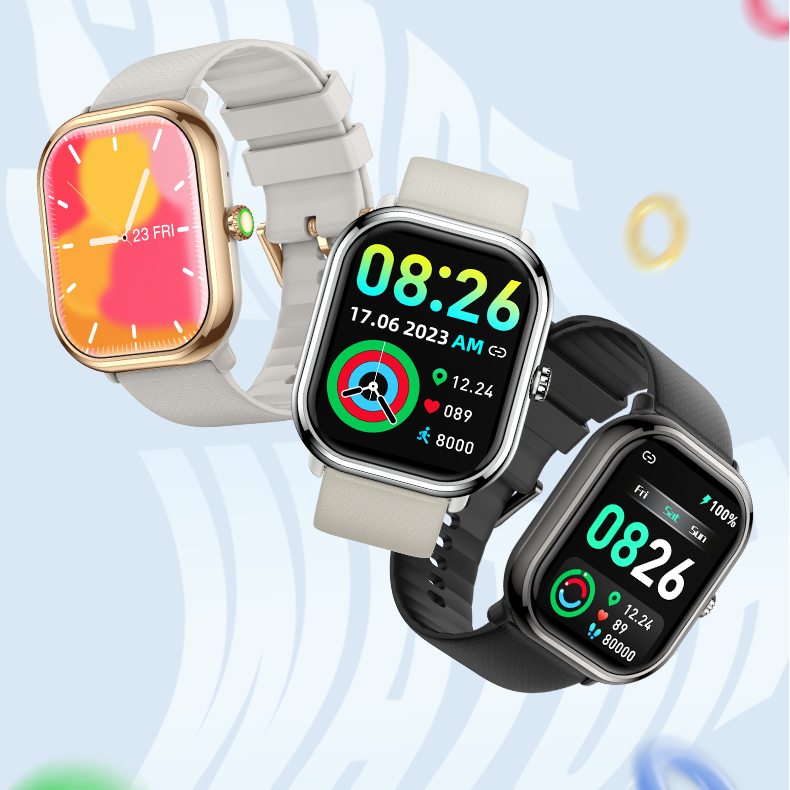
Standard TFT-LCD panels are rapidly being phased out across mid-to-high tier OEM configurations in favor of low-temperature polycrystalline oxide (LTPO) AMOLED touch displays. AMOLED panels provide distinct advantages: individual pixel self-illumination allows true always-on-display (AOD) functionality while cutting power draw by up to 35% during static cycles. Furthermore, peak optical brightness ratings surpassing 1,000 to 1,200 nits ensure full legibility in high-ambient-light outdoor conditions, satisfying demanding consumer expectations for sports and field applications.
3. Ultra-Low-Power Silicon: Bluetooth 6.0 and Multi-Core Hybrid Microcontrollers
Wearable device autonomy has long suffered from poor power budgets. Sourcing specifications now emphasize dual-core and tri-core heterogeneous architectures (e.g., high-performance ARM Cortex-M33 paired with ultra-low-leakage sensor co-processors). Furthermore, the rollout of commercial Bluetooth 6.0 and advanced LE Audio chipsets dramatically reduces RF transmission current while enabling sub-meter proximity positioning and low-latency audio transmission directly to TWS earbuds or hearing aids.
Comprehensive Technical Sourcing Guide
Cross-functional hardware comparison matrix for OEM/ODM engineering selection.
| Hardware Category | Primary Sensor Architecture | Typical Standby Performance | Water Ingress Ingress Protection | Strategic Sourcing Recommendation |
|---|---|---|---|---|
| Health Smart Watch | Micro-cuff air pump, single-lead ECG, Dual-wavelength SpO2, NTC thermistor | 5 – 10 Days (Active Continuous) | IP68 / 1ATM (Air-inlet isolated) | Audit factory for automated pressure calibrators and ECG simulator benches. |
| AMOLED BT Calling Watch | Multi-channel PPG, MEMS 6-axis IMU, digital Knowles mic, high-SPL speaker | 7 – 15 Days (Typical Usage) | IP68 / 3ATM Structural Seal | Validate cover glass hardness (≥7H) and acoustic mesh waterproof membranes. |
| Screenless Fitness Band | High-density optical array, Nordic Low-Power BLE, galvanic skin response | 30 – 50 Days (Ultra-Long) | 1ATM – 5ATM Continuous Immersion | Optimal for long-term health tracking; ensure seamless background app syncing. |
| 4G LTE Watch Phone | Cat-1 / Cat-4 LTE modem, Nano-SIM/eSIM, CMOS camera, GPS/LBS/Wi-Fi hub | 2 – 4 Days (Full Standalone) | IP67 Sealed Housing | Demand carrier-specific LTE band verification and SAR thermal dissipation logs. |
| Smart Health Ring | Infrared reflective PPG, 3-axis motion sensor, skin temperature node | 5 – 8 Days (Micro-Lithium) | 5ATM Waterproof Cast Resin | Establish custom sizing-kit distribution plans to prevent consumer sizing returns. |
Manufacturer Advantages: Dongguan Brainox Technology Co., Ltd.
World-class manufacturing integration situated inside China's preeminent high-tech corridor.
19-Step In-House QC Laboratory
Every production run passes 19 documented, instrumented procedures. Our facility houses 15 specialized lab instruments, including programmable constant temperature and humidity chambers (-40°C to 125°C), simulated transport vibration meters, automated drum tumbling impact rigs, salt spray corrosion testing chambers, electrostatic discharge (ESD) guns, and computerized high-pressure waterproof immersion tanks.
SGS On-Site Verified Accreditation
Operational integrity is independently verified. Dongguan Brainox Technology Co., Ltd. is thoroughly vetted on-site by the globally recognized SGS Group. Independent audits confirm our corporate legal legitimacy, in-house technical personnel counts, precise physical workshop coordinates within Songshan Lake Park, production line tooling, and verified export transaction histories.
Multilevel OEM / ODM Customization Depth
We accommodate diverse procurement frameworks across four distinct service tiers: Tier 1 covers minor aesthetic customizations (silk-screen logo application, custom gift box packaging, UI boot animations); Tier 2 covers sample-based alterations; Tier 3 focuses on design-led housing iterations; and Tier 4 delivers ground-up turnkey hardware and proprietary app source code deployment.
Turnkey Global Export & Regulatory Documentation
Eliminate customs quarantine and port clearance rejections. We deliver SKU-specific testing reports covering CE (RED directive), RoHS, and FCC part 15 certifications. Furthermore, for integrated lithium-ion polymer cells, our logistics division secures full, fully compliant UN38.3, MSDS, and sea/air transport drop-test validation manifests for hassle-free freight clearing.
Engineering-Led International Sales Communication
Bridge the gap between raw hardware manufacturing and commercial brand storytelling. Our foreign-trade sales teams are trained directly by internal hardware, firmware, and quality assurance engineers. From analyzing complex 4G telecommunication LTE bands to setting realistic sensor tolerance parameters, inquiries receive direct, data-backed technical precision.
Multispecialty Consolidated Sourcing
Mitigate the operational friction of auditing, contracting, and managing multiple distinct overseas factories. Brainox allows institutional buyers to combine health smartwatches, ultra-thin lifestyle watches, screenless fitness bands, and emerging AI smart glasses within unified, flexible low-MOQ contracts and single-shipment container configurations.
Frequently Asked Sourcing Questions (B2B FAQ)
Direct answers covering certifications, minimum order quantities, testing standards, and hardware customization.
What are the precise customization thresholds and lead times for OEM/ODM projects?
How does Brainox substantiate quality claims and avoid early field failures?
How should international buyers distinguish between optical blood pressure and micro-air-pump blood pressure?
Are smartwatches fully certified for immediate retail sale in the European Union and North America?
How is global carrier compatibility assured for 4G LTE standalone smartwatches?
What protocols govern sample orders, golden samples, and payment security?
Ready to Engineer Your Private-Label Smart Wearable Line?
Connect with Dongguan Brainox Technology's Songshan Lake engineering sales desk. Request product teardowns, complete laboratory testing dossiers, and tailored OEM/ODM quotes today.
Get Catalog