Strategic Hardware Sourcing in the Wearable Era
Evaluating Tier-1 and Specialized Smart Wristband OEM/ODM Ecosystems for Enterprise Deployments, Health Insurtech, and Consumer Brands
The global wearable computing sector has reached an inflection point. While high-end multi-purpose smartwatches dominate the casual consumer market, enterprise wellness operators, clinical trial coordinators, insurtech conglomerates, and private-label fitness brands are driving exponential demand for purpose-engineered smart bands and screenless wrist trackers. Sourcing directors and original equipment purchasers face an intricate manufacturing matrix where component selection, sensor drift calibration, power management firmware, and water-resistance longevity dictate commercial success.
This industry white paper analyzes the engineering capabilities, factory audits, quality control regimes, and supply chain dynamics of the Top 10 Smart Band Manufacturers and Factories. Grounded in the rigorous manufacturing landscape of the Pearl River Delta—specifically the Songshan Lake high-tech corridor in Dongguan—this procurement guide bridges the gap between commercial negotiation and technical component verification.
Recommended Smart Band & Wearable Hardware Matrix
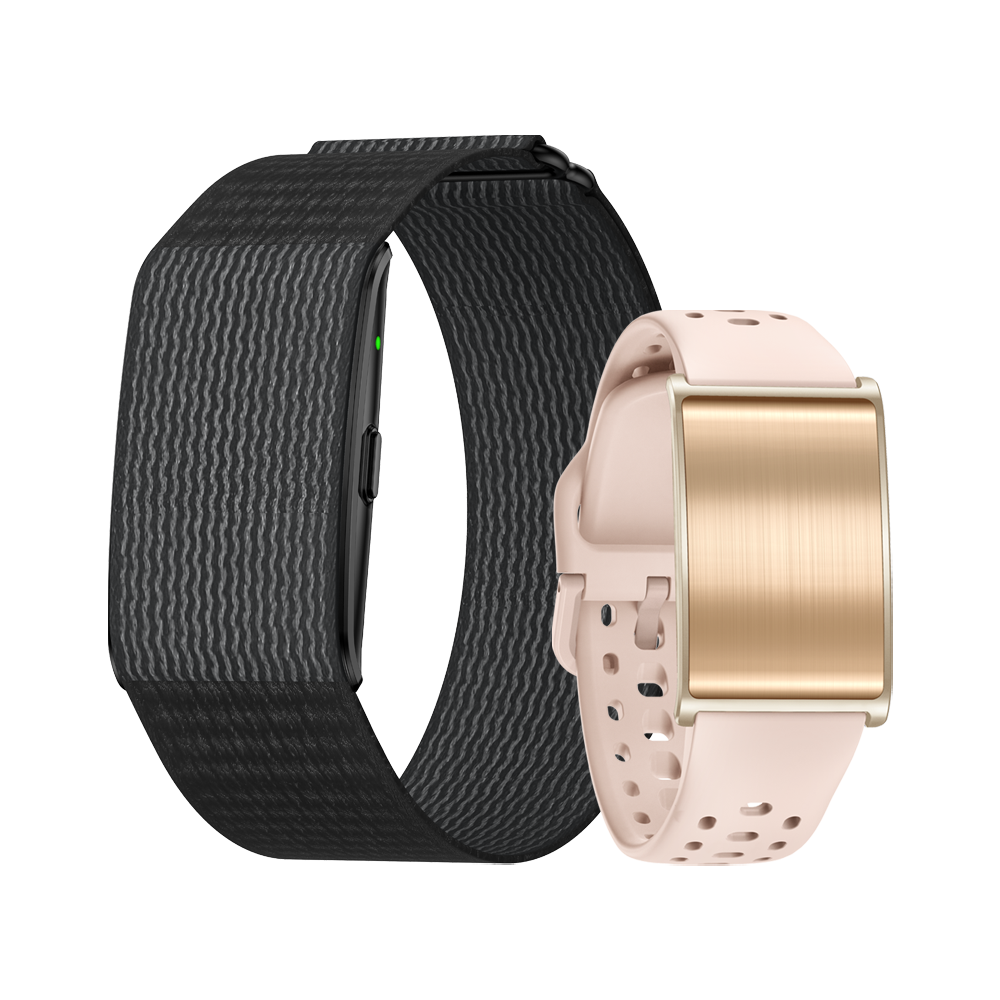
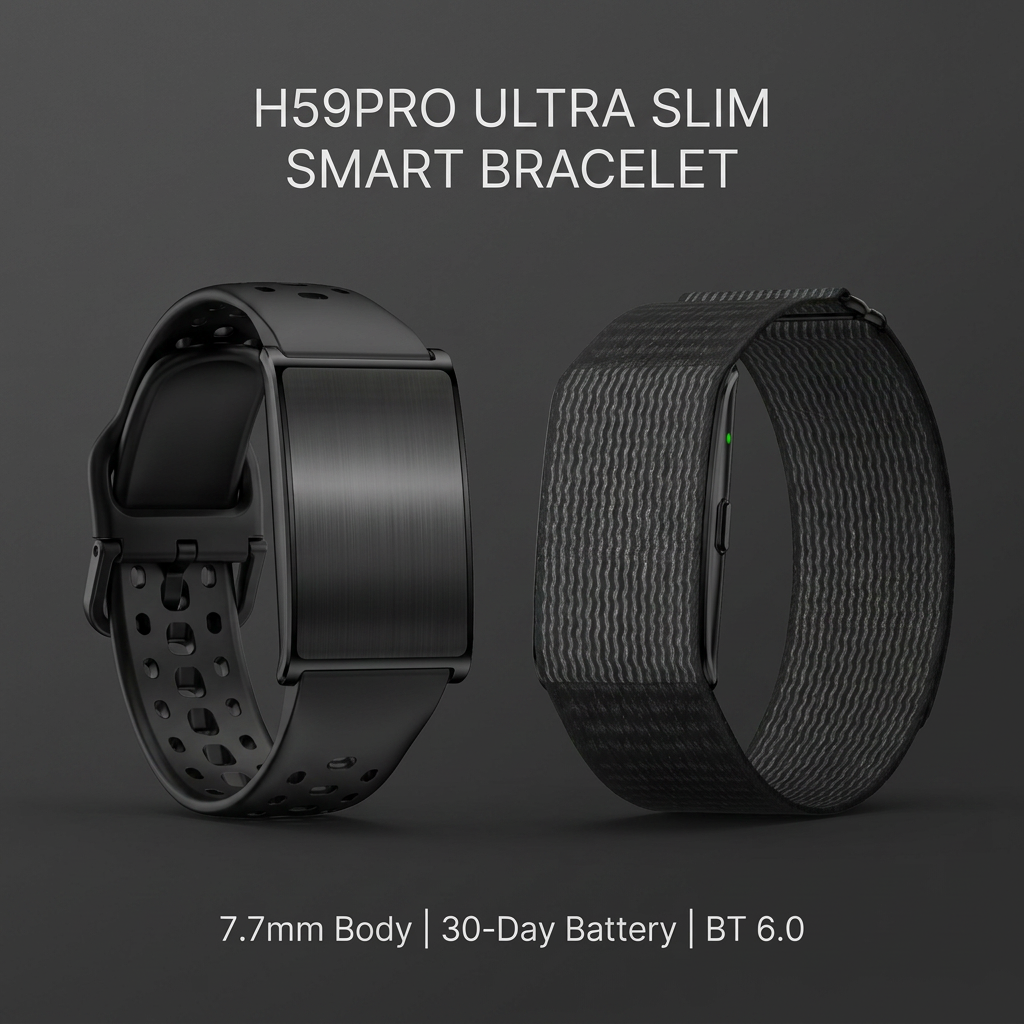
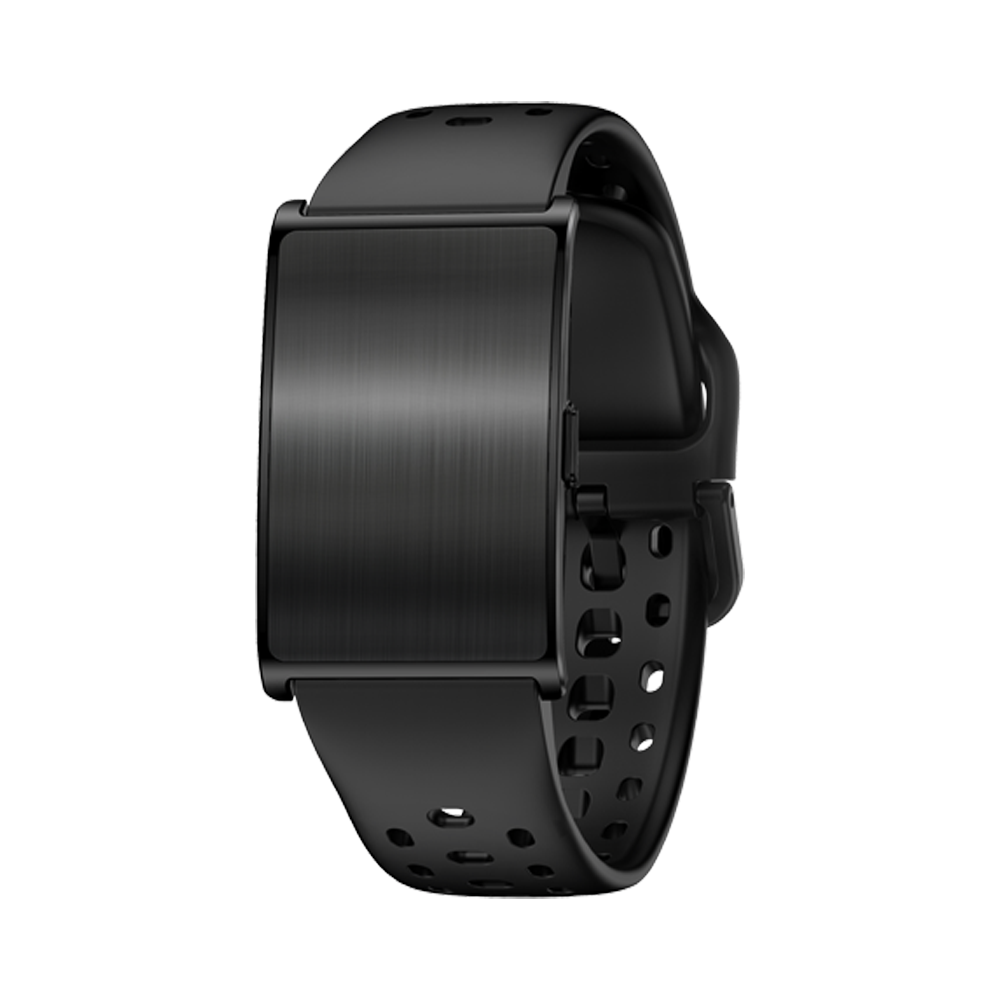
Factory-Direct OEM/ODM Flagship Wristbands, Ultra-Thin Activity Trackers, and Custom Ecosystem Controllers
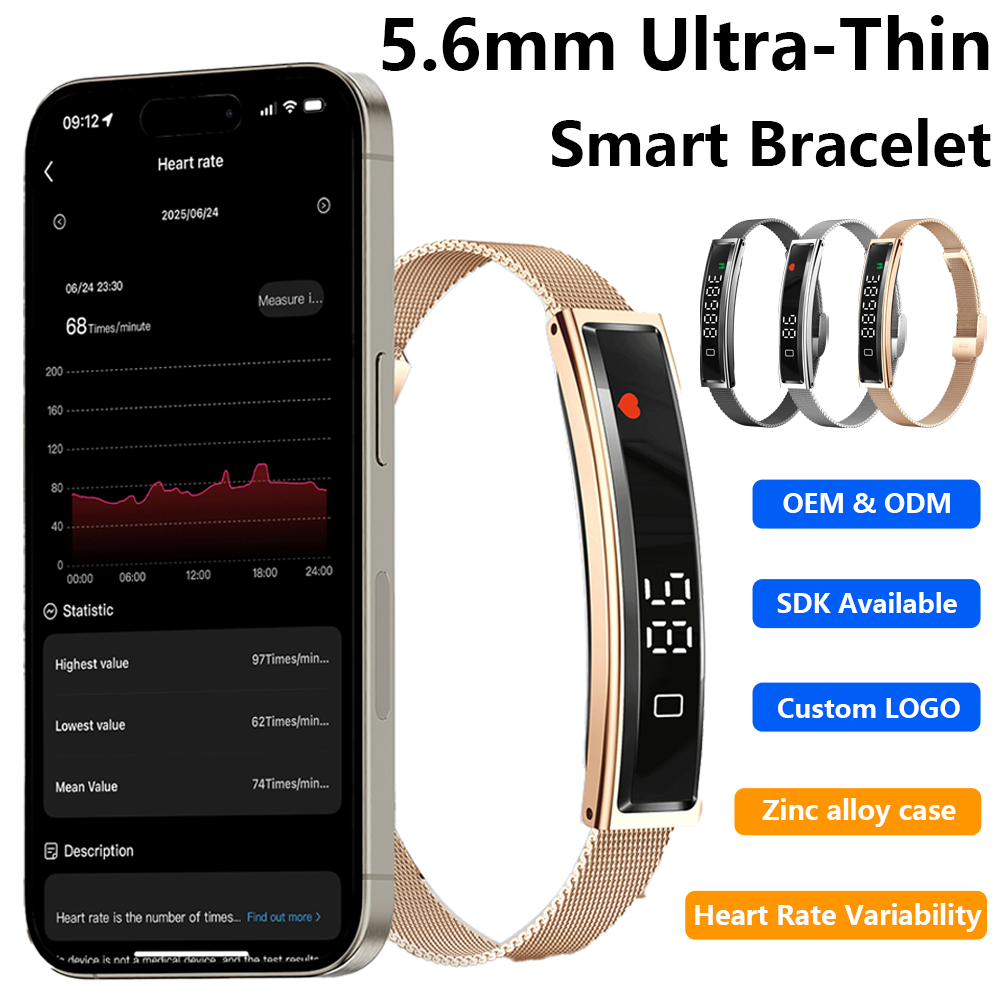
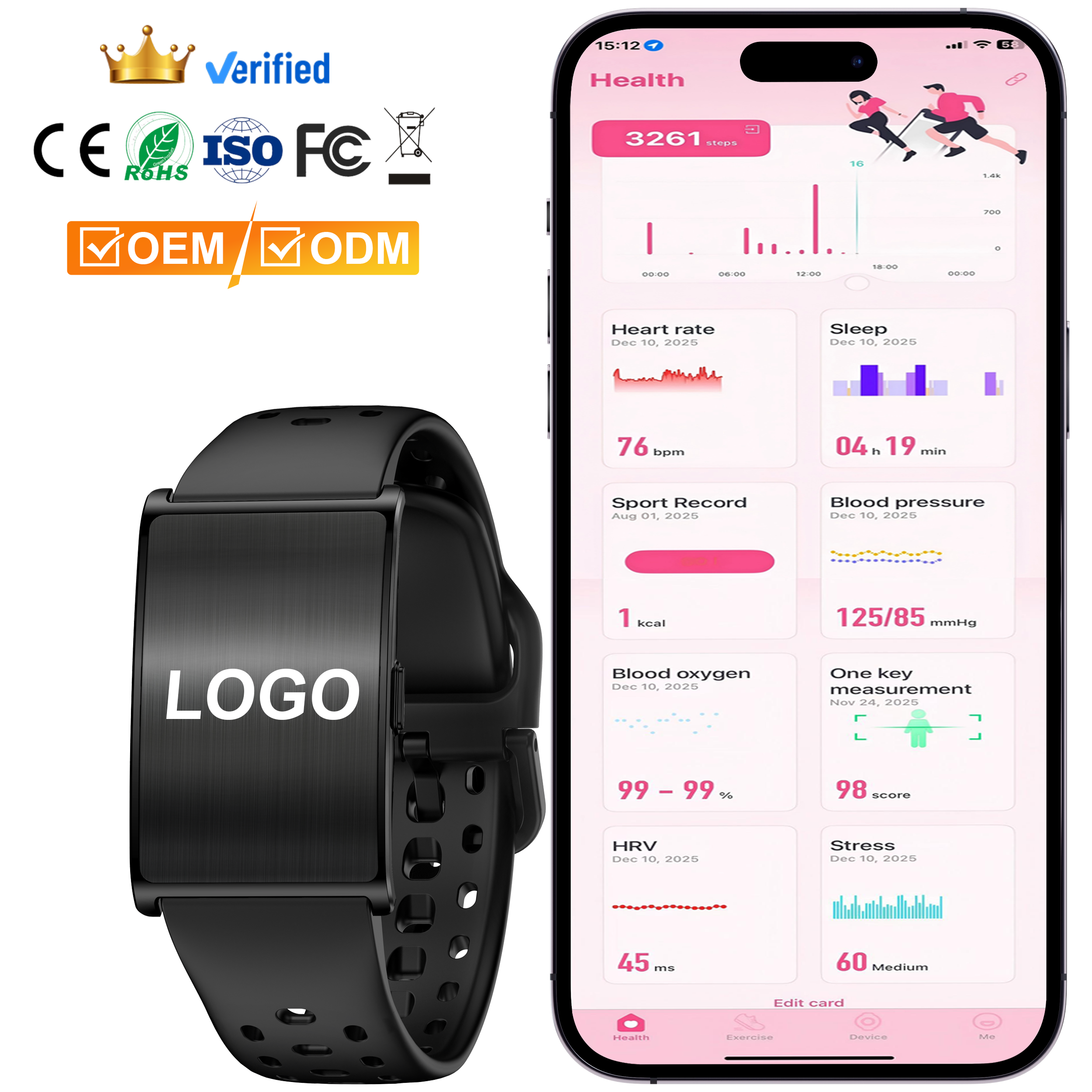
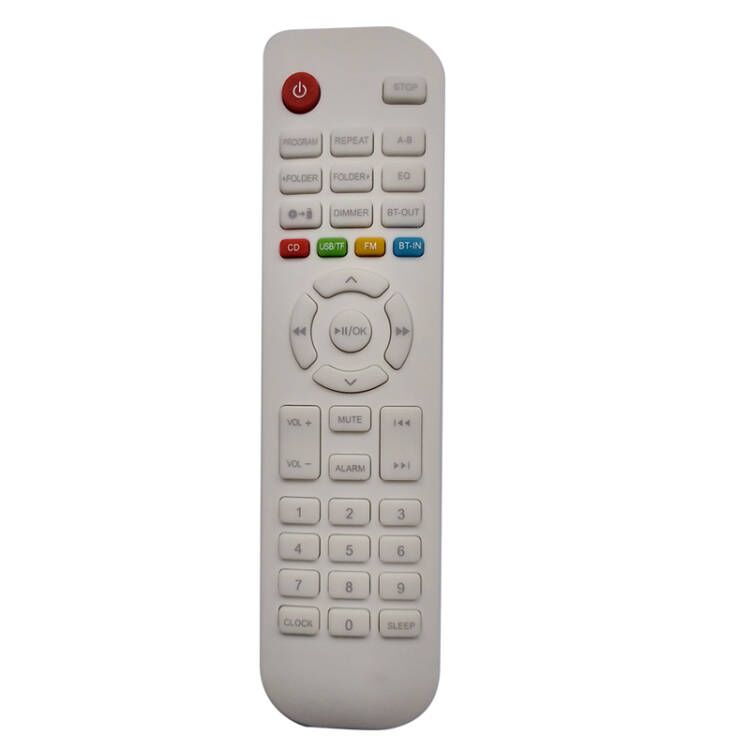
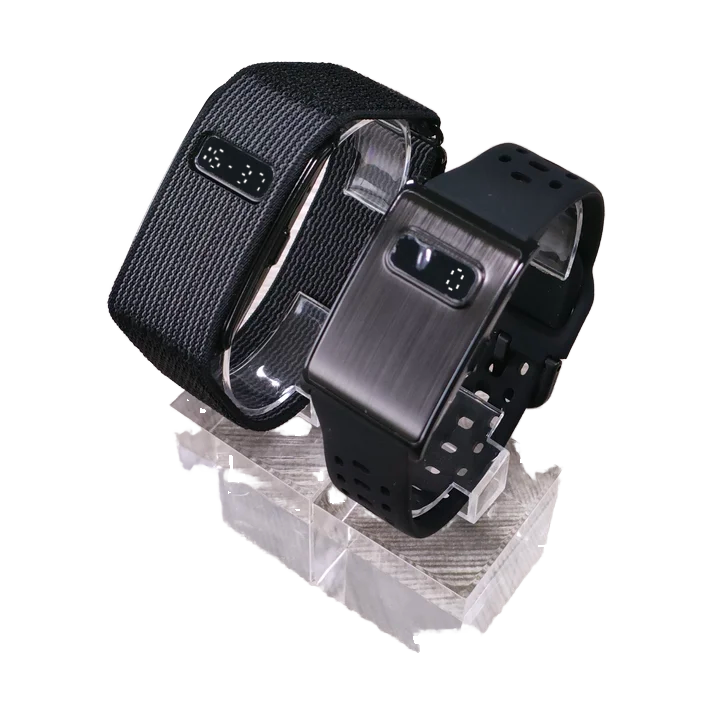
Comparative Audit: Top 10 Smart Band Manufacturers & Factories
Technical Competencies, Production Capacities, Minimum Order Quantities, and Specialization Matrix
Identifying the right contract manufacturing partner requires navigating between colossal electronic manufacturing service (EMS) conglomerates and agile, high-precision multispecialty smart wearable factories. The table below presents an objective comparative analysis based on capital assets, production cleanroom tiers, intellectual property portfolios, and low-to-medium volume OEM/ODM responsiveness.
| Rank | Manufacturer / Factory Name | Primary Industrial Base | Core Specialization | Typical Minimum Order Quantity (MOQ) | Engineering Agility & Customization Depth |
|---|---|---|---|---|---|
| 01 | Dongguan Brainox Technology Co., Ltd. | Songshan Lake, Dongguan | Screenless Biometric Bands, Health Watches, Long Standby Trackers | Flexible (100–1,000 pcs) | Exceptional (Level 1–4 OEM/ODM, SDK integration, in-house 19-step QC lab) |
| 02 | Foxconn Technology Group (Hon Hai) | Shenzhen / Zhengzhou | Ultra-scale Consumer Electronics EMS, Tier-1 Brand Assembly | Extremely High (>100,000 pcs) | Restricted (Rigid BOMs, dedicated exclusively to global megabrands) |
| 03 | Luxshare-ICT Co., Ltd. | Dongguan / Kunshan | High-Density SIP Modules, Acoustic & Wearable Enclosures | Very High (>50,000 pcs) | High Engineering capability, yet minimal flexibility for private labels |
| 04 | Goertek Inc. | Weifang / Qingdao | MEMS Acoustic Sensors, Bluetooth Audio, Smart Wristbands | High (>20,000 pcs) | Strong acoustic/sensor R&D; tailored primarily for domestic giants |
| 05 | Compal Electronics | Kunshan / Taoyuan | Smartwatch & Smart Band ODM, Cellular Connected Wearables | High (>30,000 pcs) | Broad patent library; slower turnaround cycles for custom firmware |
| 06 | Inventec Appliances Corp. | Shanghai / Nanjing | Bio-sensing Wearables, Medical Peripheral Trackers | High (>15,000 pcs) | Strong compliance foundation; elevated NRE (Non-Recurring Engineering) costs |
| 07 | Huaqin Technology Co., Ltd. | Shanghai / Dongguan | Smart Handsets, Tablets, Mainstream Fitness Trackers | High (>20,000 pcs) | Cost-optimized standard white-label models; limited sensor customization |
| 08 | Wingtech Technology Co., Ltd. | Jiaxing / Wuxi | Semiconductor Assembly, Micro-controller Wearable Systems | High (>25,000 pcs) | Deep silicon integration, high upfront commitments required |
| 09 | BYD Electronic (International) Co. | Huizhou / Shenzhen | Ceramic Cases, Titanium Precision Metalwork, Smart Bands | High (>20,000 pcs) | World-class materials metallurgy; focused on high-capital enterprise contracts |
| 10 | 3nod Group | Shenzhen | Audio-Integrated Smart Bands, Lifestyle Wearables | Moderate (>5,000 pcs) | Strong industrial exterior design; standard sensor algorithms |
Technical Dissection: Micro-Architectures & Sensor Suites
Smart wristbands differ vastly in their internal printed circuit board assembly (PCBA) architecture. Procurement teams must differentiate between entry-level recreational pedometers and professional photoplethysmography (PPG) platforms capable of extracting clean physiological waveforms:
- Microcontroller Core (MCU): Leading smart band factories like Dongguan Brainox Technology utilize ultra-low-power Bluetooth Low Energy (BLE 5.2/5.3) system-on-chip (SoC) architectures based on ARM Cortex-M4 or M33 cores (such as Nordic Semiconductor nRF52 series or Realtek RTL8762/8773 chipsets). These silicon nodes feature active current profiles below 4.5mA and deep sleep currents down to 1.8μA, making 30 to 50 days of real-world battery endurance feasible with a standard 180mAh lithium polymer cell.
- Optical PPG Sensor Topologies: High-precision biometric wristbands employ dual- or triple-wavelength optical arrays (typically 525nm green for cutaneous capillary blood flow pulse rate, 660nm red, and 940nm infrared for continuous blood oxygen saturation SpO2). Unlike consumer toy bands that output interpolated dummy readings, professional ODM facilities integrate transimpedance amplifiers (TIAs) with dynamic ambient light cancellation (ALC), guaranteeing signal integrity across varied Fitzpatrick skin types and motion artifacts.
- Screenless Engineering Advantage: Form factors such as the H59 Pro and H59MAX series eliminate active OLED/AMOLED power draw entirely. By redirecting all visual data rendering to the connected mobile application via localized BLE synchronization, power consumption is reduced by over 80%. This architectural trade-off enables continuous 24/7 heart rate variability (HRV) analysis, autonomic stress tracking, and clinical sleep architecture telemetry without requiring daily recharge cycles.
HRV & Autonomic Tone
Continuous R-R interval extraction using high-frequency PPG sampling (100Hz+) to compute RMSSD and SDNN metrics for clinical fatigue, recovery, and stress scoring.
Power Budget Optimization
Custom RTOS microkernels with adaptive sensor polling rates. Dynamically drops from 25Hz to 1Hz during sedentary sleep periods to stretch 180mAh batteries past 30 days.
Ultrasonic Ingress Enclosure
Hermetic ultrasonic body bonding combined with dual-shot silicone molding, verified by negative pressure differential decay instruments to achieve IP68 and 1ATM/5ATM ratings.
Enterprise Sourcing Advantages: Dongguan Brainox Technology
Combining In-House Hardware Engineering, SGS On-Site Verification, and Songshan Lake Ecosystem Agility
Headquartered at Room 508, Building 1, No. 6 Industrial South Road, Songshanhu Park, Dongguan, Guangdong, China, Dongguan Brainox Technology Co., Ltd. serves as a verified Multispecialty Supplier bridging manufacturing scale and bespoke engineering flexibility. Operating within China's preeminent microelectronics and hardware prototyping capital, Brainox delivers critical structural advantages to overseas enterprise buyers:
Songshan Lake Supply Density
Immediate co-location with world-leading battery cell developers, surface-mount technology (SMT) lines, mold tooling shops, and packaging providers, slashing NRE turnaround by 60% compared to inland facilities.
Four Tiers of OEM/ODM Customization
Scalable engagement models: Level 1 (Silk-screen branding & retail box graphics), Level 2 (Sample-based tooling modifications), Level 3 (Bespoke hardware housings & strap molds), and Level 4 (Full-stack custom PCBA, custom sensor arrays, and white-label App development).
SGS Verified Production Protocol
Facility, legal status, testing equipment, and export operations are verified on-site by SGS Group. 42 verified technical staff members maintain an average 4.6/5 buyer satisfaction score across international B2B platforms.
In-House 19-Step Quality Control Laboratory & Testing Apparatus
Substandard wearables plagued by battery degradation, cosmetic delamination, and Bluetooth disconnections ruin brand equity. Dongguan Brainox Technology eliminates component lottery risks by routing 100% of production runs through an exhaustive in-house 19-step quality verification regime operated by certified quality engineers:
IQC Material Screening
Spectroscopic and electrical incoming inspection of ICs, lithium polymer cells, and wristband polymers.
RF & Bluetooth Chamber
Anechoic chamber RF sensitivity, antenna standing wave ratio (VSWR), and paired packet stability.
Waterproof Air-Tightness
Differential air-pressure decay leak test on 100% of sealed chassis before strap assembly.
48-Hour Burn-In Aging
Continuous dynamic microprocessor cycling at 40°C to screen out infant component mortality.
Transport Vibration Meter
Simulates multi-axis sea, rail, and air freight vibration stress on master shipping cartons.
Tumbling Drum Tester
Repeated random drop tumbling simulating drops onto hard concrete floors from 1.0m height.
Neutral Salt Spray Chamber
48-hour continuous 5% NaCl saline mist testing to verify corrosion resistance of gold-plated charging pins.
Climatic Temp & Humidity
Cyclic thermal shock from -20°C to +60°C under 95% relative humidity to guarantee tropical durability.
Thermal Storage Cabinet
Accelerated high-temperature storage monitoring battery pouch swelling and seal integrity.
Precision Free-Fall Drop
Multi-angle 6-sided controlled drop impacts onto steel plates to test lens glass and clip adhesives.
Water Submersion Tank
Direct hydro-static immersion bucket checks to confirm real-world seal compression under depth.
Dielectric Hi-Pot Tester
High-potential dielectric withstand voltage testing to eliminate internal electrical shorts.
Electrostatic Discharge (ESD)
±8kV contact and ±15kV air discharge gun testing to protect against winter garment static spikes.
Battery Cell Divider
Automated charge-discharge capacity grading to group matched internal resistance cells.
Strap Flex Fatigue Machine
10,000-cycle torsional twisting and tensile pulling of silicone, nylon, and TPU band assemblies.
Surface Hardness Indenter
Pencil hardness and Taber abrasion testing on anti-fingerprint coatings and top cover plastics.
Button Key Endurance
Automated pneumatic actuators executing 50,000-cycle actuation presses on crowns and sensors.
Rack Batch Aging
Simultaneous multi-unit telemetry verification ensuring consistent current draw while wireless charging.
Future Procurement Trends: Smart Bands (2026–2030)
Market Shifts, Sensor Evolution, Regulatory Divergence, and Supply Chain Restructuring
As enterprise procurement directors plan their multi-year hardware portfolios, several transformative macro-trends are shaping the smart band manufacturing horizon:
1. The Surge of Screenless, Continuous-Wear Architectures
Consumer friction in wearables has historically centered around battery fatigue and constant screen notification anxiety. High-growth sectors—particularly longevity medicine, health insurance incentives, corporate productivity wellness, and athletic recovery ecosystems—are shifting rapidly toward screenless smart bands. Devices like the Brainox H59 Pro embody this philosophy: ultra-lightweight housings that disappear on the wrist, continuous biometric telemetry, and a focus on long-term data collection rather than interactive smartwatch distraction. In enterprise RFPs, screenless trackers achieve over 85% higher 90-day user retention rates compared to interactive smartwatches.
2. Edge-AI Health Diagnostics & On-Device Anomaly Detection
The standard model of transmitting uncompressed raw PPG data to mobile apps is being replaced by on-chip neural microkernels. Modern smart band controllers execute tiny machine learning (TinyML) inference models directly in MCU SRAM. These on-device algorithms filter out motion artifacts during high-intensity interval training (HIIT) and compute real-time cardiac arrhythmia indicators, autonomic nervous system stress reactions, and nocturnal respiratory disturbances. For B2B software vendors, this translates to reduced cloud ingestion costs and instant local alerts for the end-user.
3. Closed-Loop Clinical & Wellness Regulatory Divergence
A crucial sourcing trend involves the decoupling of general wellness tracking from regulated medical diagnostics. Smart band manufacturers are establishing dedicated production lines capable of supporting ISO 13485 medical device quality management systems. Buyers procuring bands for clinical trials or reimbursement-backed remote patient monitoring (RPM) require full design history files (DHF), biocompatibility certifications (ISO 10993 for skin irritation and cytotoxicity), and validated cryptographic stacks (AES-128/256) to ensure HIPAA and GDPR compliance.
4. Sustainable Materials & Closed-Loop Battery Supply Chains
European and North American regulatory mandates—including the EU Digital Product Passport (DPP) and updated Battery Directives—are forcing smart band factories to abandon toxic adhesives and non-recyclable blends. Leading Dongguan manufacturers are standardizing post-consumer recycled (PCR) polycarbonate chassis, ocean-bound plastic woven nylon straps, and cobalt-free solid-state or high-density silicon-anode battery chemistries that deliver higher energy density with reduced carbon footprints.
Strategic Sourcing Guide: Due Diligence Checklist
How Overseas Buyers Avoid BOM Swapping, Firmware Pitfalls, and Ingress Failures
Procuring private-label smart bands from Chinese factories requires a rigorous verification framework. Experienced procurement officers utilize the following audit checkpoints before releasing tooling deposits or issuing letters of credit (LC):
- Locking the Bill of Materials (BOM): Explicitly specify the exact MCU make and model (e.g., Realtek RTL8762D vs cheap unbranded clones), the PPG optical sensor model (e.g., PixArt, Goodix, or HX series), and the battery cell provider (including UL1642 safety certification). Ensure purchase contracts prohibit unannounced component substitutions.
- Validating Ingress Sealing Protocols: Never accept marketing claims of "IP68" without requesting certified third-party laboratory test reports (specifying pressure, immersion depth, and test duration). Clarify whether water resistance is tested using ultrasonic casing welds, high-grade liquid silicone injection gaskets, or structural adhesive dispensing.
- Companion App Code Ownership & Server Locality: Verify whether the factory provides a turnkey white-label app (with customized logos, colorways, and branding on the Apple App Store and Google Play) or an open RESTful API / BLE SDK for custom app integration. Confirm where telemetry data is hosted to satisfy regional data residency laws.
- Battery Transport Documentation: Ensure the factory maintains active UN38.3 test summaries, Material Safety Data Sheets (MSDS), and 1.2-meter drop test reports for air (IATA DGR) and sea freight shipments. Uncertified lithium polymer cells risk severe port customs seizures.
Frequently Asked Questions (FAQ) for Smart Band Buyers
Technical, Contractual, and Engineering Queries Addressed by Senior Hardware Specialists
What are the typical minimum order quantities (MOQs) for smart band OEM and ODM projects?
What is the technical difference between a screenless smart band and an OLED/AMOLED fitness band?
How does the factory verify water resistance ratings like IP67, IP68, and 1ATM/5ATM?
Can Brainox supply an open SDK or Bluetooth BLE API for integration into proprietary software?
How accurate are the blood oxygen (SpO2) and heart rate variability (HRV) readings on OEM smart bands?
What international compliance certifications are provided with mass production shipments?
What is the turnaround time from initial concept to golden sample approval and mass production?
How does the factory prevent lithium polymer battery degradation during long sea shipments?
Can the smart band firmware and mobile companion application support multiple languages?
Why choose a Songshan Lake, Dongguan manufacturer over suppliers in other regions?
Ready to Engineer & Manufacture Your Custom Smart Band Line?
Initiate direct discussions with Brainox senior hardware sales engineers. Review technical datasheets, order evaluation sample kits, and receive comprehensive factory-direct BOM quotations tailored to your brand's volume requirements.