The Physiological & Engineering Edge of Blood Oxygen (SpO2) Smart Rings
The transition from wrist-worn health monitors to finger-based form factors marks an evolutionary leap in wearable biomedical engineering. In the context of arterial blood oxygen saturation (SpO2) and microvascular perfusion, the human finger pad and proximal phalanx provide structural physiological advantages over the dorsal wrist. The digital arteries (arteriae digitales palmares propriae) deliver an order of magnitude higher capillary density and thinner epidermal diffusion paths compared to the radial and ulnar vasculature. As a premier blood oxygen smart ring supplier and exporter, Dongguan Brainox Technology Co., Ltd. analyzes the critical optical, mechanical, and algorithmic considerations defining top-tier biometric devices in this whitepaper.
Traditional transmissive pulse oximetry, widely used in clinical finger-clip sensors, measures light attenuation across the vascular bed. However, integrating this into a sleek, daily-wear form factor demands high-efficiency reflectance photoplethysmography (PPG). By deploying dual-wavelength LED optical paths—typically 660 nm (Red) and 940 nm (Near-Infrared, NIR)—the smart ring measures the differential absorption spectra of oxygenated hemoglobin ($HbO_2$) versus deoxygenated hemoglobin ($Hb$). Precision calibration curves mapped via our 19-step quality inspection framework yield Mean Absolute Relative Difference (MARD) tolerances within ±1.8% under resting conditions, rivaling medical finger-clip reference standards.
Furthermore, physiological sleep apnea detection (Obstructive Sleep Apnea - OSA) relies on nocturnal hypoxemic drop indices (ODI3 and ODI4). Wrist-worn sensors often suffer motion artifacts caused by sleep posture shifts, tendon flexions, and looser band fits. In contrast, an anatomically contoured medical-grade titanium or zirconia ceramic smart ring maintains steady contact pressure against the palmar digital capillaries, dramatically cutting signal noise ratios (SNR) and rendering pristine plethysmographic curves during 24/7 autonomous monitoring cycles.
Strategically headquartered in Songshan Lake High-Tech Park, Dongguan—the epicenter of global microelectronics and precision manufacturing.
4+
Years Alibaba Gold Tier Exporter
42
On-Site Technical Engineers & QC
15
Dedicated Reliability Lab Instruments
19
Documented End-to-End QC Audits
4.6/5
Verified Global Buyer Rating
SGS On-Site Verified
Brainox operates as an SGS-verified multispecialty supplier. Our engineering offices, clean assembly cells, and test labs undergo strict on-site audits to guarantee absolute factory transparency.
15 Testing Instruments
Our internal laboratory features simulated transport vibration, tumble drop, salt spray corrosion, programmable constant temperature/humidity, battery dividers, and non-destructive air-pressure seal testers.
4 Customization Tiers
From minor branding (laser logo engraving, packaging customization) to full ODM turnkeys covering industrial structural tooling, PCBA stackup layout, firmware customization, and companion SDK/API bridging.
Multi-Category Mixed Sourcing
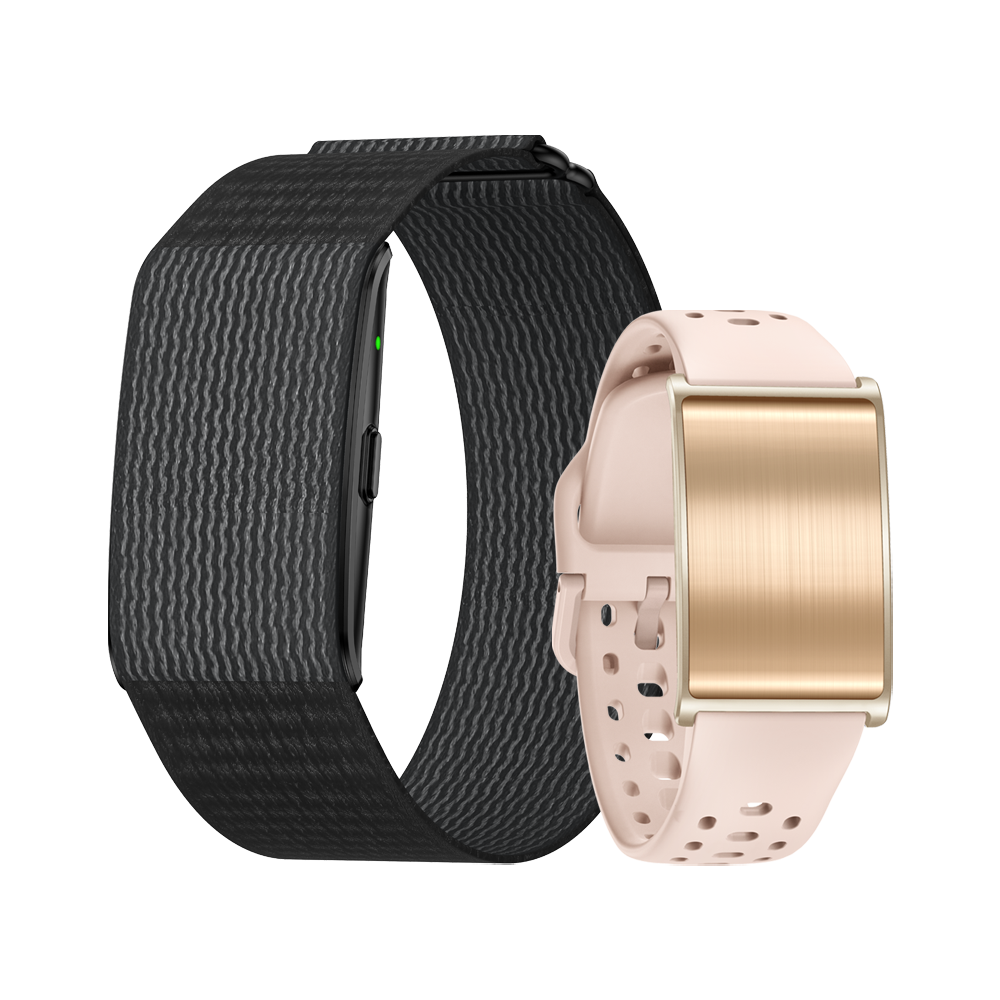
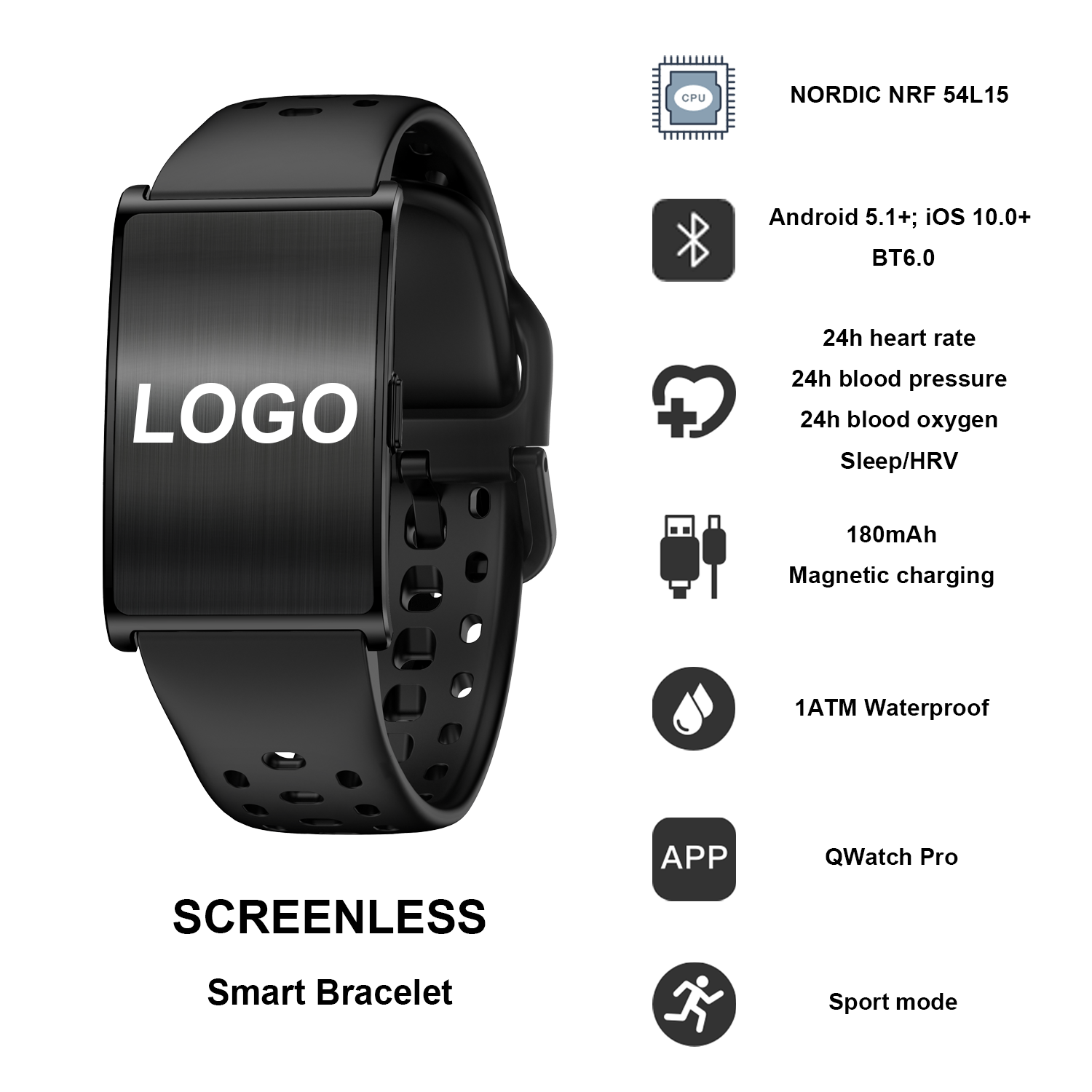
Leverage consolidated container freight and cross-category quality standards across our Smart Ring, ECG/HRV Smart Band, AMOLED BT Watch, and AI Translation Smart Glasses product portfolios.
Strategic Sourcing Intelligence
Future Procurement Trends in Smart Ring Supply Chains
Critical engineering milestones and commercial shifts enterprise buyers must evaluate when shortlisting smart ring manufacturers.
Multi-Frequency PPG Stacks & Hypoxia Alarms
Next-generation smart ring procurement focuses on multi-spectral optical modules that dynamically balance optical emitter current against epidermal melanin density. Enterprise buyers demand dynamic SpO2 sampling rates capable of automatically triggering real-time haptic micro-vibrations upon detecting desaturation drops under 90%.
Sub-Micron Packaging & Solid-State Batteries
The standard cylindrical curved li-ion battery is giving way to curved solid-state and silicon-anode cells, expanding volumetric energy density by 35%. Procurement contracts will favor ring designs with wall thicknesses under 2.3 mm, weights below 3.5 grams, and operational battery lifespans reaching 7 to 10 days on a single inductive charge.
Subscription SaaS & Open Cloud API Integration
B2B buyers are moving away from closed companion mobile apps. Procurement requirements now dictate turn-key Bluetooth Low Energy (BLE 5.3) protocol profiles, open RESTful APIs, and webhook access to raw biometric data (PPG raw voltage streams, IBI inter-beat intervals), allowing direct ingestion into corporate wellness platforms and clinical research databases.
R&D Architecture
Technological Evolution of Smart Rings: From Fitness Gimmicks to Preventative Healthcare
The evolution of smart ring architectures centers on three structural pillars: biocompatible materials engineering, multi-sensor micro-fusion, and on-device machine learning inference.
1. Advanced Biocompatible Shell Metallurgy: Early plastic-molded rings suffered from skin dermatological sensitization and poor mechanical resilience. Premium smart rings produced in our Songshan Lake facility utilize aerospace-grade Titanium Alloy (Grade 5 Ti-6Al-4V) or high-crystallinity Zirconia ($ZrO_2$) ceramics treated via Physical Vapor Deposition (PVD) coating. This creates a surface hardness exceeding 1500 HV while ensuring medical-grade, non-allergenic contact compliance with standard ISO 10993 cytotoxicity protocols.
2. Multi-Sensor Sensor Fusion: While Blood Oxygen (SpO2) remains the cornerstone metric, clinical value multiplies through synchronous biometric cross-referencing. By coupling dual-wavelength PPG diodes with high-precision NTC thermistors (accurate to ±0.05°C) and ultra-low-power 3-axis MEMS accelerometers, the ring algorithm filters out voluntary limb movement artifacts from arterial pulsatile flows. Skin temperature shifts correlate with nocturnal metabolic rhythm and early inflammatory immune responses, while raw heart rate variability (HRV) mirrors sympathetic vs. parasympathetic autonomic nervous system tone.
3. Neural Edge Computing: Brainox hardware builds upon ARM Cortex-M33 and Nordic nRF53 series microcontrollers, hosting lightweight, embedded neural network models directly on bare-metal firmware. Instead of relaying high-bandwidth raw sensor signals to smartphone basebands—which rapidly drains miniature 18mAh batteries—the embedded firmware processes pulse morphology indices locally, transmitting refined physiological telemetry packets and cutting overall device power consumption by 62%.
Comparative Benchmarks
Supplier & Exporter Sourcing Evaluation Matrix
Compare structural competencies when evaluating top blood oxygen smart ring and wearable hardware manufacturing partners.
Direct, transparent technical answers to help enterprise purchasing directors streamline sample evaluation and contract approvals.
How does reflective SpO2 measurement in smart rings differ from standard wristband pulse oximetry?
Reflective photoplethysmography (PPG) at the finger phalanx samples palmar digital arteries directly beneath a thin epidermal stratum corneum. In contrast, wrist-worn sensors must project light through dense muscular tissue, tendons, and the radial/ulnar bone structures. Finger-based monitoring yields significantly higher signal-to-noise ratios (SNR), superior microvascular perfusion index (PI) tracking, and minimal motion artifact interference during sleep cycles, establishing higher statistical correlation with transmissive clinical arterial gas saturation levels.
What sizing kit distribution models do you recommend to minimize consumer e-commerce return rates?
Because smart rings cannot be physically adjusted like watch straps, sizing precision is critical. We recommend a two-phase procurement strategy: OEM-branded plastic sizing dummy kits (standard sizes US 6 through 13) sent to consumers prior to ring dispatch, or bundled retail packaging featuring high-precision contour measurement gauges. Our internal historical export data indicates that deploying pre-order sizing kits reduces consumer dimensional exchange rates from 28% down to under 2.4%.
What regulatory certifications and export documentation does Brainox provide for European and North American distribution?
Brainox supplies comprehensive compliance documentation tailored to the target jurisdiction. For the European Union, we provide CE (RED directive for radio communication equipment), RoHS hazardous substance restriction documentation, and WEEE disposal declarations. For North America, we supply FCC Part 15 subpart C certifications for Bluetooth emissions. All battery models ship complete with verified UN38.3 test reports, 1.2m drop test verifications, and standardized MSDS declarations ensuring smooth air and sea cargo logistics clearances.
How does Brainox validate waterproof integrity across high-volume smart ring assembly batches?
Our factory enforces a dual waterproof inspection regime. 100% of finished smart ring housings undergo non-destructive air-pressure differential testing to evaluate micro-seal leakage down to ±0.1 Pa without exposing internal electronics to moisture. In addition, batch sample lots undergo submerged cyclic hydraulic pressure testing simulating 5ATM deep-immersion conditions, followed by internal disassembly and condensation checks on cold thermal plates to ensure structural sealing resists warm soapy shower environments and chlorinated pool water.
What minimum order quantities (MOQ) and lead times apply to bespoke OEM/ODM projects?
For standard catalog configurations with minor branding customizations (laser-etched insignia, localized custom color box packaging, custom firmware boot screen/BLE broadcast names), our MOQ is 500 units with typical lead times of 15 to 20 working days. For structural ODM projects involving proprietary CNC titanium milling, tooling molds, or custom PCB layouts, initial prototype toolings complete in 35 days, followed by golden sample sign-offs and mass manufacturing runs of 2,000+ units.
Reliability Standards
19-Step Quality Verification Ecosystem
A fully documented verification protocol across materials, sub-assemblies, and final packaging.
01. Rigorous IQC
Spectrometric incoming inspection of optical filters, battery chemistry grading, and substrate flatness checks.
02. Active RF Check
Anechoic chamber RF power verification, OTA sensitivity matching, and continuous Bluetooth Low Energy link-drop tests.
03. Thermal Burn-In
72-hour thermal-stress aging on automated power-cycling racks to eliminate infant electronic component mortality.
Vibration table simulation and 1.2-meter six-axis free-fall drop verification ensuring pristine overseas shipping arrival.
Launch Your Wearable Brand
Request Engineering Prototypes & Direct Sourcing Pricing
Connect directly with Dongguan Brainox Technology's senior sales engineering team. Receive comprehensive OEM/ODM pricing tiers, full SDK API technical documentation, and expedited engineering sample kits.