High-Precision Connected Wearables & Smart Tracking Line
Engineered in our Songshan Lake Dongguan hardware labs. Designed for enterprise private labels, telecom operators, subscription healthcare platforms, and high-frequency contactless access control systems.
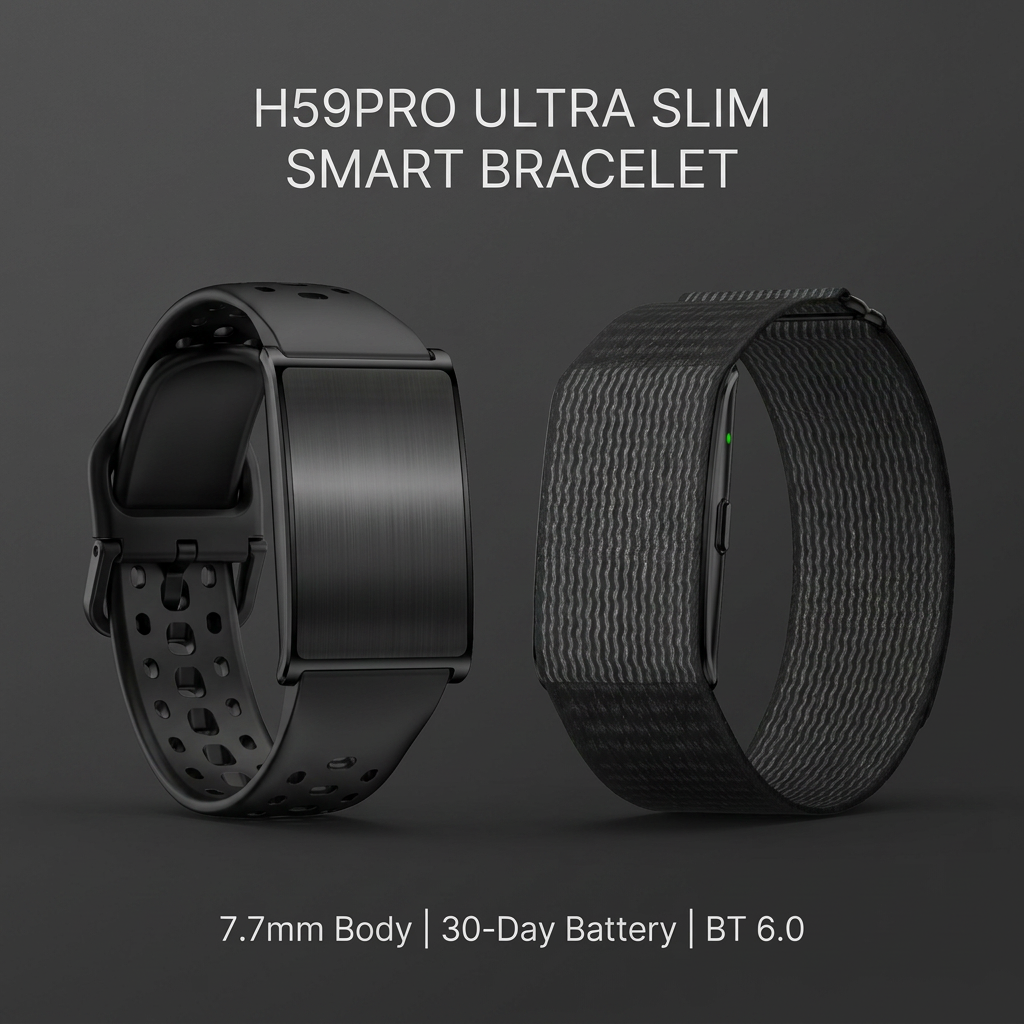
H59 Pro Screenless Smart Wristband
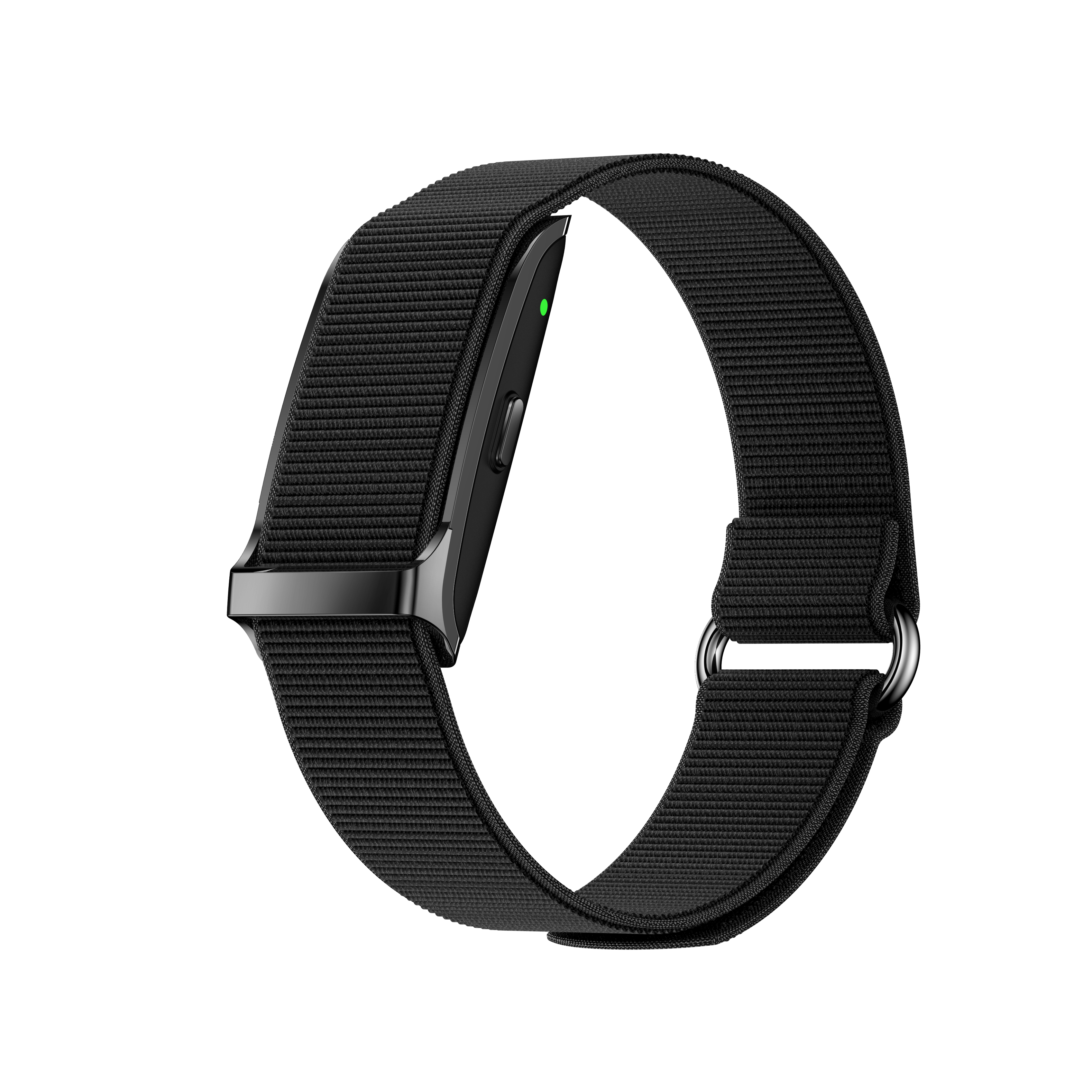
H59 Non-Screen Smart Bracelet SDK
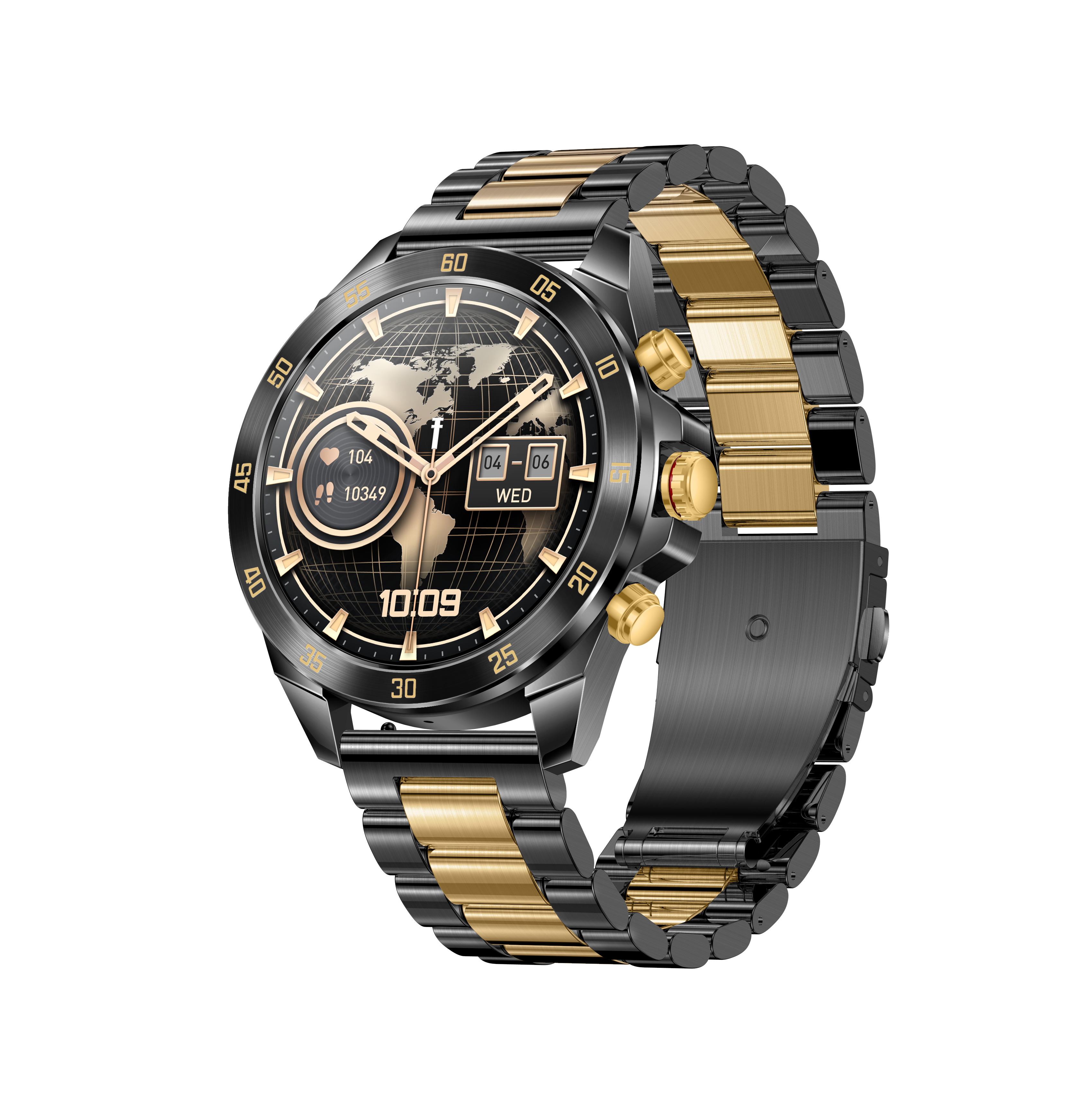
NX16 AMOLED Fashion Smartwatch
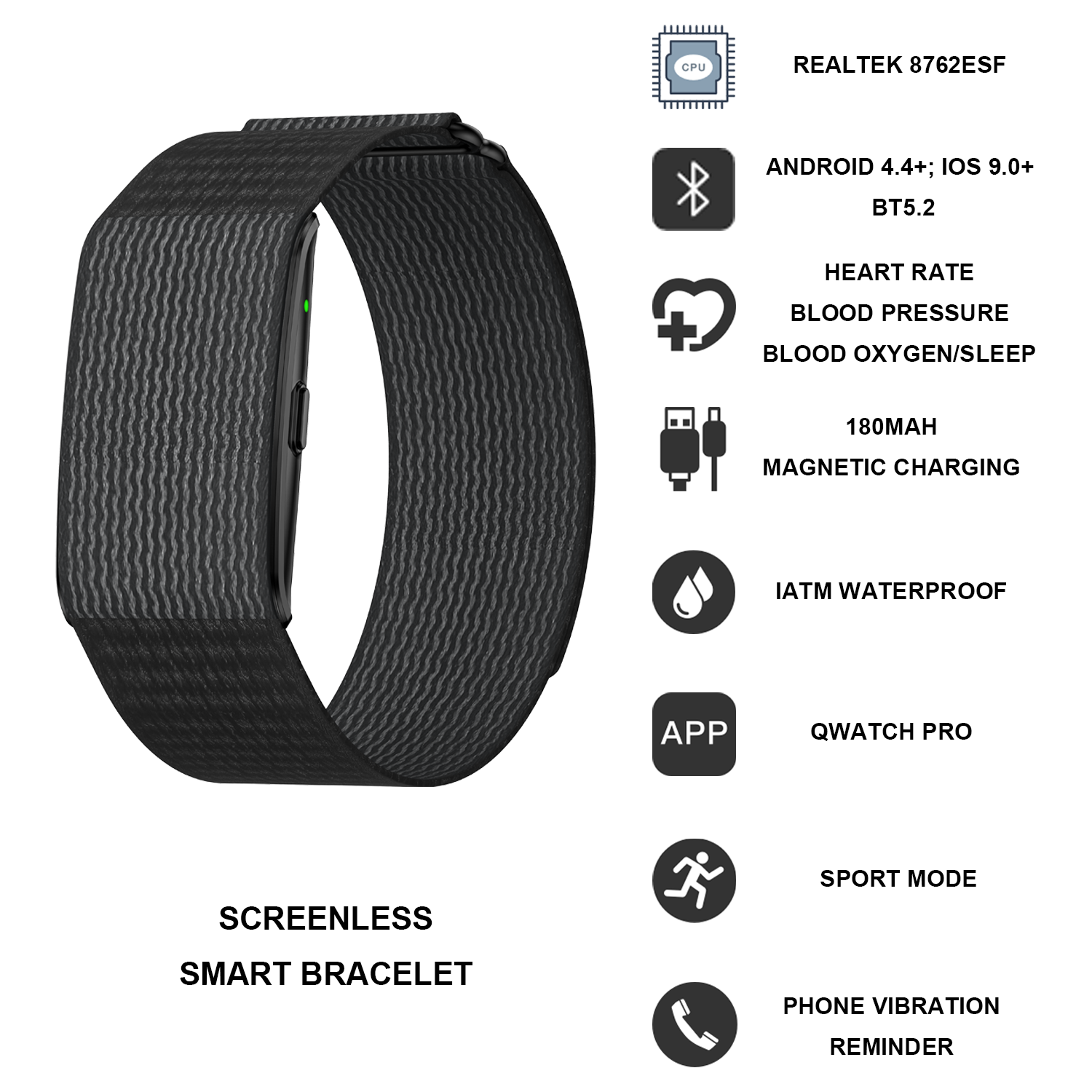
H59MAX AI Health Report Band
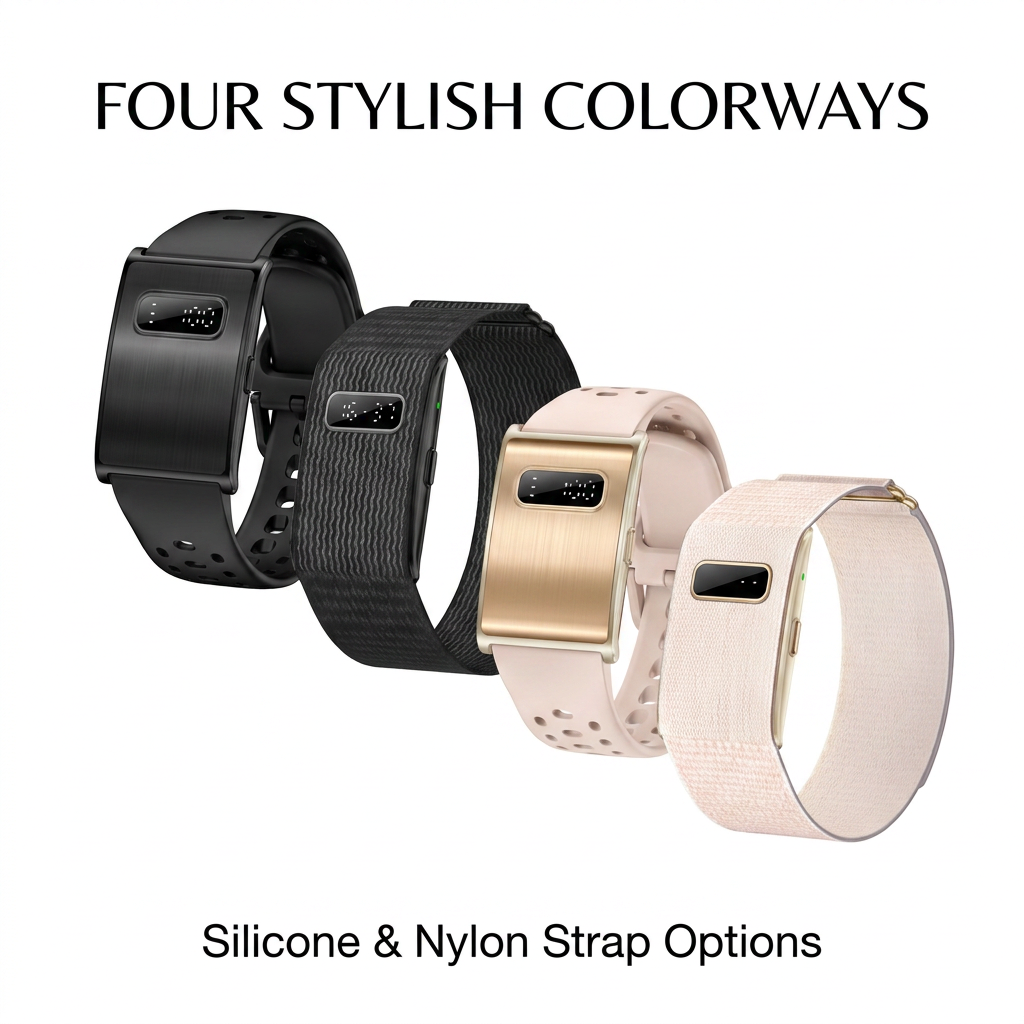
Custom Ultra-Endurance Health Watch
Magnetic Eco-System Phone Casing
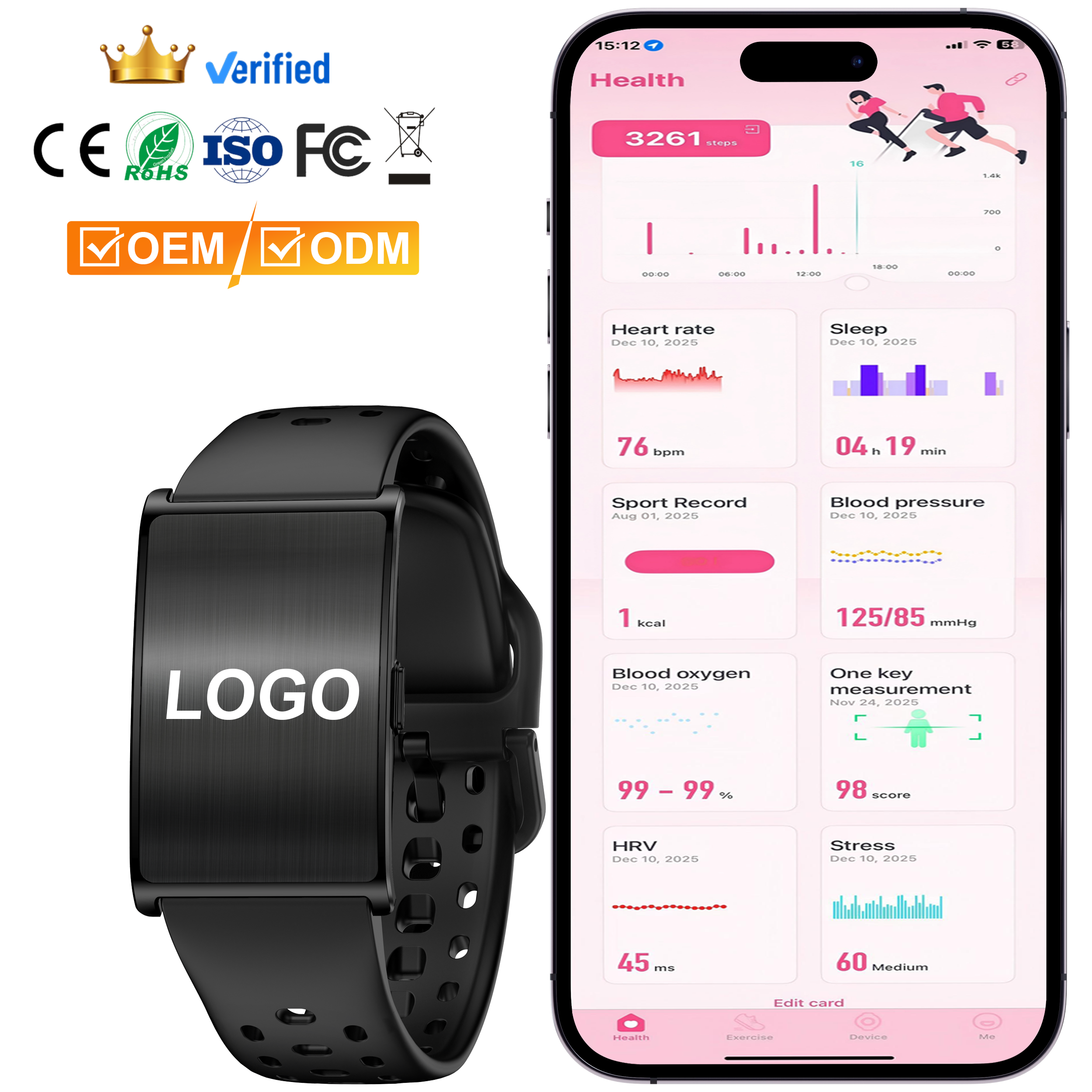
H59Pro Magnetic Activity Tracker
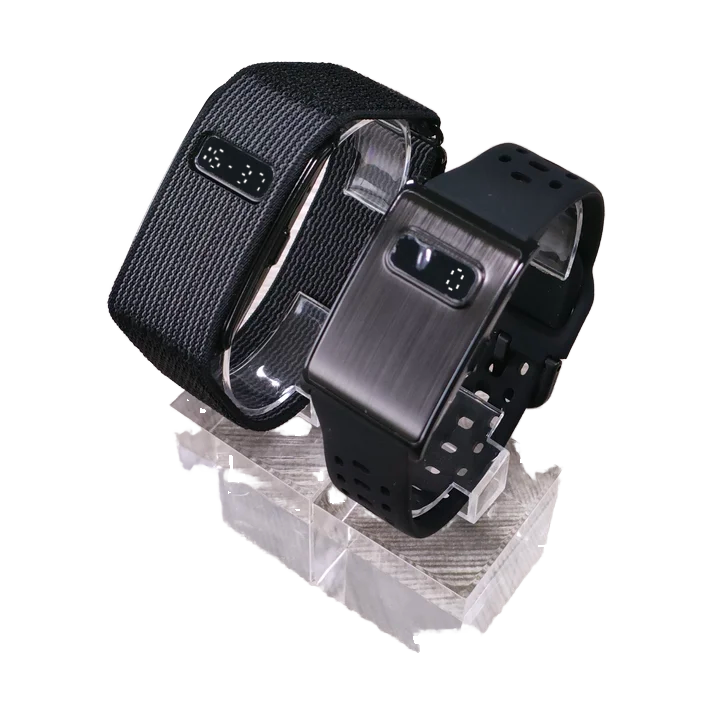
H59MAX+ LED Digital Display Band
Industrial OEM/ODM Engineering of NFC-Enabled Smartwatches
A comprehensive analysis of radio frequency (RF) design challenges, secure element tokenization, and multi-protocol antenna integration in compact wristwear form factors.
Planar Bezel vs. Ferrite FPC Antennas
Integrating a 13.56 MHz High-Frequency (HF) Near Field Communication coil within a metallic smartwatch chassis demands rigorous mitigation of eddy current losses. At Dongguan Brainox Technology, our engineering facility employs custom sintered ferrite magnetic sheets (permeability μ' up to 150) layered beneath the Flexible Printed Circuit (FPC) loop. This architectural shielding decouples the magnetic flux from the lithium-polymer battery casing and PCB ground planes, ensuring an active coupling radius that reliably satisfies ISO/IEC 14443 Type A/B and EMVCo Level 1 field strength mandates.
Embedded Secure Element (eSE) vs. HCE
B2B procurement programs require stark technical differentiation between Host Card Emulation (HCE) and hardware-isolated Embedded Secure Elements (eSE / CC EAL6+ certified). While HCE relies on companion smartphone operating system credentials, our bespoke ODM designs can embed standalone eSE dies (such as NXP SN110 or STMicroelectronics ST54J families) directly onto the smartwatch motherboard. This facilitates secure bi-directional cryptographic handshakes, offline transit ticketing (e.g., MIFARE Classic, DESFire, FeliCa), and encrypted sovereign payments even when the smartwatch operates untethered.
RF Matching & Dynamic Tuning Circuits
Variations in human wrist dielectric properties create load-impedance detuning across the wearable's passive and active modes. Brainox implements adaptive impedance matching networks consisting of precision RF inductors and ceramic NPO capacitors. Each prototype is audited using Rohde & Schwarz vector network analyzers across simulated phantom tissue models to prevent detuning from 13.56 MHz resonance down into degraded spectral regions, guaranteeing under-100ms card read transactions across commercial access gates and POS terminals.
NFC Smartwatch OEM/ODM Specification Matrix
Engineered options engineered to help system integrators, telecommunication carriers, and private labels select appropriate silicon topologies and firmware governance.
| Tier / Architecture | Typical NFC Controller | Protocol Coverage | Security Level | Primary Target Industry | OEM Customization Scope |
|---|---|---|---|---|---|
| Tier 1: Access & Data Exchange | PN553 / ST21NFCD (Integrated) | ISO/IEC 14443 Type A, NFC Forum Type 1-4 | UID / Software-Level Encryption | Hospitality locks, Gym checks, Digital Business Cards | Custom FPC antenna, housing laser-engraving, SDK branding |
| Tier 2: Dual Transit & Campus Access | NXP SN100T or ST54 series | ISO/IEC 14443 A/B, FeliCa, MIFARE EV1/EV2 | Medium (Crypto1, AES-128 secure memory) | Closed-loop transit grids, University campuses, Smart Office | Applet pre-loading, customized secure element key injection |
| Tier 3: EMVCo Payment & Car Keys | STMicroelectronics ST54K / NXP SN220 eSE | EMVCo Contactless 3.1, Car Connectivity Consortium (CCC) | Highest (CC EAL6+, Hardware cryptographic co-processor) | Fintech watch brands, Automotive digital keys, Sovereign banking | Full ODM: Custom housing, antenna tuning, EMVCo certification support |
| Tier 4: Standalone 4G Cellular + NFC | ASR / Spreadtrum SoC + Dedicated NFC Subsystem | Full NFC Forum Standards + 4G LTE-FDD/TDD Cat 1/Cat 4 | Hardware Isolated Memory Domain via Secure World | Lone worker safety, Telehealth elderly care, Kids cellular | Board design, carrier VoLTE adaptation, cloud dashboard API |
Emerging Sourcing & Engineering Trends for B2B Smartwatches
Anticipate market transformations before launching your next-generation connected device portfolio.
1. UWB + NFC Convergence
While NFC remains the undisputed global protocol for sub-4cm intentional verification (payments, static checkpoints), Ultra-Wideband (UWB) IEEE 802.15.4z integration is rapidly entering enterprise wristwear. Next-generation ODM briefs increasingly demand hybrid radio modules combining NFC backup tap-to-unlock with UWB hands-free, centimeter-accurate indoor asset tracking and keyless vehicle access.
2. Zero-Power Passive Energy Harvesting
A persistent friction point in consumer acceptance of NFC smartwatches is battery depletion preventing door access or transit returns. Advanced power management architectures now decouple the NFC transponder from the main MCU bus. Brainox is pioneering secondary power routing that harvests RF field energy from external card readers, allowing critical NFC access functions to operate even after the primary display has shut down from low battery.
3. Biometric Identity Dual-Tokenization
Regulatory scrutiny around physical facility security (critical infrastructure, data centers, pharma production) is obsoleting static RFID cards. The market is shifting to smart wristbands that bind continuous optical PPG biometric signatures (unique heart-rate rhythm authentication) directly to the local NFC token release engine. If the watch is removed from the authorized user's wrist, the secure element automatically locks its cryptographic keys.
4. Decentralized Web3 & Sovereign ID Wallets
Modern consumers and enterprise employees increasingly demand decentralized credentials over centralized servers. Sourcing specifications now emphasize microcontrollers capable of storing localized private keys for digital identities, vaccine certificates, and decentralized physical infrastructure network (DePIN) incentives directly in onboard secure chips, managed via dedicated iOS/Android Bluetooth bridges.
Dongguan Brainox Technology: SGS-Verified Infrastructure
Headquartered in Room 508, Building 1, No. 6 Industrial South Road, Songshanhu Park, Dongguan, Guangdong, China. Brainox bridges the gap between rapid design iteration and institutional-grade manufacturing reliability.
Industrial Cluster Advantage
Situated in the heart of Songshan Lake's high-tech manufacturing corridor, our facility leverages immediate proximity to leading display fabs, battery chemical houses, CNC metal finishing specialists, and micro-electronics assembly hubs. This cluster density enables our 42-strong team to take complex customized designs from Gerber sign-off to functional tooling within aggressive international time-to-market windows.
Multispecialty Flexibility
As an SGS on-site verified multispecialty supplier, Brainox resolves the traditional pain points of high minimum order quantities (MOQs). We facilitate agile pilot trial runs (starting from low MOQs on standard mold enclosures) up to 100,000-unit mass manufacturing orders, consolidating custom packaging, multi-language localization, laser-etched casebacks, and companion firmware adaptation under a single, accountable engineering authority.
Four-Tier OEM/ODM Breadth
We structure hardware delivery to match your brand's capitalization level: Minor Customization (custom boot animation, branded straps, luxury retail packaging), Sample-Based Customization, Design-Based Prototyping from industrial 3D STEP files, and Full Turnkey ODM encompassing custom motherboard layouts, sensor array selection, and closed-loop native companion app deployment.
Inside Our In-House Quality Assurance Laboratory
Every production batch undergoes 19 stringent test procedures across 15 specialized in-house instruments before ocean or air cargo dispatch.
IQC Component Audit
Incoming inspection of IC chips, AMOLED glass, polymers, and raw PCB boards.
Bluetooth RF Testing
Spectrum emission mask verification, signal stability, and dual OS connectivity.
IP68 Static Immersion
Submersion pressure verification ensuring complete sealing of acoustic apertures.
Full Electrical Aging
Continuous dynamic system load and thermal cycling to expose infant mortality defects.
Transport Vibration
Multi-axis transit vibration tables simulating severe ocean and air freight turbulence.
Tumble Drum Testing
Random rotational tumble drops checking internal mechanical integrity and solder bonds.
Salt Spray Corrosion
48-hour continuous saline mist testing on stainless cases, anodized bezels, and pins.
Thermal & Humidity Box
Programmable environmental extremes (-20°C to +60°C at 95% RH) climate cycling.
High-Temp Storage
Accelerated thermal stress audits to verify lithium battery safety circuits.
Drop Impact Bench
Standardized concrete face and edge drops from 1.2m verifying screen bonding.
Acoustic Waterproofing
Micro-immersion differential pressure checks on microphone and speaker membranes.
Hi-Pot Dielectric Test
High voltage withstand checks on magnetic charging ports ensuring electrical insulation.
ESD Static Immunity
±8kV contact and ±15kV air discharge verification to protect against human static shocks.
Battery Capacity Sizing
Individual cell discharge rate profiling using high-precision battery divider units.
Service Life Cycling
Endurance testing of strap buckle mechanisms and magnetic pogo-pin dock contacts.
Case Hardness Assay
Rockwell and pencil hardness assays verifying anti-scratch PVD coatings and glass.
Physical Button Life
Automated robotic mechanical press rigs cycling buttons >100,000 times.
Rack Burn-In Monitor
Simultaneous charging, discharge, and continuous PPG sensor burn-in racks.
Airtightness Pressure
Non-destructive high-pressure barometric air decay testing on 100% of finished watch units.
Frequently Asked Questions: NFC Smartwatch OEM/ODM
Practical, engineering-grade clarity on minimum order quantities, certifications, protocol customization, and software SDK integration.
What is the standard MOQ for custom NFC integration versus off-the-shelf branding?
Can your factory customize NFC firmware for proprietary access control protocols?
What international certifications do your smartwatches carry for export?
How do you overcome signal attenuation caused by zinc-alloy and stainless-steel watch cases?
Do you provide full SDKs and APIs for custom mobile app development?
What is the standard production lead time from PO confirmation to shipping?
Transform Your Wearable Portfolio with Brainox Engineering
Initiate direct communication with our Songshan Lake technical sales engineers. Request comprehensive hardware schematics, customized antenna simulation files, or quotation sheets for your upcoming OEM/ODM NFC smartwatch deployment.