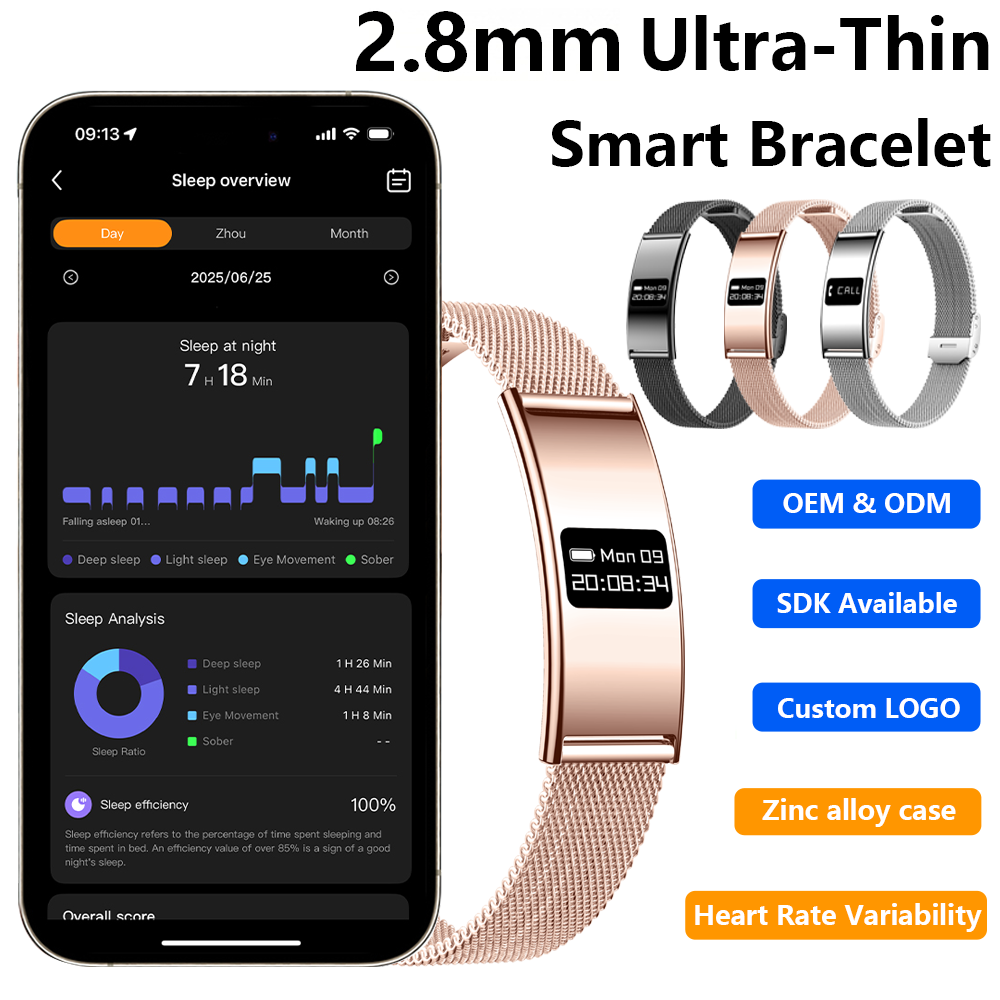
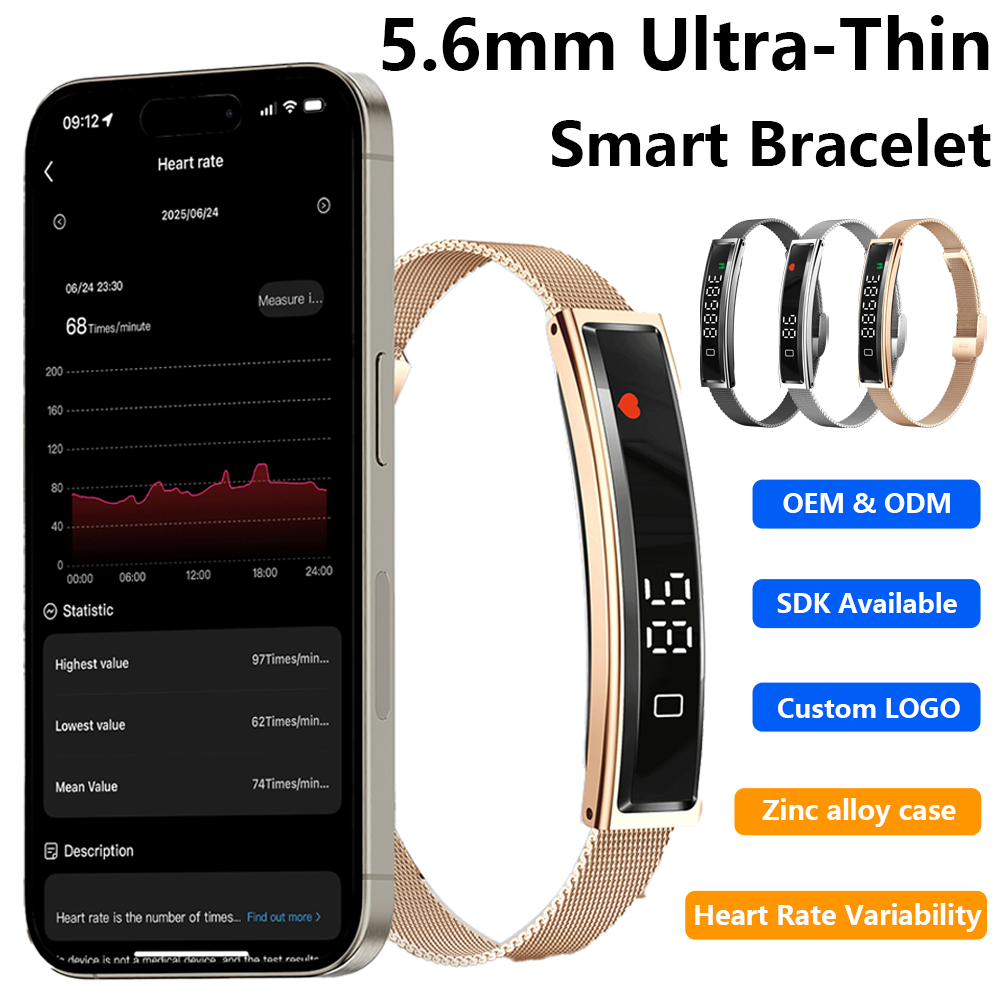
Turnkey Hardware Catalog
High-Precision Connected Wearables & Control Devices
Verified production-ready SKUs for private labeling, complete firmware customization, and international carrier compatibility.
Engineering Whitepaper
The Engineering Paradigm of Modern Fashion Smartwatches
Navigating the convergence of consumer jewelry aesthetics, hermetic waterproofing, and multi-sensor biomedical computing.
The global smartwatch market has transitioned from utilitarian step-counting gadgets into precision wrist instruments combining haute horlogerie finishing with preventive digital healthcare. For international brands, brand owners, and medical-technology distributors, navigating original equipment manufacturing (OEM) and original design manufacturing (ODM) requires an uncompromising balance between thermal dynamics, structural miniaturization, RF efficiency, and battery optimization.
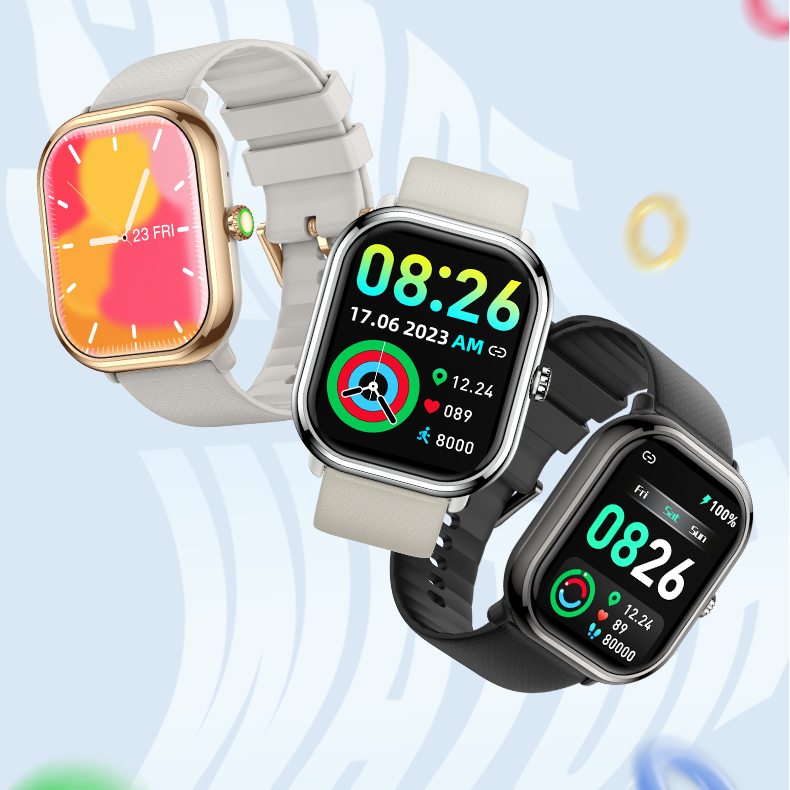
Modern fashion smartwatches demand extreme structural tolerances. Integrating a multi-wavelength PPG optical sensor stack, independent GPS chipsets, and dual Bluetooth audio chips within an ultra-thin chassis—often under 9mm overall thickness—presents unprecedented engineering friction. At Dongguan Brainox Technology, our Songshan Lake research and production cluster addresses these challenges through integrated multi-layer high-density interconnect (HDI) PCBA manufacturing, automated conformal polymer coating, and robotic laser welding.
Multi-Sensor Architecture: Optical PPG, Micro-Air Pumps, and ECG Circuits
In high-tier wearable hardware, signal-to-noise ratio (SNR) represents the dividing line between consumer novelties and clinically actionable wellness trackers. Optical photoplethysmography (PPG) arrays operating across green, red, and infrared spectral wavelengths must counter dark skin tone interference, motion artifacts, and sweat-induced optical refraction. Our custom optical front-end (AFE) chips feature up to 8 photodiode reception pathways, dynamic LED pulsing power management, and advanced ambient light cancellation algorithms.
For specialized medical-trend smartwatches, such as our air-pump blood pressure series, miniaturized piezoelectric micro-compressors inflate dual-layer silicone wrist bladders to measure oscillometric systolic and diastolic pressures with calibrated physical resistance, shifting away from inaccurate algorithmic guesswork. Simultaneously, our dry-electrode ECG architectures deliver single-lead differential voltage tracking up to 512Hz sampling rates, isolating P, QRS, and T electrical waves for reliable HRV (Heart Rate Variability) analysis.
Mechanical Miniaturization
Aero-grade aluminum alloys, surgical 316L stainless steel, and nano-crystalline ceramic chassis CNC-machined within micron tolerances to guarantee slim elegance without sacrificing structural rigidity.
Biometric Front-End Accuracy
Multi-spectral PPG sensors coupled with real-time biological machine learning noise-filtering models for reliable SpO2, stress tracking, and continuous cardiac surveillance during strenuous motion.
Hermetic Ingress Sealing
Automated dispenser dispensing of polyurethane adhesives paired with nano-membrane acoustical vents to exceed IP68 and 5ATM waterproof metrics for swimming, showering, and marine environments.
Strategic Market Intelligence
Future Procurement Trends in Wearable Ecosystems (2025–2030)
Crucial shifts enterprise procurement directors and brand incubators must anticipate before launching next-generation wearable hardware.
1. Rise of Screenless "Quiet Wearables"
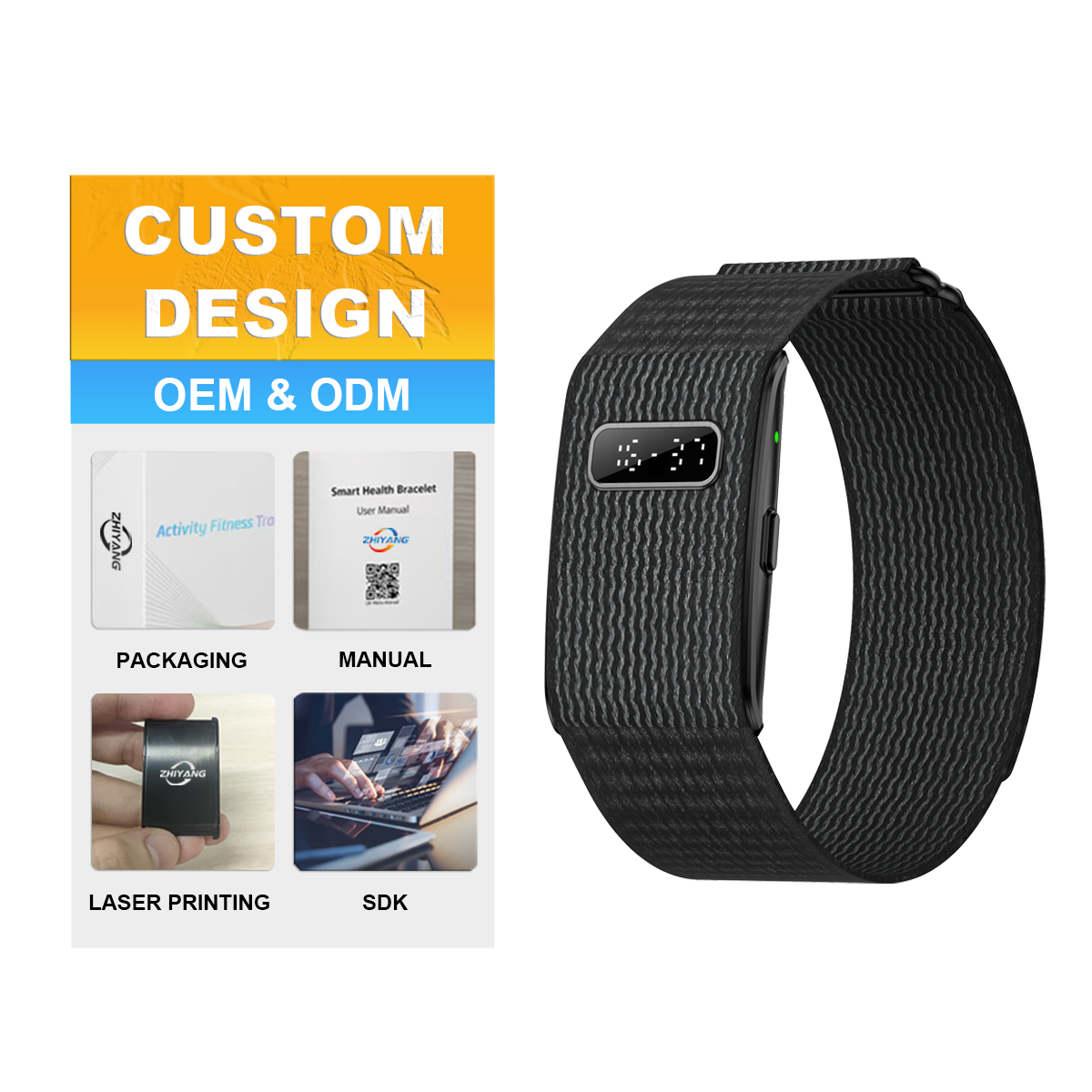
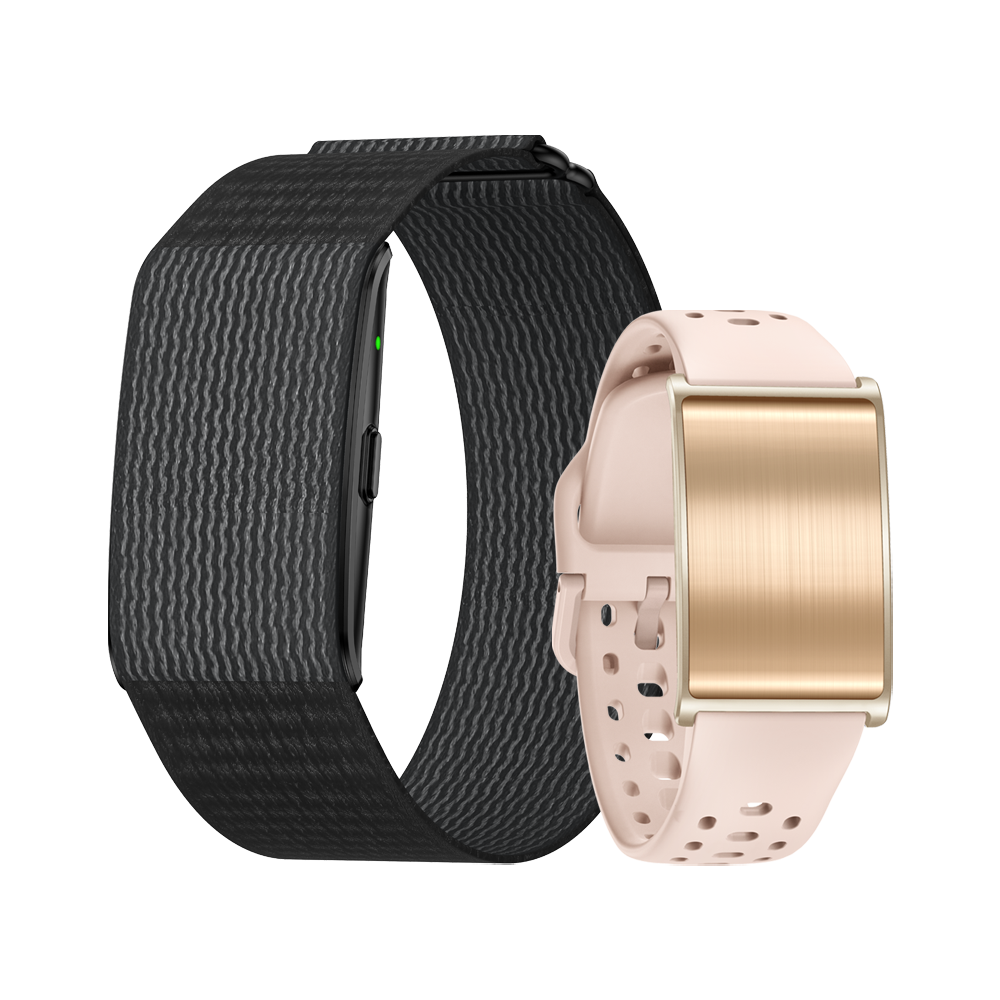
Consumers experiencing visual notification fatigue are fueling a rapid pivot toward screenless smart bands and smart rings. Brands are increasingly ordering screenless devices (like the H59 MAX series) to deliver continuous health monitoring, HRV analysis, and sleep phase detection with 30-to-50-day battery cycles, ideal for subscription-based corporate health ecosystems.
2. On-Device TinyML & Edge Processing
Rather than sending raw biometric data streams to cloud servers—which causes latency and consumes phone battery—procurement teams now demand smartwatches with edge-computing neural processing units (NPUs). Microcontrollers (MCUs) running lightweight TensorFlow Lite models can detect arrhythmia, falls, or sleep apnea cycles locally on the wrist.
3. Circular Economy & ESG Material Compliance
European and North American regulatory mandates (EU Battery Directive, RoHS 2.0, WEEE) are transforming B2B hardware requirements. Global buyers require modular mechanical enclosures that allow battery extraction and recycling, ocean-bound plastic straps, nickel-free casing metallurgy, and biodegradable, plastic-free retail packaging.
4. Clinical-Adjacent Diagnostic Features
The boundary between consumer fitness trackers and FDA/CE-MDR Class II certified wellness platforms is narrowing. Procurement roadmaps are heavily shifting toward non-invasive blood glucose trend tracking, continuous body temperature fluctuation sensors, and dual-inflatable micro-cuff blood pressure mechanisms to satisfy an aging demographic.
5. Standalone 4G/eSIM Independence
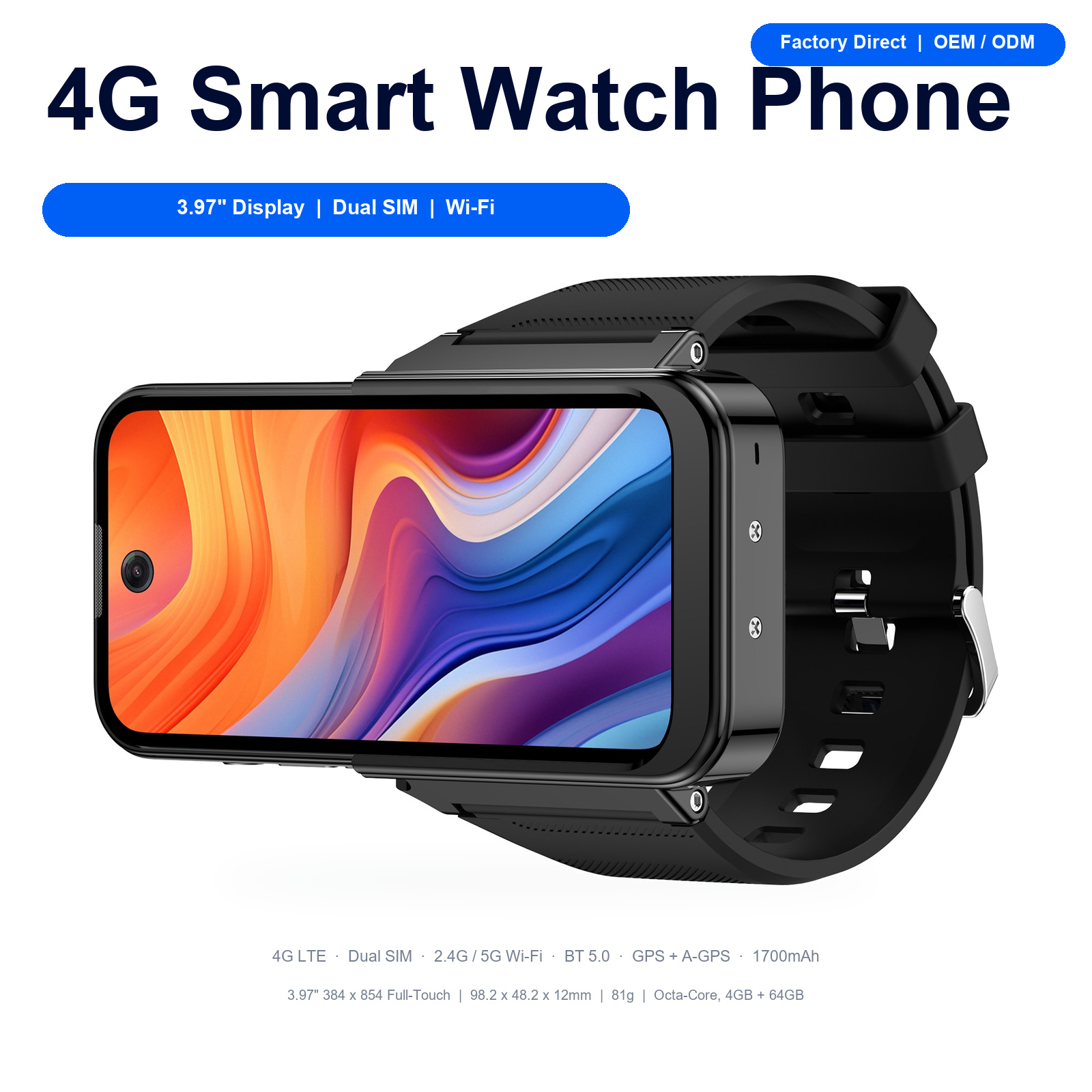
The reliance on smartphone tethering is rapidly declining. In emerging smart city infrastructure and senior telecare deployments, buyers demand standalone Android-powered micro-chassis equipped with eSIM/Nano-SIM slots, GNSS positioning, fall detection, and two-way VoLTE voice protocols for independent operation.
6. Bespoke White-Label App Customization
Procuring raw hardware is only half the battle. Enterprise buyers require complete software SDK/API hooks, companion apps compatible with iOS HealthKit and Google Health Connect, cloud server localization (AWS, Azure with GDPR compliance), and customized UI/UX themes without manufacturer watermarks.
Manufacturing Reliability
Dongguan Brainox Technology: Verified Factory Competence
Combining in-house mechanical engineering, rigorous firmware architecture, and a dedicated 19-procedure quality inspection laboratory.
Exhaustive 19-Step Quality Assurance Matrix
Procedure 01
IQC Component Screening
Spectrographic analysis of casing alloys, display optical luminescence testing, and incoming battery capacity sorting.
Procedure 02
RF & Bluetooth Calibration
Anechoic chamber RF sensitivity testing for Bluetooth 5.3 and 4G antenna radiation patterns to eliminate signal dead zones.
Procedure 03
Hermetic Air-Pressure Testing
Dry air differential pressure decay tests on 100% of manufactured units to verify IP67, IP68, or ATM sealing prior to fluids.
Procedure 04
Thermal Shock Cycling
Rapid thermal transfers from -20°C to +60°C within programmable climate chambers to prevent display delamination.
Procedure 05
Salt Spray Corrosion Test
Continuous 48-hour neutral salt mist exposure verifying the corrosion resistance of metal cases, buckles, and Pogo pins.
Procedure 06
Electrostatic Immunity (ESD)
Contact discharge ±4kV and air discharge ±8kV to ensure internal microcontroller circuits withstand static surges.
Procedure 07
Mechanical Tumble Drop
Automated tumble drum testing simulating thousands of 1-meter free drops onto steel plates to verify solder joint integrity.
Procedure 08
72-Hour Full-Load Burn-In
100% of finished assemblies run continuous display, sensor polling, and processor load cycles to eliminate infant mortality.
Launch Your Custom Wearable Hardware Program
Whether you require minor brand logo customization on ready-to-ship models or full-scale ODM tooling from industrial ID drawings, our engineering team in Songshan Lake is ready to review your PRD.
Inquire Now
Procurement Clarity
Frequently Asked Questions on OEM/ODM Smartwatch Sourcing
Detailed technical, compliance, and logistical clarifications for B2B procurement managers and consumer brand founders.
What is the clear technical distinction between OEM and ODM engagements for smartwatches?
OEM (Original Equipment Manufacturing) involves utilizing existing, validated hardware chassis, PCBA layouts, and injection molds developed by Brainox. Your brand customizes cosmetic finishes (PVD coating colors, bezel laser engravings, strap materials like fluoroelastomer or Italian leather), companion app branding, startup boot screens, and custom retail gift boxes. This reduces lead times to 15–25 days with low MOQs (typically 500–1,000 units).
ODM (Original Design Manufacturing) represents a ground-up development contract. You provide the industrial design (ID), mechanical design (MD), or specific biomedical performance requirements. Brainox executes tooling, custom PCBA design, antenna matching, firmware kernel development, and global regulatory certification (CE, FCC, RoHS). ODM cycles typically range between 90 and 150 days from concept approval to mass tooling sign-off.
How does Brainox ensure cellular and frequency band compatibility for 4G LTE smartwatches?
Global cellular standards differ substantially across regions (e.g., European bands B1/B3/B7/B20 versus North American bands B2/B4/B5/B12/B66). For 4G watch phones such as the PG999 or elder-safety series, our RF engineers design region-specific PCBA variants integrating certified Quectel or UNISOC cellular basebands. Prior to sampling, clients submit their destination country and preferred carrier networks (e.g., Vodafone, AT&T, T-Mobile, Claro). We match frequency configurations, verify VoLTE profile handshakes, and provide carrier-specific test units to prevent SIM rejection or connection drops.
What testing procedures validate genuine water resistance (IP68 vs. 3ATM vs. 5ATM)?
Water resistance claims often lead to warranty returns if not properly tested. IP67 and IP68 ratings are governed by IEC 60529 and primarily test against static water ingress at shallow depths (1 to 1.5 meters for 30 minutes). However, dynamic water movement (swimming strokes, high-velocity water jets) creates kinetic pressure peaks. For sports watches destined for swimming, we perform dual verification: first, non-destructive air-pressure differential decay testing to inspect acoustic membranes and rubber O-rings; second, pressurized water tank immersion to 50 meters hydrostatic equivalent pressure (5ATM) according to ISO 22810 standards.
What software, SDK, and API customization support is provided for white-label apps?
Hardware is incomplete without a cohesive software experience. Brainox offers three levels of software integration:
1) Turnkey Re-skinning: Modifying existing iOS and Android companion apps with your corporate color palette, vector logos, app store descriptions, and privacy policy URLs.
2) Standard API & SDK Access: For insurance providers or tele-health operators who maintain proprietary mobile platforms, we supply native iOS and Android SDK libraries and Bluetooth protocol documentation to pull biometric telemetry (heart rate, step counts, ECG readings, SpO2) directly into your platform.
3) Cloud Server Localization: Ensuring database sync complies with GDPR, HIPAA, and regional data sovereignty regulations through client-designated cloud instances.
What is the standard testing and certification path for international trade compliance?
Exporting connected smart electronics requires meticulous regulatory dossiers. For the European Union, devices must clear CE-RED (Radio Equipment Directive 2014/53/EU), RoHS 2.0 (lead, mercury, cadmium restrictions), and REACH SVHC declarations. For the United States, FCC Part 15 Subpart C (for Bluetooth low energy) and Subpart B (unintentional radiators) testing reports are mandatory. Because smartwatches house rechargeable lithium polymer battery cells, international freight forwarders also demand UN38.3 lithium battery transportation certification, 1.2-meter drop test reports, and MSDS (Material Safety Data Sheets). Brainox coordinates testing through recognized notified bodies such as SGS, TÜV, and Intertek.
What are the minimum order quantities (MOQ), production lead times, and sample policies?
For standard OEM private labeling (custom logo on case, customized packaging, firmware boot logo), our entry-level MOQ starts at 500 to 1,000 units per model depending on the display technology (AMOLED vs. TFT). Functional evaluation samples are dispatched within 3 to 7 working days via DHL or FedEx. Once the golden sample is officially signed off and pre-production deposit secured, mass production lead times typically range from 25 to 35 calendar days, inclusive of 72-hour aging and strict AQL 1.0/2.5 pre-shipment inspections.
Need a direct quote or technical feasibility review for an upcoming custom wearable project?
Inquire Now