Engineered For Quality & Market-Ready Scalability
From micro air-pump oscillometric sensors to ultra-low-power screenless bands and smart accessories, explore our precision-manufactured OEM/ODM platforms.
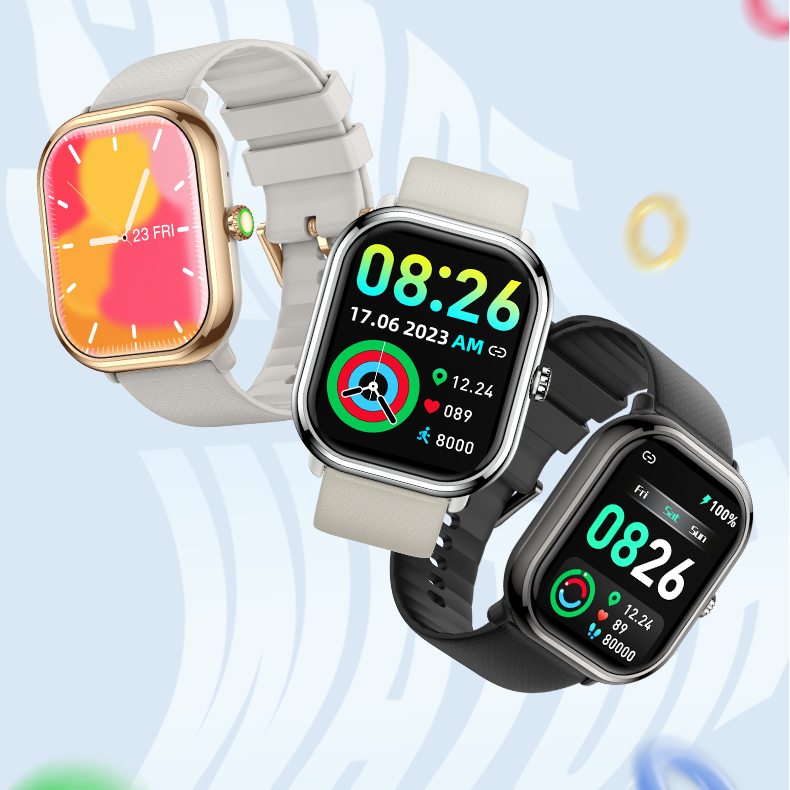
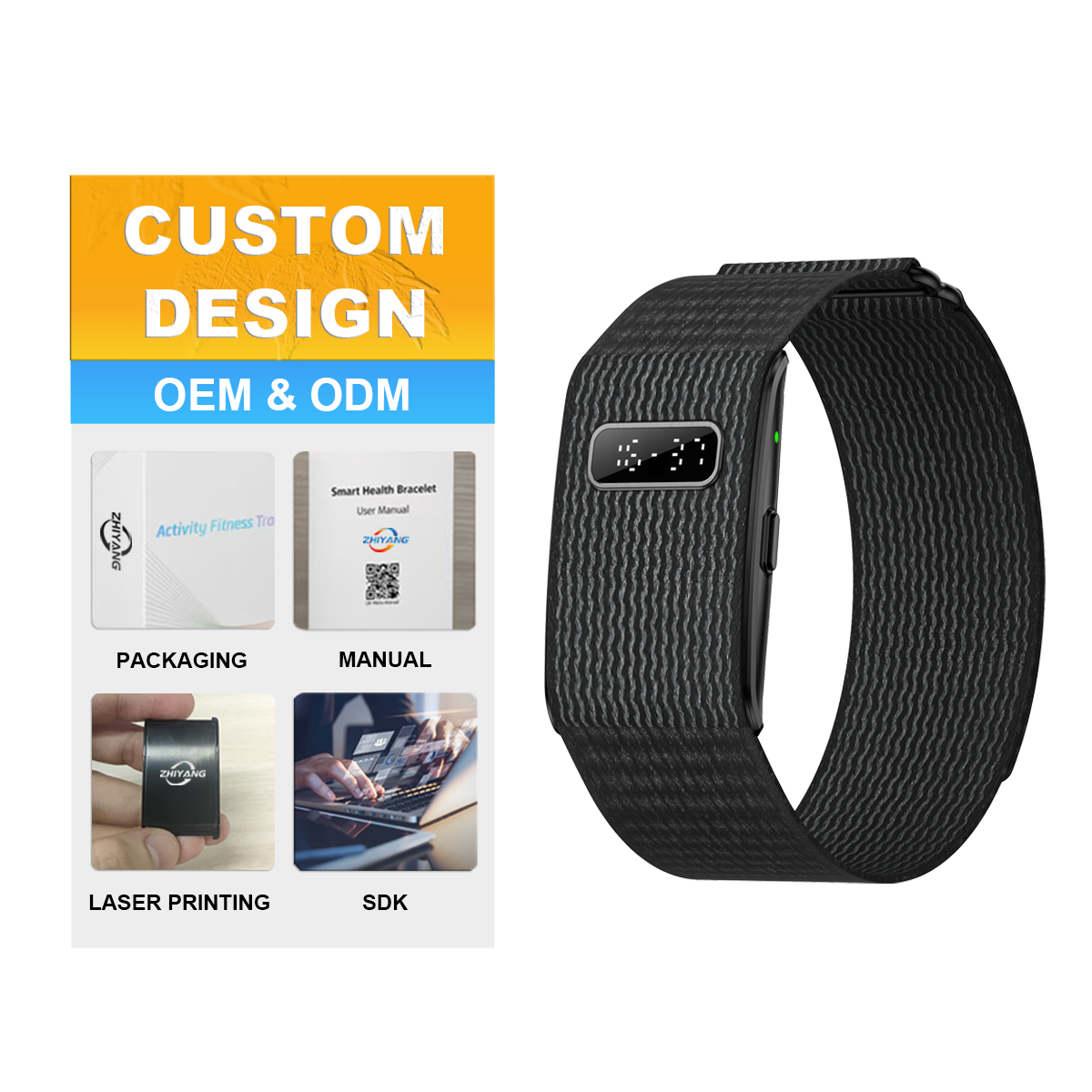
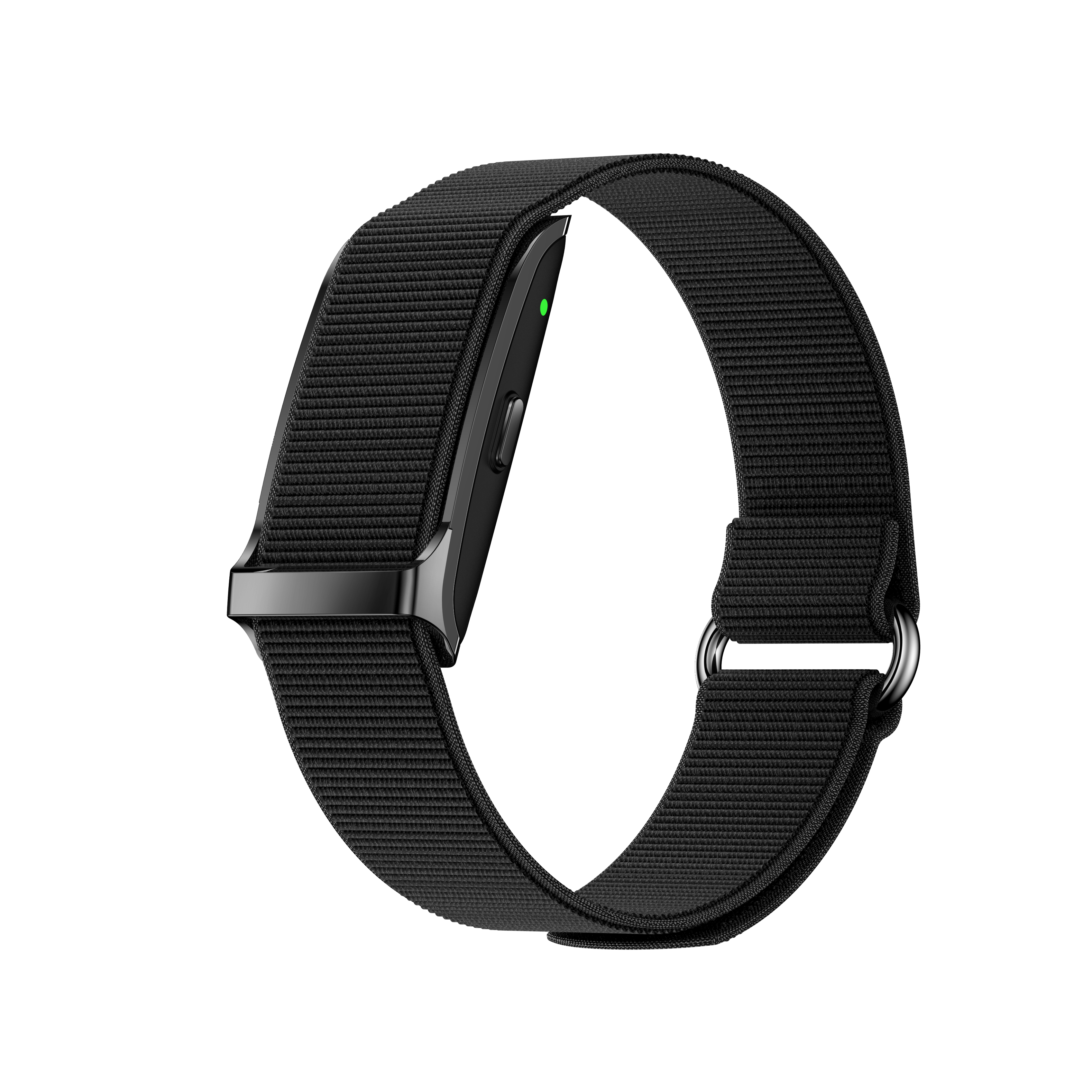
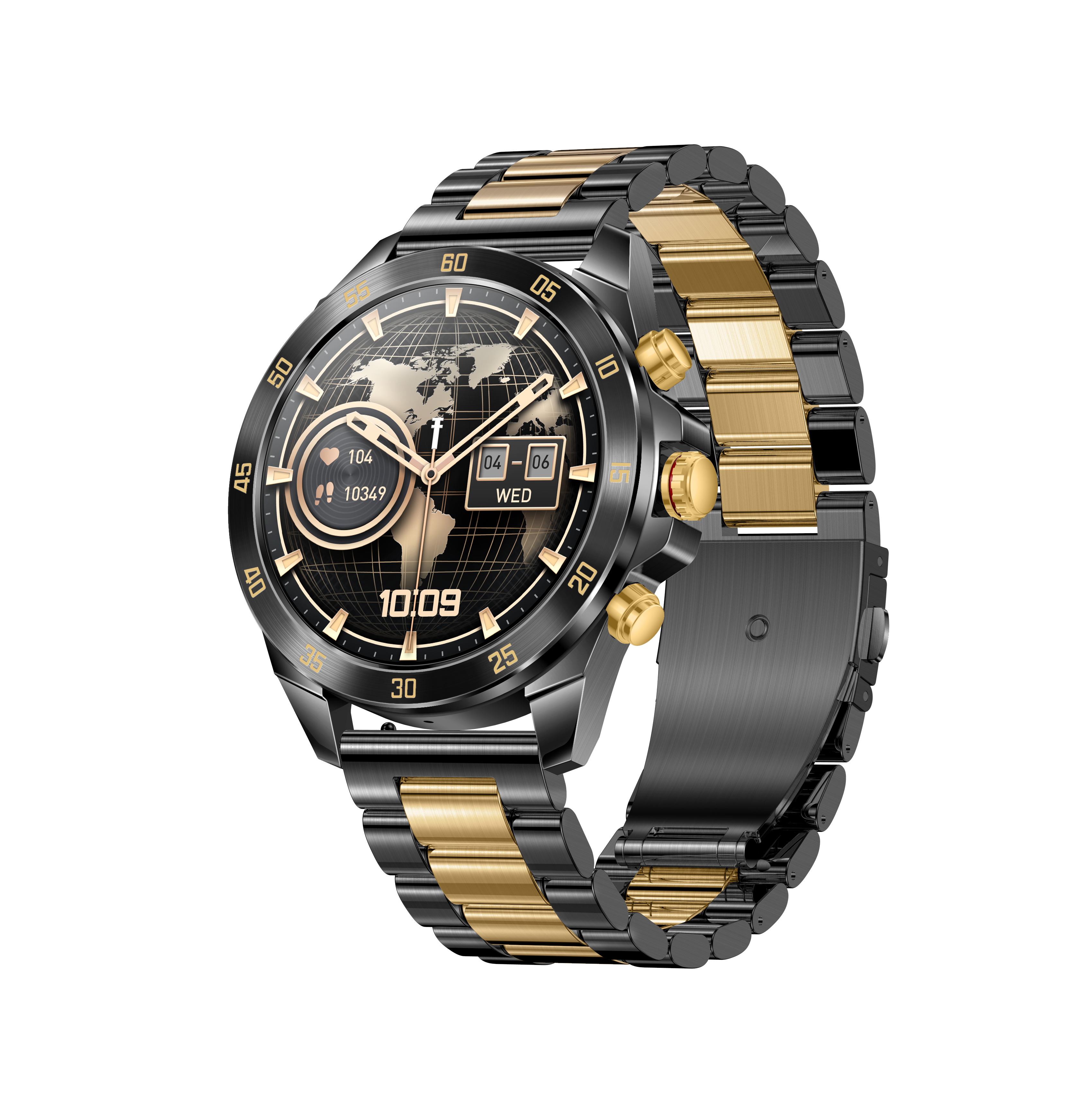
Dongguan Brainox Technology: SGS-Certified Quality Ecosystem
Situated in Songshan Lake, the heart of Dongguan’s wearable tech hub, we integrate tier-1 component sourcing with rigorous precision engineering.
19-Procedure Laboratory QC
Every single batch passes comprehensive IQC, Bluetooth RF tuning, waterproof vacuum tests, battery aging racks, drop and ESD endurance testing, hi-pot resistance checks, and programmable thermal humidity cycling.
Global Regulatory Compliance
Models are engineered to achieve strict international conformity including CE-RED, RoHS, FCC ID, and battery logistics documentation (UN38.3, MSDS) for risk-free import clearance worldwide.
Full-Stack OEM/ODM & Open SDK
From industrial ID housing design, tooling fabrication, and PCB circuit layout to customized boot screens, firmware algorithms, multi-language localization, and open BLE health data SDK integration.
Strategic Procurement Whitepaper: Smart Wearable Architecture (2025–2030)
As the smart wearable market matures from consumer novelty into institutional preventive health tools and specialized IoT endpoints, B2B procurement managers and consumer brands face higher technical barriers. To achieve superior ROI and safeguard brand reputation, sourcing teams must navigate sensor accuracy, power budget optimization, and cloud ecosystem security.
1. The Shift to Clinical-Grade Accuracy vs. Optical Trend Estimation: Early smart watches relied exclusively on single-wavelength Photoplethysmography (PPG) sensors to measure heart rate, which often resulted in severe motion artifacts. Modern OEM designs demand dual-wavelength optical arrays combined with medical-grade ECG leads (single-lead Einthoven triangle configurations) and micro air-pump cuffs for true oscillometric blood pressure readings. For commercial buyers launching telehealth or insurance-linked products, specifying true air-pump physical occlusion sensors over purely algorithmic optical estimations prevents customer dissatisfaction and compliance litigation.
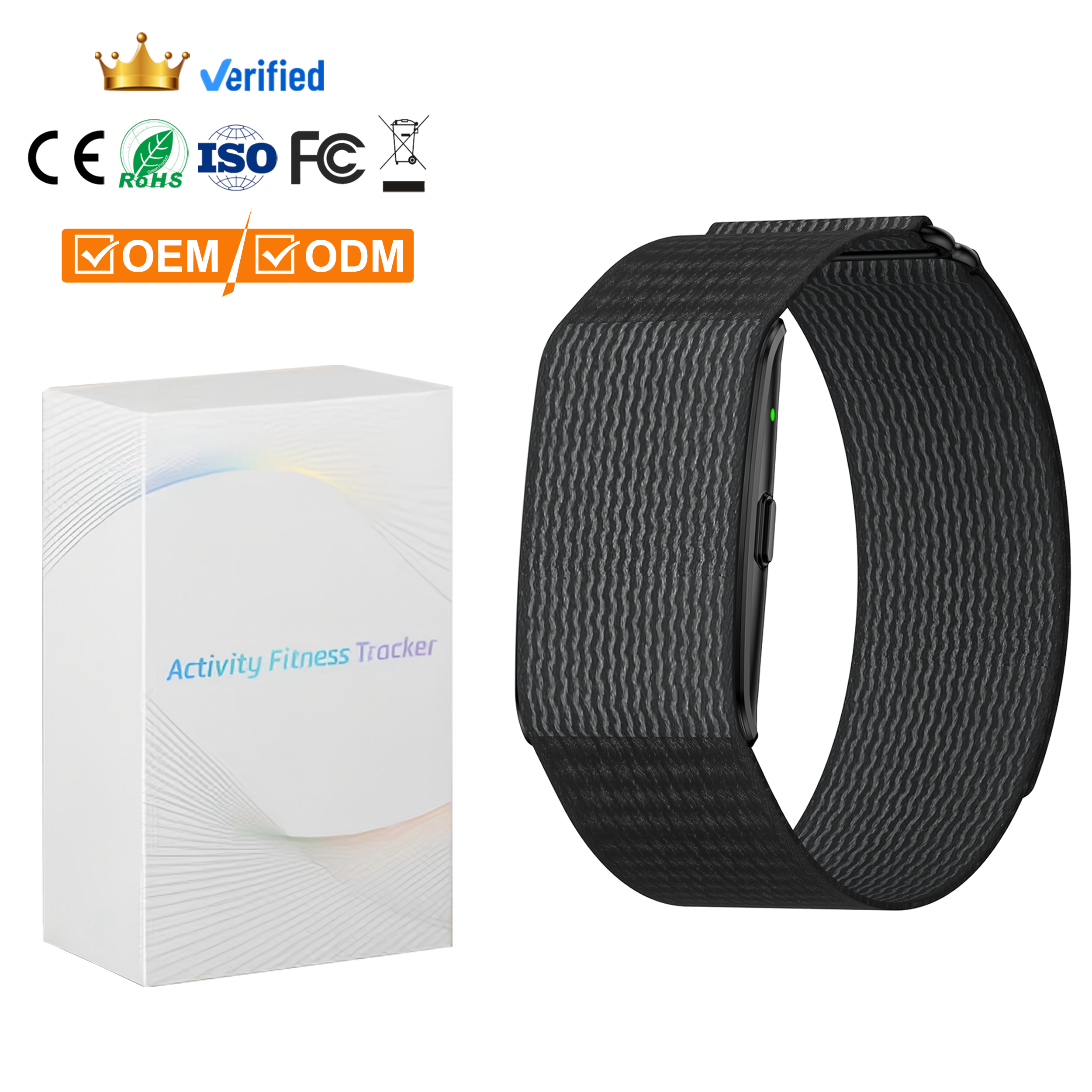
2. Screenless Health Trackers & Continuous Longevity Architectures: A massive procurement trend is emerging in corporate wellness, clinical trials, and subscription-driven fitness: the rise of screenless health trackers (exemplified by the H59 and H59Pro series). By eliminating power-hungry AMOLED or IPS display panels, device standby extends from 48 hours to over 30–50 continuous days on a compact 180mAh cell. This dramatic reduction in charge cycles yields unparalleled data integrity for continuous biometric tracking.
| Architecture Type | Sensor Configuration | Battery Life Cycle | Optimal B2B Application | OEM Sourcing Checklist |
|---|---|---|---|---|
| Oscillometric Health Watch | Micro Air-Pump + Cuff + ECG + SpO2 | 5 – 7 Days Continuous | Senior Care, Hypertension Monitoring | Verify cuff valve pressure decay and CE/FDA medical classification scope. |
| Screenless Biometric Band | Multi-axis Accelerometer + Dual PPG | 30 – 50 Days Standby | Corporate Wellness, Clinical Research | Require Bluetooth BLE 5.2/5.3 SDK and RAW data stream API access. |
| 4G LTE Watch Phone | Cat-1 / Cat-M1 modem + GPS/LBS + Fall SOS | 24 – 48 Hours Active | Lone Worker, Kids & Alzheimer's Safety | Confirm regional carrier RF band alignment (B1/B3/B7/B20 etc.) & VoLTE protocol. |
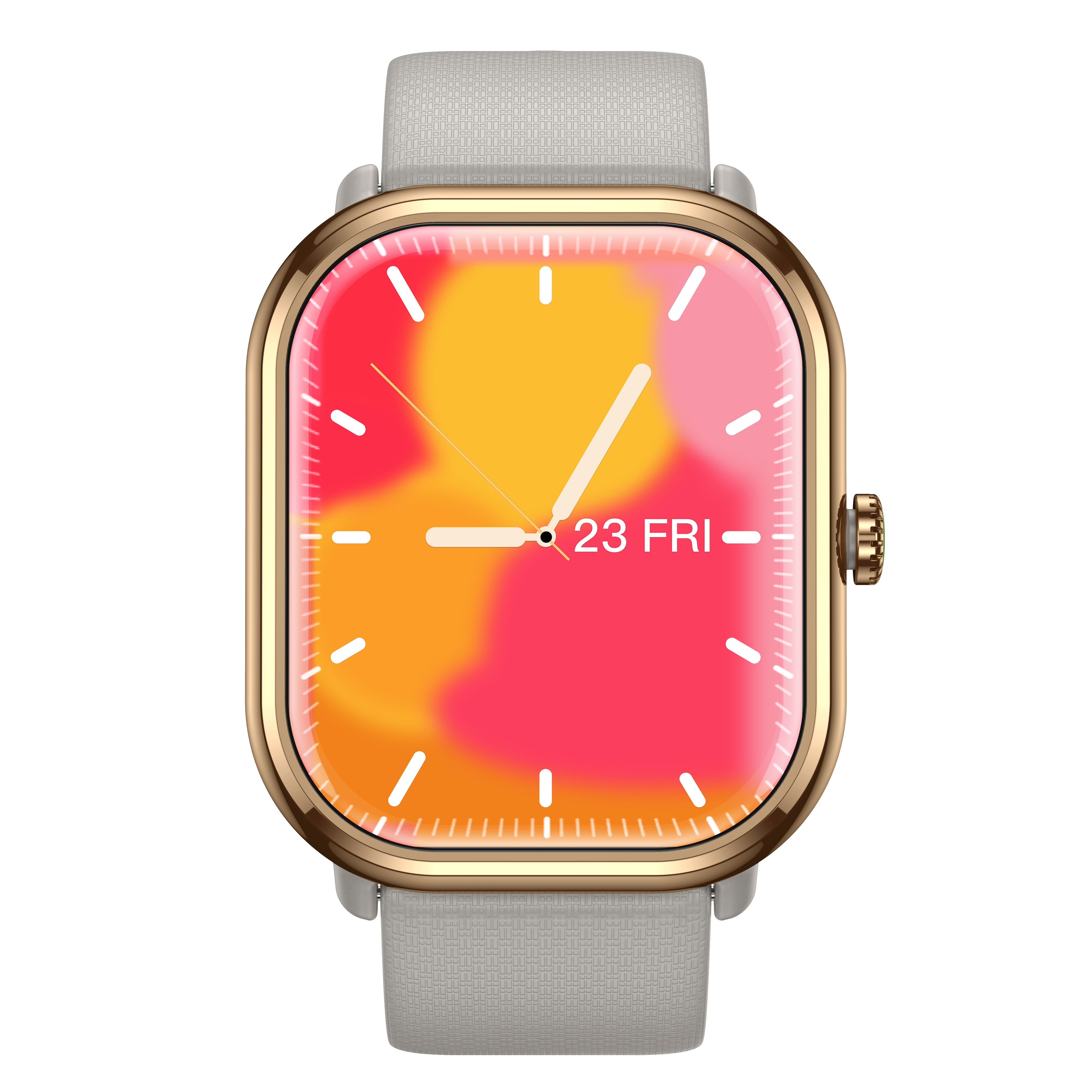
| AMOLED Bluetooth Calling | Retina Touch Display + BLE Audio SoC | 7 – 12 Days Typical | Consumer Electronics Brands, Retail Chains | Check cover glass surface hardness (>6H) and casing corrosion resistance. |
3. Micro-Firmware Localization & Intellectual Property Protection: A major challenge in scaling an OEM watch business is software stabilization. Brainox provides custom compiled firmware supporting over 16 global languages, custom UI navigation styles, and custom companion mobile apps (iOS and Android). Private labeling also includes secure hardware hashing, preventing unauthorized third-party flashing and securing proprietary algorithm IP.
Frequently Asked Questions for B2B Importers
Key technical and commercial answers directly from our quality engineering and trade desk.