Top-Tier AMOLED & Biosensing Smartwatch Recommendations
Source high-yield wearable architectures engineered for low power consumption, high-resolution optical fidelity, and reliable biometric tracking. Verified production runs with flexible MOQ.
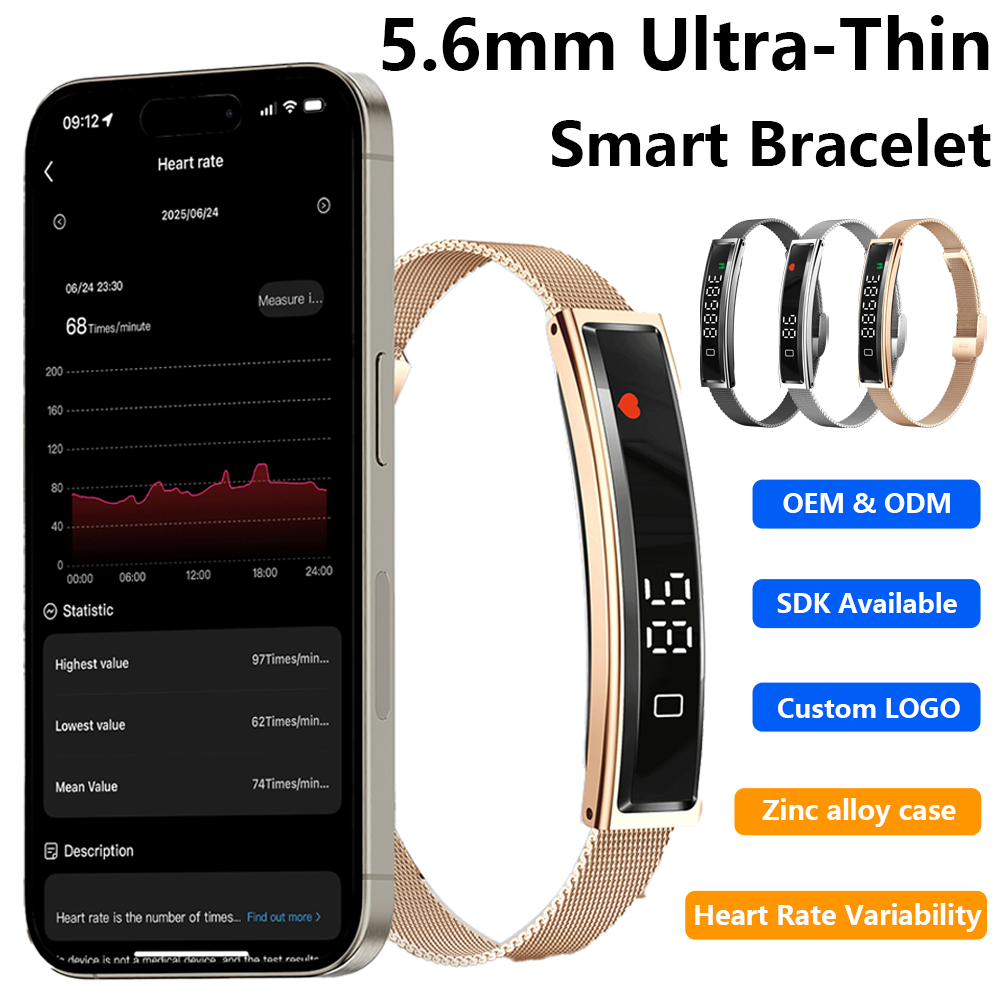
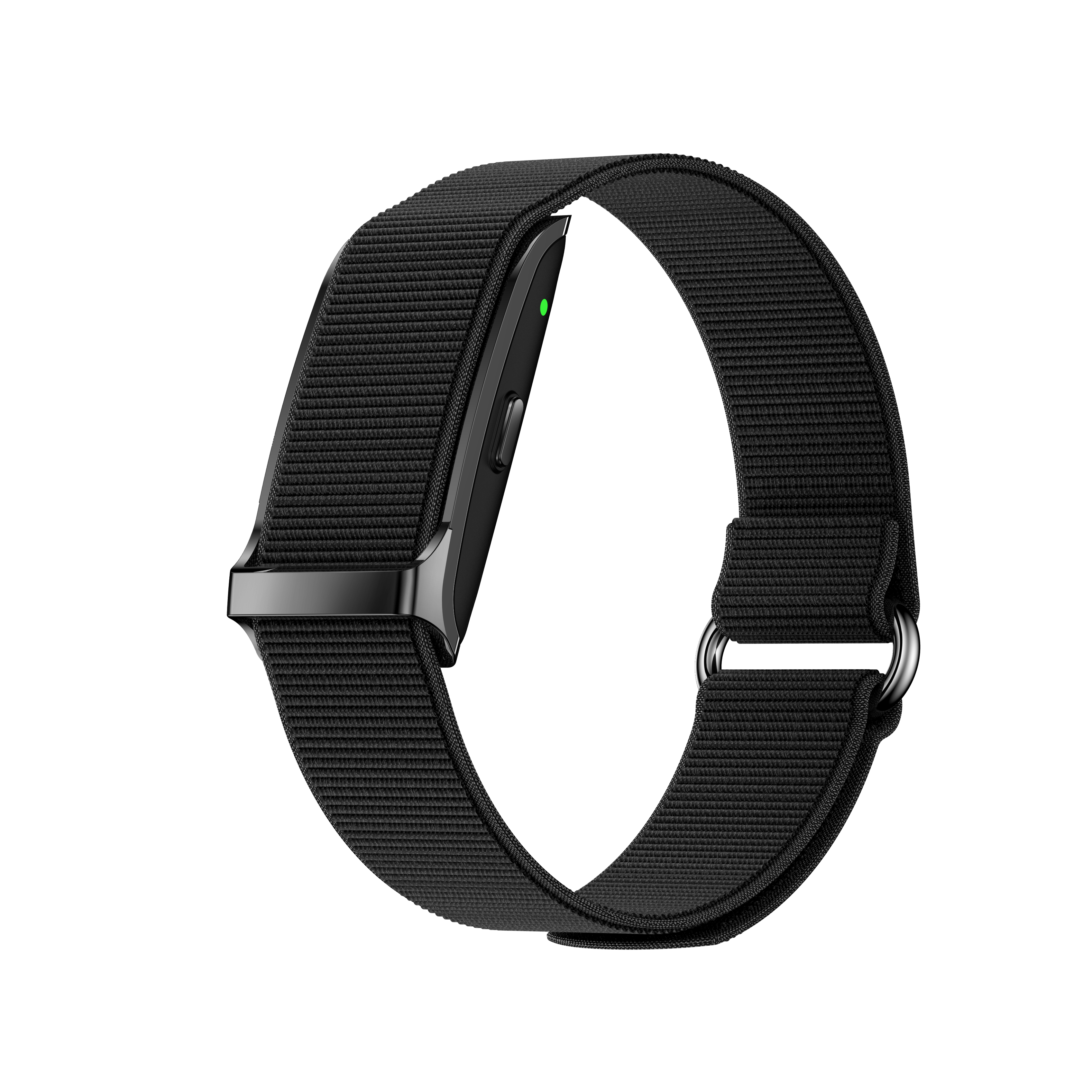
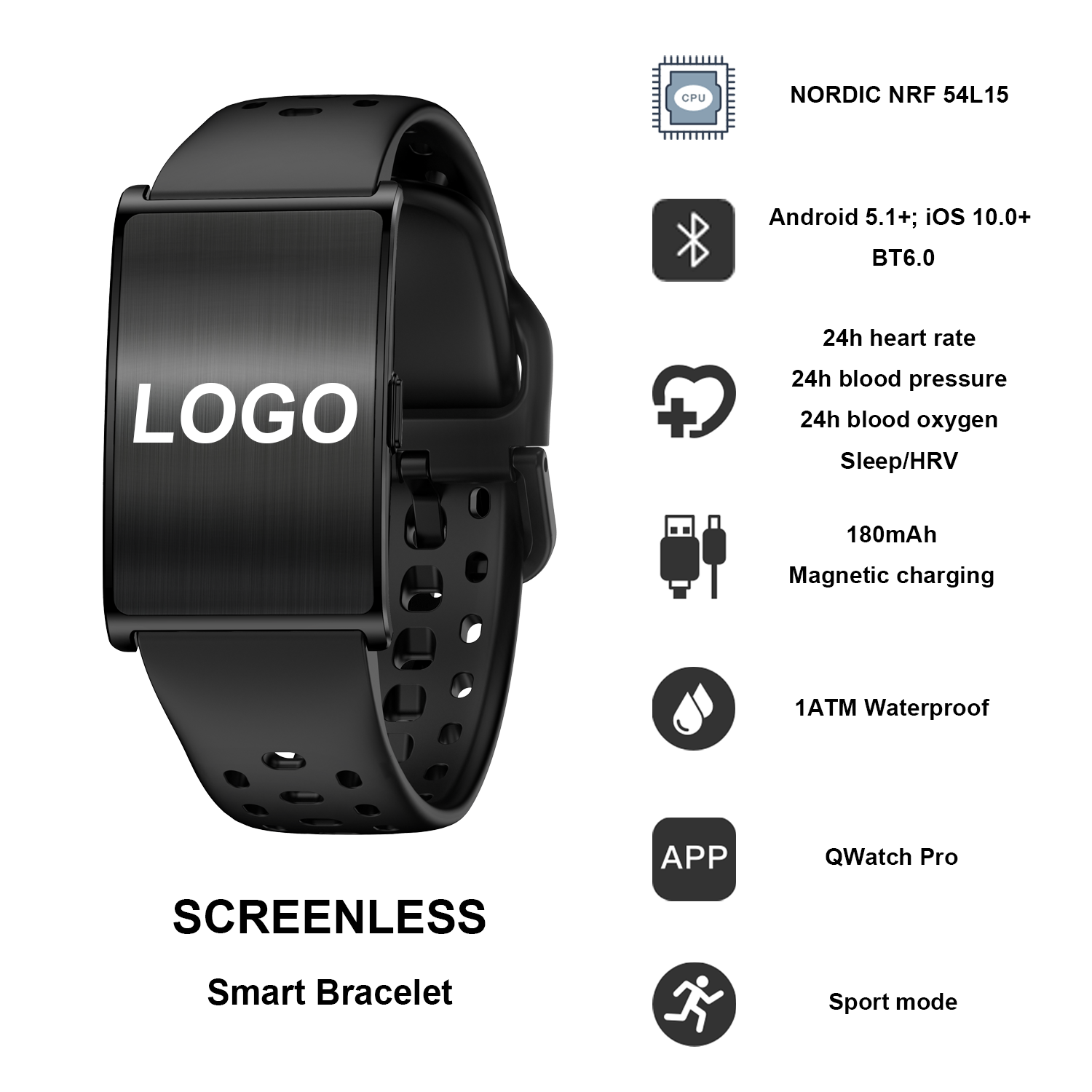
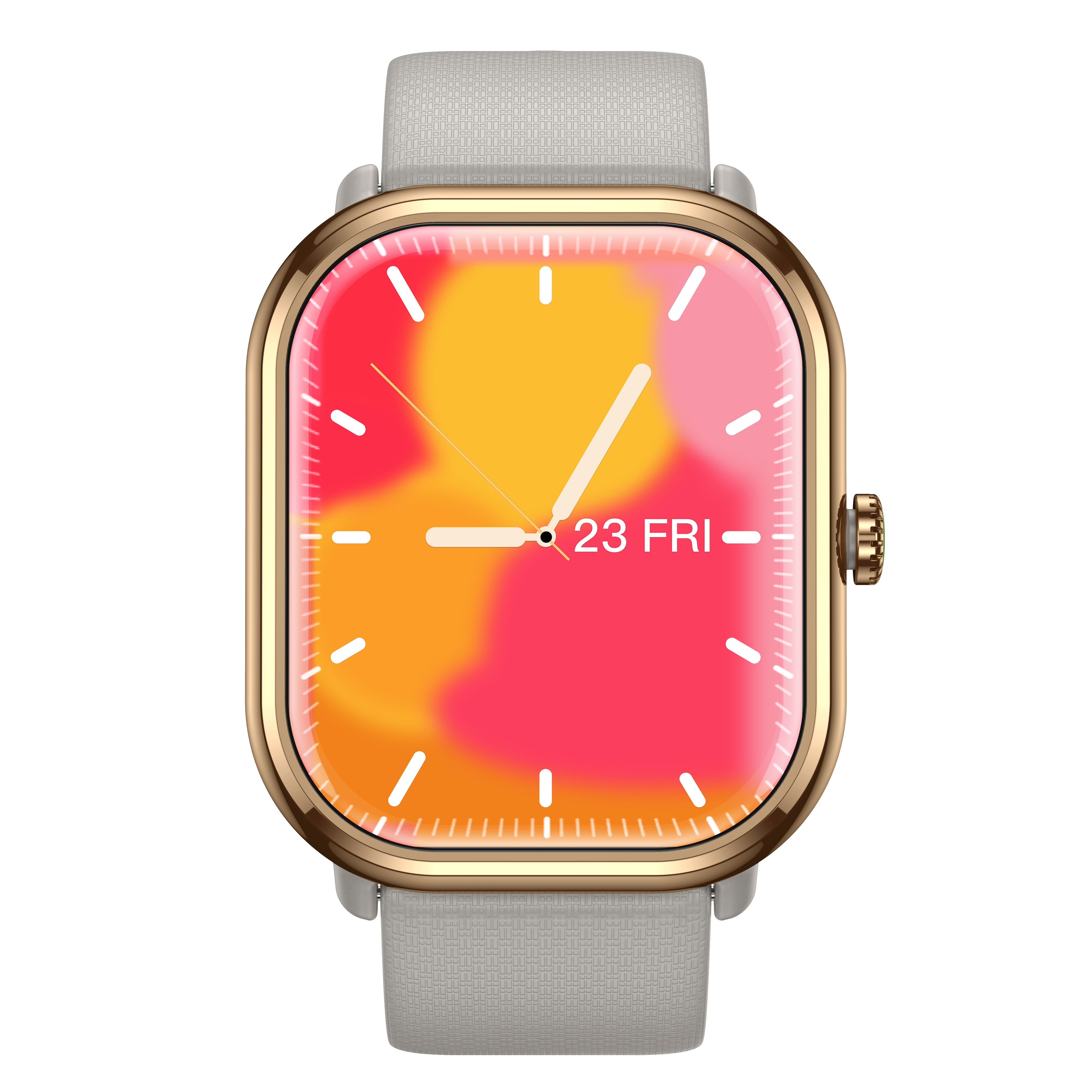
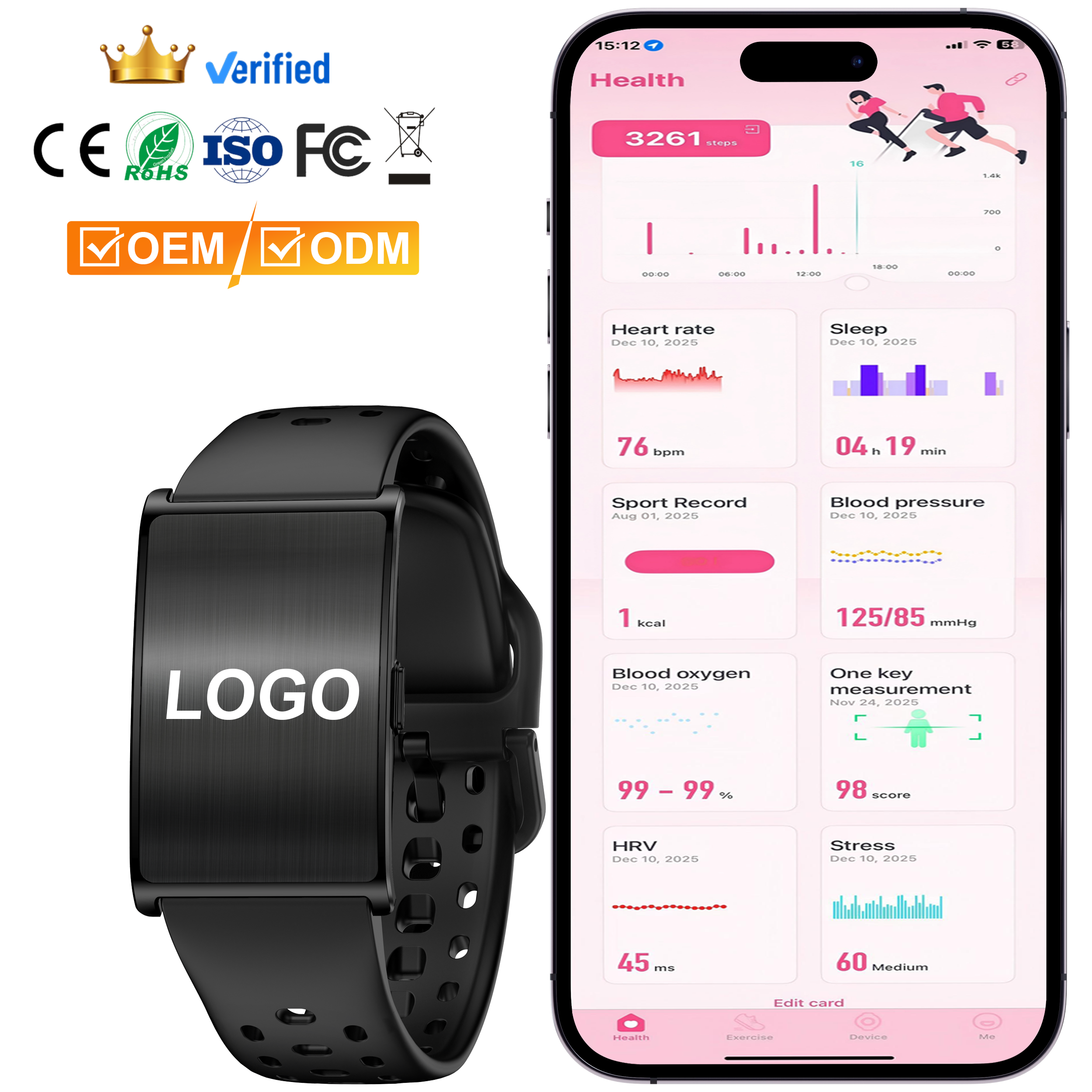
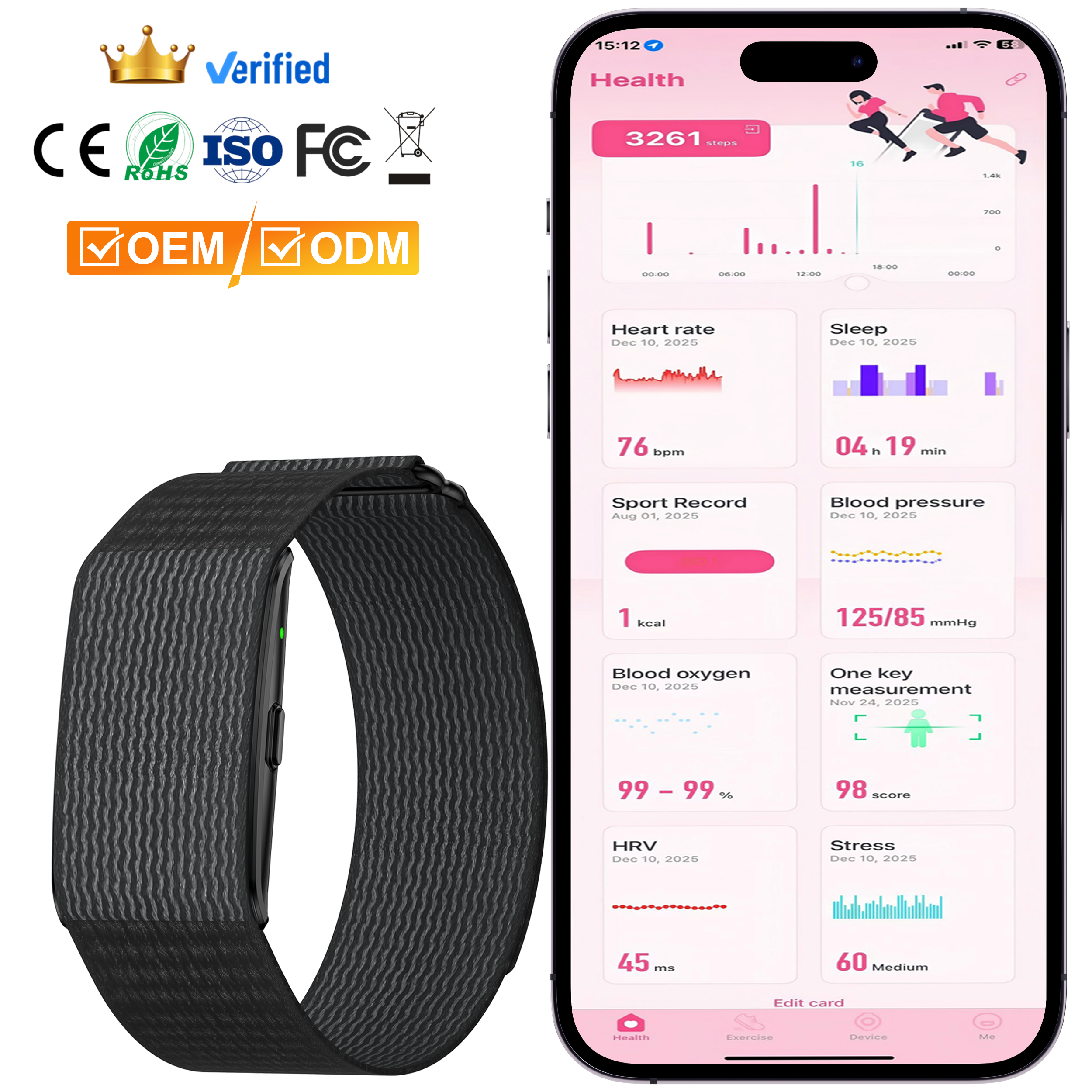
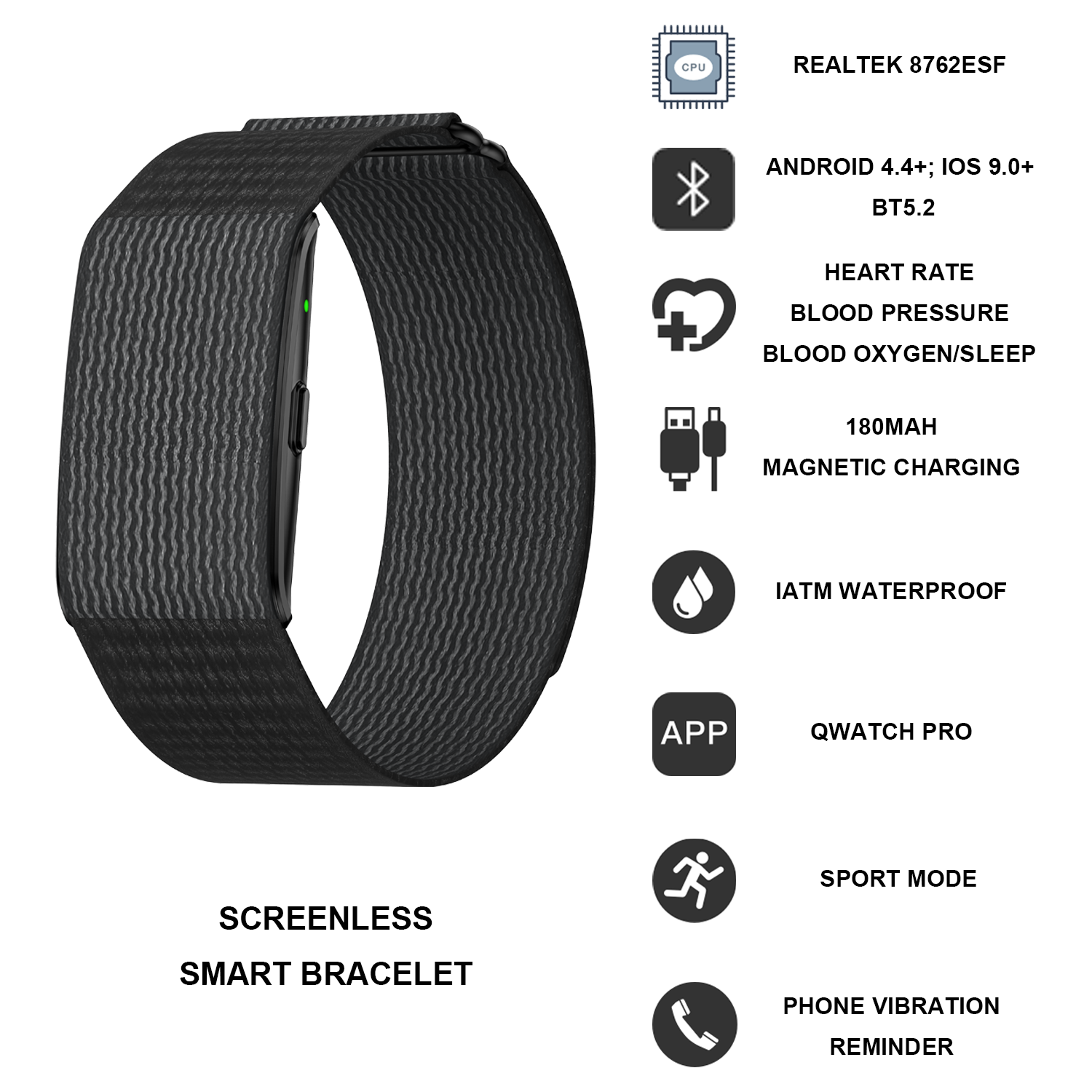
Dongguan Brainox Technology: SGS On-Site Verified Manufacturing
Operating at the epicenter of global smart wearable production, Dongguan Brainox Technology Co., Ltd. delivers institutional-grade supply reliability, strict ISO alignment, and proprietary testing workflows.
Headquartered at Room 508, Building 1, No. 6 Industrial South Road, Songshanhu Park, Dongguan, Guangdong, China, Brainox integrates comprehensive R&D with vertical manufacturing execution. As an SGS on-site audited Multispecialty Supplier, we bridge the gap between high-precision optical assembly and rugged structural engineering. The Greater Bay Area hardware cluster allows our production lines to source tier-one active-matrix organic light-emitting diode (AMOLED) driver ICs, premium sapphire glass coverings, and medical-grade silicone elastomers with negligible lead-time overhead.
Unlike conventional contract assemblers, Brainox maintains deep architectural mastery across four distinct customization tiers: minor graphical UI re-skinning, mechanical enclosure tooling, deep firmware algorithmic fine-tuning (PPG filtration, step rejection, arrhythmia detection), and full-scale ground-up turnkey development. Each project is managed by certified sales engineers who evaluate bill-of-materials (BOM) trade-offs, antenna RF transmission integrity, and regional spectrum compliance prior to mass production.
Engineered for Zero RMA: 19 Documented Quality Test Procedures
Every shipment undergoes exhaustive mechanical, electrical, environmental, and hermetic stress testing within our certified Dongguan laboratory facilities.
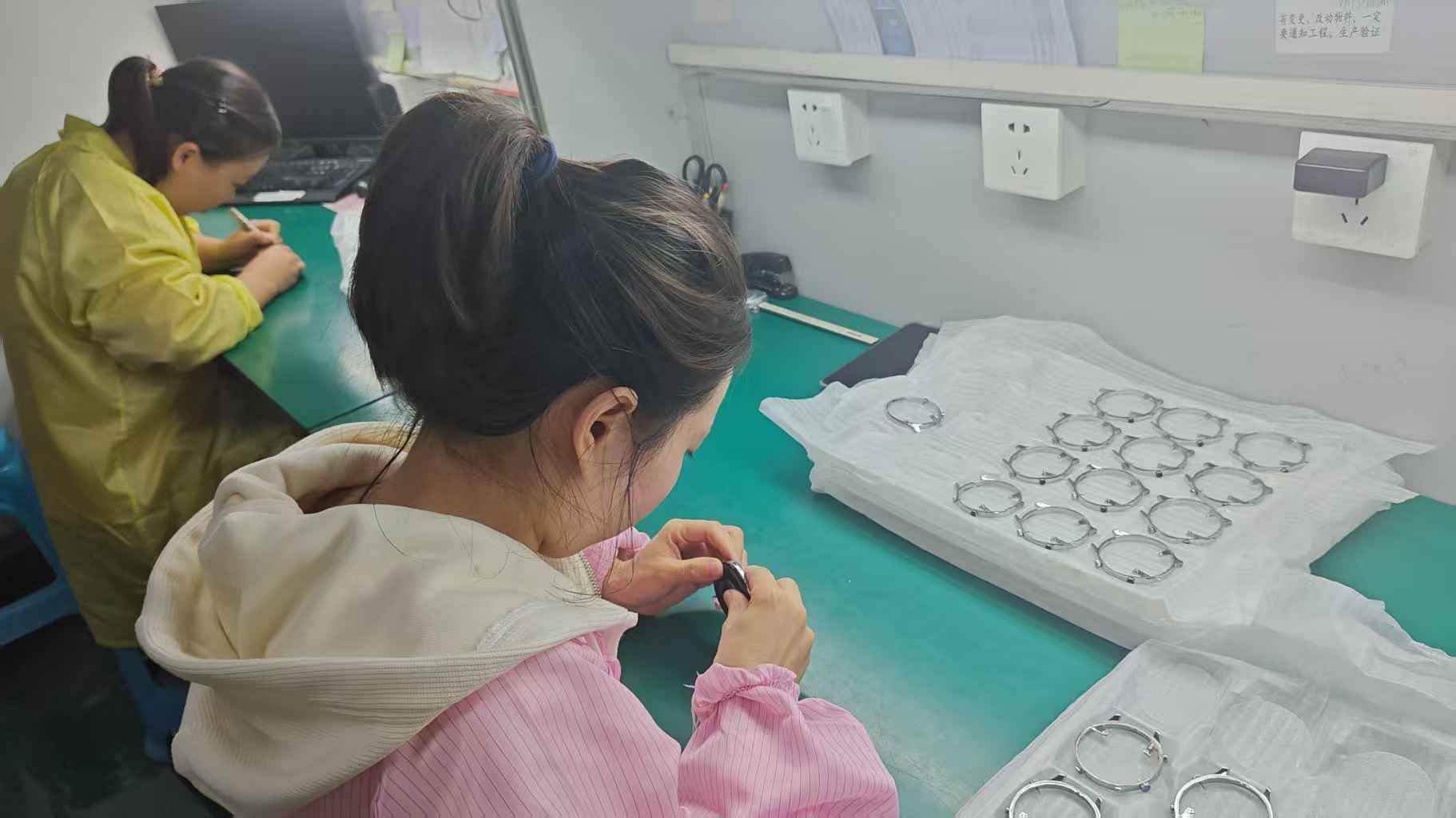
01. Strict IQC Screening
Microscopic inspection of raw AMOLED panels, battery pouch chemistry, and precision PCB traces.
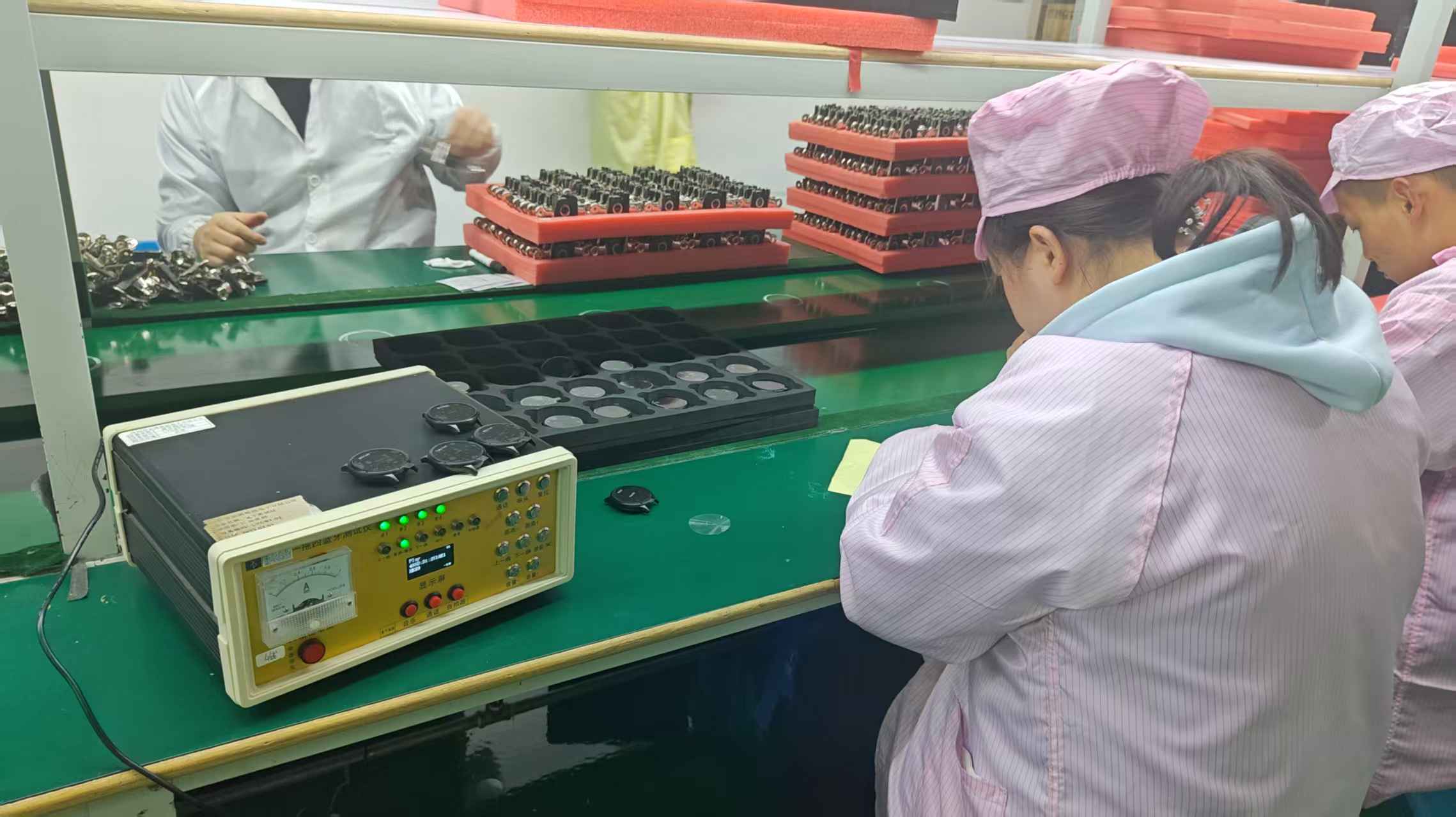
02. RF & BLE Connectivity Test
Validates 2.4GHz BLE 5.3/6.0 transmission range, packet latency, and dual-mode BT audio fidelity.
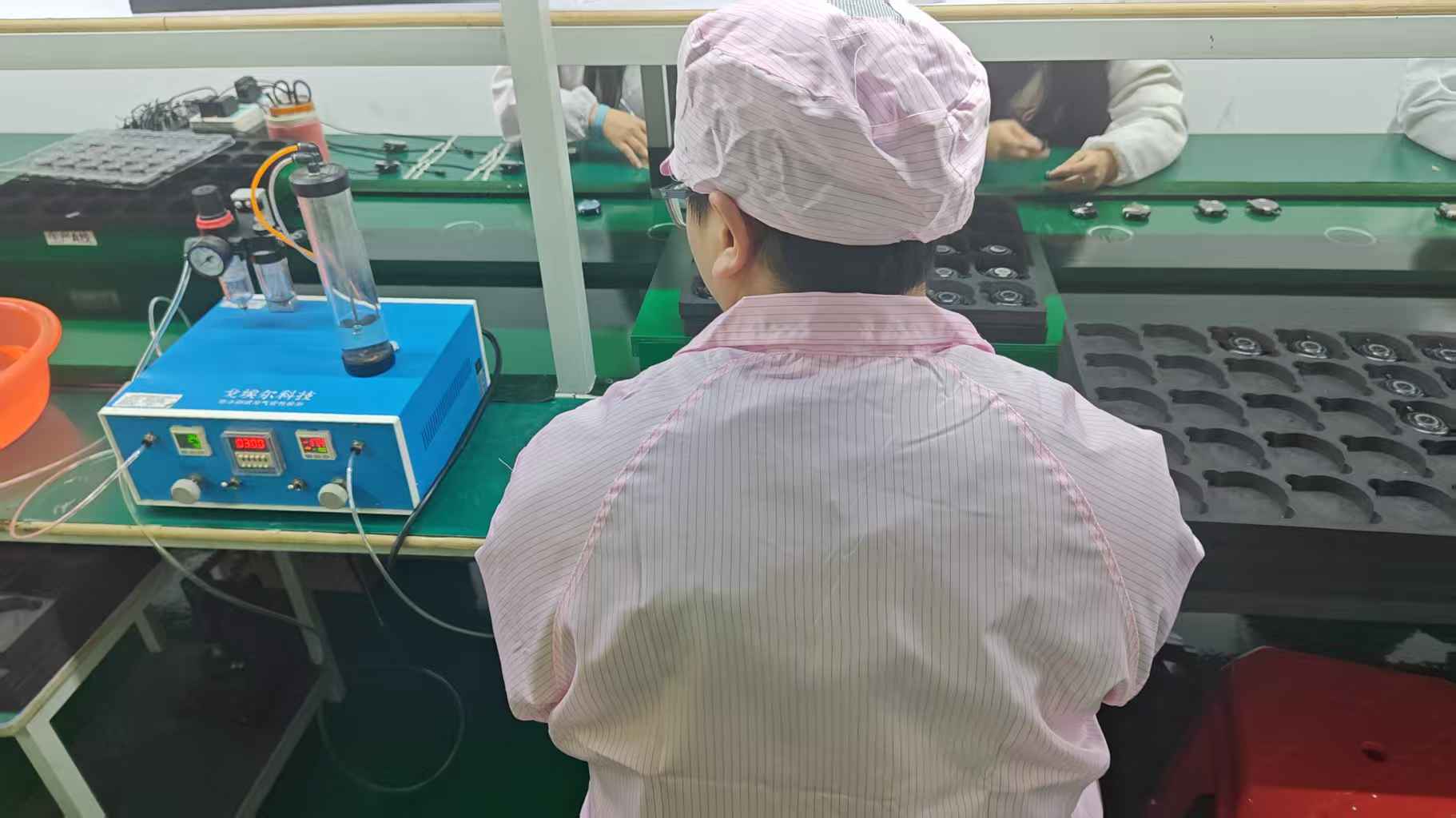
03. Hydrostatic Testing
Hydrostatic immersion testing verifying dynamic 1ATM to 5ATM enclosure waterproofing.
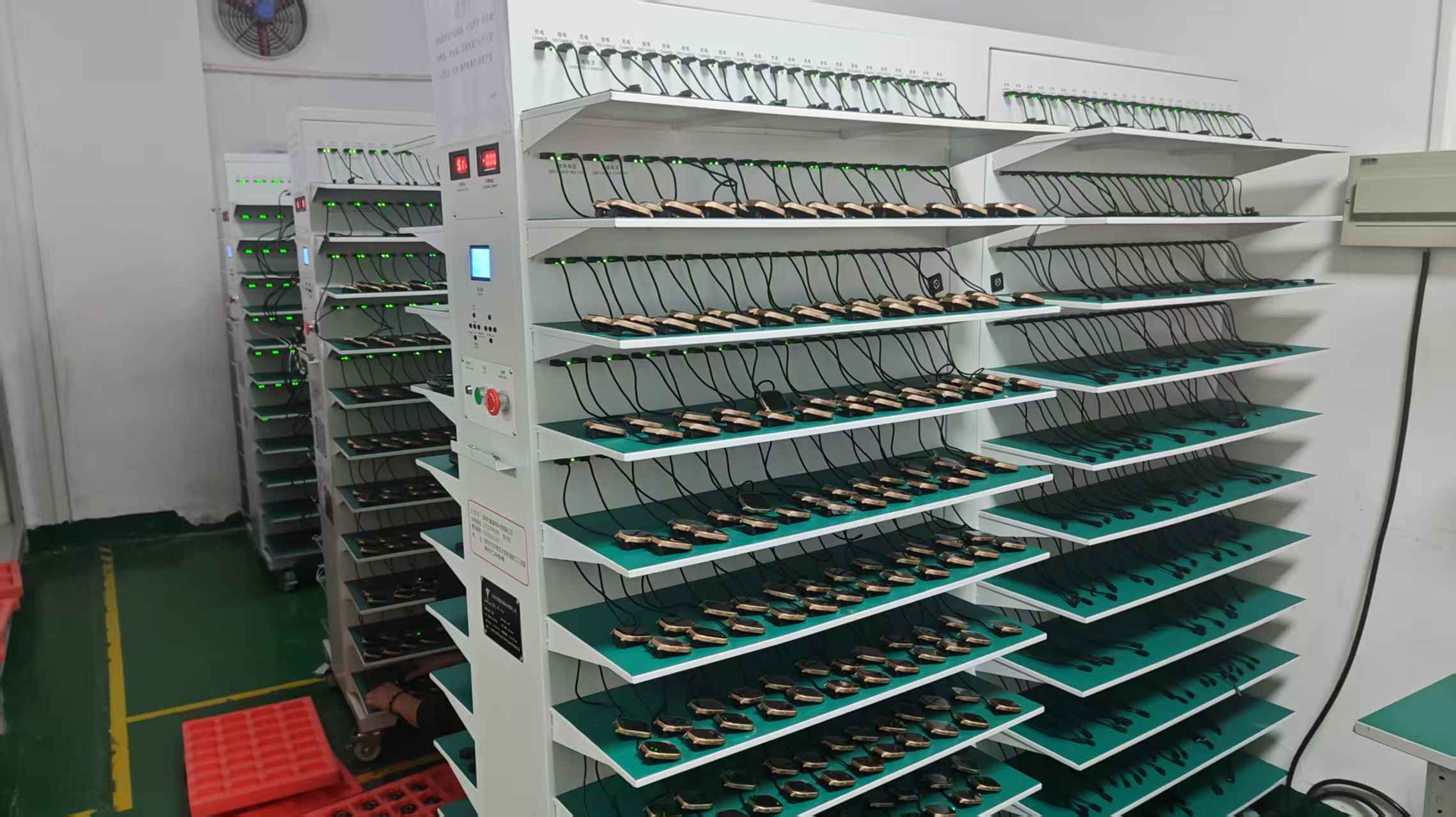
04. Thermal Aging Racks
48-hour continuous power cycling at 50°C to preemptively eliminate semiconductor infant mortality.
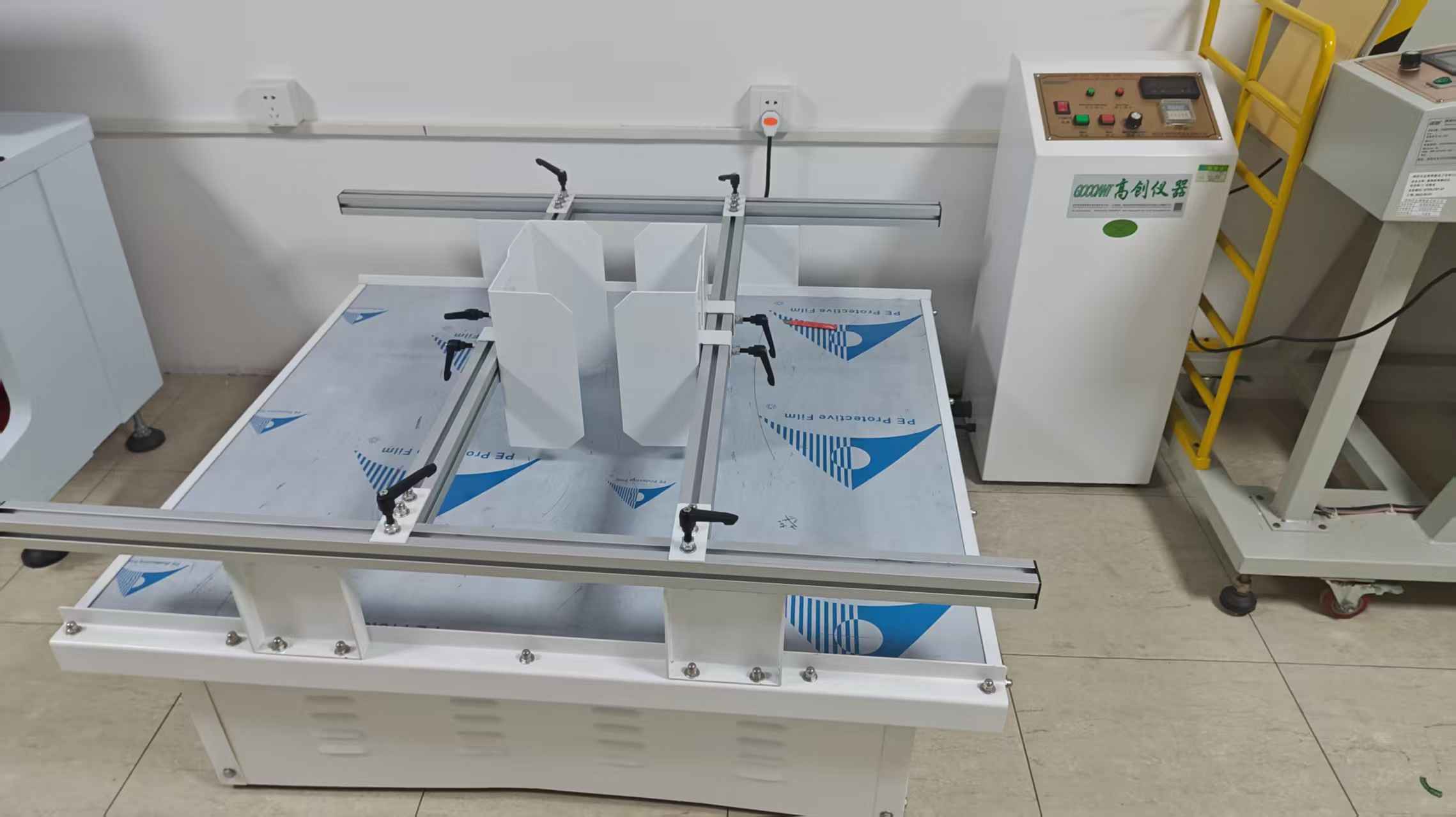
05. Transport Vibration Simulation
Simulates intercontinental container transit, air freight resonance, and road shock loading.
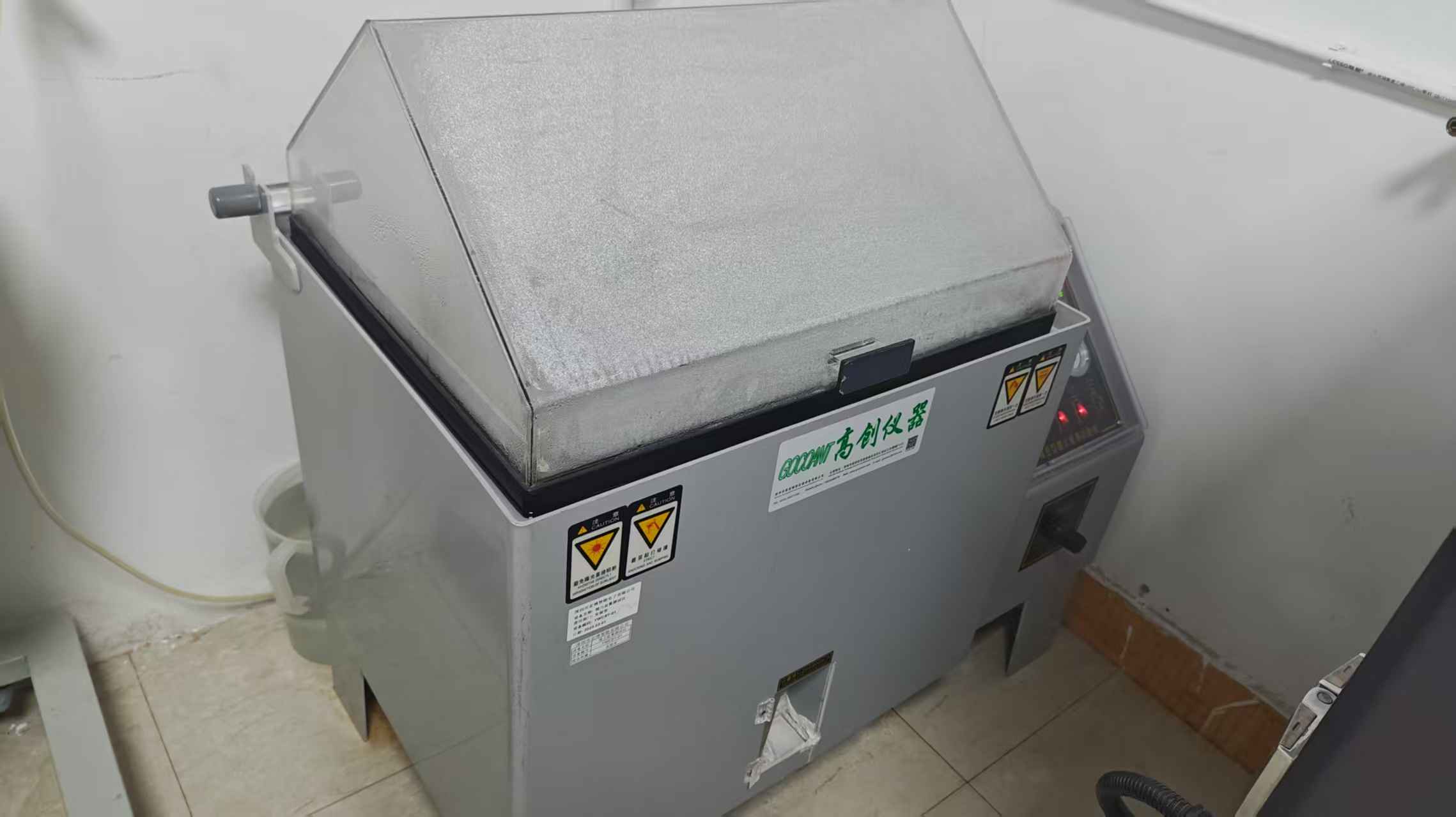
06. Salt Mist Corrosion Chamber
72-hour saline mist exposure to confirm sweat-proofing on charging pins, buckles, and PVD cases.
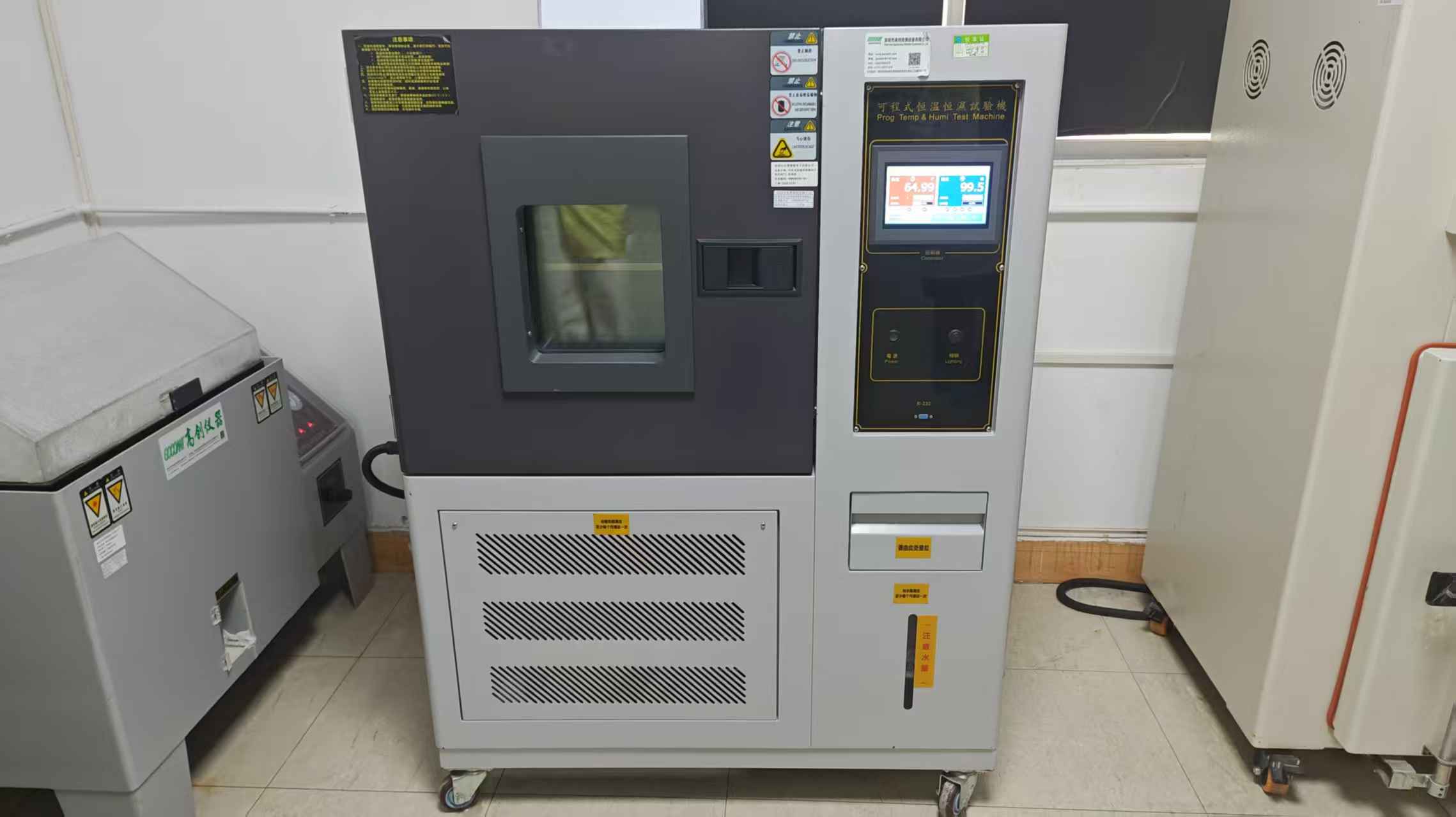
07. Environmental Cycling
Programmable humidity and thermal-shock chambers cycling between -20°C and +65°C.
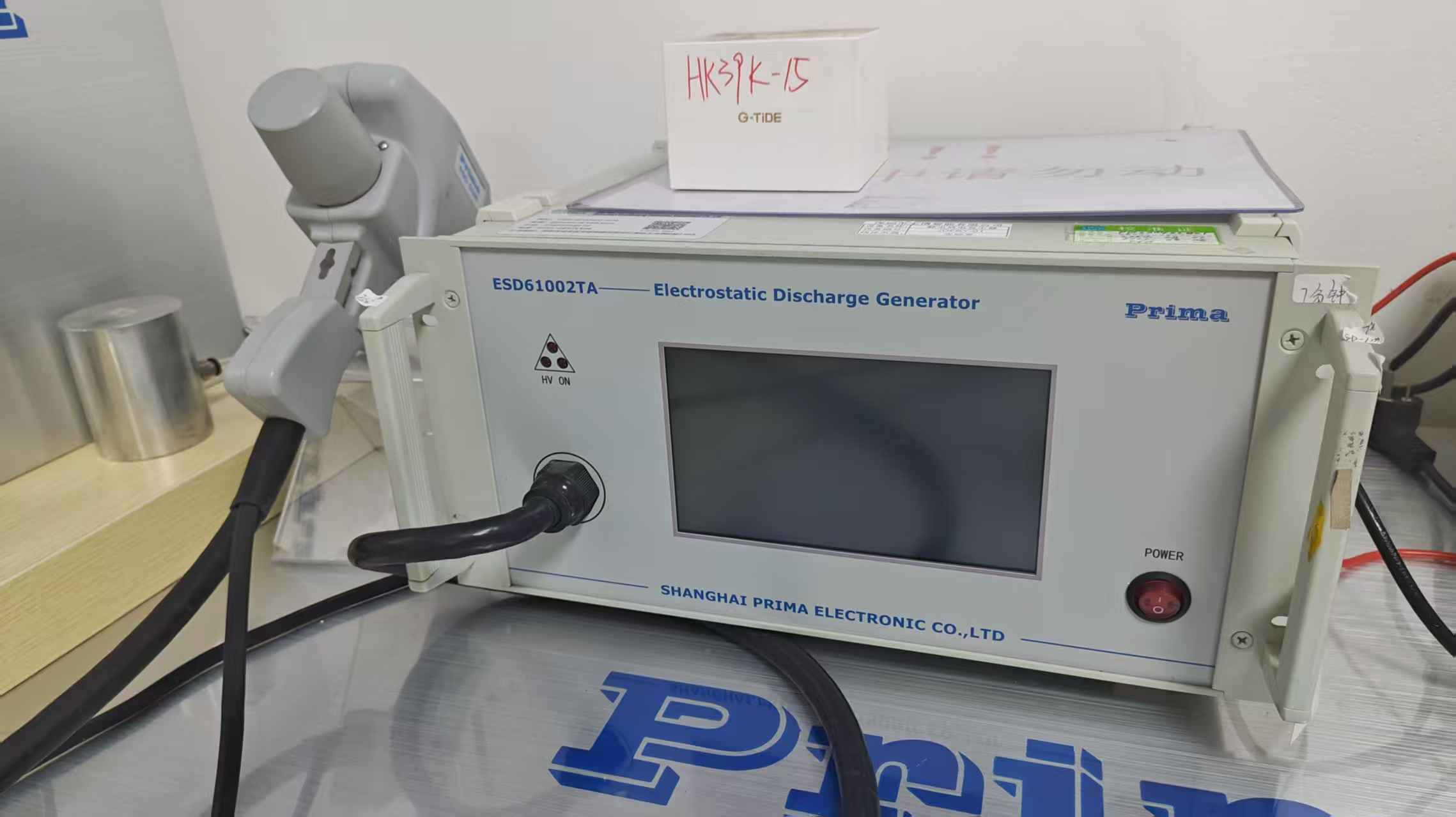
08. ESD Electrostatic Discharge
Air discharge up to ±15kV and contact discharge up to ±8kV per IEC 61000-4-2 industrial standards.
Industrial Whitepaper: The Technological Evolution of AMOLED Wearable Architectures
1. Display Physics: Transition from Transmissive TFT to Emissive AMOLED
The global smartwatch landscape has shifted decisively from legacy transmissive thin-film transistor liquid crystal displays (TFT-LCD) to self-emissive Active-Matrix Organic Light-Emitting Diode (AMOLED) architectures. In conventional TFT displays, a continuous LED backlight must illuminate the liquid crystal layer irrespective of whether pixels display white or black content. This creates significant optical degradation, limits outdoor readability under direct sunlight to less than 450 nits, and forces severe parasitic energy draw.
Conversely, AMOLED panels utilize organic electroluminescent compounds that emit light individually at the subpixel level. When displaying true black (#000000), pixels are completely powered down, dropping current leakage to near-zero levels. This native capability enables Always-On Display (AOD) modes with less than 1.2% battery drain per hour when paired with low-refresh-rate display controllers. Furthermore, modern AMOLED displays achieve peak brightness thresholds ranging from 800 to 1,200 nits, wide DCI-P3 color gamut coverage above 98%, and contrast ratios exceeding 100,000:1, establishing unprecedented readability for outdoor sports and critical health alerting.
2. Silicon Topologies & Low-Power Coprocessor Engines
Driving high-resolution AMOLED displays (e.g., 466×466 pixels at 326+ PPI) requires exceptional memory bandwidth. Historically, this forced manufacturers to implement power-hungry application processors. However, our advanced platforms leverage hybrid dual-core microcontrollers such as the Nordic Semiconductor nRF54L15, Realtek RTL8773 series, and Jerry JL7012 platforms. These system-on-chips (SoCs) integrate an ultra-low-power ARM Cortex-M33 coprocessor alongside dedicated 2.5D graphical processing units (GPUs) and embedded PSRAM.
By delegating UI asset rendering, dynamic anti-aliasing, and sensor hub polling to the coprocessor, the primary application core remains in deep-sleep state during 94% of operational cycles. This breakthrough architecture extends battery endurance on typical 300mAh to 450mAh lithium-cobalt-oxide cells from 48 hours to 10–14 days of typical usage, even under continuous 24-hour photoplethysmography (PPG) sampling.
3. Sensor Fusion: Medical-Grade Biosensing & Algorithmic Accuracy
Modern B2B buyers no longer accept uncalibrated optical estimates. Brainox integrates multi-wavelength optical sensor matrices combining green (525nm for superficial capillary perfusion), red (660nm), and infrared (940nm) light-emitting diodes to compute peripheral blood oxygen saturation (SpO2) and pulse transit time (PTT). By combining these optical arrays with dedicated analog front-ends (AFEs) and single-lead electrocardiogram (ECG) titanium electrodes, our systems derive clinical-grade Heart Rate Variability (HRV) metrics, autonomic stress indexes, and preliminary arrhythmia indicators.
In our specialized health models, such as the TK65 and GS500 platforms, we have moved beyond purely optical blood pressure algorithms by incorporating micro-piezoelectric air pumps and inflatable cuff wristbands. This dual-approach measures arterial blood pressure via true oscillometric deflation curves, delivering clinical-level accuracy (±3mmHg to ±5mmHg) that dramatically surpasses standard PPG estimation models.
Future Wearable Procurement Trends & Sourcing Projections
Strategic analysis for enterprise importers, consumer electronics brands, and supply chain directors planning multi-quarter production cycles.
1. Transition to Micro-Curved LTPO AMOLED
Between 2025 and 2028, Low-Temperature Polycrystalline Oxide (LTPO) backplanes will penetrate mid-tier commercial smartwatches. LTPO enables dynamic variable refresh rates scaling from 60Hz down to 1Hz during static dial states, reducing display module power dissipation by an additional 30%. Sourcing managers should prioritize suppliers capable of integrating 2.5D and 3D micro-curved cover glass with optical clear adhesive (OCA) lamination.
2. Bifurcation: AMOLED Flagships vs. Screenless Trackers
The wearable ecosystem is splitting into two dominant product categories. On one end, high-resolution AMOLED smartwatches serve as wrist-worn communication dashboards and lifestyle interfaces. On the other end, compact, screenless wellness bands (such as the Brainox H59/H59Pro series) are capturing subscription-based health monitoring and clinical research sectors. Screenless form factors eliminate display distraction, maximize chassis volume for battery cells (delivering 30 to 50 days of autonomy), and minimize warranty claim surface area.
3. On-Device TinyML & Edge AI Synthesis
Procurement teams are shifting evaluations from raw sensor specifications to onboard algorithmic maturity. The integration of tiny machine learning (TinyML) inference models directly onto the MCU core allows smartwatches to classify user activities, detect sleep stage micro-movements, identify sudden deceleration falls, and eliminate motion artifacts in real time without continuous cloud latency or user privacy exposure.
Display Technology & Hardware Tier Comparison Matrix
Evaluate component parameters across entry-level IPS, mainstream AMOLED, and specialized screenless sensor architectures.
| Hardware Attribute | Standard IPS-TFT Platform | Premium AMOLED Architecture | Screenless Sensor Band (H59Pro) |
|---|---|---|---|
| Display Type & PPI | 1.85"–2.01" Transmissive LCD (240×284, ~210 PPI) | 1.43"–1.96" Active-Matrix OLED (466×466, ~326 PPI) | No Optical Display (Raw Sensor Hub) |
| Luminance & Outdoor Legibility | 350–450 Nits (Marginal direct sunlight visibility) | 800–1,200 Nits (Excellent high-noon contrast) | N/A (Data pushed via BLE to App/Cloud) |
| Power Dissipation Profile | Continuous backlight drain: 25–35mA | Dynamic black-pixel gating: 8–18mA | Ultra-low sensor baseline: 0.8–2.2mA |
| Typical Operational Battery Life | 3–5 Days (300mAh Li-Po Cell) | 7–12 Days (Typical) / 3–5 Days (Full AOD) | 30–50 Days Continuous Sampling (180mAh) |
| Core Microcontroller Platform | Single-Core JL / Goodix Basic | Dual-Core ARM Cortex-M33 + 2.5D GPU (Realtek/JL) | Nordic Semi nRF54L15 / BLE 6.0 Protocol |
| Biosensing Ingestion Stack | Dual-LED Basic Optical PPG | 8-Channel Multi-Spectral PPG + ECG AFE + Air Pump | Medical PPG Array + 24H Continuous HRV + SpO2 |
| Chassis Water-Resistance Level | IP67 / IP68 (Standard daily splash resistance) | IP68 to 3ATM Sealed Ultrasonic Ultrasonic Welding | 1ATM to 3ATM Solid Fully Sealed Hermetic Pouch |
| Optimal Distribution Channel | High-volume promotional & budget retail | Premium consumer tech & lifestyle watch brands | Corporate wellness, medical SDK, RPM platforms |
Strategic B2B Sourcing Protocol: Avoiding Common Wearable Pitfalls
1. AMOLED Panel Yield and Glass Bonding Integrity
When procuring AMOLED smartwatches from China, the bill of materials for the display assembly represents up to 35% of the total unit cost. Importers must explicitly specify whether panels are sourced as Grade A original glass or refurbished cell inventory. Brainox enforces 100% optical inspection on incoming displays to eliminate dead pixels, chromatic mura irregularities, and luminance inconsistency. Furthermore, ensure your supplier uses On-Cell touch panels with full OCA lamination to eliminate internal air gaps that cause condensation fogging during rapid temperature swings.
2. Lithium-Polymer Battery Chemistry and Certification Logistics
Battery safety and transport compliance are major failure points for overseas buyers. Substandard battery packs without integrated Seiko protective ICs suffer from cell swelling, thermal runaway, and rapid capacity degradation after fewer than 200 charge cycles. Our manufacturing standards require high-energy-density pure cobalt lithium cells rated for >500 cycles before falling below 80% original capacity. All battery shipments from Brainox are supported by legitimate UN38.3 test summaries, MSDS documentation, and 1.2-meter drop test reports to ensure unhindered customs clearance across US, EU, and Asia-Pacific ports.
3. Firmware Customization, BLE Protocols, and Mobile SDK Ownership
A smart wearable is only as dependable as its accompanying mobile ecosystem. A frequent error in wholesale procurement is accepting generic third-party public applications (e.g., DaFit, FitCloudPro) without securing dedicated server tenants or API access. For enterprise clients requiring private-label deployments, Brainox provides customized companion app builds (white-label iOS and Android binaries), customizable cloud backends, and comprehensive Bluetooth low-energy communication SDKs. This allows healthcare integrators and fitness platforms to ingest raw PPG, acceleration, and biometric data directly into their private HIPAA- and GDPR-compliant databases.
Frequently Asked Questions: B2B AMOLED Smartwatch Sourcing
Clear, definitive guidance on minimum order quantities, customization scopes, certification protocols, and supply chain logistics.
What is the standard Minimum Order Quantity (MOQ) for custom OEM orders?
For standard in-stock inventory with minor logo laser-engraving and customized gift-box packaging, our baseline MOQ begins at 500 to 1,000 units. For full OEM/ODM projects requiring custom CNC housing colors, bespoke tooling injection, personalized boot-loader animation, and tailored mobile app branding, MOQ typically ranges from 2,000 to 3,000 units depending on display tooling complexity.
How does Brainox ensure accurate water-resistance on mass-production runs?
Every single sealed casing undergoes non-destructive pneumatic pressure differential leak testing before packing. Additionally, a statistical sample (AQL 0.65 Level II) from every production batch is subjected to destructive water bucket immersion testing and high-pressure chamber testing to verify compliance with declared IP68, 1ATM, or 3ATM ratings.
Which international compliance certifications are available for export?
Our products are engineered to comply with major regulatory standards worldwide. We provide full test suites and certificates for CE (Radio Equipment Directive 2014/53/EU), RoHS 2.0 (2011/65/EU & 2015/863), FCC Part 15C for North America, and REACH SVHC declarations. Battery cells carry certified UN38.3, IEC 62133, and CE marking.
Can Brainox provide customized Bluetooth SDKs for health-tech platforms?
Yes. For telehealth providers, insurance platforms, and research universities, we supply native Android and iOS SDK libraries, BLE communication protocol documentation, and encrypted transmission sample code. This enables seamless, direct ingestion of real-time photoplethysmography, SpO2, HRV, and actigraphy metrics directly into your proprietary platform.
What is the typical production lead time from prototype approval?
Prototyping and golden sample production typically require 7 to 12 working days. Upon physical sign-off and receipt of deposit, mass production lead times generally range between 25 and 35 calendar days for complete assembly, burn-in aging, multi-stage testing, and final retail packaging.
How are defective units and RMA warranties handled under contract?
Brainox maintains a verified factory defect rate below 0.3%. Under our standard export agreements, we provide 1% to 1.5% free spare units (FOC components or complete devices) included directly with the mass production container shipment, backed by a comprehensive 12-to-24-month manufacturer defect replacement warranty.
Architect Your Next High-Performance Wearable Line
Connect directly with our senior hardware engineers at Songshan Lake. Receive detailed architectural spec sheets, BOM cost breakdowns, regulatory compliance roadmaps, and custom golden evaluation samples.