Precision Sleep Monitoring & Smart Wearable Portfolio
Direct procurement from Dongguan Brainox Technology Co., Ltd. Explore our market-ready smart rings, physiological trackers, ultra-thin wristbands, and cellular hardware platforms.
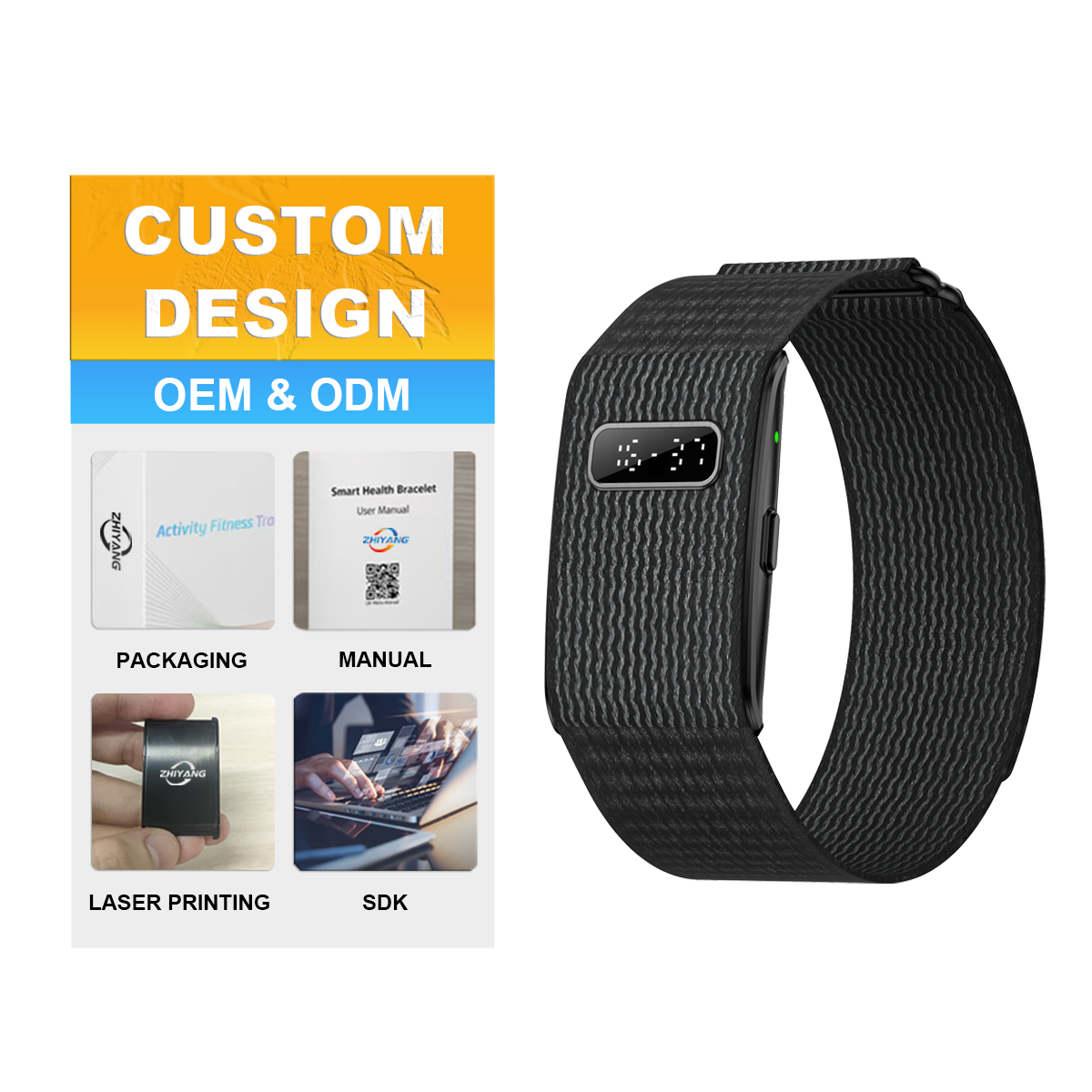
H59MAX+ Android Smart Bracelet Fitness Tracker Remote Control LED Display
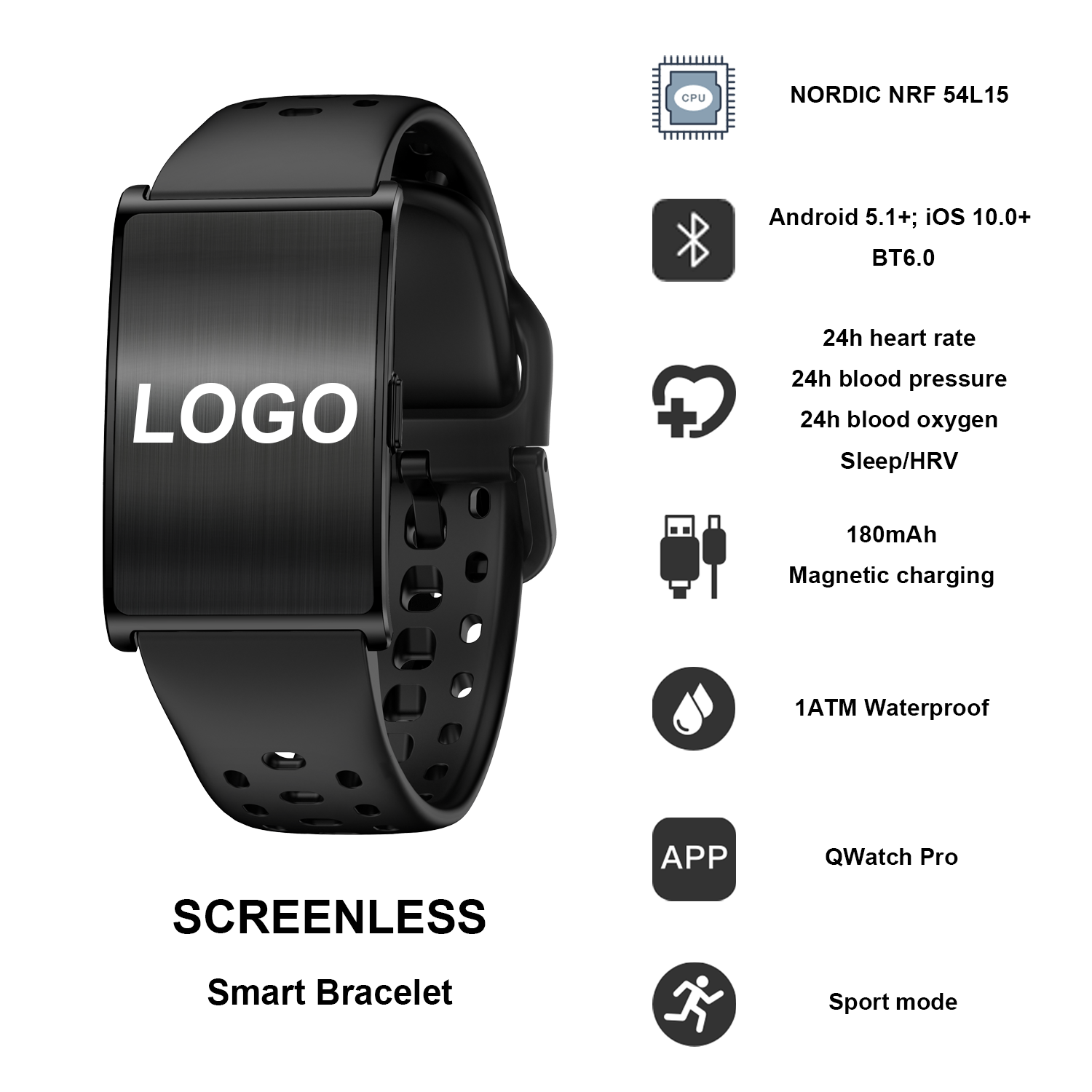
H59Pro Smart Band Sleep Tracker No Screen Heart Rate Variability SpO2
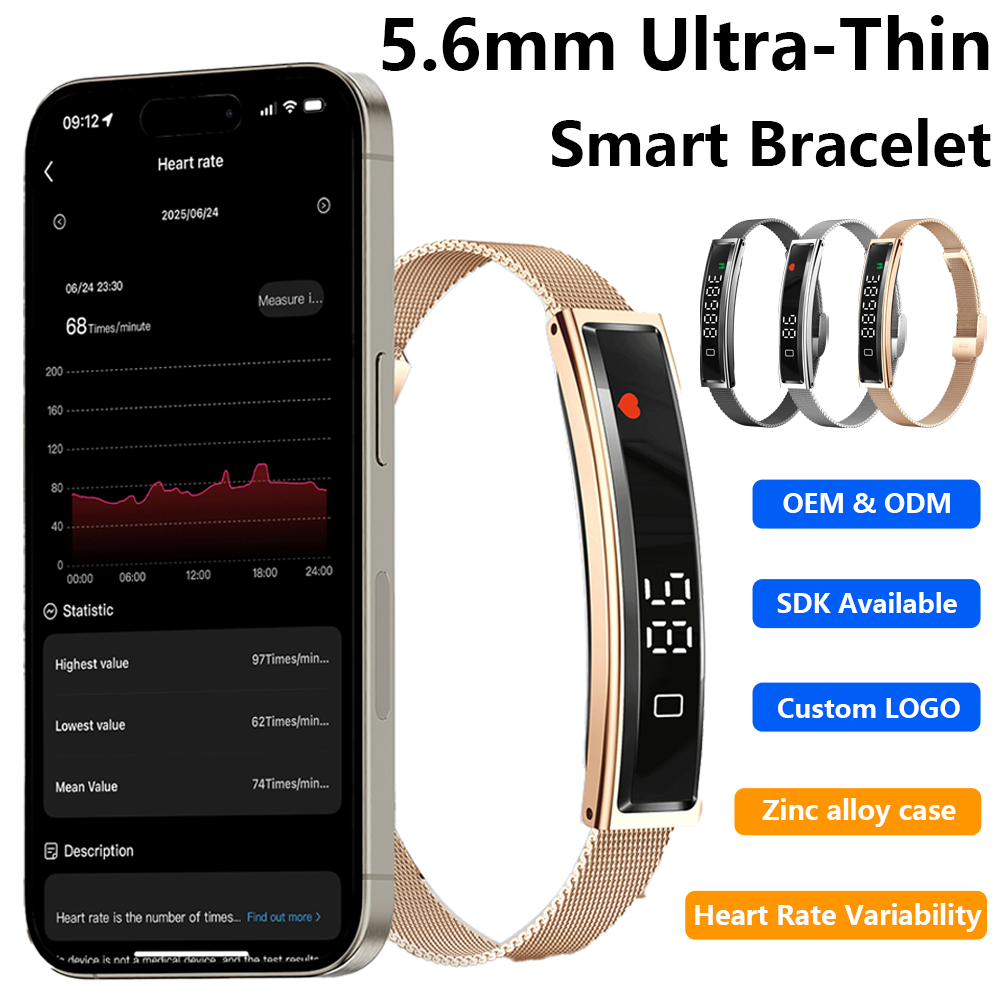
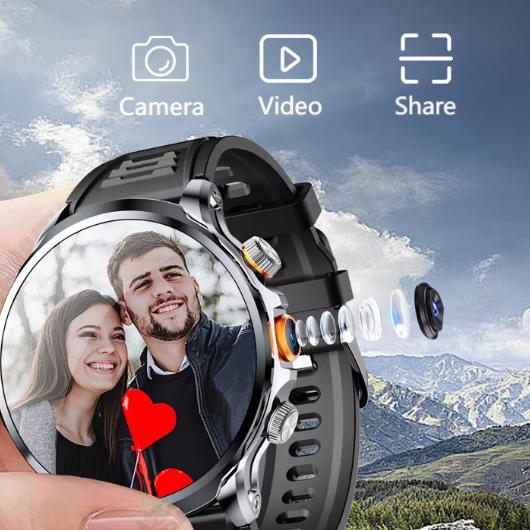
H18 Men Smart Watch 4G WiFi GPS Touch Waterproof Android SIM Camera
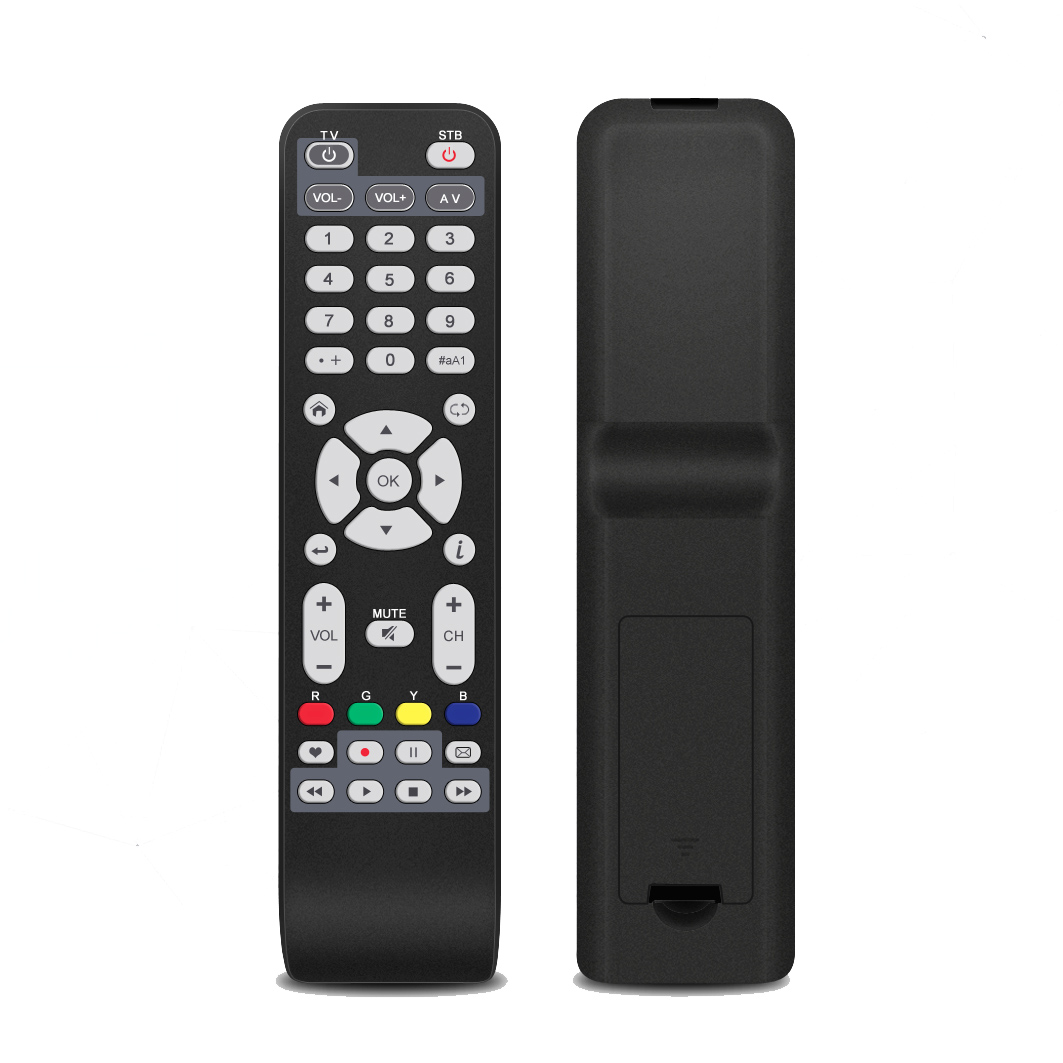
Factory Custom Universal Infrared Remote Control OEM 43 Key IR Unit
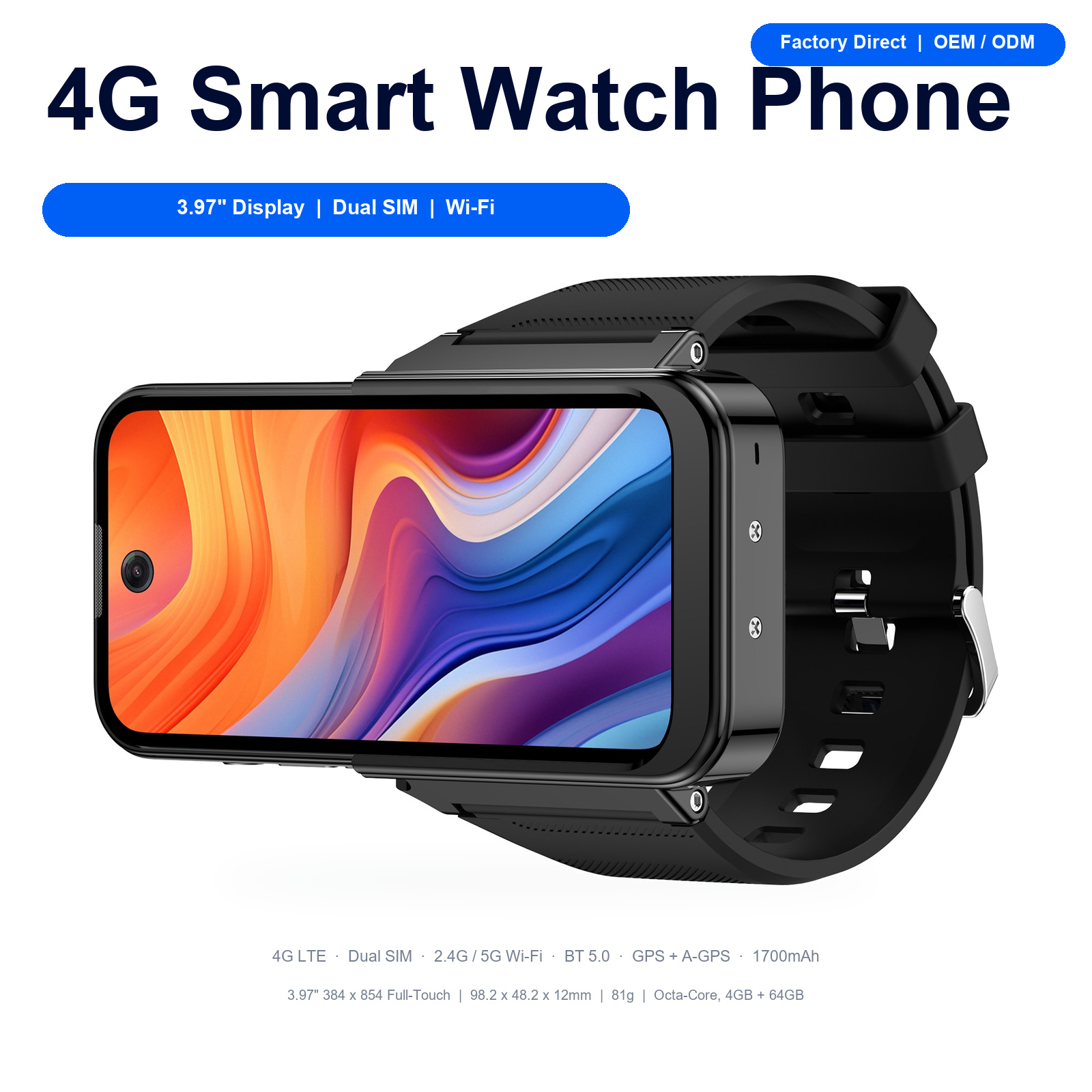
PG999 Mini Smart Watch Phone 3.97Inch Android 12 Octa Core 4GB+64GB LTE
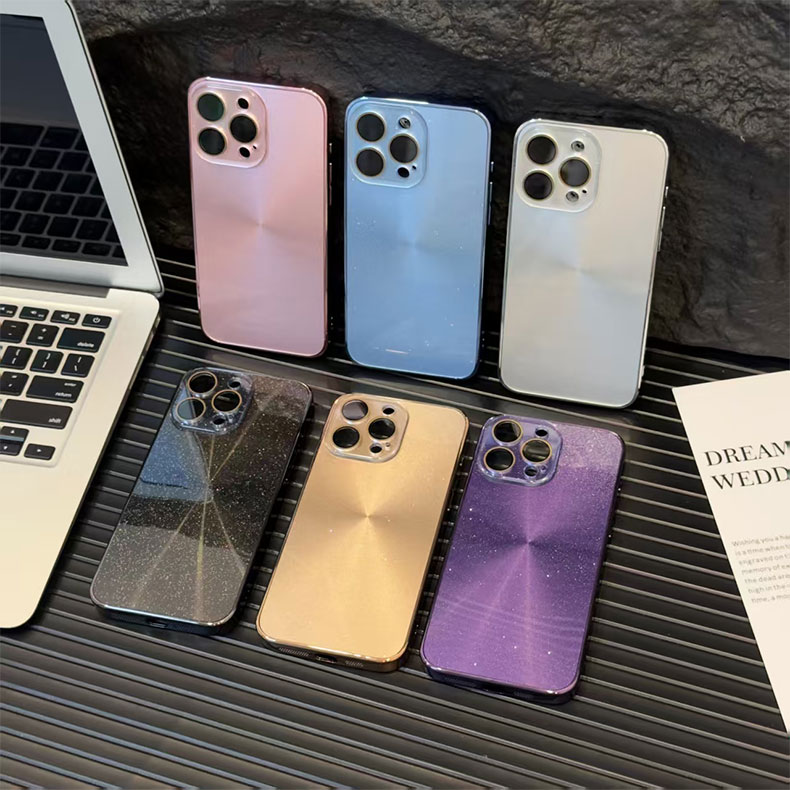
Ladies Magnetic Glitter Mobile Phone Case with Crystal Lens Film
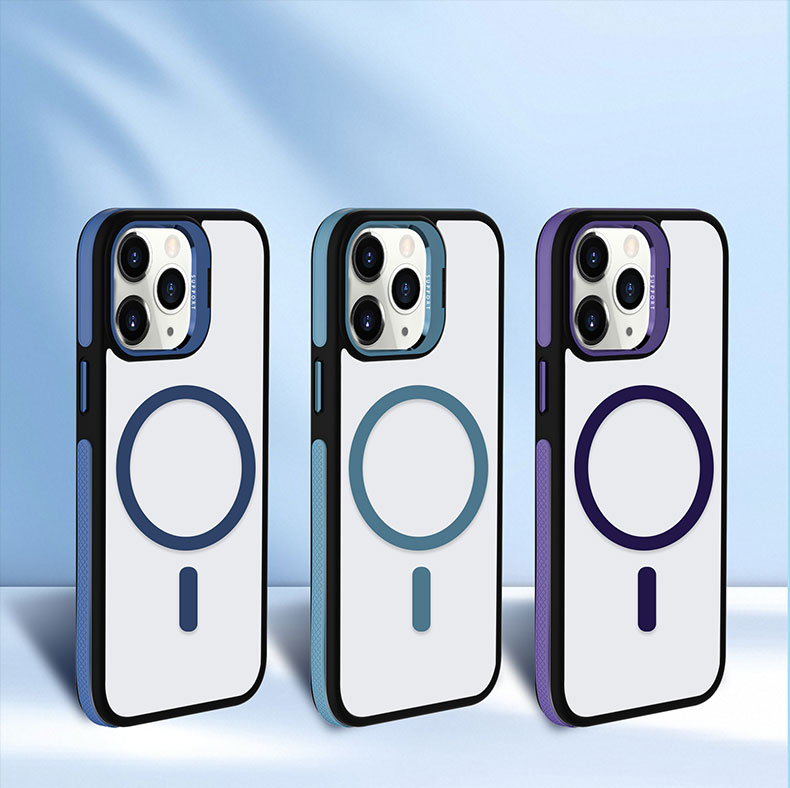
Custom Metal Camera Frame TPU PC Magnetic Clear Case Protector
The Paradigm Shift in Bio-Sensing: Why Smart Rings Dominate Nocturnal Monitoring
Within the global landscape of consumer and clinical wearable technology, sleep tracking has historically suffered from compliance degradation due to the form factor of wristwatches. Wrist-worn monitors experience significant motion artifacts, skin decoupling during nocturnal toss-and-turn cycles, and user fatigue caused by bulky displays and straps.
The finger ring form factor represents a major leap in physiological signal fidelity: The palmar digital arteries located along the fingers provide exceptionally high perfusion indexes compared to the dorsal radial arteries of the wrist. By positioning reflective Photoplethysmography (PPG) sensors directly adjacent to these digital capillary beds, smart sleep monitor rings achieve superior signal-to-noise ratios (SNR), making them the preferred architecture for pulse rate variability (PRV), nocturnal SpO2 desaturation mapping, peripheral skin temperature deviation, and automated sleep architecture staging (Light, Deep, REM, and Wakefulness).
B2B Market Reality: Global consumer wellness brands, preventative tele-health platforms, and insurance technology providers are transitioning procurement volume away from bulky sports watches toward discreet smart rings. China’s Pearl River Delta—specifically the Songshan Lake cluster in Dongguan—has emerged as the world’s definitive hub for sub-miniature rigid-flex PCB fabrication, specialized resin encapsulation, and medical-grade algorithm tuning.
Sleep Ring vs. Smart Band vs. Clinical Polysomnography (PSG)
A rigorous engineering comparison to guide hardware procurement directors, product managers, and private-label distributors.
| Evaluation Parameter | Smart Sleep Monitor Ring | Wrist-Worn Smart Band / Watch | Clinical Polysomnography (PSG) |
|---|---|---|---|
| Primary Vascular Target | Digital palmar arteries (High capillary perfusion) | Radial & ulnar arteries (Susceptible to skin attenuation) | Multi-lead EEG, EOG, EMG, ECG, nasal airflow |
| Nocturnal Motion Artifact | Extremely Low (Natural finger curvature secures optical path) | Moderate to High (Wrist flexion, strap displacement) | Zero (Immobilized laboratory setting) |
| Longitudinal Sleep Staging Accuracy | 88% – 93% correlation with PSG sleep stages | 76% – 84% correlation with PSG sleep stages | 100% Gold Standard Benchmark |
| Enclosure & Structural Materials | Medical-grade epoxy resin interior, Titanium/Zirconia outer shell | Zinc alloy, aluminum alloy, polycarbonate, silicone | Electrode leads, thoracic bands, diagnostic consoles |
| Power Budget & Standby | 15mAh – 22mAh (4 to 7 continuous days operation) | 180mAh – 400mAh (2 to 14 days, screen-dependent) | Mains power grid continuous |
| Target Buyer Segmentation | Wellness brands, remote patient monitoring, sleep clinics | Sports fitness enthusiasts, general consumer lifestyle | Hospitals, diagnostic sleep laboratories |
Future Sourcing & Procurement Trends in Sleep Ring Tech
Key technological convergences transforming the smart ring supply chain, setting new benchmarks for OEM specification sheets.
1. Multi-Wavelength Optical Paths
Legacy rings relied solely on green-light (525nm) PPG for basic heart rate detection. Next-generation procurement specifications demand triple-wavelength sensor arrays integrating green, red (660nm), and infrared (940nm) VCSEL emitters.
This enables clinical-grade nocturnal pulse oximetry, detecting peripheral vascular resistance fluctuations and identifying Obstructive Sleep Apnea (OSA) episodes with unprecedented sensitivity.
2. SiP & Flexible Polyimide Circuitry
The drive toward ring wall thicknesses under 2.5mm and weights under 3.5 grams requires abandoning multi-chip surface mount packages in favor of System-in-Package (SiP) architectures with Nordic Semiconductor or Ambiq low-power microcontrollers.
Multi-layer flex polyimide circuits wrapped circumferentially inside the ring casing ensure durability against mechanical crushing and cyclic finger expansion without degrading trace continuity.
3. Autonomous Edge AI Sleep Inference
The historical bottleneck of raw sensor transmission draining tiny batteries is obsolete. Procurement trends favor ultra-compact neural network edge inference engines running on-chip TinyML models.
Raw accelerometer and optical signals are classified locally into sleep stages (Wake, Light, Deep, REM), transferring compressed telemetry packets via BLE 5.3 to preserve battery longevity up to 7 full days.
4. Circadian Rhythm Phase Prediction
Buyers are seeking software integrations that convert raw nocturnal biometrics into actionable circadian metrics. Combining basal skin temperature sensors with Heart Rate Variability (HRV) metrics yields precise metabolic readiness indicators.
OEM firmware now delivers continuous biological clock tracking, alerting users to optimal sleep windows, early signs of viral illness, and menstrual ovulation cycles.
5. Advanced Metallurgy & Zirconia Ceramic
Physical wear resilience has become a major sourcing criteria. The market is shifting from basic aluminum to aerospace-grade Ti-6Al-4V Titanium and nano-crystalline Zirconia (ZrO2) ceramic casings.
These materials offer diamond-like scratch resistance (9H hardness), exceptional RF transparency for uninterrupted Bluetooth transmission, and complete skin biocompatibility according to ISO 10993 standards.
6. Contactless Charging Cradle Ecosystems
Direct magnetic pin connections are prone to corrosion from human sweat and sebaceous secretions. Sourcing preferences heavily prioritize custom induction wireless charging cradles with built-in power banks.
Modern charging docks house an internal 300mAh to 500mAh lithium cell capable of recharging the ring 15 to 20 times, providing travelers with over a month of autonomous off-grid tracking.
Dongguan Brainox Technology Co., Ltd. — Your Verified OEM Hub
Operating from Songshan Lake Park, Dongguan, China—the epicenter of the world's precision electronic engineering ecosystem.
The Dongguan Songshan Lake Advantage
Dongguan Brainox Technology Co., Ltd. is strategically situated at Room 508, Building 1, No. 6 Industrial South Road, Songshanhu Park, Dongguan, Guangdong, China. This high-technology cluster represents the world's densest supply chain for micro-batteries, curved capacitive substrates, optical filters, and CNC titanium machining.
As an SGS On-Site Verified Multispecialty Supplier, we bridge the gap between flexible custom manufacturing and strict industrial quality control. While conventional traders lack testing hardware and pure factories resist flexible customization, Brainox maintains an in-house laboratory where every batch of micro-wearables undergoes extensive environmental, RF, drop, immersion, and operational stress validation before packaging.
Our 15 In-House Testing Instruments & 19 QC Stages
Every smart sleep monitor ring, band, and wearable must pass rigorous physical and electronic evaluations.
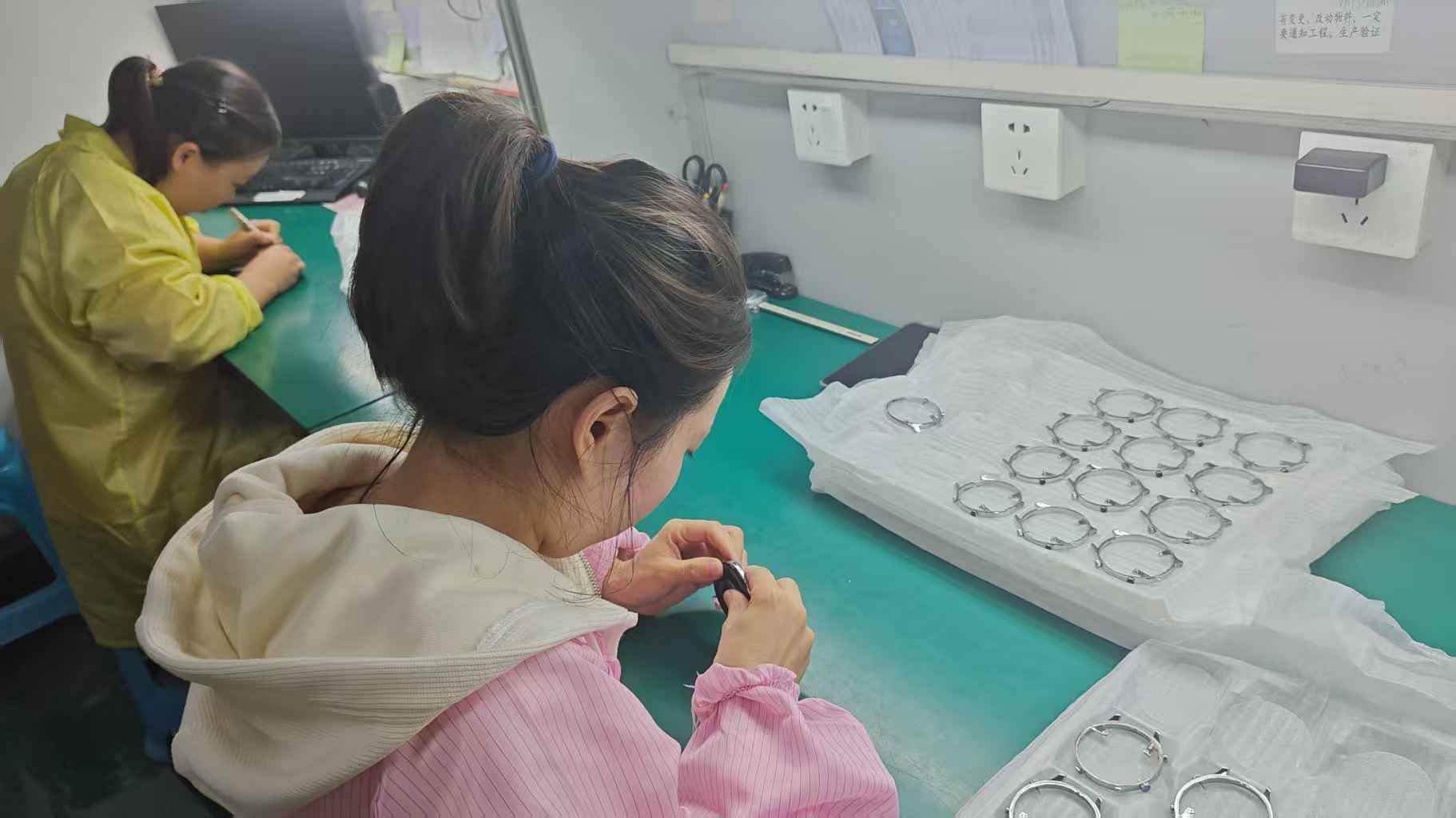
IQC Incoming Lab Step 01
Spectroscopic and parametric checks on incoming optical LEDs, sensors, flex PCBs, and lithium polymer cells.
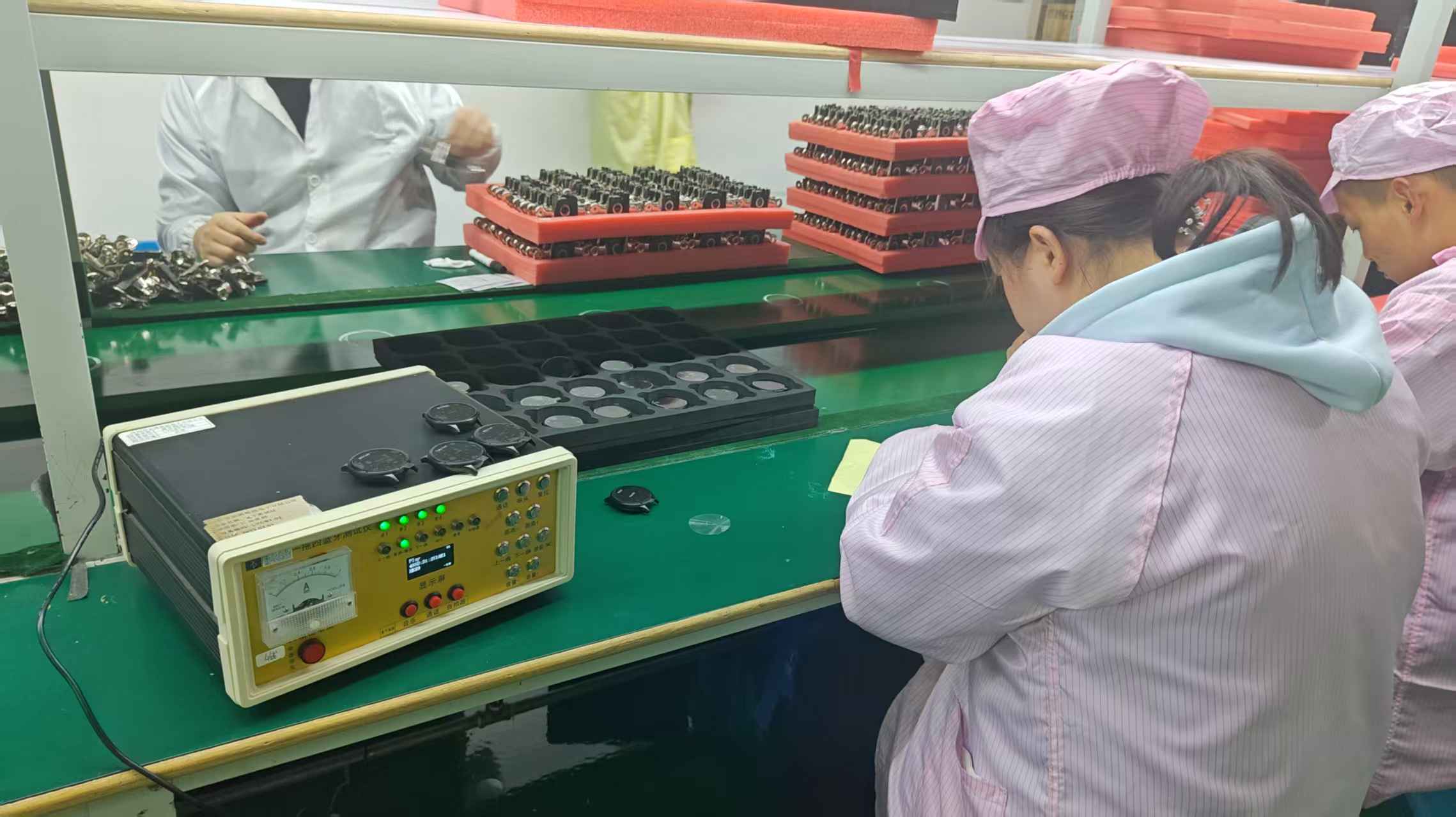
Bluetooth RF Tester Step 02
Validates BLE signal attenuation, antenna impedance matching, and transmission stability across iOS & Android platforms.
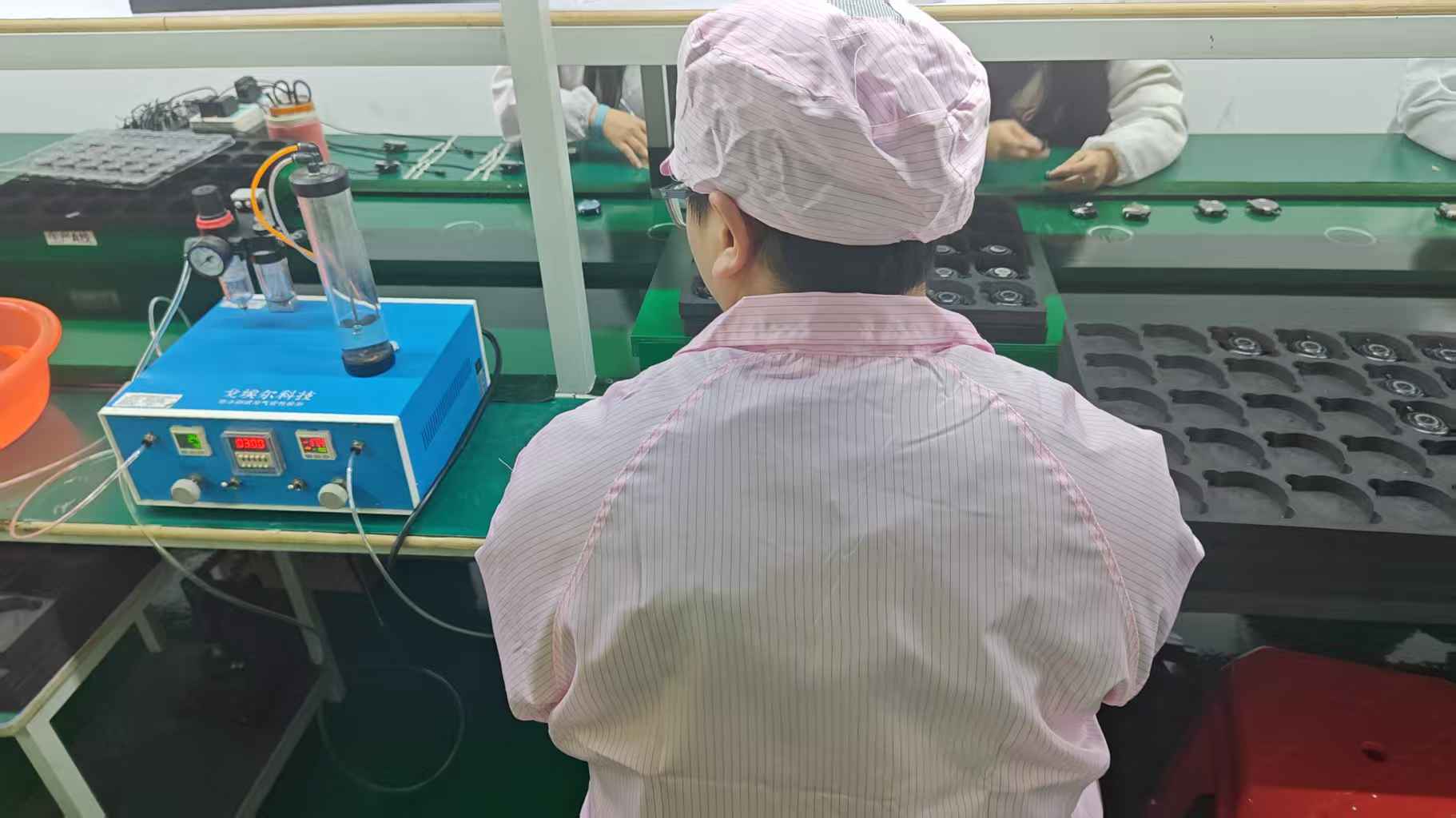
Waterproof Chamber Step 03
Calibrated hydrostatic pressure immersion tests verifying IP68 and 5ATM ingress protection standards.
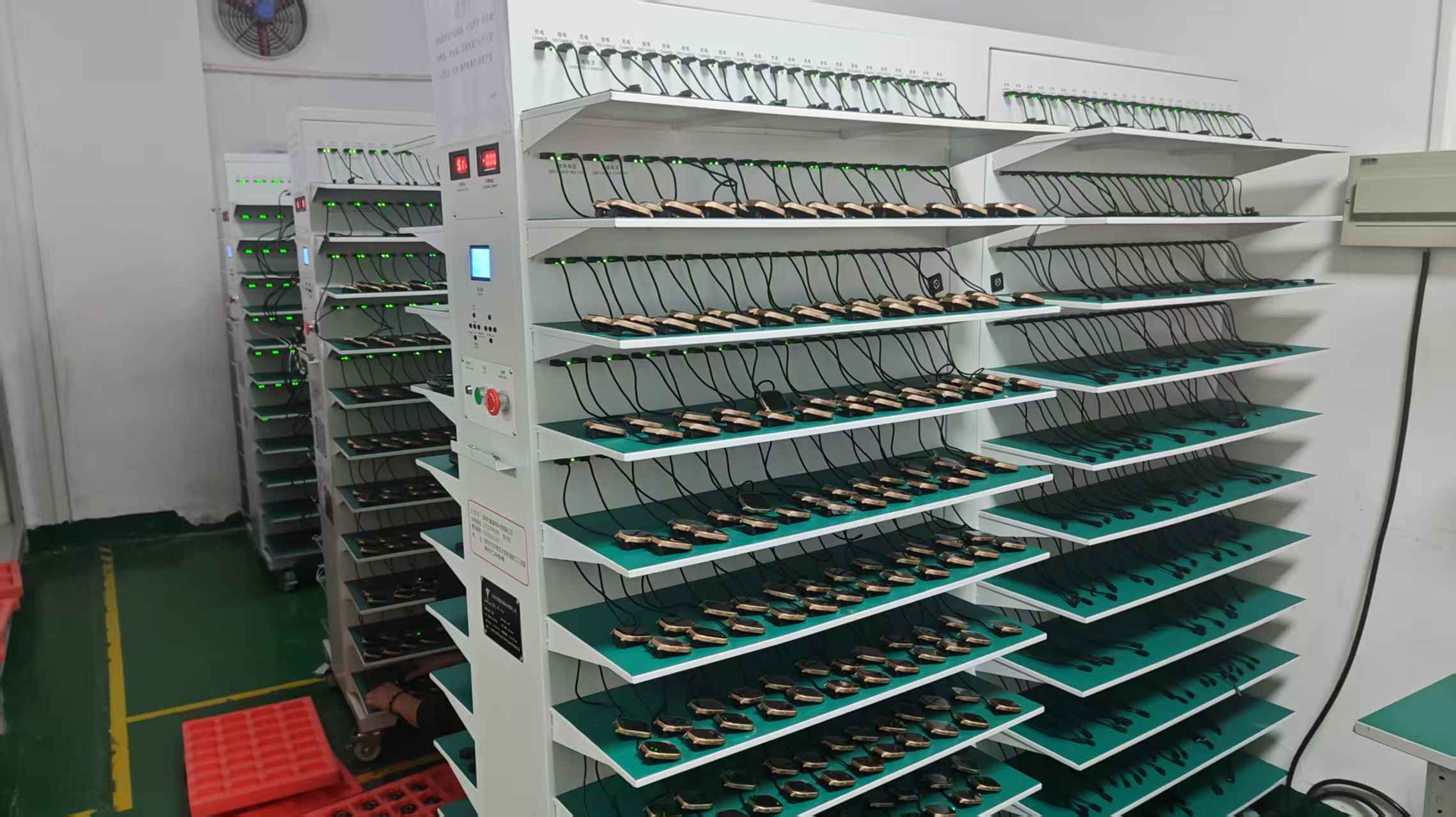
Continuous Aging Rack Step 04
72-hour continuous burn-in cycles running micro-controllers at maximum thermal envelope to eliminate early mortality chips.
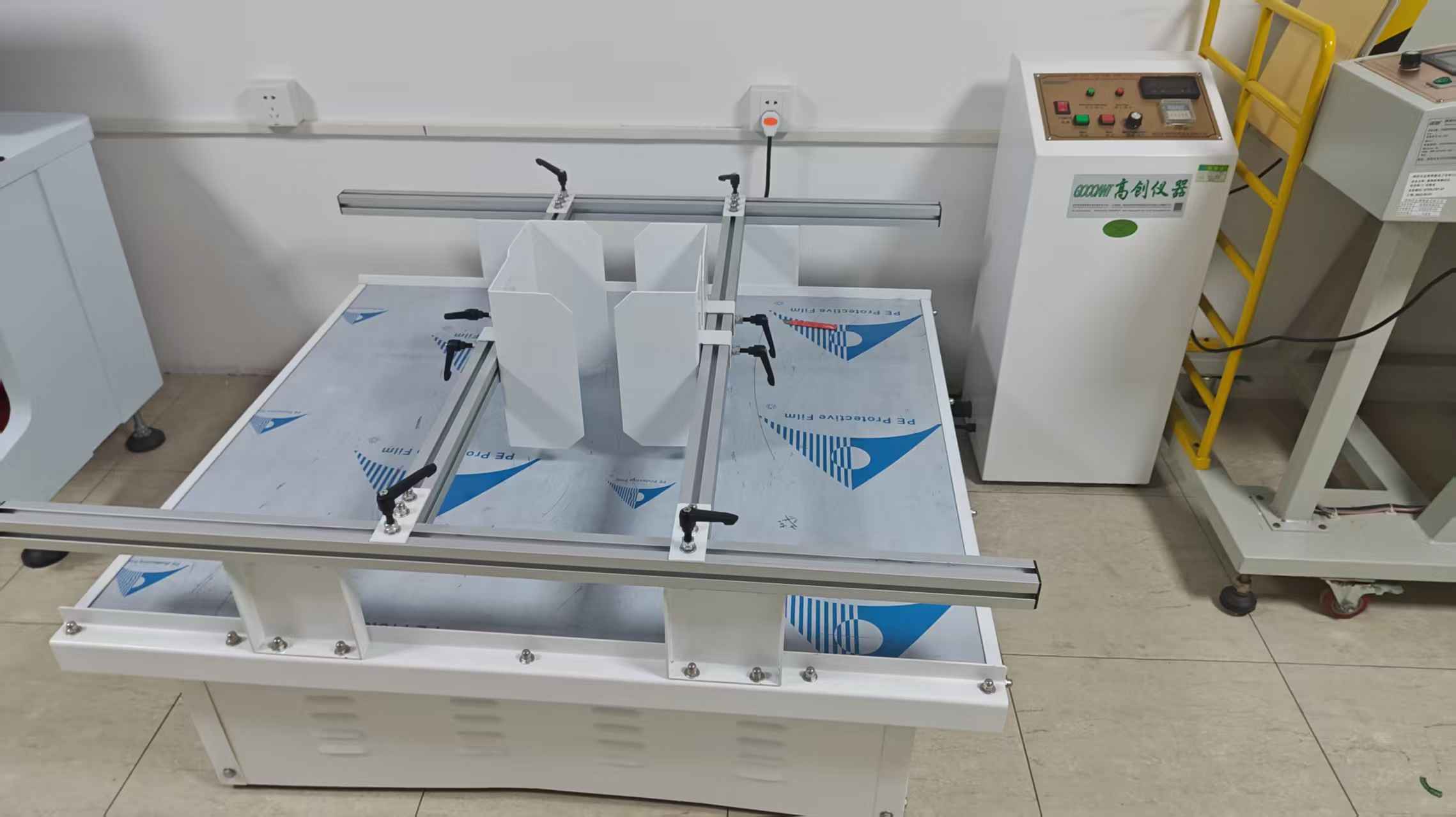
Transport Vibration Step 05
Three-axis resonant vibration simulation verifying integrity of soldered micro-traces and battery weld joints.
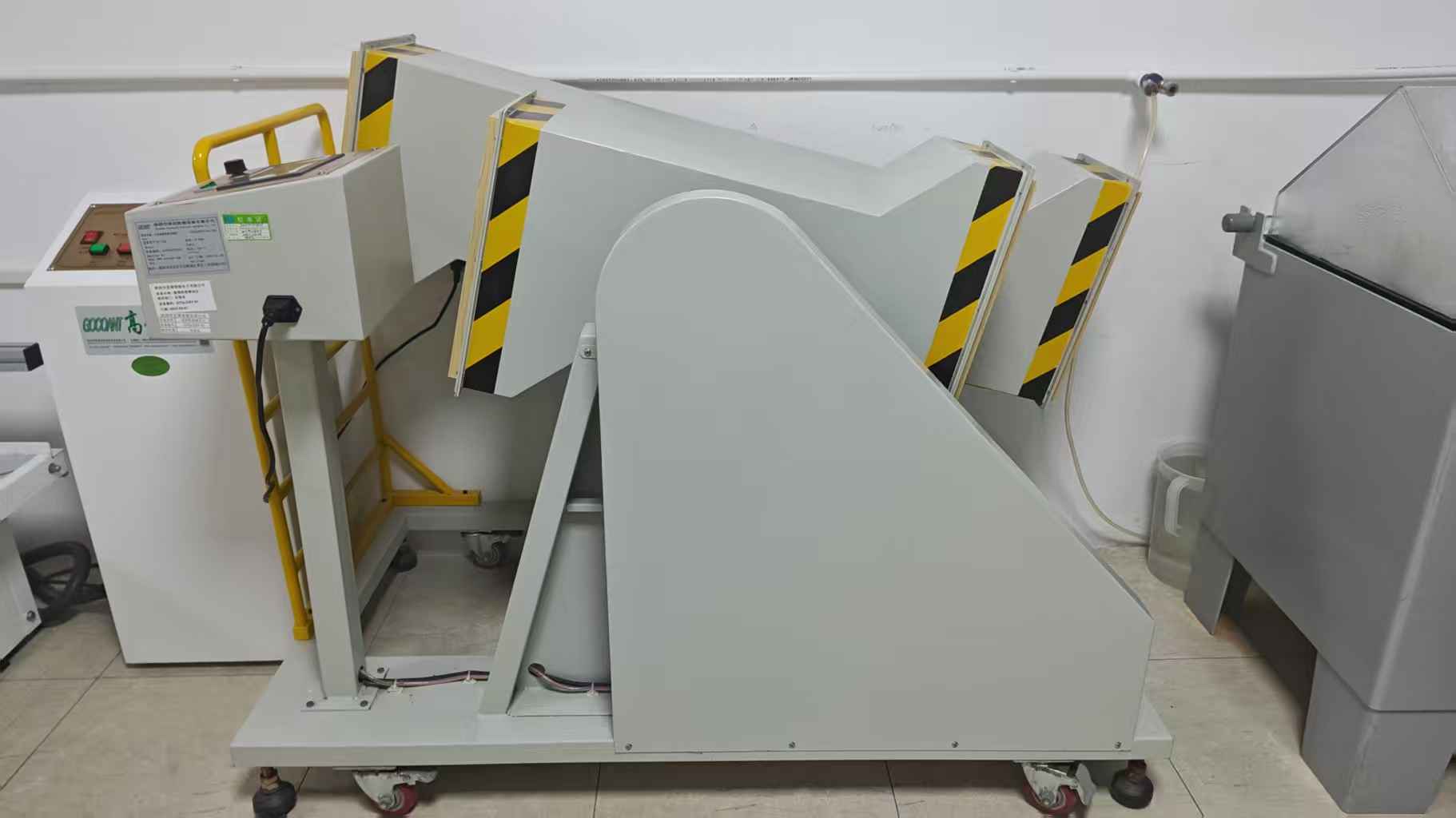
Tumble Drum Drop Step 06
Repeated random impact cycles inside a rotating steel drum assessing structural bonding of resin and shell.
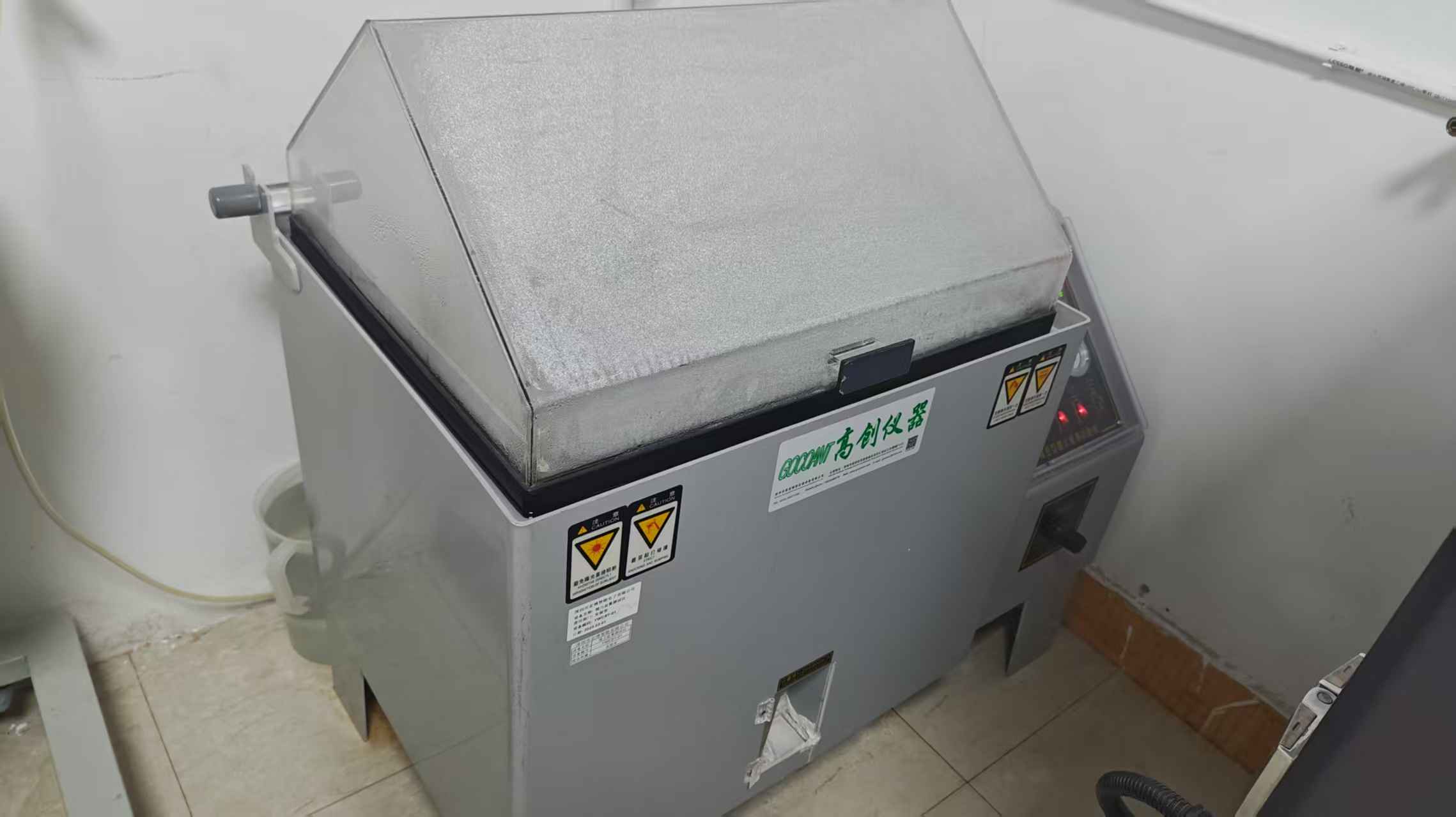
Salt Spray Cabinet Step 07
Corrosive atmosphere simulation preventing tarnishing of charging electrodes and cosmetic outer shells.
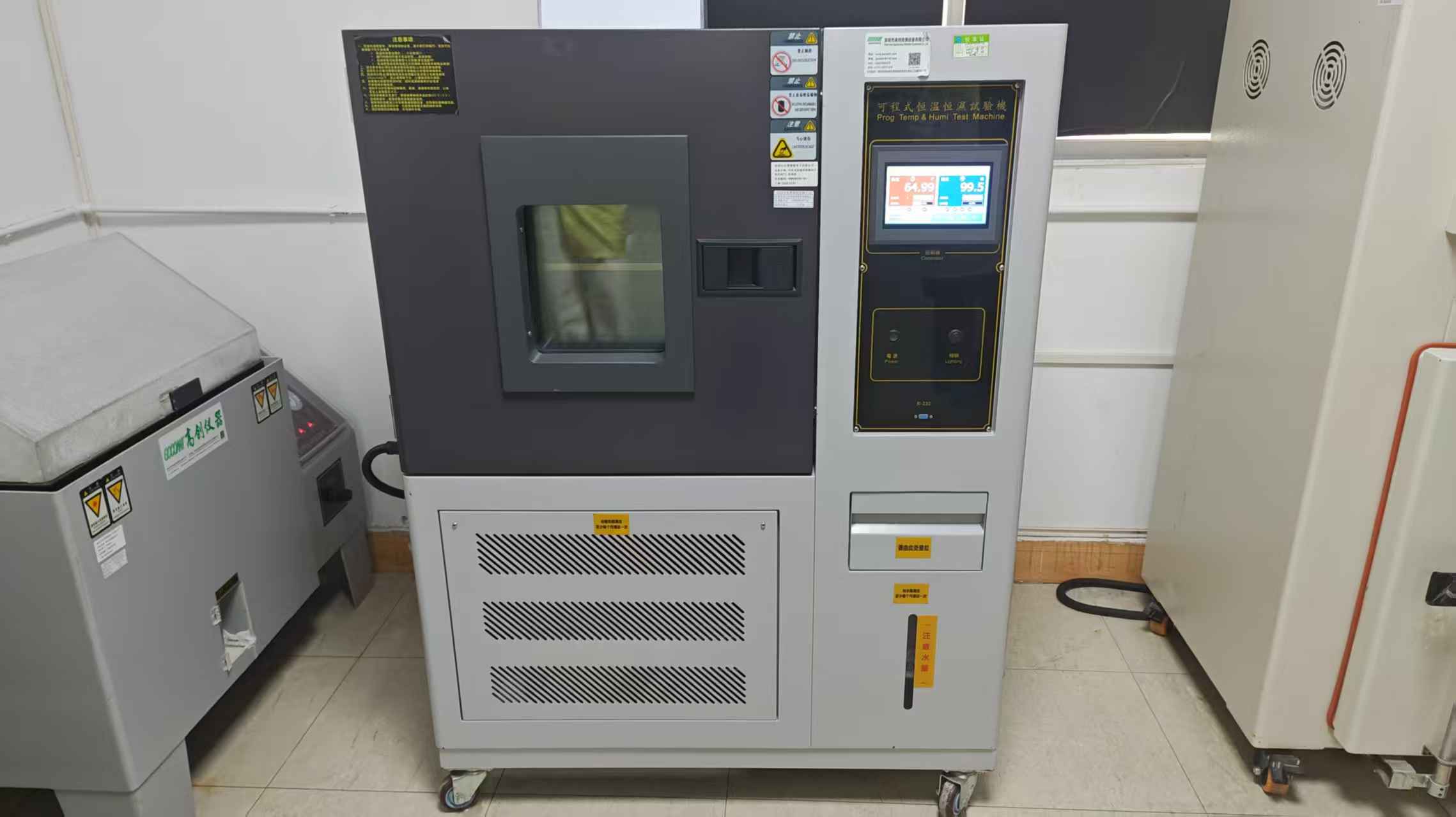
Climate Chamber Step 08
Thermal cycling from -20°C to +60°C with 95% relative humidity testing epoxy delamination resistance.
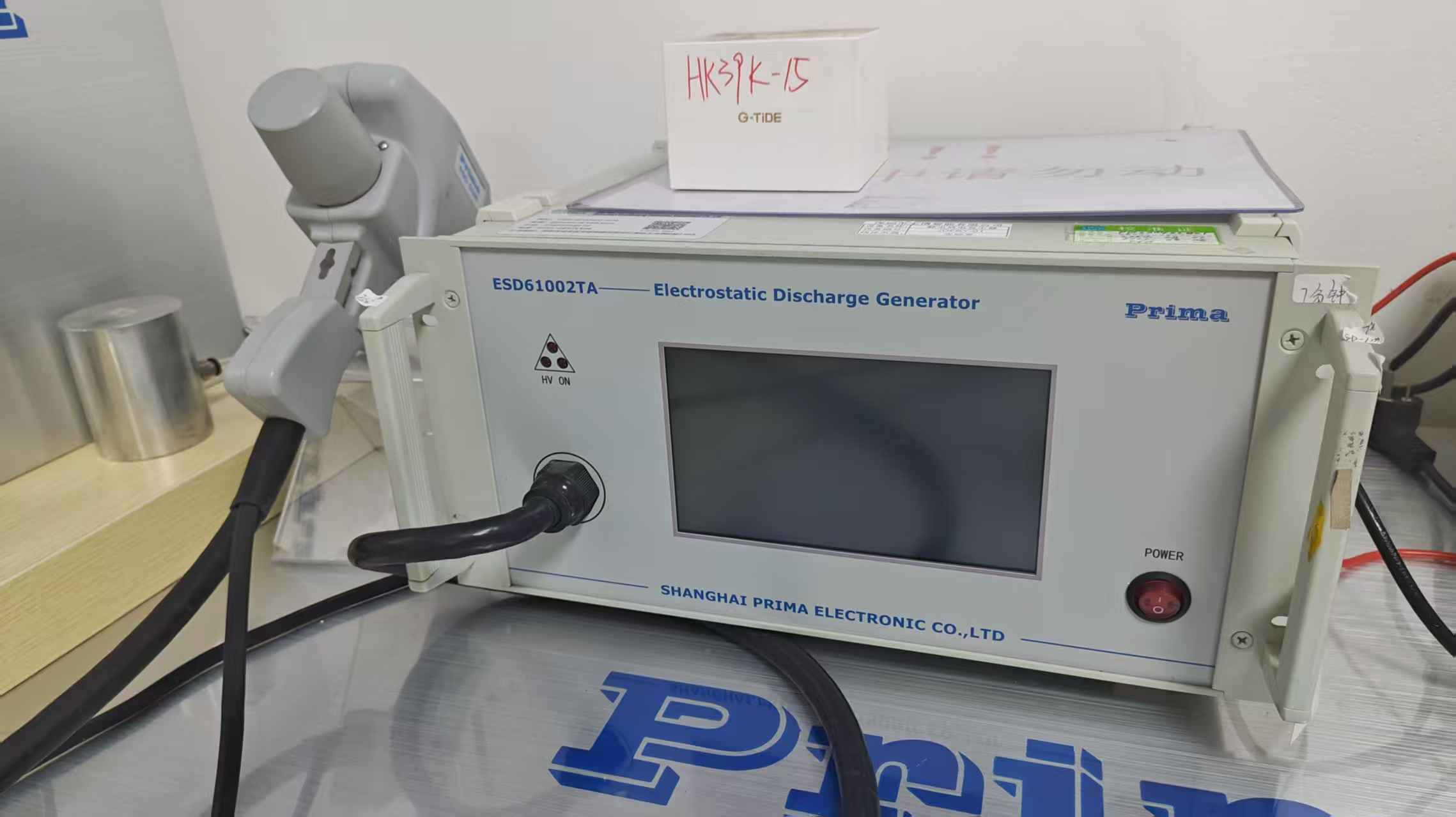
ESD Immunity Station Step 09
Contact discharge ±8kV and air discharge ±15kV protection verification guarding against winter electrostatic shocks.
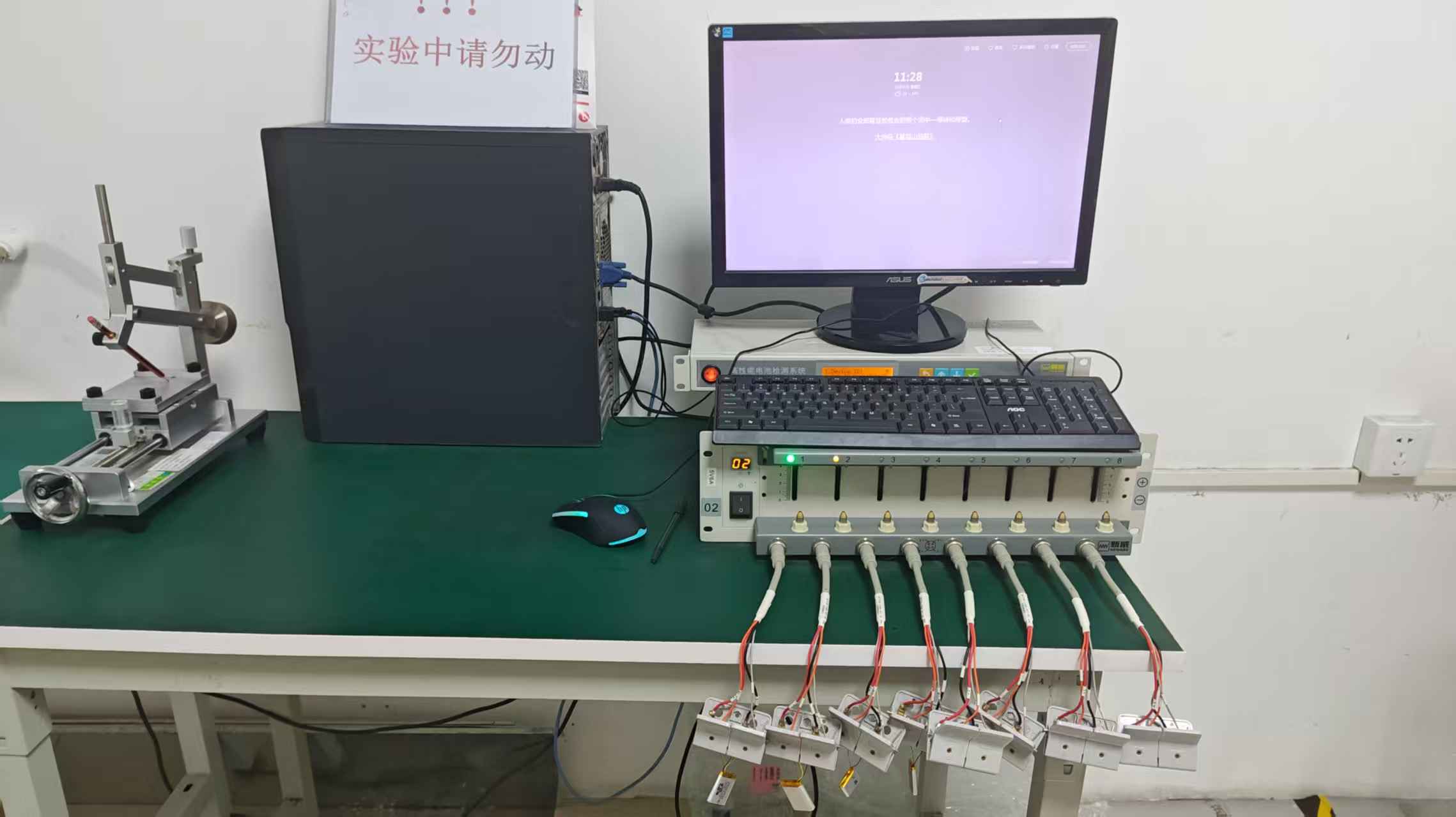
Battery Capacity Divider Step 10
Precise internal impedance and milliampere-hour discharge rating ensuring runtime specifications match client promises.
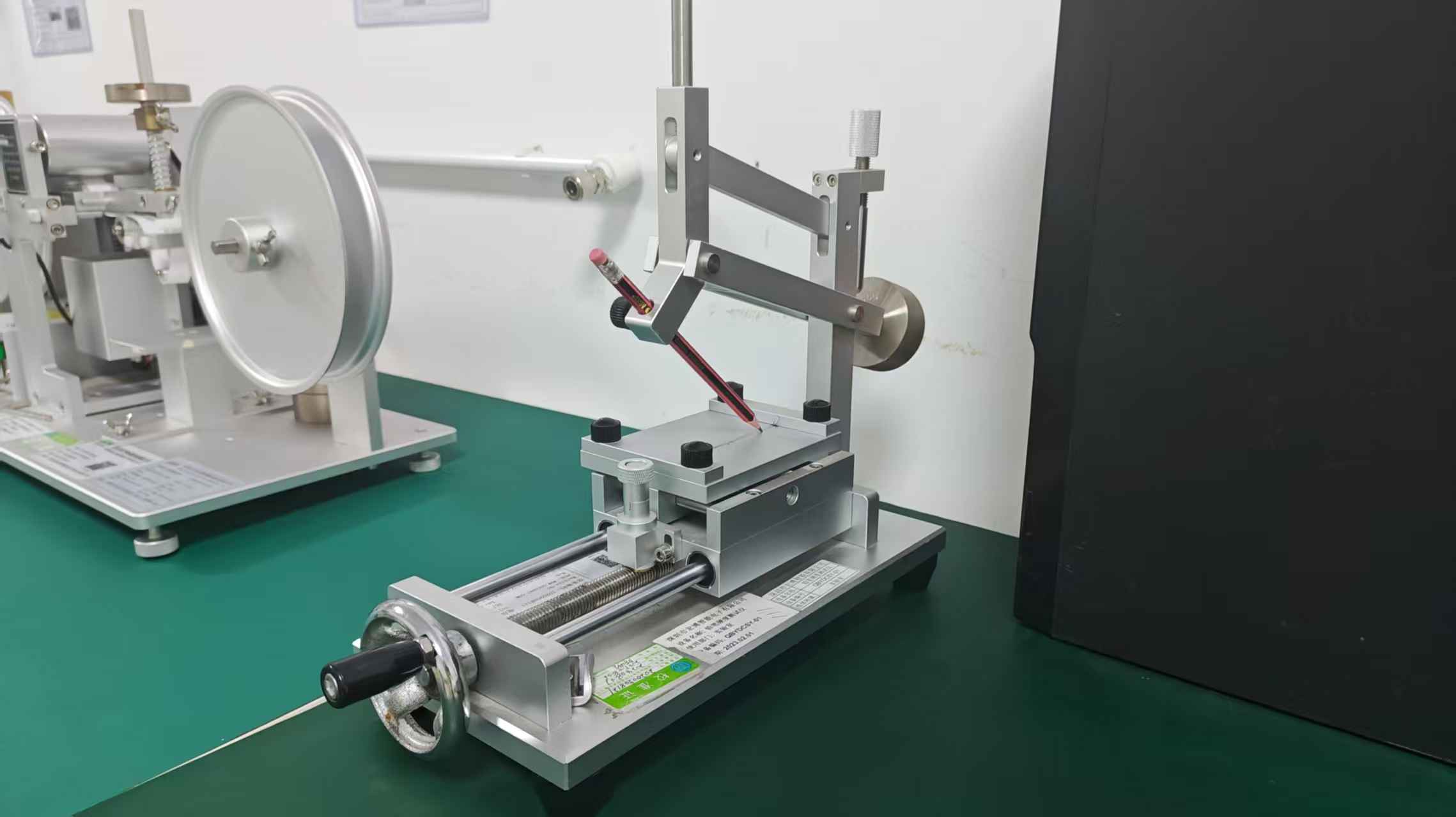
Hardness Gauge Step 11
Validates PVD coating adhesion, micro-Vickers hardness, and scratch resilience of metallic ring shells.
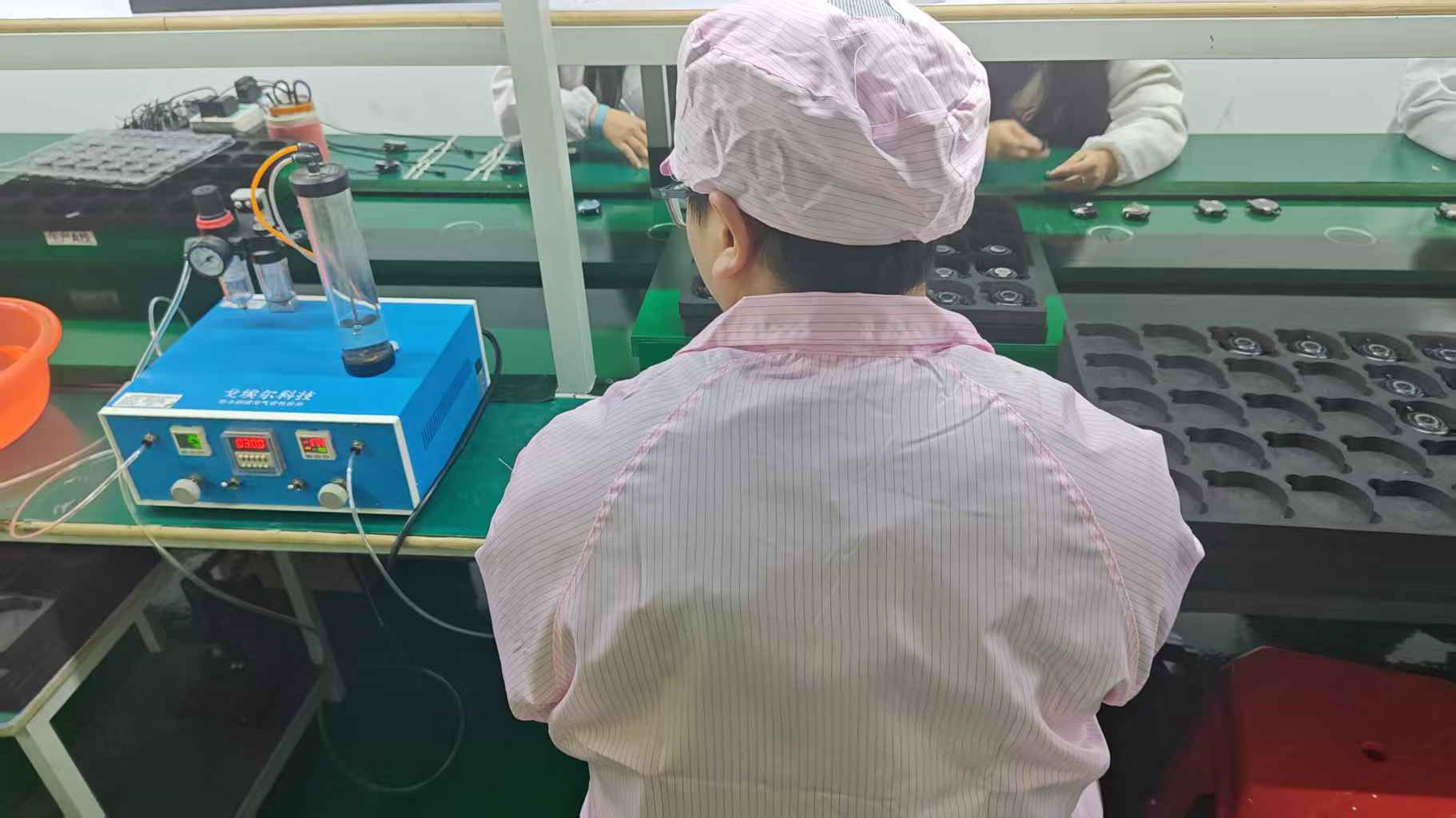
Air-Leakage Rig Step 12
100% non-destructive air-pressure differential decay testing prior to final retail packaging sealing.
Four Scalable Levels of OEM & ODM Customization
Whether validating consumer demand with agile minimum order quantities or designing an exclusive patented medical ring from scratch.
Minor Private Label
Fastest turnaround for brand launch:
- Precision laser engraved logo
- Customized retail gift box & tray
- Localized multi-language user manual
- Custom companion app splash screen
Sample-Based Build
Adapting proven reference units:
- Custom PVD plating (Gold, Rose Gold, Matte)
- Inner transparent vs. opaque resin colors
- Sizing kit optimization (US 6# to 14#)
- Battery capacity trade-off adjustments
Design-Based ODM
Hardware tailored to your product ID:
- Custom outer shell tooling (Titanium/Ceramic)
- Modified optical sensor placement geometry
- Unique wireless charging cradle housing
- Firmware logic & BLE UUID personalization
Full Turnkey Solution
End-to-end proprietary development:
- Exclusive PCBA architecture and SiP packaging
- Proprietary sleep & arrhythmia algorithms
- Native iOS & Android custom white-label SDK
- Target market regulatory filings (CE, FCC, RoHS)
Frequently Asked Questions in Sleep Ring Procurement
Everything you need to know about factory audits, SDK integration, ring sizing logistics, and compliance.
What is the standard Minimum Order Quantity (MOQ) for custom sleep rings?
How do you handle the consumer sizing challenge in direct-to-consumer ring distribution?
Can Brainox provide raw sensor data, BLE APIs, or an open SDK for proprietary apps?
How is true IP68 or 5ATM water resistance ensured in a seamless ring structure?
What international testing certifications and hazardous material reports are available?
What is the typical battery lifespan and degradation curve of micro curved cells?
Scale Your Wearable Brand with Songshan Lake’s Top Manufacturer
Whether you require evaluation samples, comprehensive SDK documentation, custom titanium finish consultation, or a formal BOM price breakdown, our Dongguan engineering team is ready to assist.