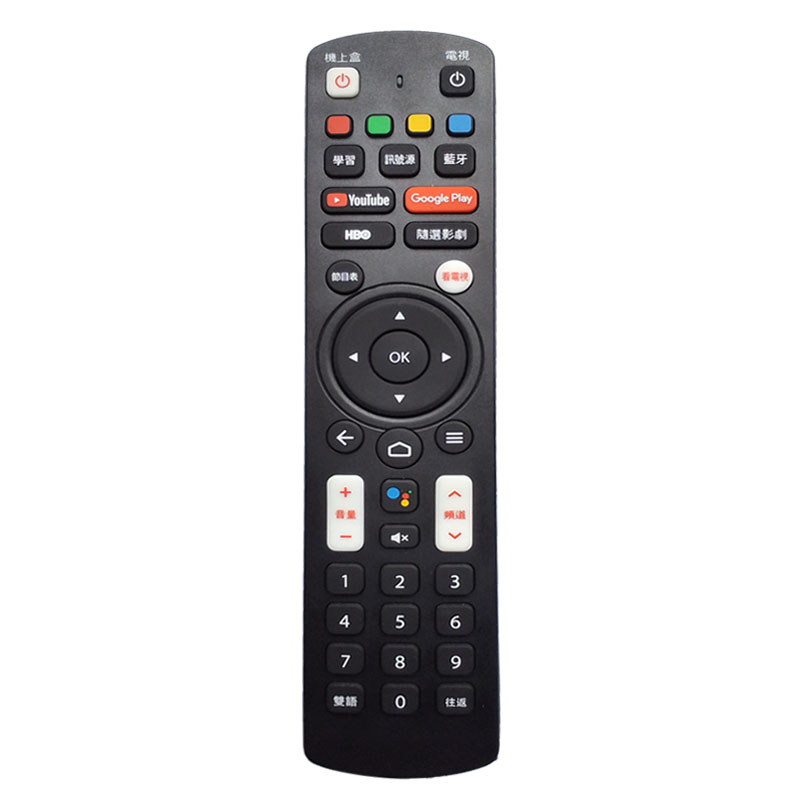
Manufacturer Customized 41 Key Remote Control OEM Remote Control for Smart TV
Custom PCBA interface, IR & Bluetooth BLE dual-mode, ultra-low power microcontroller unit for peripheral interactive ecosystems.
Engineered for seamless micro-encapsulation, high sensor precision, and prolonged standby. All hardware modules are verified under strict SGS quality control protocols.
Custom PCBA interface, IR & Bluetooth BLE dual-mode, ultra-low power microcontroller unit for peripheral interactive ecosystems.
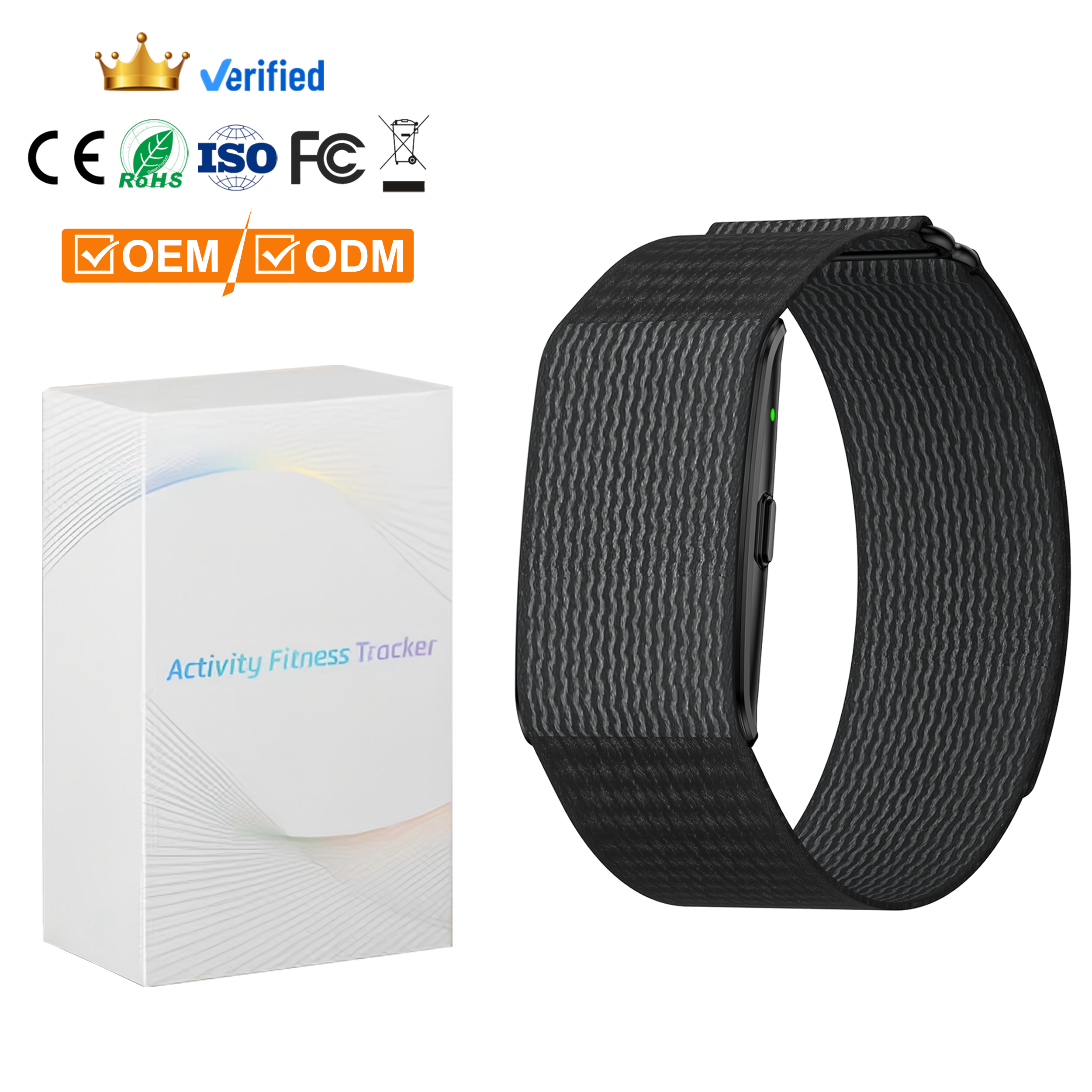
Continuous photoplethysmography (PPG) sensor, 30 days standby, 24/7 blood pressure and resting heart rate bio-tracking algorithms.
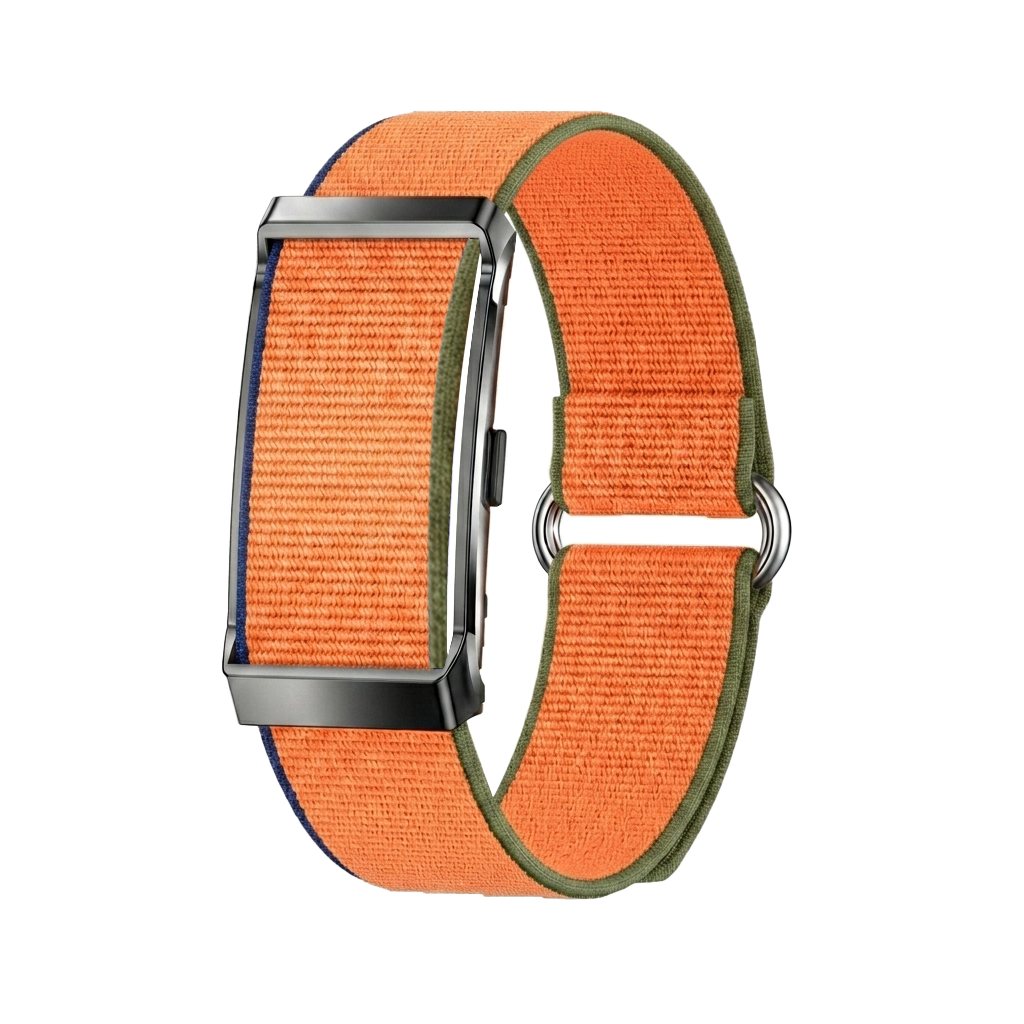
High-precision NTC skin temperature thermistor, red/infrared SpO2 bio-sensor array, BT5.2 low-latency data sync, 170 workout tracking profiles.
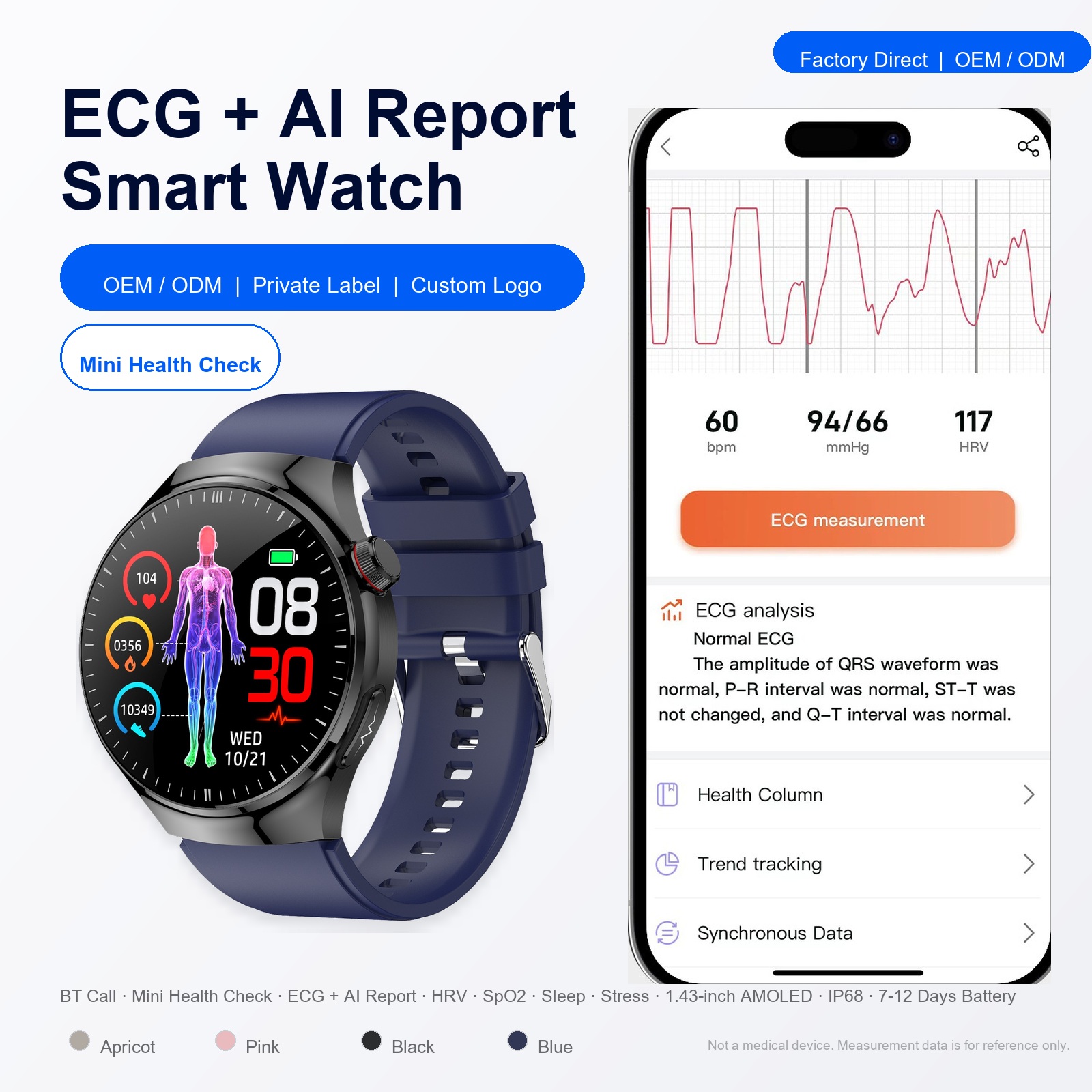
Single-lead micro-ECG dry contact electrodes, Lorentz scatter plot HRV analysis, 466x466 high-definition AMOLED panel, IP68 waterproof design.
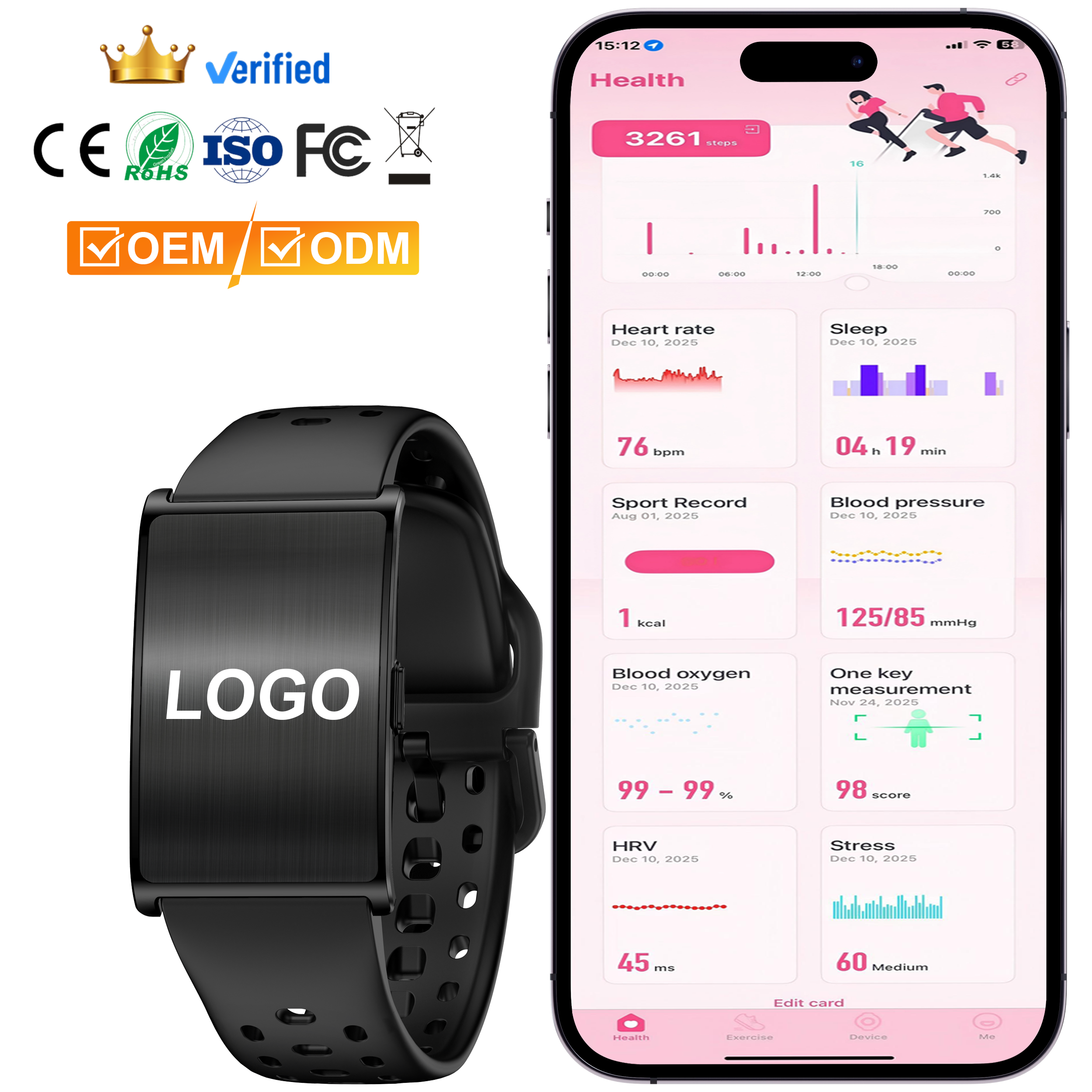
Minimalist screen-free architecture, 180mAh high-density pure cobalt pouch cell, sealed epoxy waterproof encapsulation for 5ATM endurance.
Precision CNC mold tooling, reinforced N52 neodymium magnetic ring array, sapphire-grade integrated lens film scratch defense layer.
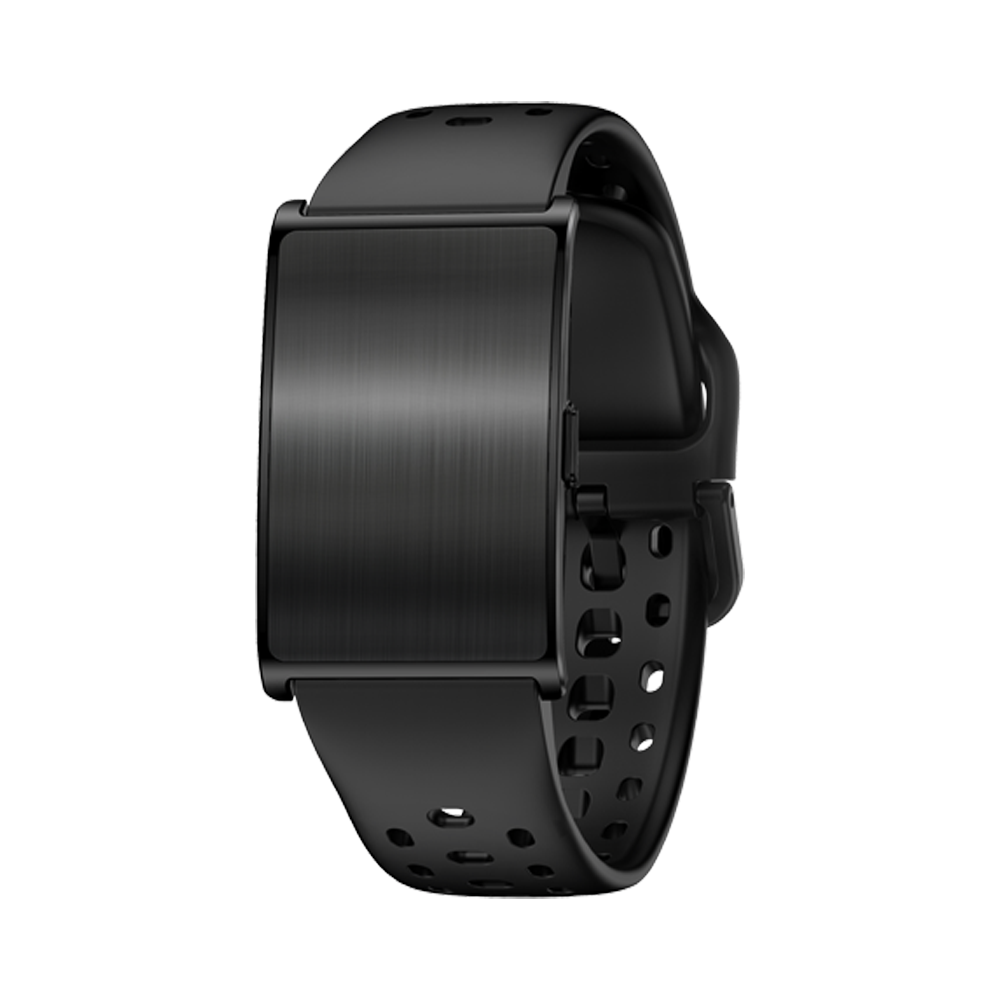
Multi-wavelength dual optical paths, micro-vibration motor haptic alerts, dynamic HRV frequency domain tracking, breathable hypoallergenic strap.
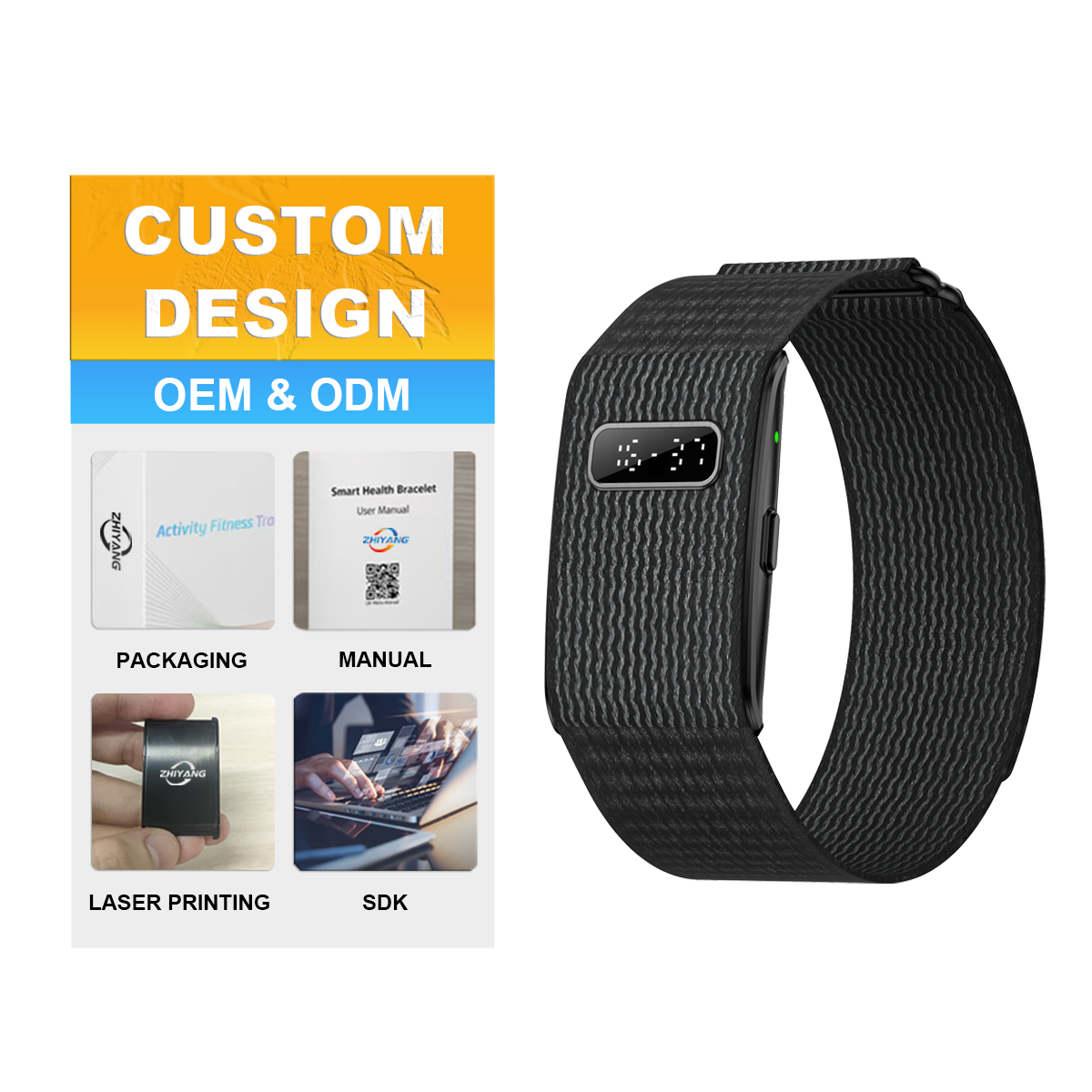
Integrated LED micro numeric matrix, remote smart-shutter controller, 24-hour continuous biometric analysis, dual nylon/silicone modular straps.
The global demand for non-invasive, continuous health monitoring has accelerated the transition toward smart rings. Unlike wrist-worn fitness trackers, a smart ring sits against the palmar digital arteries of the finger, where the capillary beds are significantly denser and closer to the skin surface. This physiological orientation yields a photoplethysmography (PPG) signal-to-noise ratio (SNR) that is demonstrably superior to that achieved at the dorsal wrist. However, packaging multi-wavelength optical sensors, a 3-axis accelerometer, a Bluetooth Low Energy (BLE) system-on-chip (SoC), power management ICs (PMIC), and a custom-curved lithium-ion cell within an inner diameter of 16 to 22 mm and a wall thickness under 2.8 mm represents the pinnacle of modern wearable hardware design.
Procurement directors from North America and Europe are shifting procurement frameworks from generic catalog purchasing toward deep-tier structural customization. Key procurement trends shaping the 2026–2030 manufacturing landscape include:
Over the next 3 to 5 years, the convergence of edge computing and sub-miniature sensors will transform smart rings from passive data loggers into active edge-diagnostic terminals:
Non-Invasive Continuous Glucose Trend & Metabolic Profiling: By incorporating multi-spectral optical arrays (green, red, near-infrared, and short-wavelength infrared LEDs) combined with machine learning models running locally on ultra-low-power ARM Cortex-M33 microcontrollers, smart rings will track relative changes in interstitial glucose signatures without transcutaneous needle puncture.
NFC Secure Element for Contactless Payments & Digital Identity: Integrating an EMVCo-certified secure element (SE) into the conductive shell enables tokenized NFC payments, electronic door locks, and transit ticketing, eliminating reliance on smartphones or physical cards while maintaining 5ATM water-resistance.
Micro-Air Sac Pressure Sensing and Arterial Stiffness: Advanced pipeline R&D incorporates sub-millimeter piezoelectric transducers capable of calculating pulse wave velocity (PWV) directly from the digital artery, providing real-time vascular compliance and arterial age estimates.
| Wearable Form Factor | PPG Signal Quality (Arterial SNR) | Sleep Ergonomics (Comfort Index) | Battery Density / Standby | Waterproofing Complexity | Typical Primary Application |
|---|---|---|---|---|---|
| Smart Health Ring | High (Palmar Digital Artery) | 98% (Non-intrusive, zero screen) | 18–24mAh (5 to 7 Days) | Extreme (Epoxy Vacuum Potting) | Sleep staging, Recovery, HRV, Temperature |
| Screenless Band (e.g. H59Pro) | Moderate (Radial Artery, Wrist) | 88% (Low-profile wrist wear) | 180mAh (30 to 50 Days) | High (Ultrasonic Plastic Weld) | Clinical trials, Wellness subscriptions, B2B care |
| AMOLED Health Watch (e.g. TK26P) | Moderate to High (Multi-path PPG) | 65% (Screen bulk can disrupt sleep) | 280–400mAh (3 to 7 Days) | Moderate (Gasket & O-ring seals) | Active sports, BT calling, ECG diagnostics |
| Air Pump BP Watch (e.g. TK65) | Very High (True Oscillometric Cuff) | 40% (Rigid double-layer strap) | 230–350mAh (2 to 4 Days) | Moderate (Air duct manifold seals) | Hypertension monitoring, Geriatric care |
Combining Songshan Lake's high-density electronics supply chain with SGS on-site verified manufacturing integrity, we bridge conceptual industrial design and mass commercialization.
Dongguan Brainox Technology Co., Ltd. is verified directly on-site by SGS Group. Our operational legitimacy, corporate governance, cleanroom assembly lines, and technical staffing have undergone exhaustive third-party verification.
From simulated transport vibration meters, drum drop testers, and programmable constant temperature/humidity chambers to salt-spray corrosion cabinets, our hardware passes exhaustive environmental stress screening.
Every production run undergoes strict component-level IQC, automated Bluetooth RF calibration, high-potential dielectric voltage testing, battery cell grading, ESD immunity checks, and non-destructive air-pressure leak tests.
Scale your financial investment precisely to your brand stage—from rapid turn-around private labeling to bespoke micro-tooled architecture.
Laser-etched brand identity, custom Pantone coatings, retail packaging box design, customized user quick-start manuals, and localized companion app splash screens. Fast turnaround with minimal MOQ.
Reverse engineering and optimization based on physical target golden samples. Re-layout of FPC routing, antenna restructuring, and mechanical tolerances to achieve higher yield and lower BOM cost.
Converting your 3D CAD/STP files and industrial ID into verified DFM (Design for Manufacturing) tooling. In-house mold engineering, CNC tooling, and prototype vacuum silicone molding.
End-to-end ground-up platform development: custom Nordic or Realtek BLE SoC firmware, tailored biometric DSP algorithm integration, proprietary cloud API/SDK sync, and turnkey mass production.
Answers to critical technical, compliance, and logistics questions commonly raised by international purchasing teams.
Connect with Dongguan Brainox Technology's sales engineers today. Receive detailed engineering datasheets, RF performance reports, pricing tiers, and complete sample evaluation kits.