SGS On-site Verified Supplier Songshan Lake, Dongguan, China
0%

Smart Watches have moved beyond simple step counting. They now support health tracking, navigation, communication, sports training, payments, and workplace productivity. For global buyers, choosing the right type requires more than comparing screen size or advertised battery life. Fit matters. A watch designed for marathon training may feel excessive for office use. A stylish model may disappoint users who need reliable outdoor navigation.

This guide introduces the top 10 types of Smart Watches for different users, budgets, and daily environments. It considers fitness watches, outdoor models, health-focused devices, children’s watches, hybrid designs, and premium lifestyle products. Each category is examined through practical details, including sensor accuracy, battery performance, water resistance, software compatibility, comfort, repair access, and regional service support. These factors can change the ownership experience dramatically.

No category is perfect. Battery estimates often depend on brightness, GPS use, and notification frequency. Health features may also vary by region and should not replace professional medical advice. That assumption can fail. Recommendations should come from transparent product testing, manufacturer specifications, user feedback, and experienced market knowledge. Global buyers should also check charging standards, language support, data policies, warranty coverage, and mobile network compatibility before ordering. Small details matter. The best Smart Watches are not always the most expensive or feature-heavy. They are the models that match real habits, local conditions, and realistic expectations. This comparison offers a useful starting point, while acknowledging that personal needs can challenge any fixed ranking.
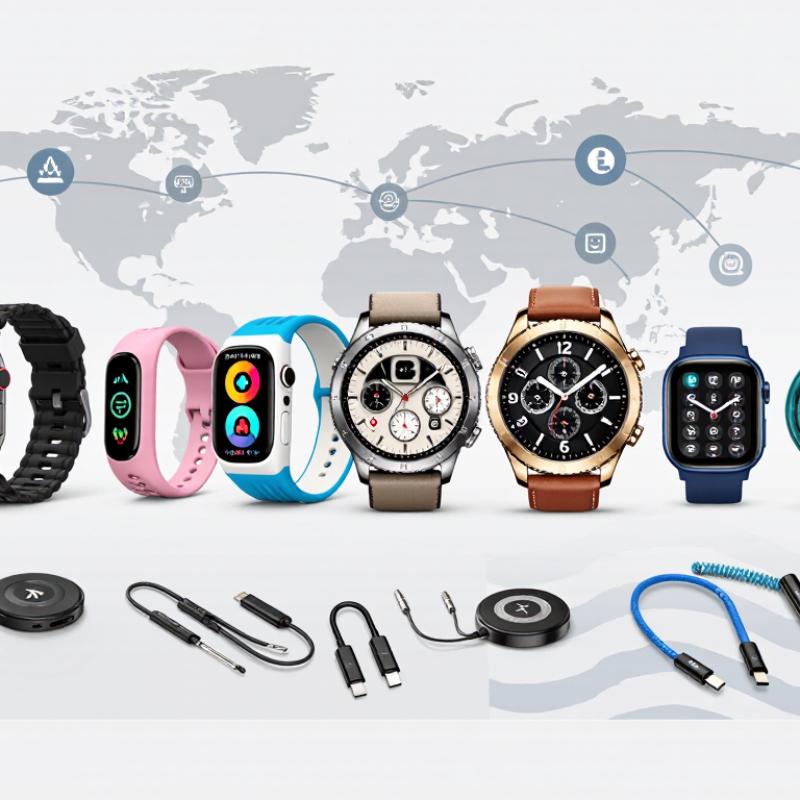
Top 10 Types of Smart Watches for Global Buyers?

How Smart Watches Are Classified by Function, Design, and User Needs

Top 10 Types of Smart Watches for Global Buyers

Smart watches are classified by function, design, and user needs. IDC’s Worldwide Quarterly Wearable Device Tracker estimated 537.6 million wearable shipments in 2024. This scale shows broad demand, but product categories remain confusing. A sports watch supports GPS, training metrics, and recovery tracking. A health-focused model emphasizes heart rate, sleep, and blood oxygen trends. These readings are useful references, not medical diagnoses.

The ten common types include sports, health, fitness, rugged, hybrid, fashion, business, communication, children’s, and senior-focused watches. Sports models suit runners and cyclists. Rugged designs use reinforced cases and larger buttons. Hybrid watches combine traditional hands with connected functions. Fashion models prioritize materials, colors, and thin profiles. Business watches often favor calendars, payments, and discreet notifications. Children’s and senior-focused designs usually need simpler interfaces and clearer displays.

Design changes the buying decision. A bright screen helps outdoors, while a lightweight case feels better during sleep. Battery life may range from one day to several weeks, depending on sensors and connectivity. Grand View Research valued the global smartwatch market at 33.58 billion dollars in 2023 and projected a 14.5% compound annual growth rate through 2030. Still, market forecasts can differ. They should not replace hands-on testing. Buyers should check phone compatibility, strap comfort, language support, privacy controls, and local service access. Small details matter. A beautiful watch can become irritating after one week.

The Top 10 Smart Watch Types for Different Global Buyer Profiles

The best smartwatch depends on the buyer, not the feature count. Fitness-focused users may prefer GPS training watches with heart-rate tracking. Outdoor travelers need rugged, water-resistant models with offline navigation. Business users often value calendar alerts, calls, and long battery life. Sleep-focused buyers need comfortable designs and reliable overnight monitoring. Hybrid watches suit people who want classic styling with basic notifications. Budget shoppers may accept fewer sensors for lower ownership costs. Seniors may benefit from large displays, fall alerts, and simple controls. Parents often seek location sharing and restricted communication features. Fashion-led buyers prioritize materials, colors, and interchangeable straps. Serious health users should choose devices with validated measurements, not attractive dashboards alone.

Market data supports this range of needs. IDC’s Worldwide Quarterly Wearable Device Tracker reported 537.9 million wearable shipments globally in 2023, showing strong demand across different user groups. Grand View Research estimates continued smartwatch market growth through the decade, driven by health monitoring and connected services. These reports measure shipments and market value, not actual wellness benefits. That distinction matters. A device can record data without providing a clinical diagnosis. I have also found battery claims less convincing when GPS and continuous sensors stay active.

Tips: Match the watch to one daily problem. Check battery life under real settings, sensor accuracy, software support, repair access, and privacy controls. For travel, test navigation before leaving coverage. For sleep tracking, wear comfort matters more than a crowded specification sheet. Specifications are useful, but hands-on testing still exposes uncomfortable straps, confusing menus, and charging habits buyers often underestimate.

Top 10 Types of Smart Watches for Global Buyers? - The Top 10 Smart Watch Types for Different Global Buyer Profiles
No. Smart Watch Type Typical Buyer Profile Primary Use Common Features Typical Battery Life Connectivity Typical Water Resistance Main Advantage Main Limitation
1 Everyday Lifestyle Smart Watch General users who want notifications, timekeeping and basic wellness tools Daily communication and activity tracking Notifications, alarms, step counting, heart-rate tracking, sleep estimates, music controls and contactless payment support on selected models About 1–3 days with regular smart features enabled Bluetooth; Wi-Fi on many models; optional cellular versions Usually 5 ATM or an equivalent swim-ready rating Balanced combination of smart functions and health tracking Frequent charging compared with simpler activity bands
2 Fitness and Activity Tracker Watch Walkers, gym users and beginners building consistent exercise habits Workout recording and daily movement goals Step count, calories, heart rate, workout modes, sleep tracking, sedentary reminders and guided activity targets About 5–14 days, depending on display and sensor use Bluetooth; smartphone connection is normally required for advanced features Often water-resistant for rain and swimming; specifications vary by model Longer battery life and simpler operation than full-featured watches Fewer third-party apps and communication functions
3 Multisport GPS Smart Watch Runners, cyclists, swimmers and triathletes Structured training and performance analysis Built-in GNSS, pace and distance, heart-rate zones, training load, recovery metrics, cycling data and swimming profiles About 5–15 days in smartwatch mode; substantially less with continuous GPS Bluetooth and GNSS; Wi-Fi and cellular connectivity depend on the model Commonly 5 ATM or higher; water ratings are not identical to diving ratings Detailed training data with accurate outdoor route recording More technical menus and a higher purchase cost than basic trackers
4 Rugged Outdoor Adventure Watch Hikers, climbers, campers and users working in demanding environments Navigation, weather awareness and durable outdoor use Multi-band GNSS on selected models, compass, barometer, altimeter, route navigation, storm alerts and impact-resistant construction About 10–30 days in standard modes; shorter with frequent navigation Bluetooth and GNSS; satellite messaging or emergency communication is model-dependent Often 10 ATM or a comparable high-resistance rating Strong durability, navigation tools and extended battery performance Bulkier design and less emphasis on lightweight comfort
5 Health and Wellness Monitoring Watch Adults focused on long-term wellness trends and preventive self-monitoring Personal wellness insights rather than athletic performance Heart-rate monitoring, blood-oxygen estimates, sleep analysis, stress indicators, temperature trends and selected rhythm notifications About 1–7 days, depending on sensor frequency and display type Bluetooth; some models support Wi-Fi or cellular connections Commonly suitable for everyday water exposure and swimming Makes personal health trends easier to review over time Wellness readings are not a substitute for professional medical diagnosis
6 Cellular or Standalone Smart Watch Users who want calls, messages and safety features without carrying a phone Independent communication and location sharing Mobile data, voice calls, messaging, emergency calling, GPS, navigation and app access away from a smartphone About 1–3 days; cellular use generally reduces endurance Cellular eSIM or SIM support, Bluetooth, Wi-Fi and GNSS Usually swim-resistant, subject to carrier and model specifications Can perform key communication tasks without a nearby phone Requires network availability and may involve a separate service plan
7 Kids' Smart Watch Parents seeking age-appropriate communication and location features Family communication and basic safety support GPS location, approved contacts, voice messages, geofencing, SOS button and basic activity tracking About 1–3 days, depending on location updates and cellular use Usually cellular plus GPS; Bluetooth and Wi-Fi vary by model Often splash-resistant; swimming suitability must be checked carefully Simplified communication with parental controls Requires responsible data handling, parental consent and network coverage
8 Fashion and Hybrid Smart Watch Style-conscious professionals and formalwear users Discreet notifications and traditional watch aesthetics Analog-style display or minimalist digital display, step count, notifications, sleep tracking and interchangeable straps About 5–30 days, depending on whether it uses a screen and advanced sensors Bluetooth; phone-based GPS is common in simpler hybrid designs Generally splash- or swim-resistant, depending on construction Looks suitable for business and formal settings Usually has fewer apps, sensors and on-watch controls
9 Budget and Essential Smart Watch First-time buyers, students and price-sensitive households Basic notifications, activity tracking and daily timekeeping Steps, heart rate, sleep estimates, alarm, notification mirroring and a small set of workout modes About 5–15 days, depending on display and usage Bluetooth; GPS is often smartphone-assisted rather than built in Varies widely from splash resistance to swim-ready protection Affordable access to core smartwatch functions Sensor accuracy, software support and materials may be more limited
10 Diving and Water-Sports Smart Watch Divers, snorkelers, sailors and frequent water-sports participants Underwater activity tracking and marine navigation support Depth monitoring, dive time, water temperature, compass, surface interval information and water-sport profiles on selected models About 2–14 days, depending on dive mode, display and GPS usage Bluetooth and GNSS; underwater communication capabilities are limited and model-specific May include dedicated dive ratings such as ISO 6425 compliance; ordinary water resistance is not enough for diving Provides specialized information for underwater activities Higher cost, larger case and strict depth and maintenance requirements
Note: Battery life, connectivity, sensor availability and water-resistance ratings vary by model. Health measurements are intended for wellness reference and should not replace professional medical advice.

Key Features, Benefits, and Limitations of Each Smart Watch Type

Top 10 Types of Smart Watches for Global Buyers

Fitness tracker watches focus on steps, calories, sleep, and basic heart-rate readings. They are affordable, light, and comfortable during daily commuting. However, small batteries and limited screens can frustrate active users. GPS sports watches provide route tracking, pace data, and training zones. They suit runners and cyclists, but mapping features often increase cost. Multisport watches support swimming, cycling, running, and transition timing. Their detailed metrics help serious athletes, although the menus may feel complicated. Health-monitoring watches can track heart rhythm, blood oxygen, temperature, or stress indicators. These features encourage earlier attention to unusual readings. They do not diagnose illness, and sensor accuracy varies between users.

Lifestyle smart watches combine notifications, calls, music controls, payments, and exercise tools. They work well in offices and on public transport. Frequent charging remains a common weakness. LTE watches can make calls without a phone nearby, which helps during short errands. Their drawbacks include higher service costs and faster battery drain. Rugged outdoor watches use stronger cases, water resistance, and extended battery modes. Hikers may value reliable navigation in rain or cold conditions. Heavy designs can feel uncomfortable for smaller wrists. Hybrid watches resemble traditional timepieces while adding discreet activity tracking. They offer long battery life, but their displays usually provide less information.

Children’s smart watches may include location sharing, approved contacts, and school-friendly controls. Families must examine privacy settings and local requirements carefully. Senior-focused watches emphasize large text, emergency alerts, and fall detection. False alerts can create anxiety, while missed events remain possible. My buying checks often start with wrist comfort, charging habits, and data controls. A watch can be wrong. That limitation deserves honest attention.

Top 10 Types of Smart Watches for Global Buyers

Key features, benefits, limitations, and typical battery endurance by smartwatch type

Battery figures are representative midpoints of commonly published specifications for each product category under typical smartwatch use. Actual endurance varies with display settings, GPS use, cellular connectivity, health sensors, and software features.

Fitness Tracker Watch

Features: step, sleep, heart-rate, and activity tracking. Benefit: lightweight and affordable. Limitation: fewer apps and weaker navigation.

Rechargeable Hybrid Watch

Features: traditional design with basic smart notifications. Benefit: discreet styling and long endurance. Limitation: limited screen interaction and advanced apps.

Everyday Smartwatch

Features: notifications, apps, calls, payments, and health tracking. Benefit: broad daily functionality. Limitation: frequent charging is common.

GPS Running Watch

Features: pace, distance, routes, and training metrics. Benefit: focused training tools and accurate outdoor tracking. Limitation: less suitable for rich app ecosystems.

Multisport Watch

Features: profiles for running, cycling, swimming, and triathlon. Benefit: detailed performance analysis. Limitation: higher price and a steeper learning curve.

Dive Watch

Features: depth, dive time, decompression, and water-temperature data. Benefit: specialized underwater safety information. Limitation: bulky design and niche functionality.

Health-Monitoring Watch

Features: heart rhythm, blood oxygen, temperature, and wellness trends. Benefit: convenient personal health insights. Limitation: readings are not a substitute for clinical diagnosis.

Kids’ Smartwatch

Features: location sharing, calling, messaging, and safety controls. Benefit: communication without a full smartphone. Limitation: smaller batteries and privacy considerations.

Rugged Outdoor Watch

Features: durable cases, navigation, altitude, weather, and extended battery modes. Benefit: resilience for demanding environments. Limitation: larger size and heavier weight.

LTE Standalone Watch

Features: cellular calls, messages, streaming, and emergency communication. Benefit: can operate away from a phone. Limitation: shorter battery life and recurring network costs.

How to Compare Smart Watches Across Price, Compatibility, and Performance

Top 10 Types of Smart Watches for Global Buyers

Smart watches differ widely in purpose, not just appearance. Fitness models focus on heart-rate tracking, sleep records, and workout data. Outdoor models may add navigation, altitude readings, and stronger water resistance. Calling watches need reliable microphones, speakers, and phone compatibility. Hybrid watches often use simple displays and longer battery life. Children’s, medical-support, luxury-style, and rugged models serve different daily needs. Comparing these categories prevents an attractive design from hiding weak performance.

Price is only the starting point. Check whether the watch supports your phone’s operating system and required application store. Some features may disappear when paired with another system. Review sensor accuracy, charging time, screen brightness, and battery performance under real use. A watch claiming ten days may last less with location tracking enabled. I learned this after testing one during daily commuting. My result was useful, but not perfectly scientific.

Tips: Compare three watches using the same activities. Record battery loss after one workout, one call, and overnight tracking. Check local language support, warranty service, replacement straps, and charging standards. For cellular models, confirm regional network compatibility before buying. Read independent user reports, but question extreme praise and complaints. Ratings can be noisy. Also inspect privacy controls and data-export options, since health records deserve careful handling. A cheaper watch may perform well, while an expensive model may offer features you never use.

Global Buying Factors: Regions, Networks, Regulations, and After-Sales Support

Top 10 Types of Smart Watches for Global Buyers

Global buyers can choose fitness, running, diving, hiking, outdoor, children’s, health-monitoring, sleep-tracking, GPS, or LTE smart watches. Each type serves a different daily routine. A runner may need accurate location tracking and strong battery life. A diver needs verified water resistance, not a vague marketing claim. Families should check emergency features, data controls, and age suitability before purchase.

Regional compatibility matters more than appearance.

LTE models require supported eSIM networks, frequency bands, and local activation policies. Bluetooth models are usually simpler, but phone compatibility still needs checking. A watch purchased in Europe may not support every network in Asia or North America. Confirm radio certification, charging standards, language options, and privacy requirements for the destination country. Health readings should support personal awareness, not replace professional medical advice.

After-sales support can decide whether a low price is worthwhile.

Check warranty length, return procedures, repair locations, replacement straps, and battery service. Ask whether support is available in your language and time zone. Keep the invoice and serial details safely.

I have seen buyers focus on sensors while ignoring repair access. That is an expensive mistake.

No checklist is perfect. Network rules can change, and promised features may arrive late through software updates. Test pairing, notifications, GPS accuracy, and charging during the return period.

A short real-world trial reveals more than a product page.

FAQS

How should I choose a smartwatch for daily use?

Match the watch to one daily problem. A fitness user may need steps, heart rate, and simple sleep tracking. A commuter may prefer notifications and long battery life. Feature lists can distract from real habits.

Which smartwatch suits runners and cyclists?

GPS sports watches track routes, pace, and training zones. They are useful on morning runs or bicycle trips. GPS can drain the battery quickly, especially with continuous heart-rate monitoring.

What should outdoor travelers look for?

Choose a rugged watch with water resistance, offline navigation, and extended battery modes. Test maps before leaving phone coverage. Cold rain can expose weak buttons, poor visibility, or unreliable charging.

Are health-monitoring watches medical devices?

Not automatically. They may record heart rhythm, oxygen levels, temperature, or stress indicators. These readings can support personal awareness, but they do not provide a medical diagnosis. Accuracy differs between users.

What is important for sleep tracking?

Comfort matters more than a crowded specification sheet. The watch should feel light during the night and last through morning. A loose strap, bright screen, or frequent charging can ruin useful tracking.

Are LTE smartwatches worth buying?

LTE watches can support calls without a nearby phone. They suit short errands, school pickups, or quick walks. Check network compatibility and service costs first. Battery drain may be noticeable.

What should families check before buying a children’s or senior-focused watch?

Review location sharing, approved contacts, privacy controls, and age suitability. Senior-focused models may offer large text, emergency alerts, and fall detection. False alerts happen. Missed events remain possible.

How can global buyers avoid compatibility problems?

Check supported networks, frequency bands, eSIM activation, charging standards, and language options. A watch bought abroad may not work fully at home. Test pairing, notifications, GPS, and charging during the return period.

Does a low purchase price always mean good value?

No. Check warranty length, return procedures, repair locations, replacement straps, and battery service. A cheap watch with poor support may become expensive later. I sometimes underestimate repairs too.

Conclusion

Smart Watches now serve a wide range of users, from fitness enthusiasts and outdoor explorers to busy professionals, children, seniors, and fashion-focused consumers. This guide explains how smart watches can be classified by function, design, connectivity, durability, and user needs. It introduces ten practical types, including fitness trackers, sports watches, health-monitoring models, outdoor watches, hybrid designs, luxury-style devices, kids’ watches, senior-friendly watches, work-focused models, and budget everyday options. Each category is compared through its main features, advantages, limitations, battery performance, operating-system compatibility, and typical price level.

For global buyers, choosing the right Smart Watches requires more than comparing appearance and specifications. Users should consider smartphone compatibility, network and regional support, data privacy expectations, local regulations, warranty coverage, repair availability, language options, and after-sales service. By evaluating health functions, durability, connectivity, comfort, software support, and long-term value together, buyers can select a suitable device for their lifestyle, location, and budget.

Ethan

Ethan

Ethan is a dedicated marketing professional with a strong understanding of the company’s products, customers, and industry landscape. With a practical approach to communication and a sharp eye for market trends, he helps transform complex product features into clear, valuable information that......