SGS On-site Verified Supplier Songshan Lake, Dongguan, China
0%

Choosing a Bluetooth Smartwatch in 2026 means comparing more than screen size and style. Global buyers also need to consider phone compatibility, regional availability, battery life, and language support. A watch that pairs smoothly with one phone may offer fewer features with another. Small details matter.

This guide looks at practical differences among current smartwatch options, including call handling, notifications, fitness tracking, GPS, charging, and water resistance. It also considers how specifications translate into everyday use: a bright display helps outdoors, while a comfortable strap matters during a long commute or overnight wear. Battery estimates vary with settings and usage, so treat them as guidance, not a promise. Health readings can be useful for general awareness, but they are not a medical diagnosis.

There is no perfect pick. Some models prioritize accurate navigation; others offer longer battery life or broader phone support. Prices and feature availability can change by country, retailer, and software update. Check the manufacturer’s current specifications and local support before buying, especially if you rely on contactless payments, cellular service, or a particular health feature. A little caution helps. The right choice is the one that fits your phone, routine, and budget—not simply the model with the longest feature list.
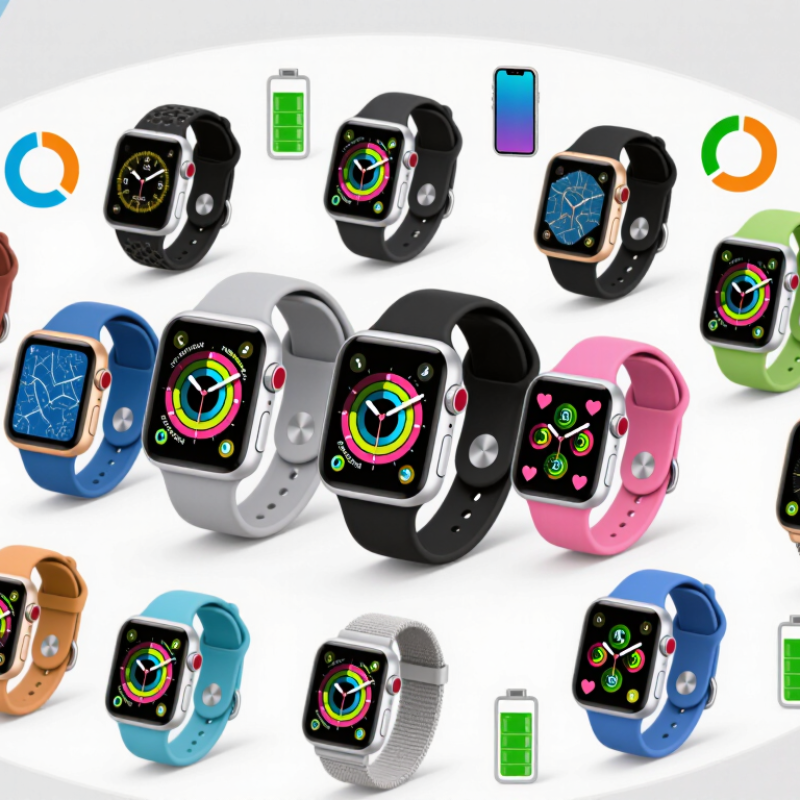
Best Bluetooth Smartwatch 2026 for Global Buyers

What Defines a Bluetooth Smartwatch in 2026

A Bluetooth smartwatch in 2026 is a wrist-worn device that exchanges data with a compatible phone over Bluetooth. It can display calls, messages, calendar alerts, and app notifications without needing a cellular connection of its own. Some models include a microphone and speaker for calls, while others only show alerts. The distinction matters. A watch that looks connected may still depend on your phone for internet access, maps, or fresh weather data. Check the actual feature list, not just the word “smart.”

Health sensors add useful context, but they are not a substitute for medical evaluation. Step counts, heart-rate readings, and sleep estimates can vary with fit, movement, and skin contact. A loose watch during a brisk walk can produce messy results. Bluetooth range also depends on obstacles and the devices being paired; a phone in another room may disconnect.

App compatibility deserves attention, too. Some features work only with particular phone operating systems or companion apps, and support can change over time. Battery life is another practical measure: frequent notifications, calls, and screen use may shorten the quoted estimate.

A small screen is convenient, but tapping tiny controls with damp fingers can be frustrating. That part is easy to overlook. Check what data is stored, what permissions the app requests, and whether everyday features remain useful when the phone is not nearby.

How to Compare Features, Performance, and Battery Life

Choosing a Bluetooth smartwatch for global use starts with the features you will actually rely on. Check that its companion app supports your phone’s operating system and preferred languages. Call functions may depend on your phone, network, and local availability, so verify them before buying. If you travel, test how easily the watch reconnects after your phone leaves Bluetooth range. Small details matter.

Compare performance during ordinary tasks, not just advertised peak features. A responsive screen should show notifications quickly, while menus should remain usable with damp fingers or outdoors. Check whether health readings are presented as estimates, not medical diagnoses. GPS accuracy can vary near tall buildings, under heavy tree cover, or indoors. That limitation is easy to overlook.

Battery life depends on settings. Frequent GPS sessions, an always-on display, and continuous heart-rate tracking can shorten time between charges. Look for independent tests that explain their settings, then compare them with your own routine. A watch lasting several days with basic notifications may need nightly charging during intensive workouts. I would also check charging time and cable availability where you live. Specifications rarely tell the whole story. A week of real use may change your mind.

Checking Phone Compatibility and Regional Limitations

A smartwatch can pair successfully and still miss key features. Before buying, check the phone’s operating-system version, required companion app, and regional app-store availability. Some functions depend on the app, not just Bluetooth: message replies, health-data syncing, and call controls may work differently across phones. A pairing screen can be reassuring, but it does not prove every feature will work.

Scale matters. The GSMA’s Mobile Economy 2024 report estimated that 4.6 billion people used mobile internet in 2023, or 57% of the global population. Bluetooth SIG’s 2024 Market Update projected 5.4 billion Bluetooth device shipments annually by 2028. These figures show broad connectivity, not guaranteed compatibility. Regional versions may also differ in cellular bands, payment support, emergency features, or warranty coverage. Check the exact model number and the maker’s compatibility list for your country. Tiny details matter.

Tips: Before checkout, confirm your phone’s OS, app-store region, and supported languages. Ask whether setup requires a local account or SIM. If possible, test pairing in-store and open the health app. Save the return terms. One caveat: regional support pages can lag behind software updates, so verify with customer service when a feature is essential.

Comparing Prices, Warranties, and Global Availability

A smartwatch’s displayed price is only the starting point for a global comparison. Add shipping, currency conversion, local taxes, and any required charging accessories before judging two offers. A lower listing can cost more at checkout. Prices may also shift between regions or during seasonal sales, so check the final payment page rather than relying on an old screenshot. Small details matter.

Warranty terms deserve the same attention as the price. Read whether coverage applies in your country, how long it lasts, and who pays for return shipping. Check whether the battery, screen, and water damage have separate conditions. Keep the receipt and save a copy of the warranty page. Even careful comparisons can miss a small exclusion; that is easy to overlook.

Global availability means more than seeing “in stock.” Confirm delivery estimates, local-language setup, phone compatibility, and access to the companion app in your region. Some models may have different connectivity features or support depending on the market. Ask the seller about local repair options before buying, especially if a replacement would need to cross borders. A few minutes spent checking these details can prevent a frustrating purchase.

Choosing a Bluetooth Smartwatch for Your Needs

Choosing a Bluetooth smartwatch for your needs starts with your daily routine, not a feature list. If you walk to work, check whether the watch stays connected when your phone is in a bag. At a desk, clear vibration alerts may matter more than a bright outdoor screen. Think about the tasks you will actually use. A long list of functions can look impressive, then sit untouched.

Check phone compatibility before comparing designs. Bluetooth versions and app support can affect setup and everyday reliability, so confirm details in the product specifications. Battery life also depends on settings. Frequent notifications, continuous heart-rate readings, and a bright display may mean more charging. That can be inconvenient. Consider whether you prefer a simple daily charge or fewer interruptions during the week.

Fit deserves a practical test. A bulky case may catch on a jacket cuff, while a stiff band can feel unpleasant after several hours. Look for readable text, straightforward controls, and a comfortable strap size. Water-resistance ratings vary, so check the stated rating rather than assuming every watch suits swimming. I would not choose by appearance alone; comfort is easy to underestimate until the first long day. No option is perfect. Match the features to your habits, and leave room to change your mind.

FAQS

What makes a smartwatch Bluetooth-connected?

It exchanges data with a compatible phone over Bluetooth. It may show calls, messages, calendar alerts, and app notifications. No cellular connection is required.

Can it make calls without a phone nearby?

Only some models have a microphone and speaker, and many still rely on the phone. Check the feature list carefully. “Smart” can be vague.

Do health readings provide medical results?

No. Step counts, heart-rate readings, and sleep estimates can vary with fit, movement, and skin contact. A loose watch may give unreliable readings.

What affects Bluetooth connection and battery life?

Walls and distance can interrupt the connection; a phone in another room may disconnect. Frequent calls, alerts, and screen use can drain the battery faster.

How can I check whether a watch works with my phone?

Confirm your phone’s operating-system version, the required companion app, and app-store availability in your region. Pairing alone does not prove every feature works.

Can features vary by country or phone model?

Yes. Message replies, health syncing, payments, emergency features, and warranty coverage may differ. Check the exact model number and local support details.

What should I test before buying?

If possible, pair it with your phone and open the health app. Check supported languages, account requirements, and return terms. Keep the small details in mind.

What should I expect when the phone is not nearby?

Some watches can still show stored information, but fresh weather, maps, or internet access may depend on the phone. Not always obvious.

Conclusion

A Bluetooth Smartwatch in 2026 can do more than display the time: it may support calls, notifications, fitness tracking, and everyday convenience through a connection to your phone. When comparing options, look beyond feature lists. Consider how responsive the watch feels, whether its health and activity tools suit your routine, how clearly it presents information, and how long the battery lasts with your preferred settings. A longer battery life may matter more than extra features if you want fewer charging interruptions.

Before buying, check that the watch works with your phone’s operating system and that its key functions are available in your region. Compare the full price, warranty coverage, support arrangements, and availability where you live, since these can affect the value of a purchase. The right choice depends on your priorities: identify the features you will actually use, set a realistic budget, and balance performance, comfort, battery life, compatibility, and after-sales support.

Ethan

Ethan

Ethan is a dedicated marketing professional with a strong understanding of the company’s products, customers, and industry landscape. With a practical approach to communication and a sharp eye for market trends, he helps transform complex product features into clear, valuable information that......